Table of Contents
- Introduction
- What Exactly Is Collagen Water?
- Why Your Body Needs Supplemental Collagen
- Key Benefits of Drinking Collagen Water
- The Science of Bioavailability: Why Liquid Matters
- Choosing the Right Collagen Source
- How to Make Your Own Collagen Water
- When Is the Best Time to Drink It?
- Safety and Considerations
- Lifestyle Habits That Protect Your Collagen
- Why Quality Matters in Collagen Supplements
- Conclusion
- FAQ
Introduction
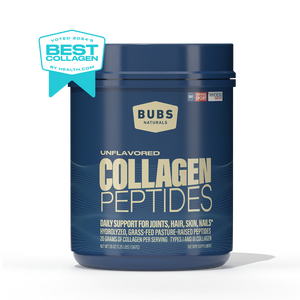
You may have noticed a clear, simple drink appearing in gym bags and office desks lately. Collagen water is exactly what it sounds like—pure water infused with collagen peptides. It has become a popular choice for people who want the benefits of a protein supplement without the heavy texture of a traditional shake, and our Collagen Peptides fit that routine.
At BUBS Naturals, we believe that wellness should be as straightforward as possible. We focus on providing clean, functional ingredients that fit into an active lifestyle. This article will explain why collagen water is gaining traction, how it works in your body, and the specific ways it may support your health and recovery.
Understanding why collagen water is good for you starts with looking at how your body uses protein. Collagen is the most abundant protein in your system, acting as the glue that holds everything together. By the time you finish this guide, you will know how this simple drink supports your skin, joints, and overall vitality.
Quick Answer: Collagen water provides a highly absorbable form of protein that may support skin elasticity, joint mobility, and muscle recovery. It combines hydration with essential amino acids, making it an efficient way to maintain the structural proteins your body naturally loses as you age.
What Exactly Is Collagen Water?
Collagen water is a blend of water and hydrolyzed collagen peptides. These peptides are small chains of amino acids derived from animal sources, such as grass-fed bovine or marine life. Unlike the thick collagen found in food, these peptides are processed to be incredibly fine.
The word "hydrolyzed" is important here. It means the protein has been broken down into smaller pieces using water. These smaller molecules are much easier for your body to digest and absorb. When you mix these peptides into water, they dissolve completely. This results in a drink that looks and tastes like regular water but carries a significant nutritional punch.
Many store-bought versions include light flavoring or added vitamins like Vitamin C to help with collagen synthesis. However, the core of the drink is always the same: hydration meets structural support. It is a convenient tool for anyone who needs to hit their protein goals while staying hydrated on the move.
Why Your Body Needs Supplemental Collagen
Your body produces its own collagen naturally. It uses amino acids from the food you eat to build the structures that keep your skin firm and your joints moving. However, this natural production begins to slow down as early as your 20s. If you want a deeper look at that process, our When Does Collagen Production Stop? guide breaks it down.
External factors also play a role in how fast your collagen levels drop. Sun exposure, smoking, and a diet high in processed sugars can all damage existing collagen fibers. As these levels decrease, you might notice things like stiffer joints, thinner hair, or less elastic skin.
Supplementing with collagen water provides the body with a "pool" of amino acids. These include glycine, proline, and hydroxyproline. While you cannot tell your body exactly where to send these nutrients, providing a steady supply ensures your system has the building blocks it needs to repair and maintain its tissues.
Key Benefits of Drinking Collagen Water
There are several reasons why adding collagen to your water is beneficial for your daily routine. It is not just about aesthetics; it is about functional health and longevity.
Support for Skin Health and Elasticity
The most well-known reason people reach for collagen water is skin health. About 75% of the dry weight of your skin is made of collagen. It provides the structure that keeps skin looking hydrated and firm.
Multiple studies have suggested that oral collagen intake can lead to measurable improvements. Research often shows that consistent use can help with skin hydration and density. For a deeper dive, our Why Drinking Collagen Is Good for Your Active Lifestyle guide covers the same idea.
Joint Mobility and Comfort
If you are an athlete or someone who stays active, joint health is a priority. Your joints are cushioned by cartilage, which is largely made of collagen. Over time, the wear and tear of training can thin this cushioning.
Many people report that drinking collagen water helps reduce the "creaky" feeling in their knees or hips. Some clinical evidence suggests that collagen peptides may help reduce joint stiffness in people with osteoarthritis. If you want more on that recovery angle, read How Collagen Can Support Your Joints and Recovery This Spring.
Stronger Hair and Nails
While the research on hair is still growing, the connection to nail health is well-documented. A small study showed that daily collagen intake improved nail growth and reduced brittleness over 24 weeks.
Collagen contains the amino acid proline. This is a primary component of keratin, which is the protein that makes up your hair and nails. If you find that your nails are prone to peeling or your hair feels thin, the extra amino acids in collagen water may provide the necessary support.
Gut Lining Integrity
The health of your digestive system depends on a strong gut lining. Collagen contains high amounts of glycine and glutamine. These amino acids are known to support the integrity of the intestinal wall.
A healthy gut lining prevents unwanted particles from leaking into the bloodstream. Many people with digestive sensitivities find that adding collagen to their routine helps them feel more comfortable. It is a gentle way to support the tissues that line your digestive tract.
Muscle Recovery and Strength
Collagen is not a "complete" protein because it lacks the essential amino acid tryptophan. However, it is still very effective for supporting connective tissues around the muscles.
For those who perform resistance training, collagen water can be a great post-workout companion. It helps repair the tendons and ligaments that are stressed during heavy lifting. Some studies also show that when combined with exercise, collagen can help maintain lean muscle mass in older adults.
Key Takeaway: Collagen water acts as a versatile tool for structural health. It provides the specific building blocks needed for skin hydration, joint cushioning, and connective tissue repair that regular protein sources may lack.
The Science of Bioavailability: Why Liquid Matters
One of the biggest advantages of collagen water is how well the body absorbs it. This is often referred to as bioavailability. When you take a pill or a capsule, your body has to break down the outer shell before it can get to the nutrients.
Liquid collagen, particularly in a hydrolyzed form, skips several of these steps. Because the protein is already dissolved and broken down into peptides, it can pass through the digestive system and enter the bloodstream more efficiently.
Some estimates suggest that the body absorbs up to 90% of liquid collagen. In contrast, solid supplements like pills may have much lower absorption rates. This means that when you drink collagen water, you are getting more of the active ingredient where it needs to go.
| Supplement Form |
Typical Absorption Rate |
Main Benefit |
| Collagen Water/Liquid |
High (Up to 90%) |
Fast entry into the bloodstream; very convenient |
| Collagen Powder |
High (When dissolved) |
Versatile; can be added to any drink or food |
| Collagen Pills |
Moderate |
No taste; easy to transport |
| Topical Creams |
Low |
Primarily acts as a surface moisturizer |
Choosing the Right Collagen Source
Not all collagen is created equal. When you are looking for the best way to support your body, the source and quality of the ingredients matter. Most collagen water is made from one of two primary sources.
Bovine Collagen
Bovine collagen is sourced from cows. It is rich in Type I and Type III collagen. These are the most common types found in the human body. Type I is excellent for skin and bones, while Type III supports muscles and blood vessels.
We believe in using the best ingredients possible. If you want a simple way to keep collagen in your routine, the Collagen Club makes monthly deliveries easy. It also ensures you have a fresh supply on hand without having to think about reordering.
Marine Collagen
Marine collagen comes from the skin and scales of fish. It is primarily Type I collagen. Some people prefer marine collagen because it has slightly smaller particles, which some believe may offer even faster absorption. It is also a great alternative for those who do not eat beef products.
Myth: All collagen supplements are the same regardless of the source.
Fact: Different sources provide different types of collagen. Bovine collagen usually provides Types I and III, which are essential for skin, joints, and muscles. Marine collagen is mostly Type I, which is more focused on skin and bone health.
How to Make Your Own Collagen Water
While you can buy pre-mixed bottles, making your own collagen water at home is often more cost-effective. It also allows you to control the ingredients and avoid added sugars or artificial preservatives.
Here is a simple way to do it:
-
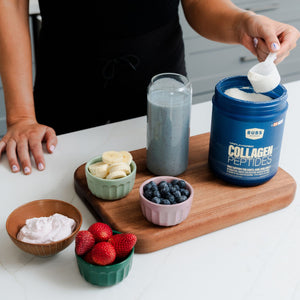
Start with 8–12 ounces of water. You can use room temperature or cold water.
-
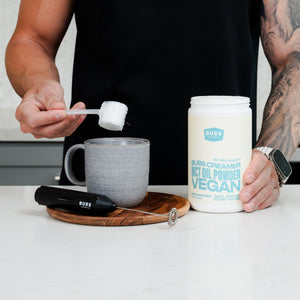
Add one scoop of high-quality collagen. Use a product like our Collagen Peptides, which are designed to dissolve instantly.
-
Shake or stir well. If the water is very cold, you may need to stir for an extra 30 seconds to ensure total dissolution.
-
Add a squeeze of lemon or lime. Vitamin C actually helps your body process collagen more effectively.
- Drink immediately.
By making it yourself, you ensure that you are getting a full dose of collagen—typically around 10 to 20 grams per serving—rather than the smaller amounts often found in mass-produced drinks.
When Is the Best Time to Drink It?
There is no "wrong" time to drink collagen water, but certain times might align better with your goals.
-
In the Morning: Starting your day with collagen water can provide a steady stream of amino acids to your system. It is also a great way to rehydrate after a night of sleep.
-
Post-Workout: Use it to support your joints and ligaments after a tough training session. It pairs well with a meal that includes a complete protein source like chicken, fish, or eggs.
-
Before Bed: Some people find that the amino acid glycine helps them feel more relaxed. Drinking a glass of collagen water before bed might support your body's natural repair processes while you sleep.
Ultimately, consistency is more important than timing. Your body needs a regular supply of these amino acids to maintain the structural integrity of your tissues over the long term.
Safety and Considerations
For most people, collagen water is very safe. It is a natural food product derived from protein. However, there are a few things to keep in mind.
First, check the sourcing. You want a product that is third-party tested. This ensures that the supplement is free from heavy metals and contaminants. Our products are NSF Certified for Sport, which means they meet the highest standards for purity and safety.
Second, listen to your body. If you are not used to taking much protein, start with a half scoop and work your way up. Some people might experience mild bloating if they take a large amount all at once.
Finally, remember that collagen is a supplement. It should work alongside a balanced diet and a healthy lifestyle. It is not a replacement for eating high-quality whole foods, getting enough sleep, and protecting your skin from the sun.
Note: If you have a known allergy to beef or fish, be sure to choose a collagen source that is safe for you. Always consult with your healthcare provider before starting a new supplement routine, especially if you have existing health conditions.
Lifestyle Habits That Protect Your Collagen
Drinking collagen water is a proactive step, but you should also defend the collagen you already have. Lifestyle choices have a massive impact on how long your natural collagen lasts.
-
Wear Sunscreen: UV rays are the primary cause of collagen breakdown in the skin. Protecting yourself from the sun prevents the "fragmentation" of collagen fibers.
-
Quit Smoking: Smoking reduces blood flow to the skin and introduces toxins that destroy collagen and elastin.
-
Prioritize Sleep: Your body does most of its structural repair while you are in deep sleep. Aim for 7–9 hours a night to give your body time to use those amino acids.
-
Eat Vitamin C: You need Vitamin C to actually form collagen. Include citrus, berries, and bell peppers in your diet to support the process.
Why Quality Matters in Collagen Supplements
The supplement market is crowded, and it can be hard to know which brands to trust. Many products contain fillers, artificial flavors, or low-quality protein sources.
If you want more context on what to look for, our All About Collagen library is a helpful place to keep learning.
We built BUBS Naturals on the idea that the best products are the simplest ones. We don't use "BS" ingredients. Our collagen is single-ingredient, grass-fed, and hydrolyzed for maximum absorption. We believe that if you are putting something into your body every day, it should be the cleanest version possible.
When you choose a high-quality powder to mix into your water, you are ensuring that your body is getting pure amino acids without unnecessary chemicals. This makes the "good" in collagen water even better for you.
Conclusion
Collagen water is an efficient, hydrating way to support your body’s most important structural protein. Whether you want to improve skin hydration, support your joints during training, or simply add more clean protein to your day, it is a functional tool that fits any routine. By providing your body with the amino acids it needs in a highly bioavailable form, you are helping yourself stay active and resilient.
At BUBS Naturals, we are driven by more than just wellness. We are a mission-based company inspired by the life of Glen "BUB" Doherty, a Navy SEAL who lived a life of adventure and purpose. In his honor, we donate 10% of all our profits to veteran-focused charities. You can learn more about that mission on About Bubs. When you choose our products, you are not just taking care of your own health—you are helping us give back to the community that Glen loved.
If you are ready to see how collagen can help you, start by adding a scoop to your water today. It is a small habit that leads to a big difference over time.
Bottom line: Collagen water provides easy-to-absorb peptides that support the skin, joints, and gut, making it an ideal supplement for those who want to maintain an active, healthy lifestyle.
FAQ
Does collagen water really work for skin?
Many clinical studies suggest that oral intake of collagen peptides can improve skin hydration and elasticity. By providing the body with the specific amino acids needed for collagen production, it helps maintain the skin’s structure from the inside out, though results vary by individual.
How much collagen water should I drink per day?
Most research indicates that a daily dose of 5 to 15 grams of collagen peptides is effective for general wellness. This usually equates to one or two servings of collagen water per day, depending on the concentration of the product you use.
Is it better to drink collagen on an empty stomach?
While some people prefer drinking it on an empty stomach for faster absorption, there is no strict medical requirement to do so. The most important factor is consistency; whether you drink it with a meal or solo, your body will still process and use the amino acids.
Can collagen water help with joint pain?
Collagen water may help reduce joint stiffness and support cartilage health, particularly in active individuals or those with age-related wear. It provides the building blocks for connective tissue, which can help your joints feel more cushioned and comfortable during movement.