Table of Contents
- Introduction
- Understanding Water-Soluble Vitamins
- The B-Vitamin Complex: A Powerhouse for Energy
- Vitamin C: The Ultimate Support System
- Can You Take Vitamin C and B Together?
- The Importance of Timing for Energy and Sleep
- Synergistic Benefits: Why They Work Well Together
- How to Optimize Your Daily Routine
- Why Quality Matters
- The Role of Diet First
- Supporting Your Joints and Skin
- Listening to Your Body
- Summary of Best Practices
- Conclusion
- FAQ
Introduction
You finish your morning workout, grab a glass of water, and reach for your supplement stack. If you are looking to support your energy levels and immune system, you likely have Vitamin C and a B-complex in that mix. A common question for anyone focused on peak performance is whether these nutrients play well together or if they compete for space. (bubsnaturals.com)
At BUBS Naturals, we believe that understanding what you put into your body is just as important as the effort you put into your training. Supplements should work with your biology, not against it. When you are pushing your limits, you need to know that your nutrients are actually being absorbed and utilized.
This article explores the relationship between Vitamin C and the various B vitamins. We will cover how they interact, the best time to take them, and why a small timing adjustment might be necessary for specific vitamins like B12. Our goal is to help you optimize your daily routine so you can stay active, recovered, and ready for the next challenge.
Quick Answer: Yes, Vitamin C and B vitamins can be taken together, as both are water-soluble and generally compatible. However, taking high doses of Vitamin C at the exact same time as Vitamin B12 may reduce B12 absorption, so spacing them by at least two hours is often recommended for maximum benefit.
Understanding Water-Soluble Vitamins
To understand how these vitamins interact, we first need to look at how the body processes them. Both Vitamin C and the B-vitamin family are classified as water-soluble. This means they dissolve in water and are not stored in the body's fat tissues for long periods.
When you consume water-soluble vitamins, your body takes what it needs for immediate tasks and flushes the excess out through your urine. Because your body does not maintain a large reserve of these nutrients, you need to replenish them daily through food or supplements. This is different from fat-soluble vitamins like A, D, E, and K, which the body can store for later use.
Because they both rely on water for transport, taking them together is usually efficient. Your body handles the influx of water-soluble nutrients simultaneously quite well. However, because they are flushed out relatively quickly, the quality and timing of your intake matter more than they do with vitamins that stay in your system for weeks.
The B-Vitamin Complex: A Powerhouse for Energy
The "B-complex" is not just one vitamin; it is a group of eight distinct nutrients that work as a team. While they each have specific jobs, their primary collective role is energy metabolism. This is the process of converting the food you eat—carbohydrates, fats, and proteins—into ATP (adenosine triphosphate), which is the cellular fuel your muscles and brain use to function.
The B-complex includes:
-
B1 (Thiamine): Helps convert nutrients into energy.
-
B2 (Riboflavin): Supports energy production and cell function.
-
B3 (Niacin): Vital for cellular signaling and DNA repair.
-
B5 (Pantothenic Acid): Helps the body break down fats and produce hormones.
-
B6 (Pyridoxine): Involved in amino acid metabolism and red blood cell production.
-
B7 (Biotin): Essential for carbohydrate and fat metabolism.
-
B9 (Folate): Crucial for cell division and proper brain function.
-
B12 (Cobalamin): Perhaps the most famous, it is vital for neurological function and DNA synthesis.
For someone living an active lifestyle, these vitamins are non-negotiable. They help ensure that the fuel you consume actually reaches your muscles during a heavy lift or a long trail run.
Vitamin C: The Ultimate Support System
Vitamin C, also known as ascorbic acid, is a powerful antioxidant. An antioxidant is a molecule that helps protect your cells from oxidative stress. Think of oxidative stress like "biological rust" that happens when your body faces intense physical demand, pollution, or poor diet.
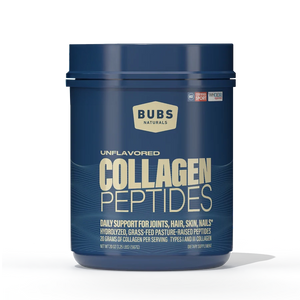
Beyond its role in the immune system, Vitamin C is essential for collagen synthesis. Collagen is the primary structural protein in your body, acting as the "glue" for your joints, tendons, and skin. Without Vitamin C, your body cannot effectively build or repair these tissues. This is why we often suggest pairing Vitamin C with our Collagen Peptides to ensure your body has all the tools it needs for recovery. (bubsnaturals.com)
Vitamin C also supports the production of neurotransmitters like noradrenaline. This chemical helps you stay alert and focused, which is why many people feel a subtle mental lift when their Vitamin C levels are optimal.
Can You Take Vitamin C and B Together?
The short answer is yes. In fact, many high-quality multivitamins and daily packs combine Vitamin C and B vitamins into a single serving. For the majority of these nutrients, there is no negative interaction. They can be absorbed at the same time without competing for transport.
However, there is a specific interaction involving Vitamin B12 that you should know about. Some evidence suggests that high doses of Vitamin C can interfere with the way your body absorbs and metabolizes Vitamin B12. In some cases, the Vitamin C can actually degrade the B12 in the digestive tract before it has a chance to be absorbed.
This does not mean you should avoid one if you take the other. It simply means that if you are taking a high-dose Vitamin C supplement (typically 500mg or more) and a separate Vitamin B12 supplement, you might want to space them out.
Key Takeaway: While Vitamin C and B vitamins are generally compatible, the acidic nature of Vitamin C can potentially lower the bioavailability of Vitamin B12 if taken simultaneously in high concentrations. Bioavailability refers to the amount of a nutrient that actually enters your bloodstream to be used by the body.
The Importance of Timing for Energy and Sleep
When it comes to B vitamins, timing is everything. Because B vitamins are so effective at supporting energy production, they can be quite stimulating for some people. If you take a high-dose B-complex late in the evening, you might find it difficult to wind down or fall asleep.
Vitamin C also has a mild stimulating effect due to its role in noradrenaline production. For these reasons, the best time to take both Vitamin C and B vitamins is in the morning or early afternoon. This aligns with your body’s natural energy needs for the day ahead.
Taking them with your first meal of the day is often the best strategy. While B vitamins are generally well-tolerated on an empty stomach, Vitamin C is acidic. For many people, taking Vitamin C without food can lead to a minor stomach ache or heartburn. Pairing these with breakfast ensures smoother digestion and steady energy throughout your morning training or workday.
Synergistic Benefits: Why They Work Well Together
While the B12 interaction requires a bit of planning, there are many reasons why having both Vitamin C and B vitamins in your system at the same time is beneficial. They often work together in synergistic ways—meaning the combined effect is greater than the sum of its parts.
Iron Absorption
One of the most well-documented benefits of Vitamin C is its ability to help the body absorb non-heme iron (the type of iron found in plant-based foods). Many B vitamins, specifically B12 and Folate, are also essential for red blood cell health. By taking Vitamin C, you support your body’s iron levels, which in turn allows the B vitamins to do their job in maintaining healthy blood and oxygen transport.
Mental Performance and Stress
Physical and mental stress can quickly deplete your stores of water-soluble vitamins. B vitamins are often referred to as "anti-stress" vitamins because they help regulate the nervous system. Vitamin C supports the adrenal glands, which manage your body’s response to stress. When you are training hard or facing a high-pressure situation, having both nutrients available helps your body stay resilient and focused.
Recovery and Tissue Repair
If you are using our products to support recovery, you already know that repair happens on a cellular level. B vitamins provide the energy required for cells to replicate and repair damaged tissue. Vitamin C provides the antioxidant protection and the collagen-building blocks needed to keep your joints and skin healthy. Together, they create an internal environment that favors rebuilding over breaking down.
Myth: Taking more Vitamin C or B vitamins than the daily recommended value will give you a massive boost in energy and immunity.
Fact: Because these vitamins are water-soluble, your body has a "saturation point." Once your cells have what they need, the rest is excreted. While higher doses can be helpful during times of extreme stress or illness, taking massive amounts daily usually results in your body simply flushing the extra away.
How to Optimize Your Daily Routine
To get the most out of these supplements, you don't need a degree in chemistry. You just need a consistent, common-sense approach. Here is how we recommend structuring your intake for the best results:
-
Morning Intake: Take your B-complex and Vitamin C with breakfast. This provides the energy support you need for the day and avoids potential sleep disruption.
-
Mind the B12: If you take a specific, high-dose B12 supplement, try to take it at a different meal than your high-dose Vitamin C. A two-hour window is plenty of time for your body to process the B12 before the Vitamin C arrives.
-
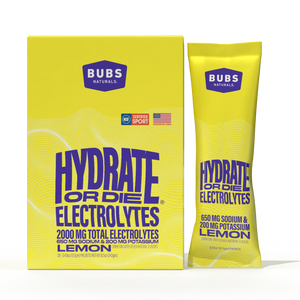
Hydrate: Since these vitamins are water-soluble, they require adequate hydration to move through your system. Using a product like our Hydrate or Die electrolytes can help ensure your mineral balance is correct, which supports the transport of these vitamins into your cells. (bubsnaturals.com)
-
Consistency is King: Because these vitamins are not stored long-term, taking them every day is more important than taking a huge dose once a week.
| Nutrient |
Best Time to Take |
Primary Benefit |
Note |
| B-Complex |
Morning |
Energy & Metabolism |
May interfere with sleep if taken late. |
| Vitamin C |
Morning/Lunch |
Immunity & Collagen |
Acidic; best taken with food. |
| Vitamin B12 |
Morning |
Nerve & Blood Health |
Space 2 hours from high-dose Vitamin C. |
Why Quality Matters
Not all supplements are created equal. When you are looking for Vitamin C or B vitamins, you want to ensure the product is clean and free of unnecessary fillers. At BUBS Naturals, we prioritize simplicity and transparency. Our Vitamin C is designed to be effective and easy on the stomach, including citrus bioflavonoids to help with absorption.
Using supplements that are third-party tested and NSF for Sport certified—like our core lineup—ensures that you are getting exactly what is on the label and nothing else. This is especially important for athletes and veterans who need to know their supplements are safe and reliable. When you choose clean ingredients, your body doesn't have to work as hard to filter out the "BS," allowing it to focus entirely on performance and recovery.
For a closer look at the full lineup, explore the Boosts collection. (bubsnaturals.com)
The Role of Diet First
We always advocate for a "food-first" approach. Supplements are meant to supplement a healthy diet, not replace one. You can find high concentrations of B vitamins in meat, eggs, dairy, leafy greens, and legumes. Vitamin C is abundant in citrus fruits, bell peppers, strawberries, and broccoli.
However, modern life and intense training can sometimes make it difficult to get everything you need from food alone. Soil depletion and food processing can lower the nutrient density of our meals. This is where a targeted supplement routine becomes a valuable tool in your kit. It provides a safety net to ensure your body has the micronutrients required to perform at its best every day.
Supporting Your Joints and Skin
If your goal is joint health and recovery, the combination of Vitamin C and collagen is a powerful duo. While Vitamin B vitamins support the energy for the "work," Vitamin C and collagen support the "structure."
When you take our Collagen Peptides, your body breaks down the protein into amino acids. Vitamin C then acts like a specialized welder, helping to reassemble those amino acids into new collagen fibers in your joints and skin. Without enough Vitamin C, this process is much less efficient. Taking your B vitamins alongside this routine ensures you have the metabolic energy to power these rebuilding processes. (bubsnaturals.com)
Listening to Your Body
Everyone’s biology is unique. While the general rules for Vitamin C and B vitamins apply to most people, it is important to pay attention to how you feel. If you notice that taking a B-complex makes you feel a bit jittery, you might want to lower the dose or ensure you are taking it with a substantial meal. If Vitamin C causes digestive upset, try splitting your dose into two smaller portions throughout the day.
Being "dialed in" to your health means more than just following a plan; it means adjusting that plan based on your body's feedback. Wellness is a practice of constant refinement.
Summary of Best Practices
Optimizing your supplement routine doesn't have to be complicated. By following a few simple steps, you can ensure that your Vitamin C and B vitamins are working as hard as you are.
-
Take them in the morning: Align your nutrient intake with your body's natural energy cycles.
-
Use food to your advantage: Taking these vitamins with a meal supports better digestion and absorption.
-
Space out B12 and high-dose C: A small gap in timing can prevent absorption issues.
-
Stay hydrated: Water is the delivery vehicle for these essential nutrients.
-
Choose clean sources: Stick to supplements with no fillers and proven purity.
Bottom line: You can absolutely take Vitamin C and B vitamins together. For the best results, take them in the morning with food, and if you use high doses, keep your B12 and Vitamin C a couple of hours apart to maximize their effectiveness.
Conclusion
Taking ownership of your health requires a mix of discipline and knowledge. Knowing that you can safely take Vitamin C and B vitamins together—with just a small consideration for timing—allows you to build a more effective morning routine. These vitamins are the foundation of energy, immunity, and recovery, providing the internal support necessary for an active lifestyle.
At BUBS Naturals, our mission is to provide you with the cleanest, most effective tools to help you live a life of adventure and purpose. Our commitment to quality is rooted in the legacy of Glen "BUB" Doherty, and we honor that legacy by ensuring every product we make helps you perform your best. To further that mission, we donate 10% of all our profits to veteran-focused charities, turning your commitment to health into a force for good. Learn more about our story and 10% Rule and how that mission shows up in our giving back to veterans. (bubsnaturals.com)
Ready to level up your recovery? Explore our clean, effective supplements and feel the difference that high-quality, science-backed nutrition can make in your daily life.
FAQ
Can I take Vitamin C and B-complex on an empty stomach?
While you can take them on an empty stomach, it is generally not recommended for everyone. Vitamin C is acidic and can cause stomach irritation or heartburn in some people. Taking these vitamins with a meal helps buffer the acidity and can improve the overall digestive experience.
Does Vitamin C destroy Vitamin B12?
Vitamin C does not "destroy" B12 in the body, but high doses of Vitamin C can interfere with the absorption of B12 in the digestive tract. If you take a high-dose Vitamin C supplement at the same time as B12, the Vitamin C may reduce the amount of B12 your body can actually use. Spacing them by two hours solves this potential issue.
Is it better to take B vitamins in the morning or at night?
It is significantly better to take B vitamins in the morning or early afternoon. Because they are vital for energy production, they can have a stimulating effect that may interfere with your ability to fall asleep if taken too late in the evening.
Why are Vitamin C and B vitamins called water-soluble?
They are called water-soluble because they dissolve in water and are transported through the body via water-based fluids. Unlike fat-soluble vitamins, they are not stored in the body's fat tissues for long periods and are excreted through urine when consumed in excess, requiring daily replenishment.