Table of Contents
- Introduction
- Understanding Vitamin C: The Master Antioxidant
- Understanding Omega-3s: The Essential Fats
- The Synergy: Why Taking Them Together Works
- How to Optimize Your Routine
- Integrating These Into a BUBS Lifestyle
- Practical Scenarios for the Vitamin C and Omega-3 Duo
- Conclusion
- FAQ
Introduction
Optimizing a supplement routine often feels like a balancing act. You want the most efficiency for your efforts, ensuring that each vitamin or mineral you take is actually being absorbed and utilized by your body. If you are standing in front of your supplement cabinet wondering if your fish oil and your morning citrus-based capsules can share the same space, you are asking the right questions. At BUBS Naturals, we believe that understanding the "why" behind your wellness routine is just as important as the routine itself, and our Boosts collection is built around that idea.
Many people separate their supplements out of a concern that one might block the absorption of another. Fortunately, when it comes to Vitamin C and Omega-3 fatty acids, you don't have to worry about negative interactions. In fact, these two nutrients are often found together in nature for a reason.
This article explores why taking Vitamin C and Omega-3 together is not only safe but may actually provide synergistic benefits for your heart, brain, and recovery. We will break down the science of how they interact and the best way to time your intake for maximum results.
Quick Answer: Yes, Vitamin C and Omega-3 can be taken together safely. Combining them may even enhance their individual benefits, as Vitamin C helps protect the fragile fatty acids in Omega-3 from oxidation, supporting overall cellular health and recovery.
Understanding Vitamin C: The Master Antioxidant
Vitamin C, also known as ascorbic acid, is a water-soluble vitamin. "Water-soluble" simply means that the vitamin dissolves in water and is carried to the body's tissues, but it isn't stored in large amounts. Because your body cannot produce or store Vitamin C, you must get it through your diet or supplements every single day.
Most people associate Vitamin C with immune support, but its roles are much broader. It acts as a powerful antioxidant, which is a molecule that neutralizes free radicals. Free radicals are unstable atoms that can damage cells, leading to oxidative stress—a process similar to biological "rusting" that occurs during intense training, aging, or exposure to environmental toxins.
The Role of Vitamin C in Collagen Synthesis
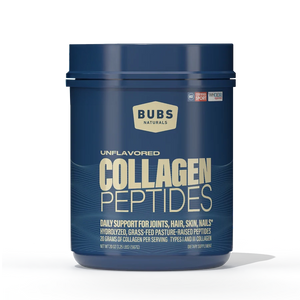
One of the most critical roles of Vitamin C is its involvement in the production of collagen. Collagen is the primary structural protein in your body, acting as the "glue" that holds together your skin, joints, ligaments, and tendons. Without adequate Vitamin C, the enzymes responsible for cross-linking collagen fibers cannot function. This is why we often suggest pairing Vitamin C with collagen peptides to support joint health and recovery after a long day on the trail or in the gym.
Iron Absorption and Heart Health
Vitamin C also plays a significant role in how you absorb minerals, particularly non-heme iron (the kind found in plant-based foods). Pairing a Vitamin C supplement with an iron-rich meal can significantly increase bioavailability, which is the degree and rate at which a substance is absorbed into your living system. Furthermore, research suggests that Vitamin C supports cardiovascular health by helping to maintain the integrity of blood vessel walls and supporting healthy blood pressure levels already within a normal range.
Key Takeaway: Vitamin C is an essential, water-soluble nutrient that protects cells from oxidative damage, facilitates collagen production, and helps the body absorb other vital nutrients like iron.
Understanding Omega-3s: The Essential Fats
Omega-3 fatty acids are a type of polyunsaturated fat. Like Vitamin C, they are "essential," meaning your body cannot make them on its own. You must obtain them from food sources like fatty fish, walnuts, or high-quality supplements.
There are three primary types of Omega-3s:
-
ALA (Alpha-linolenic Acid): Found in plant sources like flaxseeds and chia seeds.
-
EPA (Eicosapentaenoic Acid): Found in cold-water fish and algae; primarily known for supporting a healthy inflammation response.
-
DHA (Docosahexaenoic Acid): Found in fish and algae; critical for brain health and the structural integrity of the eyes.
Brain and Cognitive Support
DHA is one of the most abundant fats in the human brain. It is essential for maintaining the fluidity of cell membranes, which allows brain cells to communicate effectively. Many athletes and professionals use Omega-3s to support mental clarity, focus, and long-term cognitive health as they age.
Cardiovascular and Inflammation Support
Omega-3s are perhaps most famous for their role in heart health. They help maintain healthy triglyceride levels and support a balanced rhythm for the heart. Beyond the heart, they are powerful tools for managing the physical stress of an active lifestyle. By supporting a healthy inflammatory response, Omega-3s help your muscles and joints bounce back after a heavy training session or an outdoor adventure.
Myth: All Omega-3 supplements are created equal.
Fact: The quality and source of Omega-3s matter immensely. Fish oils are susceptible to oxidation (turning rancid) if they are not processed and stored correctly. High-quality supplements often include antioxidants to prevent this.
The Synergy: Why Taking Them Together Works
When you combine Vitamin C and Omega-3, you aren't just saving time; you are potentially creating a more effective environment for both nutrients to work.
Protection Against Oxidation
Omega-3 fatty acids are highly "unsaturated," which makes them chemically fragile. When exposed to heat, light, or oxygen, they can undergo a process called lipid peroxidation. This is a fancy way of saying the fats break down and produce harmful free radicals.
This is where Vitamin C steps in. As a potent water-soluble antioxidant, Vitamin C can help shield these delicate fats from oxidation within the body. When you take them together, Vitamin C acts as a "sacrificial" molecule, taking the hit from free radicals so that the Omega-3s remain intact and functional.
Enhanced Recovery and Immune Defense
An active lifestyle puts unique demands on the body. Intense exercise causes temporary oxidative stress and inflammation. While this is a necessary part of getting stronger, you want to provide your body with the tools to manage that stress efficiently.
Taking Vitamin C and Omega-3 together provides a two-pronged approach. The Omega-3s support the structural repair of cell membranes and manage the inflammatory signal, while Vitamin C mops up the oxidative byproduct and triggers the production of new connective tissue through collagen synthesis. If you want a deeper look at recovery support, our article on collagen peptides and muscle recovery is a helpful next step.
The Liver and Metabolic Health
Some research has looked into how this combination supports organ health, specifically the liver. In studies involving chemical stressors, the combination of Vitamin C and Omega-3 showed a synergistic effect—meaning the results of taking them together were greater than the sum of taking them individually. This combination helped maintain healthy levels of liver enzymes and antioxidant markers, suggesting that they work in tandem to protect vital organs from environmental and metabolic stress.
Bottom line: Taking Vitamin C and Omega-3 together is not only safe but likely beneficial, as Vitamin C protects the integrity of the Omega-3 fats, allowing them to better support your brain, heart, and recovery.
How to Optimize Your Routine
To get the most out of these supplements, it helps to understand how they are absorbed.
Timing and Absorption
Vitamin C is water-soluble, so you can technically take it on an empty stomach with a glass of water. However, Omega-3 is a fat. For your body to absorb Omega-3s effectively, you need the presence of dietary fats to trigger the release of digestive enzymes and bile.
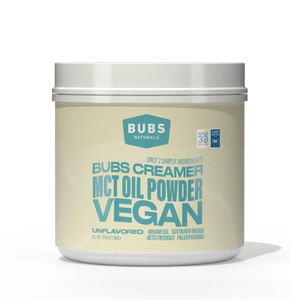
If you take your Omega-3 on an empty stomach, you might experience "fish burps" or poor absorption. We recommend taking both your Vitamin C and your Omega-3 with a meal that contains healthy fats—like eggs, avocado, or a meal prepared with our MCT Oil Creamer. This ensures the Omega-3 is properly emulsified and absorbed while the Vitamin C is available to protect it.
Quality Matters
The supplement industry is full of fillers and low-quality ingredients. When looking for Vitamin C, look for simple, clean formulas like the one in our Boosts collection, which includes a straightforward Vitamin C option with bioflavonoids.
For Omega-3s, freshness is the most important factor. If a fish oil supplement smells excessively "fishy," it has likely oxidized and will do more harm than good. Always choose products that are third-party tested to ensure they are free from heavy metals and have low oxidation levels.
Dosage Considerations
Most people do well with 500 mg to 1,000 mg of Vitamin C and 1,000 mg to 2,000 mg of combined EPA/DHA per day. However, your needs might increase if you are training for a marathon, recovering from an injury, or dealing with high levels of daily stress. As always, it is a good idea to consult with a healthcare professional to determine the right dose for your specific needs.
Note: If you are taking blood-thinning medications, consult your doctor before starting a high-dose Omega-3 regimen, as Omega-3s can have a mild blood-thinning effect.
Integrating These Into a BUBS Lifestyle
At BUBS Naturals, we focus on the foundational elements of wellness—the things that allow you to keep pushing, whether you are on a mountain trail or in a boardroom. Our product lineup is designed to be mixed and matched to suit your specific goals.
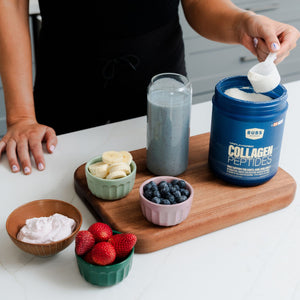
For example, many of our community members start their day with a "Morning Stack." They mix our Collagen Peptides into their coffee along with our MCT Oil Creamer. By adding a Vitamin C supplement to this routine, they are providing the necessary co-factor for collagen synthesis. If they then take an Omega-3 supplement with their breakfast, they have created a comprehensive environment for joint health, mental clarity, and cellular protection.
We don't believe in "magic pills." We believe in clean, science-backed ingredients that support the hard work you are already doing. You can learn more about that mission on Our Story, where Glen “BUB” Doherty’s legacy and the 10% Rule are central to everything we do.
Practical Scenarios for the Vitamin C and Omega-3 Duo
To understand how this pair fits into your life, let's look at a few common scenarios where this combination shines.
Scenario 1: The High-Mileage Runner
You’ve just finished a double-digit mile run. Your joints are feeling the impact, and your body is in a state of high oxidative stress. By taking Vitamin C and Omega-3 together post-run, you are addressing two needs: the Vitamin C supports the repair of the connective tissues in your knees and ankles, while the Omega-3s help manage the systemic inflammation caused by the heavy mileage.
Scenario 2: The Focused Professional
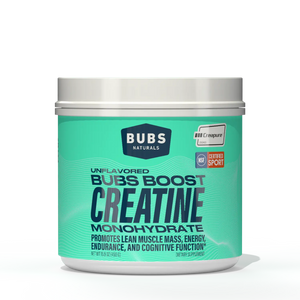
You have a week of high-stakes meetings and long hours in front of a screen. You need your brain to fire on all cylinders. The Omega-3s (specifically DHA) support your cognitive function and mood, while Vitamin C helps protect your brain cells from the oxidative stress that comes with mental fatigue and lack of sleep. Taking them with a healthy lunch keeps your energy stable and your mind sharp, and a quick read on creatine and peak performance can round out your broader performance routine.
Scenario 3: The Winter Wellness Strategy
During the colder months, your immune system is often under more pressure. While Vitamin C is the traditional go-to for immune support, Omega-3s also play a role by supporting the health of the cell membranes in your immune cells. Taking them together ensures your "defense system" is structurally sound and chemically prepared to handle whatever comes its way.
If hydration is also part of your winter routine, our guide on smart hydration and electrolyte water is worth a look.
| Feature |
Vitamin C |
Omega-3 (EPA/DHA) |
Synergy Benefit |
| Primary Function |
Antioxidant & Collagen Support |
Anti-inflammatory & Brain Health |
Mutual protection against oxidative stress |
| Solubility |
Water-soluble |
Fat-soluble |
Vitamin C protects fat from turning rancid |
| Best Time to Take |
Anytime (with food is best) |
With a meal containing fat |
Maximum absorption and protection |
| Source |
Fruits, Vegetables, Supplements |
Fatty Fish, Algae, Supplements |
Balanced nutrient profile |
Conclusion
The pursuit of wellness shouldn't be complicated. When you look at the synergy between Vitamin C and Omega-3, it becomes clear that nature often intends for these nutrients to work together. By protecting the integrity of your essential fats and supporting the production of vital proteins like collagen, this duo provides a solid foundation for anyone living an active, purpose-driven life.
We are committed to providing the cleanest, most effective supplements to help you live your best life. This commitment is rooted in the legacy of Glen "BUB" Doherty—an adventurer, a warrior, and a friend who lived life to the fullest. To honor that legacy, we donate 10% of all our profits to veteran-focused charities, a mission you can explore further through Our Story.
Start simple. Focus on high-quality ingredients, time your supplements with your meals, and listen to your body. Whether you are hitting a new personal record or just trying to feel better during your morning walk, the combination of Vitamin C and Omega-3 is a reliable, science-backed way to support your journey.
FAQ
Is it better to take Vitamin C and Omega-3 in the morning or at night?
The best time to take them is whenever you eat your largest meal containing healthy fats. While Vitamin C can be taken any time, Omega-3 requires dietary fat for proper absorption. For many people, this is during breakfast or dinner, so choose the time that helps you stay consistent.
Can I get enough Vitamin C and Omega-3 from food alone?
While it is possible to get these nutrients from a diet rich in citrus, bell peppers, and fatty fish like salmon, many people fall short of the optimal levels needed for high-performance recovery. Supplementing ensures you hit those targets consistently, especially during times of high stress or intense physical training.
Do Vitamin C and Omega-3 interfere with any medications?
Vitamin C is generally very safe, but high doses can interfere with certain chemotherapy drugs or blood thinners like warfarin. Omega-3 also has a mild blood-thinning effect and may interact with anti-platelet or anticoagulant medications. It is always best to discuss your supplement routine with your doctor if you are taking prescription medications.
Will taking Vitamin C and Omega-3 together help with joint pain?
While we cannot claim they cure joint pain, many athletes report that this combination supports joint comfort. Omega-3 helps manage the inflammatory response in the joints, while Vitamin C is an essential building block for the collagen that makes up your cartilage and ligaments. Together, they provide the structural and chemical support your joints need to stay resilient.