Table of Contents
- Introduction
- The Science of the Antioxidant Duo
- Benefits of Combining Vitamin C and Vitamin E
- How to Take Vitamin C and E: Dosage and Timing
- Potential Side Effects and Interactions
- The Role of Quality and Testing
- Beyond C and E: Other Essential Pairings
- Maximizing Your Antioxidant Intake through Food
- Conclusion
- FAQ
Introduction
If you are looking to optimize your supplement stack, you have likely asked whether certain vitamins play well together or compete for attention. In the world of antioxidants, few pairings are as frequently discussed as Vitamin C and Vitamin E. Whether you are pushing through a high-intensity training session or simply trying to support your long-term wellness, understanding how these two nutrients interact is vital for getting the most out of your routine.
At BUBS Naturals, we believe in keeping things clean and evidence-based. The combination of Vitamin C and Vitamin E is a classic example of nutritional teamwork that supports the active, adventure-filled lifestyle we champion. This guide will explore the specific synergy between these two vitamins, the biological reasons they are often taken together, and how you can safely incorporate them into your daily schedule.
We will cover the science behind the antioxidant cycle, the practical benefits for your recovery, and the specific timing rules you should follow. By the end, you will have a clear blueprint for using these vitamins to support your resilience. This article explores why taking Vitamin C and Vitamin E together is not only safe but often superior to taking them in isolation.
Quick Answer: Yes, you can—and often should—take Vitamin C and Vitamin E together. These two antioxidants work in tandem, where Vitamin C helps regenerate "spent" Vitamin E, allowing it to continue protecting your cells from oxidative damage.
The Science of the Antioxidant Duo
To understand why Vitamin C and Vitamin E are better together, we have to look at how they handle oxidative stress. Every time you breathe, eat, or exercise, your body produces molecules called free radicals. These are unstable atoms that can damage cells. In small amounts, free radicals are normal and even act as signaling molecules. However, when they accumulate—often due to intense physical exertion, pollution, or poor diet—they can cause oxidative damage.
Think of antioxidants like a clean-up crew. Their job is to neutralize free radicals before they can cause trouble. Vitamin C and Vitamin E are the lead members of this crew, but they work in different parts of the cell. This physical separation is actually what makes them such an effective team.
Water-Soluble vs. Fat-Soluble Protection
Vitamin C is water-soluble. This means it travels easily through your bloodstream and the watery environments inside and outside your cells. It is the first line of defense in these areas. Because it moves freely in water, your body cannot store large amounts of it; any excess is typically flushed out through your urine.
Vitamin E is fat-soluble. It lives primarily in the fatty membranes of your cells. This is a critical location because your cell membranes are made of lipids (fats), which are particularly vulnerable to a process called lipid peroxidation. Lipid peroxidation is essentially the fats in your cell walls "rusting" or breaking down when exposed to oxygen and free radicals. Vitamin E sits inside those walls to prevent that rust from spreading.
The Regeneration Cycle
This is where the synergy happens. When Vitamin E neutralizes a free radical, it becomes "oxidized" itself. At that point, the Vitamin E molecule is exhausted. It cannot help any more until it is reset.
Vitamin C steps in to perform that reset. It donates an electron back to the Vitamin E molecule, effectively bringing it back to life. This is often called the "antioxidant cycle" or "redox cycling." It allows a single molecule of Vitamin E to provide protection over and over again. Without enough Vitamin C present, your Vitamin E stores would be depleted much faster, leaving your cell membranes vulnerable to damage.
Key Takeaway: Vitamin C and E function as a biological relay team. Vitamin C acts as the restorer, ensuring that Vitamin E stays active and effective within the cell membranes rather than being discarded after one use.
Benefits of Combining Vitamin C and Vitamin E
When you take these two together, you are not just doubling up on vitamins. You are creating a more resilient defense system. This combination offers several specific benefits for those living an active, high-performance lifestyle.
Enhanced Cardiovascular Support
Your blood vessels are under constant pressure, especially during heavy training. Research suggests that the combination of Vitamin C and Vitamin E may support endothelial function. The endothelium is the thin membrane lining the inside of the heart and blood vessels. Its job is to help blood vessels relax and contract properly to manage blood flow.
By neutralizing free radicals in the bloodstream (via Vitamin C) and protecting the fats in the blood vessel walls (via Vitamin E), this duo helps maintain a healthy environment for your heart. Many athletes focus on this pairing to ensure their circulatory system remains flexible and responsive under stress.
Skin Health and UV Protection
While no supplement replaces high-quality sunscreen, the combination of C and E is a powerhouse for skin health. Vitamin C is an essential cofactor for collagen synthesis. A cofactor is a "helper molecule" that is required for an enzyme to do its job. In this case, Vitamin C helps the enzymes that build the structural framework of your skin, joints, and tendons.
Vitamin E helps stabilize the lipids in the skin barrier. Together, they provide internal support against oxidative damage caused by environmental factors like UV rays and pollution. By supporting the structure (collagen) and the barrier (lipids), this pair helps keep skin resilient.
Muscle Recovery and Reduced Soreness
Physical activity, particularly endurance sports or heavy lifting, naturally increases oxidative stress. While some oxidative stress is necessary to trigger muscle growth and adaptation, excessive damage can lead to prolonged soreness and fatigue.
Studies have looked at how the combination of these vitamins affects recovery markers. Some research suggests that supplementing with both can attenuate lipid peroxidation and reduce levels of creatine kinase, a marker of muscle damage, following intense exercise. This does not mean you will never feel sore, but it may help your body manage the inflammatory response more efficiently.
Bottom line: Taking C and E together provides a multi-layered defense that supports everything from heart health and skin integrity to faster recovery after a hard workout.
How to Take Vitamin C and E: Dosage and Timing
Even though these two work together, they have different "personalities" when it comes to absorption. To get the best results, you should be intentional about when and how you take them.
Timing for Vitamin C
Because Vitamin C is water-soluble, it can be taken almost any time of day. It reaches peak levels in your blood relatively quickly. Some people find that taking it on an empty stomach is fine, while others prefer taking it with food to avoid any minor digestive tingle.
Our Vitamin C supplement provides 500 mg per serving. We include citrus bioflavonoids, which are natural compounds found in fruit that help improve the absorption and effectiveness of the vitamin. This mimics how you would find Vitamin C in a whole food source like an orange or bell pepper.
Timing for Vitamin E
Vitamin E is a different story. Since it is fat-soluble, your body cannot absorb it effectively if your stomach is empty. To get the most out of Vitamin E, you must take it with a meal that contains healthy fats.
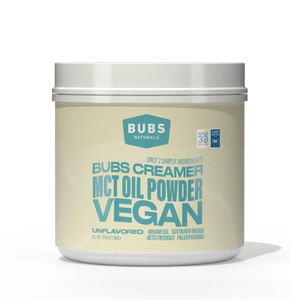
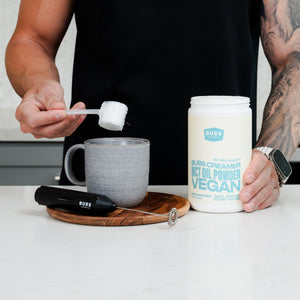
This could be a breakfast of eggs and avocado, or a morning coffee boosted with a clean fat source like our MCT Oil Creamer. The presence of fat triggers the release of bile and enzymes that break down the Vitamin E so it can enter your system. If you take Vitamin E on an empty stomach, much of it may simply pass through your body unused.
Can You Take Them at the Same Time?
Yes, you can take them at the exact same time. In fact, many people prefer taking them together during a meal to ensure the Vitamin E is absorbed with food while the Vitamin C is also present to begin the recycling process. Since the regeneration cycle happens continuously in your body, having both present in your system ensures the relay team is always ready to go.
Myth: You should avoid taking Vitamin C and E together because they compete for absorption.
Fact: These two vitamins do not compete for absorption. Because one is water-soluble and the other is fat-soluble, they use different pathways to enter the bloodstream. Taking them together is actually more efficient for your body's antioxidant network.
Potential Side Effects and Interactions
While Vitamin C and Vitamin E are generally very safe for most people, there are a few important considerations to keep in mind, especially regarding high doses and interactions with other nutrients.
Vitamin E and Blood Thinning
One of the primary safety notes for Vitamin E is its potential impact on blood clotting. In very high doses, Vitamin E may have a mild blood-thinning effect. If you are currently taking prescription blood thinners or have an upcoming surgery, you should consult your healthcare provider before adding a Vitamin E supplement to your routine. Most standard daily doses are well-tolerated, but it is always better to be cautious.
Vitamin C and Vitamin B12
There is some evidence to suggest that very high doses of Vitamin C taken at the exact same time as Vitamin B12 can interfere with how the body absorbs B12. If you are supplementing both in high amounts, it is a smart move to space them out by at least two hours. For example, you could take your B12 in the morning and your Vitamin C at lunch.
Digestive Comfort
For some people, very high doses of Vitamin C can lead to loose stools or stomach upset. This is why we focus on a 500 mg dose. It provides a significant boost to your daily intake without overwhelming your digestive system. If you are new to these supplements, start with the recommended dose and see how your body responds. Wellness is a marathon, not a sprint, so there is no need to overload your system on day one.
The Role of Quality and Testing
When you are putting supplements into your body to support your performance, the source of those ingredients matters. The supplement industry can be difficult to navigate, which is why we take a straightforward approach to everything we create.
We ensure that our products are clean and simple. For example, when looking at Vitamin C, you want a formula that includes bioflavonoids for better bioavailability. Bioavailability is the measure of how much of a nutrient actually makes it into your bloodstream to be used by your cells.
For athletes and professionals who undergo drug testing, third-party certification is a must. We prioritize transparency, and many of our core products are NSF for Sport certified. This means they have been rigorously tested to ensure they contain exactly what is on the label and no banned substances. This level of trust is a cornerstone of our mission. We build products for people who need them to work, every single time.
Beyond C and E: Other Essential Pairings
While the C and E duo is powerful, it is just one part of a well-rounded recovery strategy. If you are focused on long-term joint health and tissue repair, there are other combinations to consider that involve these vitamins.
Vitamin C and Collagen
Vitamin C is a critical co-factor in collagen synthesis. Collagen is the most abundant protein in your body, providing structure to your skin, hair, nails, tendons, and ligaments. However, your body cannot effectively produce or repair collagen without adequate Vitamin C.
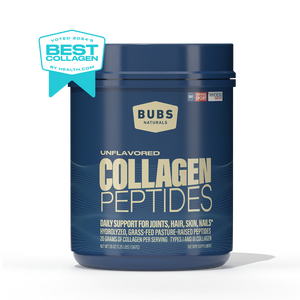
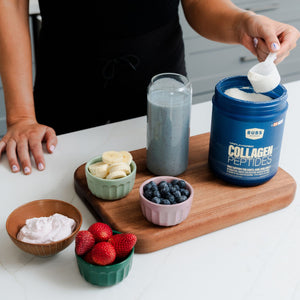
Our Collagen Peptides are hydrolyzed, which means the protein has been broken down into smaller, easier-to-absorb pieces. When you combine these peptides with Vitamin C, you are giving your body both the raw materials (amino acids) and the tool (Vitamin C) it needs to support joint health and recovery.
Vitamin E and MCT Oil
As mentioned earlier, Vitamin E requires fat for absorption. This makes it a perfect companion for MCT (Medium Chain Triglycerides) oil. MCTs are a type of fat found in coconuts that your body can quickly convert into energy. By adding a scoop of our Butter MCT Oil Creamer to your coffee when you take your Vitamin E, you provide the lipid environment necessary for that vitamin to be absorbed and utilized.
Note: Always listen to your body. While these pairings are designed to be supportive, everyone's nutritional needs are unique. Adjust your timing and dosage based on how you feel and your specific training goals.
Maximizing Your Antioxidant Intake through Food
While supplements are a great way to fill gaps, your foundation should always include nutrient-dense foods. Combining Vitamin C and Vitamin E in your meals is an easy way to practice this synergy naturally.
-
Salads: Combine spinach or kale (Vitamin E) with bell peppers or strawberries (Vitamin C).
-
Healthy Fats: Top a Vitamin C-rich citrus salad with almonds or sunflower seeds, which are excellent sources of Vitamin E.
-
Breakfast: Serve eggs (contains some E) with a side of sliced tomatoes or sautéed greens (C).
By focusing on these pairings in your diet, you reinforce the work your supplements are doing. This holistic approach ensures that your antioxidant network is always robust.
Conclusion
Understanding how nutrients interact is the key to a smarter wellness routine. Vitamin C and Vitamin E are not just individual vitamins; they are a team. By taking them together, you allow Vitamin C to recycle Vitamin E, extending its life and protecting your cell membranes from the oxidative stress of an active life.
At BUBS Naturals, we are driven by the idea that small, consistent choices lead to big results. This philosophy is rooted in the legacy of Glen "BUB" Doherty, a Navy SEAL who lived with purpose and intensity. We carry that mission forward by creating clean, effective products that help you push further. To support this mission, we donate 10% of all our profits to veteran-focused charities in BUB’s honor.
"The only way to do great work is to love what you do. If you haven't found it yet, keep looking. Don't settle." — Glen "BUB" Doherty
If you are ready to upgrade your recovery, start by ensuring your antioxidant duo is working for you. Whether it is through our Vitamin C or our easy-mixing Collagen Peptides, we are here to provide the clean fuel you need for your next adventure.
FAQ
Is it better to take Vitamin C and E in the morning or at night?
You can take them at either time, but many people find the morning is best because Vitamin E should be taken with a meal containing fat. Taking them with breakfast ensures you have the necessary fats for absorption and sets up your antioxidant defense for the day's stressors. Consistency is more important than the specific hour, so choose a time you can stick to every day.
Can I take Vitamin C and E with my coffee?
Yes, you can take them with coffee, especially if you add a source of healthy fat like MCT Oil Creamer. The fat in the creamer will help with the absorption of Vitamin E, while Vitamin C is easily absorbed regardless. Just be mindful of how your stomach handles the combination of coffee and supplements on an empty stomach.
Does taking Vitamin C and E together help with wrinkles?
The combination supports skin health by protecting the lipid barrier and aiding in collagen production, which may help maintain skin elasticity and resilience over time. While they are not a "cure" for aging, they provide the internal nutrients your skin needs to stay healthy and defend against environmental damage from the sun and pollution.
How much Vitamin C and E should I take daily?
For most active adults, a daily dose of 500 mg of Vitamin C and the recommended daily allowance of Vitamin E (around 15 mg or 22.4 IU) is a safe and effective starting point. Always check the labels on your specific supplements, as concentrations can vary. If you have specific health concerns or are training at an elite level, consult with a healthcare professional to tailor your dosage.