Table of Contents
- Introduction
- Understanding Vitamin C: More Than Just Immunity
- Understanding Magnesium: The Master Mineral
- The Benefits of Taking Vitamin C and Magnesium Together
- Choosing the Right Forms of Each Nutrient
- Dosing and Timing: How to Build Your Routine
- Common Myths About Vitamin C and Magnesium
- How Vitamin C and Magnesium Support Your Active Lifestyle
- Potential Side Effects and Precautions
- Practical Tips for Your Routine
- The BUBS Naturals Mission
- FAQ
Introduction
If you are managing a demanding training schedule or just trying to navigate a high-stress work week, your supplement routine needs to be efficient. You don't have time for guesswork or products that compete with each other. A common question that arises for those looking to optimize their health is whether you can take vitamin C and magnesium together.
At BUBS Naturals, we believe in keeping your wellness routine simple and grounded in science, starting with our Boosts collection. Whether you are looking for better recovery, improved sleep, or a stronger immune system, understanding how these two nutrients interact is vital. This guide covers the safety, benefits, and timing of combining vitamin C and magnesium to help you perform at your peak. Taking these two together is not only safe but can be a highly effective way to support your body's most critical functions.
Quick Answer: Yes, you can safely take vitamin C and magnesium together. These two nutrients do not compete for absorption and often work in a complementary way to support immune health, muscle recovery, and stress management.
Understanding Vitamin C: More Than Just Immunity
Vitamin C, also known as ascorbic acid, is a water-soluble vitamin. If you want a fuller breakdown, our What Does Vitamin C Supplement Do? guide is a good place to start. Because your body cannot store it, you need to get a fresh supply every day through food or supplementation. While most people associate it with the common cold, its role in the body is much more expansive.
Vitamin C is a potent antioxidant. This means it helps neutralize free radicals—unstable molecules that can damage cells during periods of intense physical activity or high stress. For the athlete or the weekend warrior, this is critical for managing the oxidative stress that naturally occurs after a hard workout.
Beyond its antioxidant properties, vitamin C is a mandatory cofactor for collagen synthesis. Collagen is the primary protein in your connective tissues, including your skin, joints, and tendons. Without sufficient vitamin C, your body cannot effectively produce or stabilize collagen fibers. This is why we include 500 mg of Vitamin C with citrus bioflavonoids in our formula; bioflavonoids are plant-derived compounds that help the body use vitamin C more effectively, mimicking how it appears in nature.
Understanding Magnesium: The Master Mineral
Magnesium is an essential mineral responsible for over 300 enzymatic reactions in the human body, and our Electrolytes & Magnesium: The Power Duo for Your Wellness guide breaks down its broader role. If you think of your body as a high-performance engine, magnesium is the oil that keeps every part moving without friction. It is involved in everything from protein synthesis and muscle function to blood glucose control and nerve signaling.
One of magnesium's most critical roles is in the production of adenosine triphosphate, or ATP. ATP is the primary energy currency of your cells. Without enough magnesium, your body cannot efficiently convert the food you eat into the energy you need for a long run or a heavy lift.
Many people are deficient in magnesium without realizing it. Modern soil depletion and the consumption of processed foods have made it harder to get enough through diet alone. When levels are low, you might experience muscle cramps, fatigue, or difficulty sleeping. Magnesium is often referred to as the "relaxation mineral" because it helps regulate the nervous system and supports the release of GABA, a neurotransmitter that promotes calm.
The Benefits of Taking Vitamin C and Magnesium Together
When you combine vitamin C and magnesium, you aren't just checking two boxes on your supplement list. You are providing your body with two foundational pillars that support several overlapping systems.
Enhanced Stress Resilience
Both vitamin C and magnesium play significant roles in the health of your adrenal glands. Your adrenals are responsible for managing your "fight or flight" response by releasing cortisol. During times of chronic stress, your body quickly depletes its stores of these two nutrients. Magnesium helps calm the nervous system, while vitamin C supports the adrenal cortex. Taking them together can help you maintain a more balanced response to life's daily pressures.
Improved Muscle Recovery and Performance
If you train hard, you know that recovery is where the actual progress happens. Magnesium is essential for muscle relaxation and preventing cramps. Vitamin C helps reduce the inflammatory response following strenuous exercise. Together, they assist in the repair of tissues and the reduction of post-workout soreness. This allows you to get back to your training faster and with less discomfort.
Support for Bone and Joint Health
While calcium usually gets the spotlight for bone health, it doesn't work alone. Magnesium is required to convert vitamin D into its active form, which in turn helps with calcium absorption. Meanwhile, vitamin C builds the collagen matrix that gives bones their structure and flexibility. By taking both, you are supporting the hard and soft tissues that keep you mobile.
Better Digestion and Absorption
Some research suggests that vitamin C can improve the absorption of minerals by creating a more acidic environment in the gut. While magnesium is generally well-absorbed on its own depending on the form, having vitamin C present may help the process. Additionally, vitamin C improves the absorption of non-heme iron (the kind found in plants), making this combination particularly useful for those on a plant-based diet.
Key Takeaway: Combining vitamin C and magnesium provides a dual-layer approach to wellness, where vitamin C handles oxidative stress and collagen production while magnesium manages energy metabolism and muscle relaxation.
Choosing the Right Forms of Each Nutrient
Not all supplements are created equal. The form of the nutrient determines how well your body absorbs it and whether it causes any digestive discomfort.
Magnesium Forms
-
Magnesium Glycinate: This is magnesium bound to the amino acid glycine. It is one of the most bioavailable forms (meaning your body can easily use it) and is very gentle on the stomach. It is the preferred choice for those looking to improve sleep or reduce anxiety.
-
Magnesium Citrate: This form is bound to citric acid. It is well-absorbed but can have a mild laxative effect if taken in high doses. It is often used to support regular bowel movements.
-
Magnesium Malate: This is bound to malic acid, which plays a role in the Krebs cycle (the process of creating energy). It is often recommended for people looking to support their energy levels or manage muscle pain.
Vitamin C Forms
-
Ascorbic Acid: The most common and widely studied form of vitamin C. It is highly effective but can be slightly acidic for people with very sensitive stomachs.
-
Buffered Vitamin C: This is vitamin C combined with minerals like calcium or magnesium to reduce its acidity.
-
Vitamin C with Bioflavonoids: This is the form we use at BUBS Naturals. By adding citrus bioflavonoids, we provide a more complete nutrient profile that mirrors how you would find vitamin C in a whole orange. This supports better antioxidant activity.
Dosing and Timing: How to Build Your Routine
When it comes to vitamin C and magnesium, timing can help you maximize the benefits for your specific lifestyle. Since they do not compete for absorption, you can technically take them at the same time, but many people prefer to split them up.
| Goal |
Vitamin C Timing |
Magnesium Timing |
| Energy & Performance |
Morning or pre-workout |
Morning or with lunch |
| Recovery & Sleep |
After your workout |
30–60 minutes before bed |
| Daily Wellness |
With breakfast |
With dinner |
| Maximum Absorption |
With a meal |
With a meal |
Recommended Dosages
It is always best to follow the guidelines provided by your healthcare professional, but general recommendations for healthy adults typically fall within these ranges:
-
Vitamin C: 500 mg to 1,000 mg per day is a standard supplemental dose. The upper limit for most adults is 2,000 mg per day before digestive issues usually occur.
-
Magnesium: The Recommended Dietary Allowance (RDA) is generally between 310 mg and 420 mg per day, depending on age and gender.
Note: If you take high doses of both at the same time, you might experience loose stools. Both nutrients can draw water into the colon. If this happens, try splitting your doses across the day or lowering the amount of magnesium.
Common Myths About Vitamin C and Magnesium
Myth: Taking vitamin C and magnesium together causes them to cancel each other out.
Fact: There is no scientific evidence that these two nutrients interfere with each other’s absorption. In fact, they are often found together in the same foods, like leafy greens and citrus fruits.
Myth: You should only take magnesium at night.
Fact: While magnesium is excellent for sleep, your body needs it for energy production (ATP) throughout the day. If you are an athlete, taking magnesium in the morning or afternoon can support your training performance.
Myth: Vitamin C is only for when you are sick.
Fact: Vitamin C is a daily essential. It supports the structural integrity of your skin and joints every day, not just when your immune system is under fire.
How Vitamin C and Magnesium Support Your Active Lifestyle
We build our products for people who aren't afraid to get after it. Whether you're hitting a trail, a CrossFit box, or a long day at the office, your body is under constant demand.
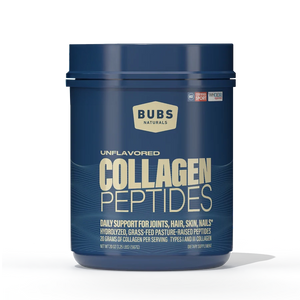
If you're already using Collagen Peptides to support your joints, adding vitamin C is a logical step. Collagen cannot be properly synthesized without it. Our Vitamin C supplement is designed to be the perfect partner for our Collagen Peptides, ensuring your body has the raw materials it needs to repair connective tissue.
Magnesium fits into this equation by managing the "software" of your muscles—the nerve signals that tell them to contract and relax. When you have both nutrients in your system, you are supporting both the structure (collagen/vitamin C) and the function (magnesium/energy) of your body.
Potential Side Effects and Precautions
While vitamin C and magnesium are very safe for most people, there are a few things to keep in mind.
Digestive Sensitivity
As mentioned, both can have a laxative effect if taken in excess. If you have a sensitive stomach, look for magnesium glycinate and take your vitamin C with a meal. Taking them on an empty stomach is possible but may lead to cramping or nausea in some individuals.
Kidney Health
If you have a history of kidney disease or kidney stones, you should consult your doctor before starting a high-dose supplement routine. The kidneys are responsible for filtering out excess magnesium and vitamin C. In some cases, very high doses of vitamin C can contribute to the formation of oxalate stones in susceptible people.
Medication Interactions
Magnesium can interfere with the absorption of certain antibiotics and osteoporosis medications (bisphosphonates). Vitamin C can interact with blood thinners or certain chemotherapy drugs. Always check with your healthcare provider if you are taking prescription medications.
Practical Tips for Your Routine
Getting the most out of your supplements doesn't have to be complicated. Here is how we recommend integrating these into a high-performance day:
-
Morning: Start your day with a glass of water and our Vitamin C. This provides antioxidant support for the day ahead and helps with energy levels.
-
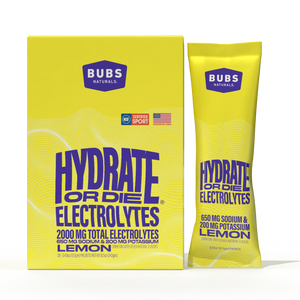
Mid-Day: If you use our Hydrate or Die electrolyte mix, you are already getting a balanced hit of electrolytes, which may include magnesium and other minerals to keep your hydration on point during training.
-
Evening: Take your magnesium about an hour before you plan to sleep. This helps your muscles relax and prepares your brain for deep, restorative rest.
-
Consistency is Key: Supplements aren't a "one-and-done" fix. Like training, the results come from showing up every day.
Bottom line: Taking vitamin C and magnesium together is a safe and effective way to support your immune system, improve your recovery time, and manage the physical toll of an active lifestyle.
The BUBS Naturals Mission
Everything we do is built on a foundation of quality and purpose. We named our company after Glen "BUB" Doherty, a Navy SEAL, hero, and friend who lived his life with an incredible sense of adventure and service. Our products are designed to help you live a life just as full.
We don't believe in shortcuts. That’s why we focus on clean, science-backed ingredients that actually work, and we live our 10% Rule by donating 10% of all our profits to veteran-focused charities in Glen’s honor. When you choose us, you aren't just buying a supplement; you're joining a mission to live better and give back.
If you are looking to simplify your routine while maximizing your results, pairing a high-quality magnesium with our Vitamin C is a solid move. It’s a simple, no-BS way to make sure your body has what it needs to keep moving forward.
FAQ
Is it better to take magnesium or vitamin C in the morning?
Vitamin C is generally better in the morning because it supports energy metabolism and provides antioxidant protection throughout your most active hours. Magnesium can be taken anytime, but many people prefer it in the evening due to its ability to promote relaxation and improve sleep quality.
Can I take vitamin C and magnesium on an empty stomach?
You can take them on an empty stomach, but it may cause digestive upset or nausea for some people. Taking these supplements with a meal usually improves tolerance and can help with the absorption of the nutrients. For more on smart pairing, see our What Should I Take Vitamin C With? guide.
Do vitamin C and magnesium interact with other minerals like calcium?
While vitamin C and magnesium do not compete with each other, magnesium and calcium can compete for absorption if taken in very high doses at the same time. If you supplement both minerals, it is often recommended to take them at different times of the day to ensure maximum uptake.
Can I mix powdered magnesium and vitamin C into the same drink?
Yes, you can mix powdered versions of both into a smoothie or a glass of water. They are chemically stable when mixed together and will not lose their potency; just be aware that some forms of magnesium can be slightly chalky or have a distinct taste.