Table of Contents
- Introduction
- Understanding the Trio: C, D, and B12
- The Interaction: Can You Take C and B12 Together?
- The Absorption Rule: Fat vs. Water
- Timing Your Stack for Peak Performance
- The Synergy of Vitamin D and B12
- Why Quality and Testing Matter
- Practical Scenarios: How to Build Your Routine
- The Role of "Hydrate or Die" in Vitamin Absorption
- Potential Side Effects of Over-Supplementing
- The BUBS Difference: Simple and Effective
- Maximizing the "Collagen Connection"
- Summary of Best Practices
- Conclusion
- FAQ
Introduction
Optimizing your morning routine often feels like prepping for a rucking expedition. You want everything packed and ready so you can move efficiently. When it comes to your supplement stack, it is tempting to take everything at once with a quick swig of water. If you are looking at a bottle of Vitamin C, a Vitamin D softgel, and a B12 dropper, you might wonder if they play well together in the same "pack."
At BUBS Naturals, we believe that wellness should be simple, but it also needs to be effective. Taking the right vitamins is only half the battle; ensuring your body actually absorbs them is where the real work happens. This guide will break down the interactions between Vitamin C, Vitamin D, and B12 so you can maximize your recovery and energy.
While you can technically take these three together, there are specific timing and pairing rules that can help you get the most out of every dose. We will look at why some vitamins need a bit of space and how others require a specific environment to do their best work.
Understanding the Trio: C, D, and B12
Before we look at how they interact, we need to understand what each of these heavy hitters does for your body. These three nutrients are often the foundation of an active person’s supplement routine because they support everything from immune function to cellular energy.
Vitamin C (Ascorbic Acid)
Vitamin C is a water-soluble antioxidant. This means it dissolves in water and your body does not store it in large amounts; any excess is typically flushed out through your urine. It is perhaps best known for supporting the immune system, but for the athlete or outdoor enthusiast, its role in collagen synthesis is even more critical. Vitamin C helps your body "knit" together the amino acids found in collagen, supporting the health of your joints, skin, and connective tissues.
Vitamin D (The Sunshine Vitamin)
Vitamin D is actually a pro-hormone rather than a traditional vitamin. Unlike Vitamin C, it is fat-soluble. Your body stores it in fatty tissues and the liver. It plays a massive role in bone health by helping you absorb calcium, but modern research suggests it is also vital for muscle function and hormone balance. Since many of us spend our days indoors or live in northern latitudes, Vitamin D deficiency is a common hurdle for maintaining peak performance.
Vitamin B12 (Cobalamin)
Vitamin B12 is another water-soluble nutrient, but it is unique because the body can store it in the liver for years. It is essential for red blood cell formation, nerve function, and DNA synthesis. If you find yourself feeling sluggish during a long training session, B12 is often a key factor because it helps convert the food you eat into glucose, which your body uses for energy.
The Interaction: Can You Take C and B12 Together?
The most common question regarding this stack is the relationship between Vitamin C and Vitamin B12. While they are both water-soluble, they do not always get along when they hit your stomach at the same time.
Some research indicates that high doses of Vitamin C can interfere with the way your body breaks down and absorbs Vitamin B12. In a high-acid environment—which Vitamin C (ascorbic acid) creates—the B12 molecule can become less stable. If you take them simultaneously in large amounts, you might actually be reducing the bioavailability of the B12.
Bioavailability is a term used to describe the proportion of a nutrient that enters the circulation when introduced into the body and is so able to have an active effect. To ensure high bioavailability, many experts recommend spacing these two out.
Quick Answer: Yes, you can take Vitamin C, D, and B12 on the same day, but it is best to space Vitamin C and B12 at least two hours apart. Vitamin D should always be taken with a meal containing fat to ensure proper absorption.
The Absorption Rule: Fat vs. Water
To understand why you might not want to toss all three back at once, you have to look at how they are transported through your system.
Water-Soluble Dynamics
Vitamin C and B12 are water-soluble. They generally move through the body easily and do not require food to be absorbed. However, B12 is a bit "picky." It requires a protein made by the stomach lining called intrinsic factor to be absorbed in the small intestine. Because Vitamin C is acidic, taking a massive dose of it right alongside B12 can potentially disrupt this process.
Fat-Soluble Dynamics
Vitamin D is a different beast entirely. Because it is fat-soluble, it requires dietary fat to move from your digestive tract into your bloodstream. If you take Vitamin D on an empty stomach with just a glass of water, much of it may simply pass through your system without being used.
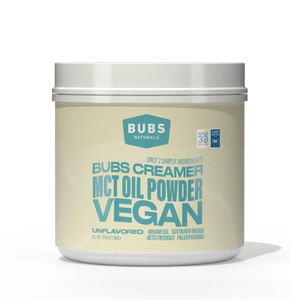
Key Takeaway: The "solvent" matters. Water-soluble vitamins like C and B12 need hydration, while fat-soluble vitamins like D need a carrier fat—such as avocado, eggs, or MCT Oil Powder—to be effectively utilized by the body.
Timing Your Stack for Peak Performance
If you are looking to maximize your results, timing is your best friend. A "dump and run" approach to supplements often leads to expensive waste. Here is how we recommend structuring these three vitamins into a daily routine that supports an active lifestyle.
The Morning Kickoff: Vitamin B12
Many people find Vitamin B12 to be energizing. Because it plays a role in energy metabolism, taking it in the morning can help set the tone for the day. Since it is water-soluble, you can take it as soon as you wake up. Taking it on an empty stomach often works well for B12, provided it doesn't cause you any digestive discomfort.
The Mid-Day Boost: Vitamin C
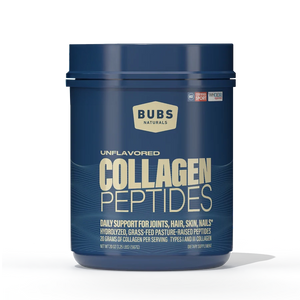
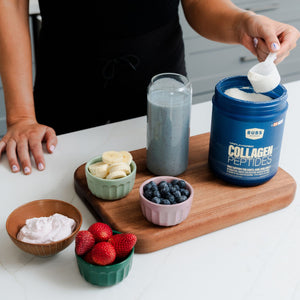
Since we want to avoid the B12 interaction, wait at least two hours before taking your Vitamin C. Mid-morning or with lunch is an excellent time. If you use a collagen supplement, this is also the perfect time to pair it with Vitamin C. Our Collagen Peptides mix effortlessly into morning coffee or a post-workout shake, and having Vitamin C present helps your body utilize those peptides to support your joints and recovery.
The Mealtime Anchor: Vitamin D
Vitamin D should be taken with your largest meal of the day, or at least a meal that contains healthy fats. If you are a fan of "bulletproof" style coffee in the morning, taking Vitamin D then works well because the fats from the butter or MCT oil act as the perfect vehicle for the vitamin. If you prefer a lighter breakfast, save the Vitamin D for dinner.
The Synergy of Vitamin D and B12
While Vitamin C and B12 have a bit of a rivalry, Vitamin D and B12 are excellent teammates. There is no known negative interaction between these two. In fact, many people who are deficient in one are often deficient in the other.
Taking Vitamin D and B12 together is perfectly fine. The only thing to remember is the fat requirement for the Vitamin D. If you take them both with a meal, you are covering all your bases without any risk of interference.
Myth: Taking all your vitamins at once is the most efficient way to ensure you don't forget them.
Fact: Taking certain vitamins together can lead to "competitive absorption," where one nutrient blocks another. Spacing them out ensures your body has the "bandwidth" to process each one individually.
Why Quality and Testing Matter
When you are pushing your body in the gym or on the trail, you need to know that what you are putting into your system is clean. The supplement industry is often filled with fillers, sugars, and low-quality ingredients that can cause more harm than good.
We built BUBS Naturals on the idea that "no BS" is the only way to operate. This is especially true for vitamins like Vitamin C and Vitamin D. Our products are third-party tested and many are NSF for Sport certified. This means that professional athletes and military personnel can trust that there are no banned substances or hidden junk in the bottle.
When you choose a clean Vitamin C or a high-purity Vitamin D, you are removing the barriers to absorption. Artificial colors and heavy fillers can irritate the gut lining, making it even harder for your body to pull those essential nutrients into your bloodstream.
Practical Scenarios: How to Build Your Routine
Let’s look at how this looks in the real world. You have a busy day ahead, a training session planned, and a stack of vitamins on the counter.
Scenario A: The Early Riser
-
06:00 AM: Wake up, drink 16oz of water with your Vitamin B12.
-
08:00 AM: Breakfast or "fatty" coffee. Take your Vitamin D here to ensure the fats help with absorption.
-
10:00 AM: Mid-morning hydration. This is a great time for Vitamin C. By now, the B12 is well on its way through your system, so there is no risk of interaction.
Scenario B: The Evening Trainer
-
08:00 AM: Take B12 with water.
-
12:00 PM: Lunch with Vitamin C.
-
06:00 PM: Post-workout dinner. Take Vitamin D with your meal.
Both of these routines respect the "2-hour rule" between C and B12 while ensuring the fat-soluble Vitamin D has the food it needs to work correctly.
The Role of "Hydrate or Die" in Vitamin Absorption
Water is the primary vehicle for water-soluble vitamins. If you are chronically dehydrated, your body will struggle to transport Vitamin C and B12 to the cells where they are needed. This is why hydration isn't just about quenching thirst; it’s about nutrient delivery.
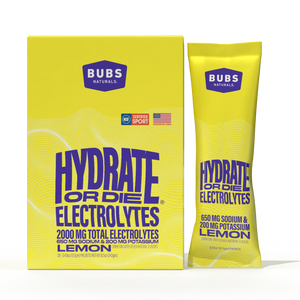
Our Hydrate or Die electrolytes are designed to ensure your cellular hydration is on point. By balancing your sodium, potassium, and magnesium levels, you create an environment where water-soluble vitamins can move efficiently. If you are taking B12 or Vitamin C, make sure you are also staying on top of your electrolyte game to keep the "transport lines" open. For a deeper dive into hydration, see our guide on optimal electrolyte use.
Potential Side Effects of Over-Supplementing
More is not always better. While Vitamin C and B12 are water-soluble and generally safe (because you pee out the excess), taking extreme doses can still cause issues. Too much Vitamin C can lead to loose stools or stomach cramping.
Vitamin D, being fat-soluble, can actually build up in your system over time. This is why it is important to follow the recommended dosages and, if possible, get your blood levels checked by a healthcare provider. They can tell you exactly how much Vitamin D you need to reach an optimal range without overdoing it.
Note: If you are taking prescription medications, especially blood thinners or heart medications, always consult with your doctor before starting a new vitamin regimen. Some vitamins can interact with the way these medications are metabolized.
The BUBS Difference: Simple and Effective
The philosophy at BUBS Naturals is rooted in the life of Glen "BUB" Doherty. He lived a life of high-performance adventure where every piece of gear had to serve a purpose. We apply that same logic to our supplements. We don’t add ingredients just for the sake of a long label.
Our commitment extends beyond the bottle, too. The BUBS 10% Rule is how we donate 10% of profits to veteran-focused charities, honoring Glen’s legacy through real impact.
Maximizing the "Collagen Connection"
We often get asked how our Collagen Peptides fit into this vitamin stack. Collagen is the most abundant protein in the body, but your body cannot build it effectively without Vitamin C.
If you are taking Vitamin C to support your immune system, you are also providing the "engine" for collagen production. By taking your Vitamin C around the same time you take our Collagen Peptides, you are giving your body the raw materials (amino acids) and the tool (Vitamin C) it needs to maintain healthy tendons, ligaments, and skin. If you want a deeper look at the science behind this, read our guide on what helps your body produce collagen naturally.
Just remember: if you take your collagen and Vitamin C in the morning, make sure you have already cleared that 2-hour window from your B12 dose.
Summary of Best Practices
To wrap things up, let's simplify the rules of the road for your C, D, and B12 stack:
-
Space C and B12: Give them two hours of distance to avoid absorption interference.
-
Fat for D: Always take Vitamin D with food or a source of healthy fat like MCT Oil Powder.
-
AM for B12: Most people benefit from the energy-boosting properties of B12 early in the day.
-
Consistency is King: The best supplement routine is the one you actually follow. Find a rhythm that fits your lifestyle.
Bottom line: Taking Vitamin C, D, and B12 together is safe and effective as long as you respect the basic rules of digestive chemistry. By spacing out your water-soluble nutrients and pairing your fat-soluble ones with a meal, you ensure that your body gets every bit of support these vitamins offer.
Conclusion
Building a supplement stack doesn't have to be a science experiment. By understanding that Vitamin C and B12 need a little breathing room, and that Vitamin D needs a fatty "escort," you can move through your day with confidence. Whether you are prepping for a marathon, a deployment, or just a busy week at the office, these nutrients are there to support your foundation.
At BUBS Naturals, we are committed to providing the cleanest, most effective tools for your journey. We believe in high-trust, high-quality products that help you feel your best so you can do your best. And remember, with every scoop or capsule, you are helping us give back to those who have served through our 10% Rule.
Live a life of purpose, keep your routine simple, and never stop moving forward.
FAQ
Can I take Vitamin C and B12 in the same multivitamin?
Yes, many multivitamins contain both. While there is a potential for Vitamin C to reduce B12 absorption, the dosages in a standard multivitamin are usually balanced to minimize this effect. However, if you are taking high-dose individual supplements, the 2-hour spacing rule is much more important for maximizing bioavailability.
Does it matter what time of day I take Vitamin D?
The time of day is less important than what you eat with it. Vitamin D is fat-soluble, so it must be taken with a meal containing fats like avocado, nuts, or oil to be absorbed. Many people take it with breakfast or lunch to help them remember, but dinner works just as well if it is a larger meal.
Why should I take B12 on an empty stomach?
Vitamin B12 is water-soluble and often absorbs best when it doesn't have to compete with other food particles in the stomach. However, the most critical factor for B12 is its interaction with Vitamin C. If taking it on an empty stomach makes you feel nauseous, it is perfectly fine to take it with a light, low-acid snack.
Will Vitamin C help my collagen supplement work better?
Yes, Vitamin C is a necessary cofactor for collagen synthesis. It helps the body convert the amino acids from collagen peptides into functional collagen fibers in your joints and skin. For the best results, we recommend taking your Vitamin C supplement around the same time you consume your BUBS Naturals Collagen Peptides.