Table of Contents
- Introduction
- Understanding Statins and How They Work
- The Role of Vitamin C in an Active Lifestyle
- Can You Take Vitamin C With Statins?
- Potential Benefits of the Combination
- Navigating the Niacin Nuance
- Choosing the Right Vitamin C Supplement
- Practical Tips for Taking Vitamin C and Statins
- Monitoring Your Progress
- The Broader Wellness Picture
- Summary of Safety Considerations
- Conclusion
- FAQ
Introduction
Many of us take proactive steps to manage our heart health, often starting with a conversation with a doctor about cholesterol. For millions of Americans, that journey includes a prescription for statins. At the same time, we look to supplements like Vitamin C to support our immune systems, skin health, and overall vitality. At BUBS Naturals, we believe that staying informed about how your supplements interact with your lifestyle is a critical part of being your own best advocate.
This guide explores the relationship between Vitamin C and statins, looking at the safety profile, potential benefits, and the science behind their interaction. We will cover why people take these two together and what you should mention to your healthcare provider. Understanding the basics of how these substances work in your body helps you maintain an active and healthy routine.
Understanding Statins and How They Work
Statins are a class of medications designed to help lower low-density lipoprotein (LDL) cholesterol, often called "bad" cholesterol. They work by blocking an enzyme in your liver that your body needs to create cholesterol. By reducing the amount of cholesterol circulating in your blood, these medications may help decrease the risk of heart-related issues. Common examples include atorvastatin, simvastatin, and rosuvastatin.
While statins are highly effective, they are often part of a broader health strategy. This strategy usually includes regular exercise, a balanced diet, and sometimes other supplements. Because statins change how your liver processes certain substances, it is natural to wonder if adding a powerful antioxidant like Vitamin C will help or hinder the process.
The Role of Vitamin C in an Active Lifestyle
Vitamin C, also known as ascorbic acid, is a water-soluble vitamin that plays dozens of roles in the human body. It is perhaps best known for supporting the immune system, but its benefits go much deeper. It is a vital precursor to collagen production, which supports the health of your joints, skin, and connective tissues. For those of us who stay active, maintaining these structures is a top priority.
As an antioxidant, Vitamin C helps protect your cells from oxidative stress. This stress occurs when unstable molecules called free radicals damage your cells. Exercise, while beneficial, naturally creates oxidative stress. Supplements can help provide the defense your body needs to recover and stay in the game.
Quick Answer: Yes, you can generally take Vitamin C with statins, as there is no widespread evidence of a direct negative interaction for most people. However, high doses of antioxidants may occasionally interfere with specific combinations of statins and niacin, so you should always confirm your supplement plan with a doctor.
Can You Take Vitamin C With Statins?
The short answer for most people is yes. General medical consensus suggests that standard doses of Vitamin C do not negatively interact with the way statins lower cholesterol. In fact, many people take a daily multivitamin or a dedicated Vitamin C supplement while on cholesterol medication without any issues.
However, the "why" and "how" matter. The concern regarding Vitamin C and statins usually stems from older studies involving a combination of statins and niacin (Vitamin B3). Some research suggested that high doses of antioxidants, including Vitamin C and Vitamin E, might blunt the positive effects that the statin-niacin combo had on "good" HDL cholesterol. If you are taking a statin alone, this specific concern is usually less relevant, but it highlights why dosage and specific medication blends matter.
Potential Benefits of the Combination
Taking Vitamin C while on statins might offer some unique advantages for your overall wellness. Some researchers have looked into whether Vitamin C can support endothelial function. The endothelium is the thin membrane lining the inside of the heart and blood vessels. Healthy endothelial function is a cornerstone of cardiovascular wellness.
Statins help by lowering the raw materials for plaque, while Vitamin C may support the structural integrity and flexibility of the blood vessels. When your blood vessels are healthy and flexible, your heart does not have to work as hard to move blood through your system. This synergy supports a long-term goal of heart health and physical performance.
Antioxidant Support and Muscle Health
A common side effect of statins reported by some users is muscle discomfort or weakness. While the exact cause is often debated, some theories suggest it may be related to oxidative stress or changes in cell energy production. Because Vitamin C is a potent antioxidant, it may help the body manage general oxidative stress.
While Vitamin C is not a cure for medication side effects, maintaining optimal vitamin levels is part of a foundation for muscle recovery. For athletes and active adults, ensuring that the body has the tools it needs to repair tissue is essential. This is where a clean, high-quality supplement routine becomes a valuable asset.
Key Takeaway: While Vitamin C does not replace the function of statins, it supports the body's natural defense systems and structural proteins, which may complement a heart-healthy lifestyle.
Navigating the Niacin Nuance
It is important to distinguish between taking a statin alone and taking a statin combined with niacin. Niacin is another B vitamin often used to help manage cholesterol. In some clinical trials, researchers found that when patients took a combination of simvastatin and niacin, adding large doses of Vitamin C and Vitamin E seemed to reduce the expected rise in HDL (good) cholesterol.
If your doctor has prescribed a niacin-statin combination, you should be particularly careful with high-dose antioxidant supplements. For the average person taking a standard statin like Lipitor (atorvastatin) without niacin, this interaction is generally not a primary concern. Still, the lesson here is that more is not always better. Sticking to recommended daily allowances or moderate supplemental doses is usually the safest path.
Choosing the Right Vitamin C Supplement
Not all supplements are created equal. When you are taking prescription medication, you want to ensure that your supplements are as clean as possible. You should look for products that avoid unnecessary fillers, artificial colors, or "BS" ingredients that don't serve your health goals.
Our Vitamin C is designed with this philosophy in mind. It provides 500 mg of Vitamin C per serving, which is a potent but sensible amount for daily support. We also include citrus bioflavonoids. These are naturally occurring compounds found in citrus fruits that may help your body absorb and utilize Vitamin C more effectively. By mimicking how the vitamin is found in nature, we provide a product that works with your body, not against it.
The Importance of Third-Party Testing
When you are on a medication like a statin, the purity of your supplements is non-negotiable. You want to know that what is on the label is exactly what is in the bottle. This is why we prioritize third-party testing. It provides an extra layer of security, ensuring that there are no contaminants or unlisted ingredients that could interfere with your health or your medications.
Practical Tips for Taking Vitamin C and Statins
If you and your doctor have decided that taking Vitamin C alongside your statin is right for you, a few practical tips can help you get the most out of your routine. Consistency is the foundation of any wellness habit.
Timing Your Dosage
Most people find it easiest to take their supplements at the same time every day. Statins are often taken in the evening because the liver produces the most cholesterol while you sleep. Vitamin C, on the other hand, can be taken at any time. Many people prefer taking it in the morning to kickstart their day. Since Vitamin C is water-soluble, it is best taken with a glass of water.
Hydration and Absorption
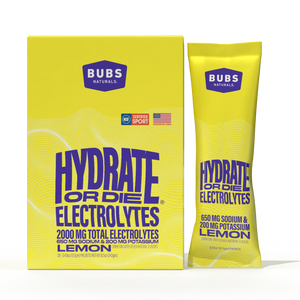
Hydration is a key part of how your body processes both medications and vitamins. When you are well-hydrated, your kidneys and liver can function at their peak. We often recommend pairing your supplement routine with an electrolyte solution like our Hydrate or Die. Proper hydration ensures that water-soluble vitamins like Vitamin C are transported effectively throughout your system.
For a deeper dive into how electrolytes fit into a clean hydration routine, you can also explore our guide on smart hydration and electrolyte water.
Myth: Taking Vitamin C will make your statin stop working.
Fact: There is no evidence that Vitamin C prevents statins from lowering LDL cholesterol. The only noted interaction involved a specific combination with niacin and its effect on HDL cholesterol.
Monitoring Your Progress
Whenever you add something new to your routine, it is wise to pay attention to how you feel. While Vitamin C is generally very well-tolerated, everyone's body is unique. Notice if you have any changes in digestion or energy levels. Most people find that a moderate dose of Vitamin C supports their energy and recovery without any negative feedback.
Keep a log of your supplements and share it with your doctor during your regular check-ups. They can look at your blood work—specifically your cholesterol panels and liver enzymes—to ensure that everything is moving in the right direction. This collaborative approach is the best way to manage a long-term wellness plan.
The Broader Wellness Picture
Supplements are just one piece of the puzzle. If you are taking statins, you are likely already focused on your cardiovascular health. To support the work your medication is doing, focus on the fundamentals:
-
Move Your Body: Aim for a mix of strength training and cardiovascular exercise. This helps maintain a healthy weight and supports heart function.
-
Eat Real Food: Focus on whole grains, lean proteins, and plenty of vegetables.
-
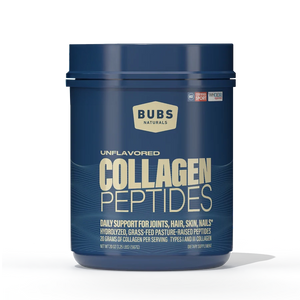
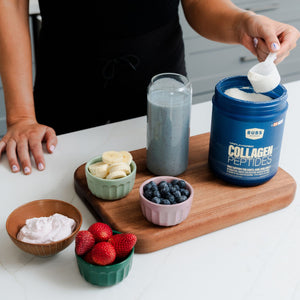
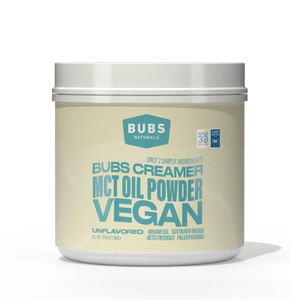
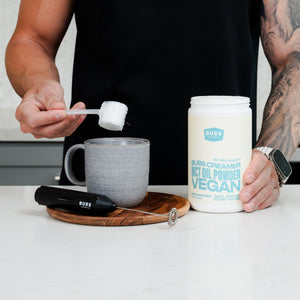
Prioritize Recovery: Use tools like Collagen Peptides or MCT Oil Powder to support your joints and brain health as you age.
-
Stay Hydrated: Water and electrolytes keep your cells functioning properly and help your body process supplements efficiently.
If you want to learn more about how Vitamin C and collagen work together, check out our article on the best supplement to pair with collagen for joint and immune health.
We are committed to providing the clean, functional tools you need to support this lifestyle. Whether it's our grass-fed collagen for joint support or our clean-sourced Vitamin C, our goal is to help you live a life full of adventure and purpose.
Summary of Safety Considerations
Before you start any new supplement, especially when on prescription medication, consider the following checklist:
-
Consult Your Doctor: This is the most important step. Your medical history is unique.
-
Check Your Dosage: Stick to the recommended serving sizes unless otherwise directed by a professional.
-
Identify Your Meds: Know if you are taking a plain statin or a combination pill that includes niacin.
-
Quality Matters: Choose supplements that are transparent about their ingredients and testing.
By following these steps, you can feel confident in your routine. Taking control of your health shouldn't be complicated. It should be about simple, clean choices that add up over time.
Conclusion
Navigating the world of supplements and medications can feel overwhelming, but it doesn't have to be. For most people, taking Vitamin C with statins is a safe and effective way to support overall wellness, immune function, and collagen production. While specific combinations like niacin require a bit more caution, the general rule is that these two can coexist in a healthy routine.
At BUBS Naturals, our mission is rooted in the legacy of Glen "BUB" Doherty. He lived a life of high performance, adventure, and service. You can read more about our story and the purpose behind the brand. We carry that spirit forward by creating products that are as tough and reliable as the people who use them. We are also proud to donate 10% of all our profits to veteran-focused charities, ensuring that your journey toward health also supports a greater cause.
If you are looking for a clean, effective way to boost your daily nutrient intake, consider exploring our Boosts collection and adding our Vitamin C to your morning ritual. It is a simple step that may support your long-term wellness goals. Stay active, stay informed, and keep pushing forward.
FAQ
Can I take Vitamin C at the same time as my statin?
Yes, you can generally take them at the same time, but many people prefer to space them out. Since statins are often taken at night and Vitamin C is frequently taken in the morning, a natural separation usually occurs. There is no evidence that taking them together causes a negative chemical reaction in the stomach.
Does Vitamin C cause side effects when mixed with Lipitor?
There are no documented side effects specifically caused by mixing Vitamin C with Lipitor (atorvastatin). However, extremely high doses of Vitamin C can sometimes cause digestive upset or diarrhea in some individuals, regardless of whether they are taking a statin. Always stick to the recommended dosage on the supplement bottle.
Will Vitamin C interfere with my cholesterol test results?
Vitamin C is not known to interfere with the accuracy of standard cholesterol blood tests (lipid panels). It is always a good idea to inform the lab technician or your doctor about all the supplements you are taking before a blood draw. This ensures they have the full context of your health profile when interpreting your results.
How much Vitamin C is safe to take with statins?
For most adults, a supplemental dose of 500 mg to 1,000 mg is considered safe and effective. While the upper limit for Vitamin C is generally 2,000 mg per day, staying within a moderate range is usually best when managing other medications. Always verify the specific amount with your healthcare provider to ensure it aligns with your heart health goals.