Table of Contents
- Introduction
- The Science of Vitamin C and Sun Exposure
- Why Summer Demands More Collagen Support
- Managing Heat Stress and Physical Performance
- Internal vs. Topical Vitamin C: Which Is Better for Summer?
- How to Optimize Your Vitamin C Intake in Summer
- The Synergy: Vitamin C, Collagen, and MCT Oil
- Safety and Practical Tips for Summer Supplements
- Conclusion
- FAQ
Quick Answer: Yes, vitamin C is essential in summer because it acts as a powerful antioxidant that helps neutralize free radicals caused by UV exposure. It also supports collagen production to help repair sun-stressed skin and maintains immune health during periods of high physical activity and heat.
Introduction
As the days get longer and the sun gets stronger, your daily routine naturally shifts toward the outdoors. Whether you are hitting the trails, surfing at sunrise, or training in a humid garage gym, your body faces unique environmental stressors during the summer months. The combination of intense heat and increased ultraviolet (UV) radiation can take a toll on your skin, your energy levels, and your overall recovery.
At BUBS Naturals, we believe in providing your body with the clean, effective tools it needs to thrive in every season. Vitamin C is often thought of as a winter-only supplement for the "cold and flu" season. However, this powerhouse nutrient is arguably just as critical when the temperature rises. It plays a key role in everything from skin protection to the synthesis of the structural proteins that keep your joints moving, which is why our Vitamin C supplement fits so naturally into a summer routine.
This guide explores why vitamin C is a vital part of your summer wellness stack. We will break down how it interacts with the sun, why it is essential for collagen health, and how it helps you stay resilient during your summer adventures. This is about more than just avoiding a summer cold; it is about protecting your body from the inside out.
The Science of Vitamin C and Sun Exposure
When you spend time under the summer sun, your skin is bombarded by UV rays. While some sun exposure is great for vitamin D production, too much leads to a process called oxidative stress. This happens when UV light generates free radicals in your skin cells. Free radicals are unstable molecules that can damage DNA, cell membranes, and proteins like collagen.
Vitamin C is an antioxidant, which means its primary job is to "scavenge" or neutralize these free radicals. Think of it as a secondary line of defense behind your sunscreen. While sunscreen blocks the rays, vitamin C helps clean up the biological mess left behind by the rays that do make it through. This process is vital for maintaining the integrity of your skin and preventing the appearance of premature aging.
Many people assume that because vitamin C is "acidic" (ascorbic acid), it might make skin more sensitive to the sun. In reality, the opposite is true. While you should always wear high-quality SPF, having adequate levels of vitamin C in your system helps your skin better tolerate the environmental stress of a summer day. It supports the skin’s natural barrier and helps maintain a healthy response to inflammation.
Key Takeaway: Vitamin C acts as a biological shield by neutralizing free radicals produced by UV radiation. This helps mitigate oxidative stress and supports your skin's natural resilience against sun damage.
Why Summer Demands More Collagen Support
Collagen is the most abundant protein in your body. It is the "glue" that holds your skin, tendons, and ligaments together. One of the most significant downsides of summer sun exposure is that UV radiation actually triggers the breakdown of collagen fibers. This is why long-term sun exposure often leads to skin that looks thin, wrinkled, or saggy—a process known as photoaging.
Vitamin C is a non-negotiable co-factor for collagen synthesis. Your body cannot physically produce collagen without it. It acts as the "key" that turns on the enzymes responsible for building the triple-helix structure of collagen fibers. When you combine increased sun-driven collagen breakdown with a potential vitamin C deficiency, your recovery and skin health can suffer.
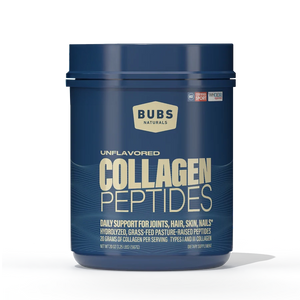
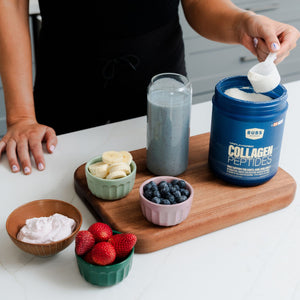
If you are already using a high-quality supplement like our Collagen Peptides, adding vitamin C is like adding high-octane fuel to the fire. It ensures that the amino acids you are consuming are actually being utilized to rebuild and repair your tissues. For an active person, this means better support for your joints after a long summer hike and faster recovery for your skin after a day on the water.
Myth: Vitamin C should only be used in the winter to fight off colds.
Fact: Vitamin C is essential in the summer because UV rays actively break down collagen, and vitamin C is required to rebuild and protect those protein fibers.
Managing Heat Stress and Physical Performance
Summer training often means dealing with heat stress. When you train in the heat, your heart rate increases, your core temperature rises, and your body works significantly harder to maintain homeostasis—its internal balance. This physical stress increases the production of metabolic waste and free radicals, even without the sun's influence.
Research suggests that vitamin C may support the body's ability to acclimate to high temperatures. Some studies have shown that consistent intake of vitamin C can help lower the body’s heat-load response and support the sweat glands. This doesn't mean you can skip the water, but it does mean your body might become more efficient at cooling itself down over time.
Additionally, summer is often the season of peak activity. You might be doubling up on sessions or spending your weekends on high-energy adventures. This puts a constant demand on your immune system. Vitamin C supports the production of white blood cells and helps them function more effectively. Keeping your immune system robust means you spend more time on the trail and less time sidelined by fatigue.
Vitamin C and Hydration Synergy
Hydration is the most critical factor for summer performance. However, hydration is not just about water; it is about the balance of electrolytes and the health of your cells. Vitamin C supports the integrity of cellular membranes, which helps your cells manage the exchange of fluids and nutrients more effectively.
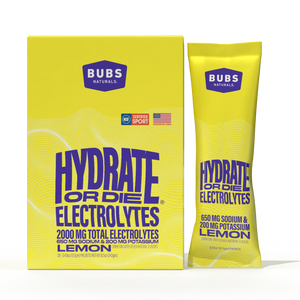
When you use an electrolyte formula like our Hydrate or Die electrolytes, you are providing your body with the salts it needs to hold onto water. Adding vitamin C to this routine provides the antioxidant support needed to handle the metabolic "exhaust" produced by exercising in the heat. It is a comprehensive approach to summer performance that covers both fluid balance and cellular protection.
Internal vs. Topical Vitamin C: Which Is Better for Summer?
You will often see vitamin C in the form of face serums and creams. These are popular in the summer for brightening the skin and fading dark spots. While topical vitamin C is excellent for the surface layers of the skin, it has limitations. It cannot reach your joints, your internal organs, or the deeper layers of your dermis where the most significant collagen production occurs.
Internal vitamin C—whether from food or supplements—provides systemic support. It travels through your bloodstream to every tissue in your body. This is crucial for an active lifestyle. While a serum might help your face look better, an internal supplement helps your knees, your heart, and your overall energy levels.
The best approach is often a combination of both. Use a topical serum for targeted skin brightness, but rely on high-quality internal sources to ensure your entire body has the building blocks it needs. If you want to keep your stack simple, the broader Boosts collection makes it easy to build around the products you use most. Our Vitamin C supplement provides 500 mg of ascorbic acid paired with citrus bioflavonoids. These bioflavonoids are natural compounds found in fruit that help improve the absorption and effectiveness of the vitamin.
| Feature |
Topical Vitamin C |
Internal Vitamin C (Supplement/Food) |
| Primary Goal |
Surface skin brightness & dark spots |
Systemic antioxidant & collagen support |
| Joint Support |
None |
High (supports ligament & tendon repair) |
| UV Defense |
Protects the epidermis (top layer) |
Supports deep dermis & DNA protection |
| Immune Health |
None |
High (supports white blood cell function) |
| Best For |
Anti-aging skincare routine |
Total body recovery and performance |
Bottom line: While topical serums are great for skin appearance, internal vitamin C is necessary for total body protection and collagen production during active summer months.
How to Optimize Your Vitamin C Intake in Summer
Consistency is the most important factor when it comes to vitamin C. Because it is a water-soluble vitamin, your body does not store it for long periods like it does with fat-soluble vitamins (like A, D, or E). Any excess is flushed out through your urine within a few hours. This means you need a steady supply throughout the day to keep your levels stable.
Focus on Real Food Sources
Summer is the best time to find fresh, vitamin-rich produce. Incorporating these into your meals is a great way to bolster your levels naturally:
-
Bell Peppers: One red bell pepper actually contains more vitamin C than an orange.
-
Citrus Fruits: Lemons, limes, and oranges are classic sources that are also refreshing in summer drinks.
-
Strawberries and Kiwis: These are packed with antioxidants and make for perfect summer snacks.
-
Dark Leafy Greens: Kale and spinach provide vitamin C along with other essential minerals.
Strategic Supplementation
If you are training hard, you may need more than what you get from food alone. The physical demand of summer activities can deplete your levels faster than usual. Taking a supplement in the morning is a great way to start your day with a "safety net" of protection.
Our Vitamin C is designed to be simple and effective. By providing 500 mg, we give you a potent dose that your body can actually use without overwhelming your system. We also include bioflavonoids because we believe in using ingredients that mimic how they appear in nature. Nature doesn't provide isolated ascorbic acid; it provides it as part of a complex nutrient profile. We follow that same logic.
Note: If you are planning a long day at the beach or a multi-hour hike, consider splitting your vitamin C intake. Take half in the morning and half in the afternoon to keep your antioxidant levels high while you are under the sun.
The Synergy: Vitamin C, Collagen, and MCT Oil
To get the most out of your summer wellness routine, think about how your supplements work together. We often talk about the "BUBS stack" because our products are designed to complement one another. In the summer, this synergy is particularly powerful.
-
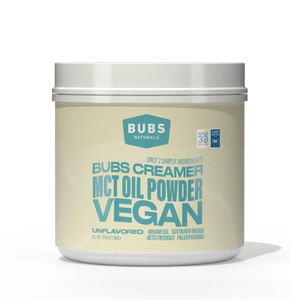
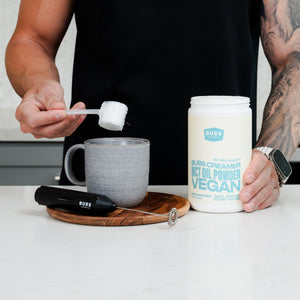
MCT Oil for Mental Clarity: Summer heat can lead to "brain fog" and fatigue. Our MCT Oil Powder provides clean, coconut-sourced energy that helps keep your mind sharp even when the temperature rises.
-
Collagen for Structural Integrity: As the sun breaks down your natural collagen, our grass-fed Collagen Peptides provide the amino acids needed to rebuild.
-
Vitamin C as the Catalyst: Vitamin C acts as the spark plug that allows the collagen to be synthesized. It also protects the MCTs from oxidation, ensuring you get the most out of your energy source.
This combination supports the three pillars of summer performance: energy, recovery, and protection. When you have all three working together, you aren't just surviving the heat—you are thriving in it.
Safety and Practical Tips for Summer Supplements
While vitamin C is incredibly safe, there are a few practical things to keep in mind to ensure you get the best results.
Store Your Supplements Properly
Heat and light are the enemies of supplement stability. If you leave your vitamin C bottle in a hot car or on a sunny windowsill, the potency can decrease. Vitamin C is particularly sensitive to oxidation. Keep your BUBS Naturals containers in a cool, dry, and dark place to ensure every scoop or capsule is as effective as the first.
Listen to Your Digestion
Some people find that very high doses of vitamin C (several thousand milligrams) can cause digestive upset or "flushing." This is why we stick to a sensible 500 mg dose. It is effective for the vast majority of people without causing the stomach issues that can ruin a summer day. If you have a sensitive stomach, try taking your vitamin C with a light summer meal or a smoothie.
Timing Your Intake
For athletes, timing can make a difference. Taking vitamin C shortly after a workout may help manage the oxidative stress caused by the training session. However, some evidence suggests that extremely high doses of antioxidants immediately before a workout might slightly blatten the "training effect" (the stress that tells your muscles to grow stronger). A good middle ground is taking your vitamin C with breakfast or as part of your post-workout recovery meal.
Key Takeaway: Protect your supplements from summer heat and focus on consistent, moderate dosing rather than massive single doses to avoid digestive issues and maximize absorption.
Conclusion
Summer is a season of action, but that action comes with a metabolic cost. Between the UV radiation breaking down your collagen and the heat stress taxing your recovery, your body needs extra support. Vitamin C is one of the most versatile tools in your kit. It protects your skin, fuels your collagen production, and helps your immune system stay strong while you pursue your next adventure.
At BUBS Naturals, we are committed to providing supplements that are as clean and hardworking as you are. Our Vitamin C supplement is third-party tested and crafted with the same dedication to quality that we put into every product we make. We don't believe in fillers or "BS" ingredients—just the simple, science-backed nutrients you need to stay in the game.
We also believe that wellness should have a higher purpose. That is why we donate 10% of all our profits to veteran-focused charities. This mission honors the legacy of Glen "BUB" Doherty, a man who lived his life with intensity, purpose, and a love for adventure. When you choose us, you are not just supporting your own health; you are helping us give back to the community that Glen cared about so deeply.
Make vitamin C a permanent part of your summer routine. Stay protected, stay active, and keep pushing your limits.
FAQ
Does vitamin C make your skin more sensitive to the sun?
No, vitamin C does not cause photosensitivity or make you more likely to burn. In fact, it is an antioxidant that helps neutralize the free radicals caused by UV rays, meaning it can actually help protect your skin from the effects of sun damage when used alongside a quality sunscreen.
Should I take more vitamin C in the summer than in the winter?
While vitamin C is important year-round, your body faces different stressors in the summer, such as UV radiation and heat stress. If you are very active outdoors or spend a lot of time in the sun, your body may utilize its vitamin C stores faster to combat oxidative stress, making consistent supplementation particularly beneficial during these months. If you want to read more about how electrolyte balance fits into that picture, see our article on electrolytes and water retention.
Can I take vitamin C and collagen together in the summer?
Yes, taking them together is highly recommended. Vitamin C is a mandatory co-factor for collagen synthesis, meaning your body needs it to effectively use the collagen peptides you consume to repair skin and joint tissue that may be stressed by summer activities.
Is it better to get vitamin C from food or supplements during the summer?
A combination of both is ideal. Fresh summer produce like bell peppers and citrus provides a variety of nutrients, while a supplement like BUBS Naturals Vitamin C ensures you get a consistent, potent dose of 500 mg to meet the increased antioxidant demands of an active outdoor lifestyle. For more ideas on how BUBS products fit together, explore the MCT oil and coconut oil comparison and see how it pairs with the rest of your routine.