Table of Contents
- Introduction
- What Exactly Is Apple Cider Vinegar?
- How ACV Affects Vitamin Absorption
- Pairing Specific Vitamins with ACV
- The Form of ACV Matters
- Potential Side Effects and Precautions
- Integrating ACV into Your Fitness Routine
- Best Practices for Taking Vitamins with ACV
- Can ACV Replace Any Vitamins?
- Practical Scenarios for Your Routine
- Conclusion
- FAQ
Introduction
You are standing in your kitchen, morning light hitting the counter, and you are staring at a lineup of supplements. You have your multivitamin, maybe some extra Vitamin D, and that bottle of apple cider vinegar (ACV) you’ve been meaning to make a habit. A common question arises: can you take them all at once, or is the acidity of the vinegar going to ruin the vitamins you just paid for?
Combining your daily supplement routine with apple cider vinegar is a common practice for many wellness enthusiasts. At BUBS Naturals, we believe that your routine should be as effective as it is simple. This guide will explore the safety, potential benefits, and best practices for taking vitamins alongside apple cider vinegar. For a convenient option, our Apple Cider Vinegar Gummies fit easily into a daily stack.
We will break down how the acidity of ACV affects nutrient absorption, which vitamins pair best with it, and how to avoid common pitfalls like tooth enamel erosion or stomach upset. Taking vitamins with apple cider vinegar is generally safe and may even support the absorption of specific minerals, provided you follow a few basic rules to protect your digestive system.
Quick Answer: Yes, you can safely take vitamins with apple cider vinegar. In fact, the acetic acid in ACV may help your body break down and absorb certain minerals like calcium and iron more effectively by increasing stomach acidity.
What Exactly Is Apple Cider Vinegar?
Before we talk about mixing it with your vitamins, it is helpful to understand what ACV actually is. Apple cider vinegar is essentially fermented apple juice. The process involves two steps. First, crushed apples are exposed to yeast, which ferments the sugars and turns them into alcohol. Second, bacteria are added to the alcohol, fermenting it further into acetic acid.
Acetic acid is the "active" component of vinegar. It gives ACV its strong smell and sour taste. When you buy raw, unfiltered ACV, you will often see a cloudy substance at the bottom of the bottle known as "the mother." This is a combination of yeast and bacteria formed during fermentation. Many people believe "the mother" is responsible for most of the health benefits, as it contains small amounts of proteins, enzymes, and friendly bacteria.
Beyond acetic acid, apple cider vinegar contains small amounts of potassium, amino acids, and antioxidants. It is naturally acidic, with a pH usually falling between 2 and 3. This acidity is the primary reason why people wonder about its interaction with vitamins.
How ACV Affects Vitamin Absorption
The human stomach is a naturally acidic environment. This acidity is necessary for digestion. It helps break down proteins and allows your body to extract nutrients from the food you eat. When you take vitamins, they also rely on this acidic environment to break down and become "bioavailable," which means they are in a form your body can actually use.
For some people, stomach acid levels can be lower than optimal. This can happen due to age, stress, or certain dietary habits. When stomach acid is low, you might not absorb minerals like iron, calcium, or magnesium as efficiently. Because apple cider vinegar is acidic, taking a small amount before or with a meal may help lower the pH of your stomach. This can create a more favorable environment for nutrient breakdown.
The Role of Bioavailability
Bioavailability refers to the proportion of a nutrient that enters the circulation when introduced into the body and is so able to have an active effect. Not all vitamins are created equal, and not all are absorbed the same way.
Taking ACV might improve the bioavailability of certain minerals. For example, calcium requires an acidic environment to dissolve. If you take a calcium supplement with a diluted shot of ACV, you may be helping your body process that mineral more effectively. The same logic applies to iron and magnesium.
Key Takeaway: The acetic acid in apple cider vinegar can support a healthy digestive environment. By slightly increasing stomach acidity, it may help the body more efficiently break down and absorb specific minerals that require a low pH for maximum bioavailability.
Pairing Specific Vitamins with ACV
Not every vitamin reacts to acidity in the same way. To get the most out of your routine, it helps to know how different categories of nutrients interact with a fermented liquid like ACV.
Water-Soluble Vitamins (B-Complex and Vitamin C)
Water-soluble vitamins dissolve in water and are not stored in the body for long periods. These include Vitamin C and all the B vitamins. Generally, these are very safe to take with apple cider vinegar. If you want a deeper look at the nutrient itself, see our guide to Vitamin C.
Vitamin C is an acid itself (ascorbic acid). Taking it with another acid like ACV does not usually cause a conflict. In fact, some evidence suggests that an acidic environment helps keep Vitamin C stable during the digestive process. B vitamins are also quite hardy in the face of vinegar. Taking your B-complex with your morning ACV routine is a fine way to kickstart your energy levels.
Fat-Soluble Vitamins (A, D, E, and K)
Fat-soluble vitamins are different. They require dietary fat to be absorbed properly. They are stored in the body’s fatty tissue and liver. Apple cider vinegar contains zero fat.
If you take your Vitamin D or Vitamin E with just a glass of ACV and water, you are likely missing out on the full benefits of those vitamins. To ensure these nutrients are absorbed, you should take them with a meal that contains healthy fats, such as avocado, eggs, or nuts. The ACV won't hurt the absorption, but it won't help it either if there is no fat present.
Minerals (Iron, Calcium, Zinc, and Magnesium)
This is where the combination of vitamins and apple cider vinegar really shines. Minerals often require a very acidic environment to be ionized and absorbed in the small intestine.
-
Iron: Many people struggle with iron absorption. Taking iron with an acidic substance (like Vitamin C or ACV) can significantly improve how much iron your body takes in.
-
Calcium: Older adults often have lower stomach acid, making calcium carbonate supplements harder to digest. ACV may provide the extra acidic "nudge" needed to break those supplements down.
-
Magnesium: Similar to calcium, magnesium thrives in an acidic environment for better transport into the bloodstream.
The Form of ACV Matters
How you consume your apple cider vinegar changes the "safety" profile of taking it with vitamins. Most people choose between liquid ACV or gummy supplements.
Liquid Apple Cider Vinegar
The traditional way to take ACV is to mix one or two tablespoons into a large glass of water. This is effective, but it comes with risks. Pure vinegar is hard on the esophagus and can strip the enamel off your teeth over time. If you choose this route, always dilute it. Drinking it through a straw can also help keep the acid away from your teeth.
Apple Cider Vinegar Gummies
For those who can’t stand the taste of liquid vinegar or worry about their teeth, gummies are an excellent alternative. Our Apple Cider Vinegar Gummies are made with liquid ACV including "the Mother" but come in a form that is much easier on your palate and your tooth enamel.
Taking gummies alongside your other vitamins is often more convenient. You don't have to worry about mixing or measuring, and you still get the benefits of the acetic acid and the probiotics found in the mother. When you use a high-quality gummy, you are essentially getting a measured dose of ACV that fits perfectly into a morning supplement stack.
Potential Side Effects and Precautions
While it is safe for most people to combine these two, there are a few things to watch out for. Everyone's digestive system is different, and what works for one person might cause discomfort for another.
Stomach Sensitivity
If you have a history of stomach ulcers or severe acid reflux, adding more acid to your routine might not be the best idea. Some people find that taking vitamins and ACV on an empty stomach leads to nausea or a "burning" sensation. If this happens, try taking your ACV and vitamins in the middle of a meal rather than before it. The food will act as a buffer for your stomach lining.
Tooth Enamel Erosion
As mentioned, the acidity of liquid ACV is no joke. If you take liquid ACV every day with your vitamins, you must be careful. Never drink it straight. Always dilute it in at least 8 ounces of water. Rinse your mouth with plain water afterward to neutralize any remaining acid.
Low Potassium Levels
Large amounts of apple cider vinegar can theoretically lower potassium levels in the body. If you are already taking a supplement that affects potassium, such as certain diuretics for high blood pressure, talk to your doctor before adding ACV to your daily mix. Potassium is vital for muscle function and heart health, so it is important to keep those levels balanced.
Myth: Apple cider vinegar will "cancel out" the effects of your multivitamin.
Fact: There is no evidence that ACV neutralizes vitamins. In many cases, it actually helps the body break down complex vitamin tablets so the nutrients can be absorbed.
Integrating ACV into Your Fitness Routine
For those living an active lifestyle, timing is everything. You want your supplements to work as hard as you do. Integrating ACV and vitamins into a broader wellness plan can help support recovery and energy.
The Morning Routine
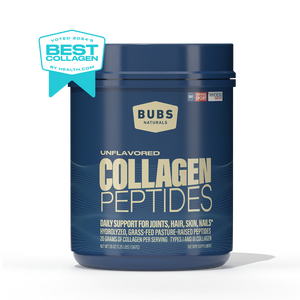
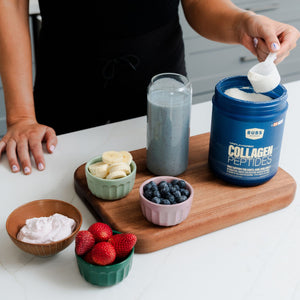
Many athletes start their day with a "wellness shot." This might include diluted ACV, a pinch of sea salt, and their daily vitamins. This can help wake up the digestive system and prepare the body for the nutrients coming in with breakfast. At BUBS Naturals, we often see people pair their ACV gummies with our Collagen Peptides in their morning coffee or smoothie. While the ACV helps with the minerals, the collagen provides the amino acids necessary for joint and skin support.
Recovery and Hydration
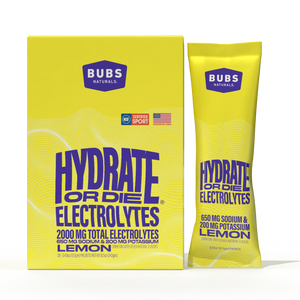
If you are training hard, you are likely focused on hydration. While ACV isn't a primary hydration tool, its ability to support mineral absorption can indirectly help with electrolyte balance. When you take your electrolytes, such as our Hydrate or Die® Electrolytes, your body needs to move those minerals (sodium, potassium, magnesium) into the cells. Having a healthy digestive environment, supported by ACV, can make that process more efficient.
Best Practices for Taking Vitamins with ACV
To get the most out of your supplements and your vinegar, follow these simple guidelines:
-
Dilute, Dilute, Dilute: If using liquid, use at least 8 ounces of water per tablespoon of ACV.
-
Watch the Clock: Taking ACV 15 to 20 minutes before a meal is often considered the "sweet spot" for digestive support.
-
Take with Food: If you have a sensitive stomach, take your vitamins and ACV during your largest meal of the day.
-
Consistency is Key: Like most wellness habits, you won't see results overnight. Stick with it for several weeks to see how your body responds.
-
Choose Quality: Look for ACV that contains "the mother" and vitamins that are third-party tested.
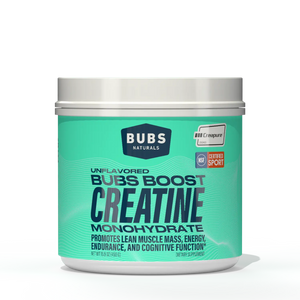
Our products are designed to mix effortlessly into your life. Whether you are using our single-ingredient Creatine Monohydrate for strength or our ACV gummies for wellness, the goal is always the same: clean, effective support for your journey.
Can ACV Replace Any Vitamins?
It is important to remember that apple cider vinegar is not a replacement for a balanced diet or a high-quality multivitamin. While it contains trace amounts of nutrients, it does not provide the concentrated doses of Vitamin D, Vitamin C, or B vitamins that your body might need, especially if you are physically active or under stress.
Think of ACV as a "facilitator." It sets the stage for your other supplements to do their jobs. It helps manage blood sugar responses after meals and creates the right environment for mineral breakdown. It is a piece of the puzzle, not the whole picture.
Bottom line: Taking vitamins with apple cider vinegar is a safe and potentially beneficial habit that can improve the absorption of minerals and support overall digestive health when done correctly.
Practical Scenarios for Your Routine
Let’s look at how this looks in real life.
Scenario 1: The Fasted Athlete
You wake up and want to train fasted. You take your ACV gummy and a Vitamin B12 supplement for energy. This is perfectly fine. The ACV gummy won't break a fast for most people, and the B12 will be ready to help your metabolism as you start your workout.
Scenario 2: The Post-Workout Meal
You’ve just finished a heavy lifting session. You sit down for a meal of chicken, rice, and greens. You take your multivitamin and a diluted glass of ACV. This is an ideal setup. The ACV helps you digest the protein in the chicken and the minerals in your multivitamin, while the fats in your meal help you absorb the Vitamin D and A in your supplement.
Scenario 3: The Evening Wind-Down
Some people prefer taking ACV at night to help with blood sugar stability overnight. If you take a magnesium supplement to help you sleep, taking it with ACV (or an ACV gummy) can be a great way to ensure that magnesium is fully absorbed before you drift off.
Conclusion
Combining vitamins with apple cider vinegar is more than just a trend; it is a practical way to support your body’s natural digestive processes. By lowering the pH in your stomach, ACV can help you get more out of the minerals you are already taking. Whether you prefer the traditional liquid or the convenience of a gummy, the key is to listen to your body and maintain a consistent routine.
At BUBS Naturals, we are committed to providing you with the cleanest, most effective tools for your wellness journey. Our products, like our Apple Cider Vinegar Gummies and Collagen Peptides, are built on the legacy of Glen "BUB" Doherty. We believe in doing things the right way, with no fillers and no BS. To learn more about that mission, visit Our Story.
Living a life of adventure and purpose requires a body that functions at its peak. By refining your supplement routine and understanding how ingredients like ACV interact with your vitamins, you are taking a proactive step toward better health. In honor of BUB’s legacy, we donate 10% of all our profits to veteran-focused charities, and you can read more about that commitment in Giving Back to Veterans & Our Communities.
-
Audit your routine: Look at which vitamins you take and see if they could benefit from an acidic environment.
-
Prioritize protection: If using liquid ACV, always dilute it to protect your teeth.
-
Keep it simple: Don't overcomplicate things. A simple morning stack of quality vitamins and ACV is often all you need.
Ready to upgrade your morning routine? Explore how our simple, clean ingredients can help you feel the difference in your daily performance.
FAQ
Does apple cider vinegar destroy the nutrients in multivitamins?
No, apple cider vinegar does not destroy the nutrients in multivitamins. The acetic acid in the vinegar is similar to the acid already present in your stomach, which is necessary for breaking down supplements so your body can absorb them. In fact, for minerals like iron and calcium, the extra acidity may actually help improve absorption.
Is it better to take vitamins before or after drinking apple cider vinegar?
It is generally best to take them around the same time, ideally right before or during a meal. Taking ACV about 15 minutes before you eat can prepare your stomach for digestion, while taking your vitamins with the meal ensures that fat-soluble nutrients have the necessary dietary fats for absorption.
Can I mix liquid apple cider vinegar directly with my vitamin powder?
While you can mix them, the taste may be very unpleasant. Additionally, some powders might clump or react to the acidity of the vinegar. A better approach is to drink your diluted ACV separately or use an ACV gummy, and then mix your vitamin powders (like collagen or electrolytes) into water or a smoothie.
Are apple cider vinegar gummies as effective as the liquid version?
Yes, high-quality ACV gummies can be just as effective as the liquid version, provided they contain a sufficient dose of acetic acid and include "the mother." Gummies have the added benefit of being easier on your tooth enamel and esophagus, making them a safer choice for long-term daily use. For dosing and timing tips, see How to Take Apple Cider Vinegar Gummies for Best Results.