Table of Contents
- Introduction
- The Evolution of Training Frequency
- The Biological Case for Twice-Weekly Training
- Managing Volume: The Key to Avoiding Burnout
- Optimal Workout Splits for Twice-Weekly Training
- Nutrition and Supplementation for High-Frequency Success
- A Day in the Life: Fueling the Twice-Weekly Routine
- Recovery: The Often Forgotten Component
- Common Mistakes to Avoid
- Conclusion
- FAQ
Introduction
If you walked into a weight room thirty years ago, you would likely see a chalkboard scribbled with the "Bro Split": Monday was for chest, Tuesday for back, Wednesday for legs, and so on. For decades, the gold standard in bodybuilding suggested that a muscle group needed a full seven days of rest to recover and grow. But as our understanding of human physiology has advanced, we have begun to question if that once-a-week approach is actually leaving gains on the table. The question is no longer just about how hard you can push in a single session, but how often you can stimulate that growth process without burning out.
At BUBS Naturals, we are driven by the legacy of Glen “BUB” Doherty—a man who lived a life of constant movement, adventure, and high-performance standards. We believe that wellness isn't a stagnant goal but an active pursuit. That pursuit requires a foundation of science-backed habits and clean, effective nutrition. When we look at the data surrounding muscle hypertrophy and strength, a clear pattern emerges: the "once-a-week" tradition is being outpaced by more frequent, strategic stimulation.
By the end of this article, you will understand the physiological mechanisms behind muscle growth, specifically the role of muscle protein synthesis, and why the answer to "can I workout the same muscle twice a week" is a resounding yes for most lifters. We will explore the most effective training splits—including the Upper/Lower, Push/Pull/Legs, and PHAT models—and how to manage your recovery so that you can maintain this frequency long-term. We will also dive into how our own Creatine Monohydrate and other clean supplements can support your body through these increased demands.
Our goal is to help you move past the myths of old-school gym culture and into a routine that prioritizes both results and longevity. Whether you are a weekend warrior or an elite athlete, understanding how to balance frequency and volume is the key to unlocking your physical potential. Together, we’ll break down the science of the 48-hour recovery window and show you how to structure a week that keeps you progressing toward your goals while honoring your body’s need for restoration.
The Evolution of Training Frequency
The history of strength training is a pendulum that has swung between extremes. In the early 20th century, "Physical Culture" pioneers often performed full-body routines three times a week, focusing on heavy compound movements. As bodybuilding grew into a massive industry in the 1970s and 80s, the shift moved toward high-volume "isolation" splits. The idea was to "annihilate" a muscle group with 20 or 30 sets in a single session, then let it rest for an entire week.
However, recent meta-analyses, including influential work by Dr. Brad Schoenfeld, have shown that when total weekly volume is equated, spreading that volume over two or even three sessions per week leads to superior muscle growth compared to doing it all in one day. This discovery has revolutionized how we think about "the grind." Instead of one massive chest day that leaves you unable to move your arms for four days, we are seeing the benefits of two moderate chest sessions that allow for higher quality effort in every set.
This shift aligns perfectly with our "no-BS" approach at BUBS Naturals. We don't believe in overcomplicating things or following traditions just for the sake of it. We believe in what works. Just as we rigorously test our Collagen Peptides to ensure they are the highest quality, we want your training to be rooted in the best available evidence. Transitioning to a twice-weekly frequency isn't about doing "more" work; it's about doing the work "smarter."
The Biological Case for Twice-Weekly Training
To understand why training a muscle twice a week is so effective, we have to look at Muscle Protein Synthesis (MPS). MPS is the biological process where your body repairs and builds new muscle tissue after the "damage" caused by a workout. Research shows that for most people, MPS remains elevated for about 24 to 48 hours after a session before returning to baseline.
Think of it like a window of opportunity. If you only train your back on Tuesdays, your "growth window" is open on Wednesday and Thursday. By Friday, Saturday, Sunday, and Monday, that muscle group is essentially in a holding pattern, waiting for the next stimulus. By hitting that muscle again on Friday, you "re-open" the growth window, effectively doubling the amount of time your body spends in an anabolic, muscle-building state over the course of a year.
Furthermore, training frequency helps with something called "neuromuscular adaptation." The more often you perform a movement—like a squat or a bench press—the more efficient your nervous system becomes at executing that movement. This is why athletes who train more frequently often see faster strength gains; they aren't just building bigger muscles, they are teaching their brain how to use those muscles more effectively.
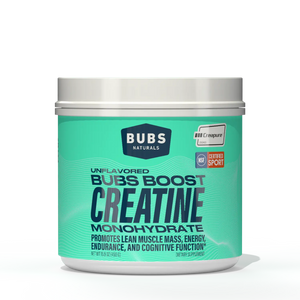
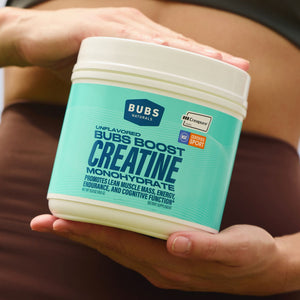
To fuel this increased frequency, your body needs a reliable source of cellular energy. This is where Creatine Monohydrate becomes a vital part of your toolkit. By increasing the availability of ATP (the primary energy currency of your cells), creatine helps you maintain power and strength during those repeated sessions. When you're asking your muscles to perform at a high level twice a week, having that extra reservoir of energy can make the difference between a stalled plateau and a new personal record.
Managing Volume: The Key to Avoiding Burnout
The biggest mistake people make when they hear they should train a muscle twice a week is simply doubling their existing workout. If you currently do 20 sets of legs on Monday, you cannot simply add another 20 sets on Thursday. That is a recipe for overtraining, joint pain, and injury.
The secret is to split your volume, not double it. If your goal is to perform 12 quality sets of chest exercises per week, you might do six sets on Monday and six sets on Thursday. This approach has a massive advantage: intensity. By the time you reach your 15th set on a traditional "chest day," your energy is depleted, your form is likely slipping, and the "effective reps" you're getting are minimal. If you move those last sets to a fresh session later in the week, you can lift heavier weights with better technique, leading to better overall results.
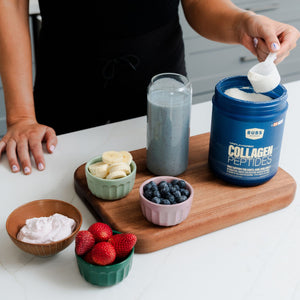
We also have to consider the health of your connective tissues. While muscles recover relatively quickly due to high blood flow, your tendons and ligaments take longer to adapt to the stress of heavy lifting. This is why we advocate for a holistic approach to wellness. Integrating Collagen Peptides into your daily routine can help support the structural integrity of your joints, which is crucial when you're increasing the frequency of your training. Our collagen is NSF for Sport certified, meaning it’s held to the highest standards of purity, just like your training should be.
Optimal Workout Splits for Twice-Weekly Training
So, how do you actually structure your week? There are several proven models that allow you to hit every muscle group at least twice every seven days. Choosing the right one depends on your schedule, your experience level, and your recovery capacity.
The Upper/Lower Split
This is perhaps the most popular way to achieve twice-weekly frequency. It divides the body into two halves: upper body (chest, back, shoulders, arms) and lower body (quads, hamstrings, glutes, calves). You typically train four days a week, alternating between the two.
-
Monday: Upper Body (Heavy Compound Focus)
-
Tuesday: Lower Body (Heavy Compound Focus)
-
Wednesday: Rest
-
Thursday: Upper Body (Hypertrophy/Volume Focus)
-
Friday: Lower Body (Hypertrophy/Volume Focus)
-
Saturday/Sunday: Rest
This split is excellent because it provides 48 to 72 hours of rest between similar sessions, ensuring that you aren't hitting the same muscles while they are still in the peak of their recovery phase. It’s a balanced approach that leaves plenty of room for adventure on the weekends.
Push/Pull/Legs (PPL)
The PPL split organizes exercises based on movement patterns. "Push" days focus on the chest, shoulders, and triceps. "Pull" days focus on the back and biceps. "Leg" days cover everything below the waist. To hit each group twice a week, you would typically train six days on and one day off, or cycle through them in a "3 on, 1 off" fashion.
-
Day 1: Push
-
Day 2: Pull
-
Day 3: Legs
-
Day 4: Rest
-
Day 5: Push
-
Day 6: Pull
-
Day 7: Legs
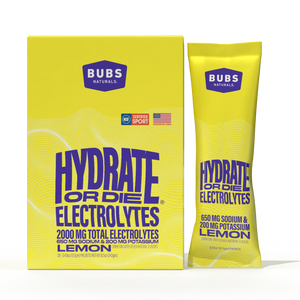
This is a higher-commitment schedule, but it allows for a lot of variety and specialization. Because you have dedicated days for specific movements, you can really dial in on weak points. For someone training at this level of frequency, staying hydrated is non-negotiable. We recommend sipping on Hydrate or Die - Lemon during these sessions. With 2000mg of sea salt and no added sugar, it provides the essential electrolytes needed to keep your muscles firing and prevent the fatigue that can come with a six-day-a-week grind.
Power Hypertrophy Adaptive Training (PHAT)
Developed by Dr. Layne Norton, the PHAT program is a hybrid that combines powerlifting and bodybuilding techniques. The first two days of the week are dedicated to heavy, low-rep "power" movements for the upper and lower body. After a rest day, the following three days focus on higher-rep "hypertrophy" work.
-
Mon: Upper Body Power
-
Tue: Lower Body Power
-
Wed: Rest
-
Thu: Back and Shoulders Hypertrophy
-
Fri: Lower Body Hypertrophy
-
Sat: Chest and Arms Hypertrophy
-
Sun: Rest
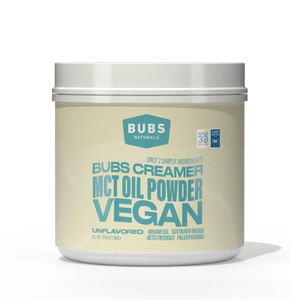
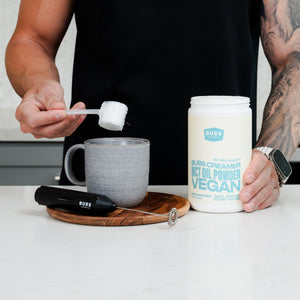
PHAT is intense and designed for intermediate to advanced lifters. It challenges the body in multiple rep ranges, which is fantastic for both strength and size. Because this program is so demanding, your pre-workout ritual is key. Many in our community find that starting the day with a cup of coffee mixed with our MCT Oil Creamer provides the sustained mental clarity and energy needed to tackle these long, complex sessions.
Nutrition and Supplementation for High-Frequency Success
When you increase your training frequency, your "maintenance" nutrition is no longer enough. You are asking more of your body, and you must provide the raw materials to meet those demands. If you are working out the same muscle twice a week, your recovery protocol must be as disciplined as your training.
First and foremost, protein intake is the foundation of muscle repair. Most experts suggest between 0.8g to 1g of protein per pound of body weight for active individuals. But beyond just protein, we have to look at the specific amino acids and co-factors that facilitate growth. Supplementing with Creatine Monohydrate is one of the most science-backed ways to support this process. It helps with cell volumization and recovery between sets, which is crucial when you are hitting the gym five or six days a week.
We also believe in the power of micronutrients and digestive health. If your body is under constant physical stress, your immune system and gut health can take a hit. Many of our athletes use Apple Cider Vinegar Gummies to support digestive wellness and Vitamin C for its antioxidant properties, helping to manage the oxidative stress that naturally occurs during intense exercise.
Every BUBS product is chosen for its purity and its ability to help you live a better, more adventurous life. We don't use fillers or "mystery" ingredients. We use what works, and we back it up with our 10% rule: 10% of all our profits go to veteran-focused charities. When you choose BUBS to fuel your high-frequency training, you aren't just investing in yourself; you're supporting the legacy of a true American hero.
A Day in the Life: Fueling the Twice-Weekly Routine
Let’s look at how a typical day might look for someone following an Upper/Lower split and utilizing the BUBS Naturals lineup for maximum efficiency.
6:30 AM - The Morning Spark: You wake up and prep for an Upper Body Power day. You mix a scoop of Butter MCT Oil Creamer into your coffee. The healthy fats from the coconut-based MCTs provide a steady stream of energy without the jitters, perfect for those heavy sets of bench presses and rows.
8:00 AM - The Training Session: You hit the gym. During your workout, you sip on Hydrate or Die - Mixed Berry. The high sodium content is exactly what your muscles need to maintain contractions and prevent cramping as you move through your compound lifts.
9:30 AM - Post-Workout Recovery: After the final set, you mix 5g of Creatine Monohydrate with a scoop of Collagen Peptides into a smoothie. The creatine starts replenishing your ATP stores for your next session, while the collagen provides the specific amino acids (glycine, proline, and hydroxyproline) needed to support your joints and skin.
1:00 PM - Daily Wellness: Along with your lunch, you take two Apple Cider Vinegar Gummies. It’s a simple habit that keeps your digestion on track, ensuring you’re actually absorbing the nutrients from the high-protein meals you’re eating.
9:00 PM - The Reset: Quality sleep is where the actual growth happens. You take Vitamin C to support your body's natural nighttime repair processes, ensuring you wake up ready for tomorrow's Lower Body session.
Recovery: The Often Forgotten Component
If you decide to workout the same muscle twice a week, your "off days" are just as important as your "on days." Recovery is not a passive process; it is an active one. This is what we call "Active Recovery." On the days you aren't in the gym, we encourage you to get outside. Go for a hike, a light swim, or a long walk. This increases blood flow to your muscles, which helps flush out metabolic waste and brings in the nutrients needed for repair.
Sleep is the ultimate performance enhancer. During deep sleep, your body releases the highest concentrations of growth hormone. If you are training six days a week but only sleeping five hours a night, you are working against yourself. Aim for 7–9 hours of quality rest.
Additionally, listen to your body’s biofeedback. "Delayed Onset Muscle Soreness" (DOMS) is normal, especially when you first switch to a twice-weekly frequency. However, there is a difference between the "good" soreness of a productive workout and the "bad" pain of a potential injury. If a joint feels sharp or a muscle feels strained beyond typical soreness, take the extra rest day. Our mission is to keep you in the game for the long haul, not just for a single season. The legacy of Glen "BUB" Doherty was one of toughness, yes, but also of skill and preparedness. Part of being prepared is knowing when to push and when to pivot.
Common Mistakes to Avoid
Even with a perfect plan, there are a few pitfalls that can derail your progress when training muscles twice a week.
1. Ego Lifting: When you increase frequency, you are putting more total stress on your central nervous system. You cannot hit a "true" 1-rep max every time you step into the gym. Use a variety of intensities. Maybe Monday is your heavy day (3–5 reps), and Thursday is your moderate day (10–12 reps). This "Undulating Periodization" is much more sustainable.
2. Neglecting Small Muscle Groups: Don't forget your rear delts, calves, and core. These muscles often recover very quickly and can actually handle even higher frequencies, but they are frequently ignored in favor of the "mirror muscles." A balanced physique is a functional physique.
3. Inconsistent Nutrition: High-frequency training on a calorie deficit is extremely difficult for natural lifters. If you want to grow, you need to be at least at "maintenance" calories, if not a slight surplus. This is where supplements like our MCT Oil Creamer can help by adding clean, high-quality fats to your diet easily.
4. Skipping the Deload: Every 4 to 8 weeks, you should have a "deload week" where you reduce your training volume by about 50%. This allows your nervous system and connective tissues to fully catch up with your muscle growth. Think of it as a scheduled pit stop to ensure you don't break down on the track.
Conclusion
The evidence is overwhelming: if you want to maximize muscle growth and strength, training each muscle group twice a week is the gold standard. By aligning your workouts with the 48-hour window of muscle protein synthesis, you effectively double your opportunities for progress every single year. Whether you choose an Upper/Lower split, a PPL routine, or the advanced PHAT model, the key is to manage your volume wisely and prioritize your recovery with the same intensity you bring to your lifts.
At BUBS Naturals, we are here to support every step of that journey. From the Collagen Peptides that protect your joints to the Hydrate or Die electrolytes that fuel your performance, we believe in providing only the cleanest, highest-quality tools for your wellness adventure. We honor the legacy of Glen Doherty by striving for excellence and giving back to those who have served.
Are you ready to stop settling for average results and start training with purpose? The science is clear, the path is set, and the only thing left is the work. To support your strength goals and ensure your muscles have the cellular energy they need to thrive under this new frequency, we recommend making our Creatine Monohydrate a staple of your daily routine. Experience the BUBS difference—pure, effective, and dedicated to your highest potential. One scoop, one goal, no excuses.
FAQ
Can beginners workout the same muscle twice a week?
While beginners can certainly benefit from higher frequency, many experts recommend starting with a full-body routine three times a week. This allows a newcomer to focus on mastering exercise form and technique before moving into more complex splits. However, as soon as a lifter has established a baseline of strength and consistent habits, transitioning to a twice-weekly split like an Upper/Lower routine is often the best way to continue progressing without hitting a plateau.
Will training a muscle twice a week cause overtraining?
Overtraining is usually a result of excessive volume and poor recovery, rather than frequency alone. If you split your weekly volume into two sessions rather than doing it all in one, you are actually less likely to overtrain because each individual session is less taxing on your system. To further prevent overtraining, ensure you are getting enough sleep and utilizing recovery-focused supplements like Collagen Peptides to support joint and tissue health.
What is the best supplement for someone training muscles twice a week?
While a balanced diet is the foundation, Creatine Monohydrate is widely considered the most effective supplement for supporting increased training frequency. It helps replenish ATP stores, allowing for greater power output and faster recovery between sets. This is especially important when you are asking your muscles to perform at a high level multiple times within a seven-day period.
How do I know if I'm recovering enough between sessions?
The best indicators of recovery are your performance and your energy levels. if you find that your strength is consistently dropping or you feel chronically fatigued and irritable, you may need to adjust your volume or take a deload week. Monitoring your hydration is also key; using Hydrate or Die can help ensure that fatigue isn't simply a result of electrolyte imbalance, allowing you to accurately assess your muscle recovery.