Table of Contents
- Introduction
- The Physiology of Muscle Hypertrophy
- The Role of Experience Level in Frequency
- Understanding Weekly Training Volume
- The Importance of Primary Supplementation
- Breaking Down Training Splits
- Recovery: The Silent Partner of Growth
- Nutrition Strategies for Muscle Gain
- The Importance of Progressive Overload
- Balancing Intensity and Frequency
- Sample Training Schedules
- Putting It All Together
- Summary of Key Takeaways
- FAQ
Introduction
A single pound of muscle is significantly more metabolically active than a pound of fat, meaning your body must work harder just to maintain its existence. This physiological reality is the cornerstone of why strength training is a transformative pursuit. Yet, one of the most persistent hurdles for any athlete—from the weekend warrior to the seasoned veteran—is a simple question of logistics: how much should you workout a week to gain muscle? There is a delicate balance between providing a stimulus that forces the body to adapt and providing the space for that adaptation to actually occur.
We believe that fitness is a mission. At BUBS Naturals, our philosophy is rooted in the legacy of Glen “BUB” Doherty, a Navy SEAL, adventurer, and dedicated friend. Glen lived a life of purpose and high-intensity movement, and we carry that spirit forward by providing clean, science-backed nutrition that supports your own personal missions. Whether you are aiming to pack on size, increase your functional strength for the trail, or simply feel more capable in your daily life, the frequency of your training is the lever that determines your success.
In this guide, we will explore the science of muscle hypertrophy, the critical role of recovery, and how to structure your training week based on your current experience level. We’ll break down the nuances of weekly training volume, the effectiveness of various workout splits, and how to fuel your progress with simple, effective ingredients. By the end of this article, you will have a clear roadmap for your weekly schedule, ensuring that every hour you spend in the gym translates into tangible results. Our goal is to move past the "bro-science" and look at the evidence-based strategies that allow you to grow stronger while honoring your body's need for rest.
The Physiology of Muscle Hypertrophy
To understand how often we should be in the gym, we must first understand what is happening inside the muscle fibers. Muscle hypertrophy is the scientific term for an increase in the size of muscle cells. This isn't a random occurrence; it is a survival mechanism. When we subject our muscles to mechanical tension and metabolic stress—the kind found in a heavy set of squats or a rigorous pull-up session—we create microscopic damage to the muscle fibers.
The body perceives this damage as a threat to its integrity. In response, it initiates a repair process during periods of rest. This involves satellite cells fusing to the damaged muscle fibers, leading to an increase in the thickness and number of the myofibrils (the contractile parts of the muscle). Essentially, your body says, "That was difficult; let’s build back stronger so it won't be as hard next time."
This process requires two distinct phases: the stimulus phase (the workout) and the recovery phase (the rest). If you train too infrequently, the stimulus is lost, and the body has no reason to maintain or grow new tissue. If you train too frequently without enough rest, you interrupt the repair process, leading to a plateau or, worse, overtraining and injury. This is why determining how much should you workout a week to gain muscle is not just about counting days; it’s about managing the biological clock of recovery.
The Role of Experience Level in Frequency
Your "training age"—how long you have been consistently lifting—is the primary factor in deciding your weekly frequency. A beginner’s body is hypersensitive to the stimulus of weightlifting, while an advanced athlete requires more volume and frequency to "convince" the body to continue growing.
Beginners: The Foundation Phase
For those just starting out, more is rarely better. We recommend a frequency of two to three non-consecutive days per week. Because the central nervous system (CNS) and the connective tissues are not yet accustomed to the strain of heavy lifting, beginners need more time between sessions. A full-body routine performed on Monday, Wednesday, and Friday is a classic, effective approach. This allows for 48 hours of recovery between sessions, which is the sweet spot for initial hypertrophy.
Intermediates: Increasing the Stimulus
Once you have six months to a year of consistent training under your belt, your body becomes more efficient. You can handle—and likely require—more frequent sessions. Intermediate lifters often see the best results training three to five days per week. At this stage, you might move away from full-body routines and into "splits," where you target specific muscle groups on different days. This allows you to increase the total volume (sets and reps) for each muscle while still providing recovery time as you rotate through the body.
Advanced: Pushing the Limits
Advanced athletes, those with years of experience, often require a higher frequency to spark growth. This can mean training five to six days a week. At this level, the workouts are often highly specialized, using advanced splits like the "Push-Pull-Legs" (PPL) method. Advanced lifters must be masters of their own recovery, often utilizing supplements like Creatine Monohydrate to ensure they can maintain high intensity across frequent sessions.
Understanding Weekly Training Volume
While the number of days you spend in the gym matters, the "weekly training volume" is perhaps the most important metric for muscle gain. Volume is generally calculated as the total number of "hard sets" you perform for a muscle group each week. A hard set is one that is taken close to muscular failure—usually within one to three reps of not being able to complete another.
Recent research suggests a "U-shaped" curve for volume. Too little (fewer than 10 sets per muscle group per week) may yield slow results, while too much (upwards of 30+ sets) can lead to diminished returns for most people. For the majority of us looking to gain muscle, the "Goldilocks zone" is between 10 and 20 hard sets per muscle group per week.
How you distribute these sets depends on your weekly frequency. If your goal is to hit 12 sets for your chest, you could do all 12 on a single "Chest Day" (the traditional "bro-split"), or you could do 6 sets on Monday and 6 sets on Thursday. The current scientific consensus leans toward the latter. Splitting the volume into two or more sessions per week often leads to better "quality" sets, as you aren't as fatigued by the end of the workout, and it allows for more frequent "spikes" in muscle protein synthesis.
The Importance of Primary Supplementation
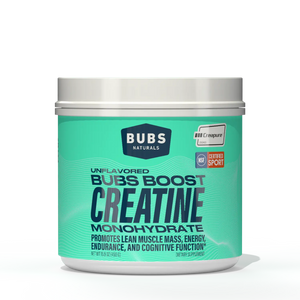
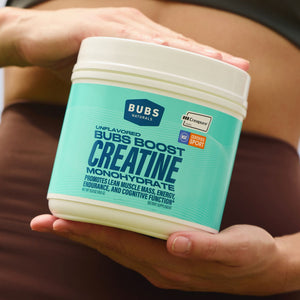
When you are pushing your body four or five days a week to gain muscle, the fuel you provide is the "bricks and mortar" of your new tissue. To maximize the work you do in the gym, we highly recommend incorporating Creatine Monohydrate into your daily routine.
Creatine is one of the most well-researched supplements in the fitness world. It works by increasing the body's stores of phosphocreatine, which is used to produce ATP—the primary energy source for heavy lifting and high-intensity bursts of effort. By supplementing with our NSF for Sport Certified Creatine Monohydrate, you support your body’s ability to perform more work, recover faster between sets, and ultimately drive the hypertrophy process more effectively.
We don't believe in "BS" ingredients or fillers. Our creatine is 100% pure, ensuring that you are getting exactly what your muscles need to grow without any fluff. It’s a simple addition that can make a profound difference in your quest to gain muscle, especially when your training frequency increases.
Breaking Down Training Splits
The way you organize your training week is known as a "split." The best split is the one you can stick to consistently, but certain structures are better suited for muscle gain than others.
The Full-Body Split
This involves training every major muscle group in every session.
-
Best for: Beginners or those with a busy schedule.
-
Frequency: 3 days per week (e.g., Mon/Wed/Fri).
-
Why it works: It ensures you hit every muscle group three times a week, providing frequent growth signals.
The Upper/Lower Split
This divides the body into two halves: upper body (chest, back, shoulders, arms) and lower body (quads, hamstrings, glutes, calves).
-
Best for: Intermediates.
-
Frequency: 4 days per week (e.g., Mon/Tue/Thu/Fri).
-
Why it works: It allows for more volume per muscle group than a full-body routine while still hitting everything twice a week.
The Push-Pull-Legs (PPL) Split
This organizes workouts by movement pattern. "Push" days focus on chest, shoulders, and triceps. "Pull" days focus on back and biceps. "Legs" is self-explanatory.
-
Best for: Advanced lifters or those with high recovery capacity.
-
Frequency: 3 to 6 days per week.
-
Why it works: It provides maximum focus on specific muscle groups and allows for the highest total weekly volume.
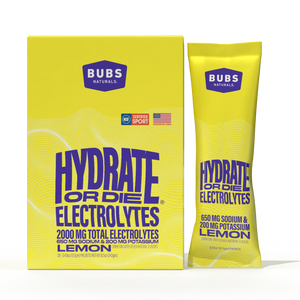
To maintain peak performance during these splits—especially the grueling leg days—hydration is non-negotiable. We suggest using Hydrate or Die - Lemon during your training. With 2000mg of salt and zero sugar, it provides the electrolytes necessary for muscle contraction and focus, helping you push through the final sets that truly trigger growth.
Recovery: The Silent Partner of Growth
If you are wondering how much should you workout a week to gain muscle, you must also ask: how much should I rest? Growth doesn't happen while you are under the barbell; it happens while you are asleep or relaxing.
Overtraining is a real risk when enthusiasm outpaces recovery. Signs of overtraining include persistent muscle soreness that doesn't go away, a decrease in strength, poor sleep quality, and a lack of motivation. To prevent this, we advocate for at least one, and preferably two, full rest days per week.
During these rest days, "active recovery" is your friend. This isn't the time for a five-mile run, but rather a gentle walk, some light stretching, or a yoga session. To support the repair of the connective tissues—your joints, tendons, and ligaments—that take a beating during heavy lifting, we recommend our Collagen Peptides. Collagen is the most abundant protein in the body, and supplementing with high-quality, grass-fed peptides can help maintain the integrity of the structures that hold your muscles together.
"The legacy of Glen 'BUB' Doherty is a reminder that we aren't just training for the mirror; we are training for life's adventures. Our commitment to your wellness includes a promise: 10% of our profits go to veteran-focused charities. When you recover better, you give back more."
Nutrition Strategies for Muscle Gain
You cannot build a house without materials, and you cannot build muscle without a caloric surplus and adequate protein. To gain muscle, you generally need to consume more calories than you burn. A modest surplus of 250 to 500 calories above maintenance is usually sufficient to support growth without excessive fat gain.
Protein is the most critical macronutrient here. We recommend aiming for roughly 0.8 to 1 gram of protein per pound of body weight. While whole foods should be your primary source, high-quality supplements can fill the gaps. Our Collagen Peptides are an excellent way to boost your daily protein intake while supporting joint health.
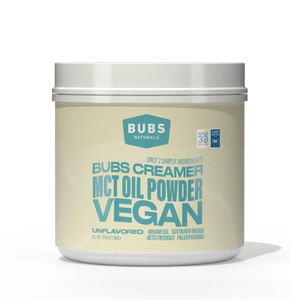
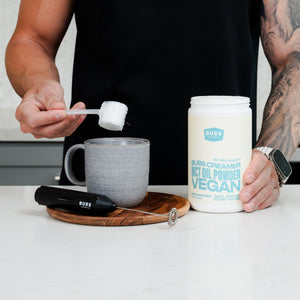
For sustained energy and mental clarity throughout the day—especially if you train early in the morning—consider adding our MCT Oil Creamer to your coffee. Derived from coconuts, MCTs (medium-chain triglycerides) provide a quick source of clean energy that the body can use immediately, helping you stay sharp and fueled for your next training session.
The Importance of Progressive Overload
Regardless of whether you workout three days or six days a week, muscle gain will eventually stall if you don't implement progressive overload. This is the gradual increase of stress placed upon the body during exercise.
You can achieve progressive overload in several ways:
-
Increasing Weight: Adding five pounds to the bar.
-
Increasing Reps: Doing 12 reps with a weight you previously only did for 10.
-
Increasing Sets: Moving from 3 sets to 4 sets of an exercise.
-
Decreasing Rest Time: Doing the same work in less time.
-
Improving Form: Performing the movement with more control and a better mind-muscle connection.
Keep a training log. Tracking your lifts allows you to see exactly where you are and ensures that you are actually progressing over time. Without data, you are just guessing. And in the pursuit of muscle gain, guessing leads to plateaus.
Balancing Intensity and Frequency
A common mistake is trying to train with maximum intensity and maximum frequency simultaneously. If you are going to train six days a week, every set cannot be a "true" max effort to failure. Your CNS simply won't be able to keep up.
If you prefer high-intensity training (training to failure on every set), a lower frequency (3–4 days) is usually better. If you prefer high-frequency training (5–6 days), you should keep most sets at a "Repetitions in Reserve" (RIR) of 1 or 2, meaning you could have done one or two more reps if you absolutely had to.
This balance is where supplementation becomes a strategic advantage. To support your body's natural antioxidant defenses and collagen formation during high-intensity periods, a daily dose of Vitamin C can be highly beneficial. Additionally, maintaining gut health is essential for nutrient absorption; many of our athletes use Apple Cider Vinegar Gummies as an easy, "no-BS" way to support their digestive wellness as they increase their caloric intake.
Sample Training Schedules
To help you visualize how much should you workout a week to gain muscle, here are three sample schedules based on our recommendations:
The 3-Day Full Body (Ideal for Beginners)
-
Monday: Full Body (Squats, Bench Press, Rows, Overhead Press) + Creatine Monohydrate.
-
Tuesday: Rest/Walk + Apple Cider Vinegar Gummies.
-
Wednesday: Full Body (Deadlifts, Incline Press, Lat Pulldowns, Lunges).
-
Thursday: Rest/Walk.
-
Friday: Full Body (Leg Press, Dips, Pull-ups, Lateral Raises).
-
Saturday/Sunday: Active Recovery/Outdoor Adventure.
The 4-Day Upper/Lower (Ideal for Intermediates)
-
Monday: Upper Body (Power focus) + Hydrate or Die - Mixed Berry.
-
Tuesday: Lower Body (Power focus) + Collagen Peptides.
-
Wednesday: Rest.
-
Thursday: Upper Body (Hypertrophy focus).
-
Friday: Lower Body (Hypertrophy focus).
-
Saturday/Sunday: Rest.
The 5-Day PPL/Upper-Lower Hybrid (Ideal for Advanced)
-
Monday: Push.
-
Tuesday: Pull.
-
Wednesday: Legs.
-
Thursday: Rest.
-
Friday: Upper Body.
-
Saturday: Lower Body.
-
Sunday: Rest.
Putting It All Together
Determining how much you should workout a week to gain muscle is a process of self-discovery. Science gives us the boundaries—10 to 20 sets per muscle per week, hitting each muscle group at least twice, and prioritizing recovery—but your lifestyle and genetics will determine the specifics.
At BUBS Naturals, we are here to support that journey. We believe in doing the work, but we also believe in doing it the right way. That means using clean ingredients, respecting the recovery process, and keeping the bigger picture in mind. Every scoop of Creatine Monohydrate you take is not just a step toward a better physique; it is a commitment to a life of wellness and a tribute to a legacy of service.
Start where you are. If you are a beginner, embrace the three-day split. If you are more advanced, experiment with a five-day split but keep a close eye on your recovery. Fuel your body with the nutrients it needs to rebuild, and never forget that consistency is the only "secret" to long-term success.
Summary of Key Takeaways
To maximize your muscle-building potential, remember these core principles:
-
Frequency: Aim to hit each muscle group at least two times per week. For most, this means a 3-to-5-day workout week.
-
Volume: Target 10–20 hard sets per muscle group per week.
-
Recovery: Muscles grow during rest. Ensure you have at least one full day of rest and prioritize 7–9 hours of sleep.
-
Supplementation: Use science-backed tools. Creatine Monohydrate supports power and growth, while Collagen Peptides support joint health.
-
Progression: Always strive to do a little more than you did last time.
We are proud to be part of your journey. Whether you’re scaling a mountain or hitting a new PR in the garage gym, our "no-BS" approach to supplements ensures you have everything you need and nothing you don't. Ready to take your training to the next level? Explore the science-backed ingredients in our primary pick for muscle growth: Creatine Monohydrate.
FAQ
How many days a week should I workout to gain muscle as a beginner?
For beginners, we recommend three days a week using a full-body routine. This frequency allows you to stimulate all your major muscle groups frequently while still providing 48 hours of rest between sessions. This balance is crucial for allowing your connective tissues and nervous system to adapt to the new stress of weightlifting. Using a simple supplement like Creatine Monohydrate can also help support your initial progress and recovery.
Is it better to workout more often with less volume or less often with more volume?
Current research generally suggests that frequency (working out more often) is slightly better for muscle gain, provided the total weekly volume is the same. Spitting 12 sets of chest into two sessions of 6 sets often leads to higher quality reps and more frequent spikes in muscle protein synthesis than doing all 12 sets in one day. However, the most important factor is your ability to recover and remain consistent with your chosen schedule.
Can I gain muscle training only two days a week?
Yes, it is possible to gain muscle on a two-day schedule, though your progress may be slower than with three or four days. To make a two-day split effective, you must focus on heavy, compound movements and ensure your intensity is high. You would likely need to do full-body workouts each time you hit the gym. To support your body during these high-intensity sessions, make sure you are staying hydrated with Hydrate or Die and getting enough protein.
How do I know if I am working out too much?
Overtraining occurs when your training frequency and intensity exceed your body's ability to recover. Signs include a persistent "heavy" feeling in your muscles, a lack of progress in the gym, irritability, poor sleep, and a higher resting heart rate. If you experience these symptoms, it’s a signal to take a "deload" week or add an extra rest day. Supporting your recovery with Collagen Peptides and focusing on nutrient-dense foods can also help you bounce back faster.