Table of Contents
- Introduction
- The Science of Frequency and Adaptation
- Determining Your Fitness Goals
- The Training Age: Beginner vs. Advanced
- The Crucial Role of Rest and Recovery
- Structuring Your Weekly Split
- Nutrition and Supplementation: The BUBS Foundation
- Consistency Over Perfection
- A Legacy of Excellence: The Glen Doherty Story
- Conclusion
- FAQ
Introduction
Did you know that according to the CDC, only about 24% of adults in the United States actually meet the federal guidelines for both aerobic and muscle-strengthening activity? This statistic is often met with two distinct reactions: either a total lack of movement or an aggressive, over-the-top swing in the opposite direction where people attempt to train seven days a week, 365 days a year. Somewhere in the middle of these extremes lies the truth. The question of how many workout days a week you need is one of the most common hurdles for anyone looking to improve their health, yet the answer is rarely a simple number. It is a delicate balance of biological necessity, personal ambition, and the reality of your daily schedule.
At BUBS Naturals, we live by the legacy of Glen “BUB” Doherty—a Navy SEAL, an adventurer, and a man who understood that peak performance isn’t just about how hard you work, but how smart you recover. We believe that wellness is a lifelong mission, not a sprint to the finish line. Whether you are training for a triathlon or simply trying to keep up with your kids, the frequency of your training determines the trajectory of your results. If you train too little, your body never receives the stimulus it needs to adapt. If you train too much without the right support, you risk burnout and injury.
The purpose of this guide is to break down the science of training frequency to help you find your personal "sweet spot." We will explore how your goals—whether they be muscle growth, weight management, or general longevity—dictate your weekly schedule. We will also dive into the physiology of recovery and how clean, functional supplements like our Collagen Peptides can help bridge the gap between hard sessions. By the end of this article, you will have a clear, actionable framework for structuring your week to support a life of adventure and purpose. Our mission is to provide you with the tools to "Feel Great. Do Good," and that starts with a plan that actually works for your life.
The Science of Frequency and Adaptation
To understand how many workout days a week are necessary, we first have to look at the "SAID" principle: Specific Adaptation to Imposed Demands. Your body is an incredible machine that wants to maintain a state of equilibrium, or homeostasis. When you lift a heavy weight or run a mile, you are disrupting that equilibrium. You are creating micro-tears in your muscle fibers and placing stress on your central nervous system (CNS).
The magic doesn't happen during the workout; it happens afterward. During the recovery phase, your body repairs those micro-tears, making the muscle fibers slightly thicker and stronger than they were before. This is a process known as supercompensation. If you wait too long between workouts, the benefits of that supercompensation begin to fade. If you don't wait long enough, you interrupt the repair process, which can lead to a plateau or, worse, a decline in performance.
Research generally suggests that for muscle protein synthesis—the process by which your body builds new muscle—a frequency of at least two to three times per week for each major muscle group is ideal. This is why a once-a-week "leg day" might not be as effective as hitting your lower body twice in a slightly different way. However, frequency is only one-third of the equation. You also have to account for volume (the total amount of work done) and intensity (how hard that work is).
As we look at our own routines at BUBS, we prioritize quality over quantity. We often see people trying to grind through six-day-a-week bodybuilding splits when their lifestyle—work, family, and community—can really only support three high-quality days. In these cases, consistency will always trump intensity. A person who works out three days a week every single week for a year will see far better results than the person who goes five days a week for a month and then burns out for two. To support this ongoing cycle of stimulus and repair, many of our community members incorporate Collagen Peptides into their daily routine, providing the amino acids necessary to support joint health and connective tissue as they push their boundaries.
Determining Your Fitness Goals
The "perfect" number of days depends entirely on what you are trying to achieve. There is no one-size-fits-all answer because a marathoner’s needs are fundamentally different from those of a powerlifter or a busy professional looking for general wellness.
General Health and Longevity
If your goal is simply to live a long, healthy life and feel good in your body, the guidelines are relatively straightforward. Most health organizations, including the NHS and the Mayo Clinic, recommend at least 150 minutes of moderate aerobic activity or 75 minutes of vigorous activity per week, paired with at least two days of strength training. For most people, this looks like three to four days of dedicated movement. This could be two days of full-body strength training and two days of brisk walking, swimming, or cycling.
Building Muscle (Hypertrophy)
To maximize muscle growth, frequency usually needs to increase. Most intermediates find success with four to five days per week. This allows for a "split" routine—such as an Upper/Lower split or a Push/Pull/Legs split—which ensures that each muscle group is targeted with enough volume while still allowing for 48 to 72 hours of rest before that same muscle is worked again.
Fat Loss and Body Composition
When fat loss is the priority, the goal is often to maintain a caloric deficit while preserving as much lean muscle mass as possible. While you can lose weight without exercise through nutrition alone, adding four to five days of activity helps increase your total daily energy expenditure (TDEE). A mix of three days of strength training to protect muscle and two days of cardiovascular work or high-intensity interval training (HIIT) is a highly effective formula.
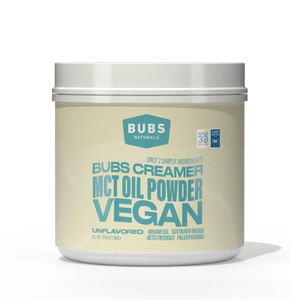
During these high-activity phases, mental clarity and sustained energy are vital. We often recommend starting the morning with our MCT Oil Creamer in your coffee. The medium-chain triglycerides provide a quick, clean energy source that supports cognitive function without the crash, helping you stay focused on your training and your day.
The Training Age: Beginner vs. Advanced
Your "training age"—the number of years you have been consistently exercising—significantly impacts how many workout days a week you should aim for.
The Beginner Phase (0–12 Months)
For those just starting, less is often more. A beginner’s body is hypersensitive to the stress of exercise. You can see incredible results from just two or three full-body sessions per week. Because your body isn't used to the load, you will likely experience more significant delayed onset muscle soreness (DOMS). Jumping into a six-day-a-week program as a novice is a recipe for injury and discouragement. Focus on mastering the basic movements: the squat, the hinge, the push, and the pull.
The Intermediate Phase (1–3 Years)
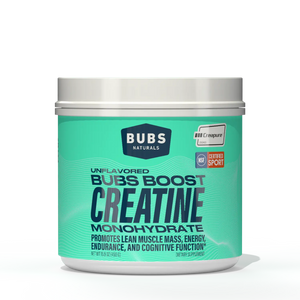
As you move into the intermediate phase, your body becomes more efficient at recovering, and the "newbie gains" start to slow down. To continue seeing progress, you generally need to increase the total volume. This is usually when people move to a four-day schedule. This allows for more specialization and higher intensity. At this stage, supplements like Creatine Monohydrate become particularly valuable. Creatine is one of the most researched supplements in the world, known for supporting ATP production, which helps with strength and power output during those more demanding intermediate sessions.
The Advanced Phase (3+ Years)
Advanced trainees require a high level of stimulus to see even incremental changes. They may train five or even six days a week, but these programs are often meticulously periodized, alternating between heavy weeks and "deload" weeks. For an advanced athlete, recovery is a full-time job. They aren't just resting; they are actively managing inflammation, sleep, and nutrition to ensure they can handle the high frequency.
The Crucial Role of Rest and Recovery
We have a saying at BUBS: "The work is the easy part; the recovery is where the growth happens." If you are asking how many workout days a week you should do, you must also ask how many rest days you need.
A rest day isn't just a day off from the gym; it is a physiological necessity. During rest, your endocrine system rebalances your hormones, and your nervous system recovers from the "fight or flight" state induced by heavy lifting or intense cardio. If you ignore rest, you risk entering a state of overtraining syndrome. Signs of overtraining include:
- Persistent fatigue and lethargy.
- Decreased performance or strength loss.
- Irritability and mood swings.
- Disturbed sleep patterns.
- A weakened immune response.
To support the body's natural defense systems during periods of hard training, we recommend keeping your antioxidant levels high. Our Vitamin C supplement, which includes citrus bioflavonoids, is a simple way to support your immune health and collagen formation, ensuring your body is as resilient as possible.
Active recovery is often a better choice than total passivity. On your "off" days, consider a long walk, a light yoga session, or some basic mobility work. This keeps the blood flowing to your muscles, which helps deliver nutrients and remove metabolic waste products. It’s also a great time to focus on gut health and digestion, which are often taxed by high-intensity training. Many of our athletes use Apple Cider Vinegar Gummies as a convenient way to support their digestive wellness as part of their daily routine.
Structuring Your Weekly Split
Once you’ve decided how many workout days a week fit your goals, you need a structure. Here are three of the most effective ways to organize your week.
The 3-Day Full Body Split
Ideal for: Beginners, busy professionals, and those focused on general health.
- Monday: Full Body Strength
- Tuesday: Rest or Active Recovery
- Wednesday: Full Body Strength
- Thursday: Rest or Active Recovery
- Friday: Full Body Strength
- Saturday/Sunday: Adventure, hiking, or light cardio.
This split is incredibly effective because it allows for maximum recovery between sessions while still hitting every muscle group three times a week.
The 4-Day Upper/Lower Split
Ideal for: Intermediate trainees looking for muscle growth and strength.
- Monday: Upper Body (Push/Pull)
- Tuesday: Lower Body (Squat/Hinge)
- Wednesday: Rest
- Thursday: Upper Body (Push/Pull)
- Friday: Lower Body (Squat/Hinge)
- Saturday/Sunday: Active Recovery.
This split allows for higher volume per muscle group. You can focus on heavy compound lifts in the first two days and more isolation/accessory work in the final two.
The 5-Day "Push, Pull, Legs" + Weak Point Split
Ideal for: Advanced trainees and those with specific aesthetic or performance goals.
- Monday: Push (Chest, Shoulders, Triceps)
- Tuesday: Pull (Back, Biceps)
- Wednesday: Legs (Quads, Hamstrings, Calves)
- Thursday: Rest
- Friday: Upper Body Focus
- Saturday: Lower Body Focus or Weak Point Training
- Sunday: Rest.
This is a high-volume approach that requires strict attention to nutrition and sleep. When training at this level, hydration becomes a critical performance factor. We designed Hydrate or Die specifically for these high-output scenarios. With a functional blend of electrolytes and no added sugar, it ensures your muscles have the minerals they need to contract and relax effectively, preventing cramps and maintaining endurance.
Nutrition and Supplementation: The BUBS Foundation
No matter how many workout days a week you choose, your nutrition is the bedrock of your success. You cannot out-train a poor diet, and you certainly cannot recover from a high-frequency program without the right building blocks.
Our primary recommendation for anyone engaging in regular physical activity is our Collagen Peptides. Collagen is the most abundant protein in the human body, acting as the "glue" that holds everything together. While whey protein is excellent for muscle protein synthesis, collagen specifically targets the health of your tendons, ligaments, and joints. As you increase your workout frequency, the stress on your connective tissue increases. Supplementing with a high-quality, grass-fed collagen helps ensure that your joints remain as strong as your muscles.
We take our ingredients seriously. Everything we produce is NSF for Sport certified, meaning it undergoes rigorous third-party testing to ensure it is free of banned substances and meets the highest quality standards. This is the "no-BS" approach we bring to everything we do. Whether it’s our MCT Oil Creamer for your morning brain fog or our Hydrate or Die for your mid-workout sweat, we believe in using simple, effective ingredients that serve a purpose.
Furthermore, every purchase you make supports our mission. Through our 10% Rule, we donate 10% of all profits to veteran-focused charities. This commitment to giving back is at the heart of the BUBS legacy. When you fuel your body with our supplements, you aren't just investing in your own health—you are helping us honor the memory of a true American hero and supporting the men and women who serve our country.
Consistency Over Perfection
The most important takeaway when deciding how many workout days a week to commit to is this: the best program is the one you can actually follow. It is very easy to get excited on a Sunday evening and plan a grueling six-day schedule, but if that schedule causes you to miss sleep, skip meals, or feel constantly stressed, it will eventually fail.
Life happens. There will be weeks when work is overwhelming, or a family member gets sick, and your five-day plan drops to two. That is okay. In the world of fitness, we often talk about "minimum effective dose." This is the smallest amount of activity required to maintain your current progress. Even on your busiest weeks, a single 30-minute full-body session can be enough to hold onto your gains until things settle down.
Think of your workout frequency like a dial, not an on-off switch. Some weeks you might be at a "10," training every day and feeling invincible. Other weeks, you might dial it back to a "3" to focus on recovery and other life priorities. The key is to never let the dial hit zero. Stay in the game. Keep moving. Even if it's just a walk and a scoop of Collagen Peptides to support your baseline health, that consistency is what builds a lifestyle of wellness.
A Legacy of Excellence: The Glen Doherty Story
Every time we talk about performance and health, we are reminded of why BUBS Naturals exists. Glen Doherty wasn’t just a SEAL; he was a person who lived life to the absolute fullest. He was a skier, a pilot, a surfer, and a friend. He understood that the reason we train—the reason we care about how many workout days a week we hit—is so that we can be ready for whatever adventure life throws at us.
Glen’s nickname was “BUB,” and he was known for his "work hard, play harder" mentality. But he also knew the value of self-care and community. That spirit is infused into every tub of Collagen Peptides and every stick of Hydrate or Die we ship. We want to empower you to live like Glen—with intensity, with laughter, and with a heart for service.
By choosing a workout frequency that respects your body and your lifestyle, you are practicing a form of self-respect. You are acknowledging that your health is a long-term investment. Whether you are using our MCT Oil Creamer to fuel your morning or our Apple Cider Vinegar Gummies to keep your digestion on track, you are taking steps to ensure that you are ready for the mission, whatever it may be.
Conclusion
Determining how many workout days a week is right for you is a journey of self-discovery. For the beginner, three days of full-body movement is a powerful foundation. For the athlete seeking to maximize muscle, four to five days with a strategic split often yields the best results. And for everyone, the integration of rest, recovery, and high-quality nutrition is the "secret sauce" that turns effort into lasting change.
We’ve explored the science of adaptation, the importance of training age, and the practical ways to structure your week. We’ve also seen how the right supplements can support your joints, energy, and immune system as you pursue your goals. But ultimately, the number of days you spend in the gym is less important than the purpose you bring to those days.
Are you training to be a better version of yourself? Are you training so you can give more back to your community? At BUBS Naturals, we are here to support that journey every step of the way. We invite you to explore our Collagen Peptides Collection to find the perfect addition to your recovery routine. Whether you prefer the large tub for your home kitchen or the travel packs for your next adventure, we’ve got you covered.
Remember, every scoop is a tribute to a legacy of excellence and a step toward your own peak performance. Choose your frequency, commit to the process, and let’s get to work. Feel Great. Do Good.
FAQ
Is it okay to work out 7 days a week?
While it is physically possible to move every day, doing high-intensity workouts seven days a week is generally not recommended for most people. Your muscles and central nervous system need time to recover to prevent overtraining and injury. If you want to be active every day, we suggest incorporating "active recovery" days—such as light walking or mobility work—to supplement your harder training sessions. To support your joints during high-frequency activity, many people find that daily use of Collagen Peptides helps maintain flexibility and comfort.
How many days a week should a beginner work out?
For beginners, the "sweet spot" is typically three days a week. This allows for a full-body workout every other day (e.g., Monday, Wednesday, Friday), providing 48 hours of recovery between sessions. This frequency is enough to trigger significant strength and fitness improvements while allowing the body to adapt to the new stress. During this phase, focus on hydration and basic nutrition. Using a clean electrolyte like Hydrate or Die can help manage the transition and keep energy levels stable.
Can I see results from working out only 2 days a week?
Yes, you can absolutely see results from two days a week, especially if you are a beginner or if your goal is general health maintenance. The key is to make those two sessions high-quality, full-body workouts that hit all major muscle groups. While you may not build muscle as quickly as someone training four days a week, two days is far better than zero. To maximize the effectiveness of a lower-frequency schedule, ensuring your body has the right nutrients for recovery is essential. Adding Creatine Monohydrate to your routine can help you get the most out of every set and rep.
How do I know if I’m working out too much?
Common signs of overtraining include persistent muscle soreness that doesn't go away, a sudden drop in performance, chronic fatigue, and trouble sleeping. You might also find yourself feeling more irritable or catching colds more easily. If you notice these symptoms, it’s a sign that you need to dial back your frequency and prioritize recovery. Supporting your immune system with Vitamin C and ensuring you are getting enough protein and healthy fats like those in our MCT Oil Creamer can help your body bounce back more effectively.