Table of Contents
- Introduction
- The Physiology of Effort and Repair
- The Case for Daily Movement
- The Risks of Overtraining Syndrome (OTS)
- Structuring a Safe 7-Day Routine
- Nutrition and Supplementation for the Daily Athlete
- Mental Burnout and the Psychology of Rest
- The Role of Sleep in Daily Training
- The BUBS Naturals Philosophy
- Conclusion
- FAQ
Introduction
Nearly 20% of frequent gym-goers exercise five times or more every single week. Within that dedicated group exists a subset of "no days off" enthusiasts who treat the gym like a second home and movement like a religion. For some, the idea of a rest day feels like a step backward—a crack in the foundation of discipline. But as we push our limits in pursuit of a better physique, more strength, or higher endurance, a critical question arises: is it safe to workout 7 days a week? The answer isn't a simple yes or no; it lives in the nuance of intensity, the intelligence of your programming, and your commitment to recovery.
Movement is essential to a life of adventure and wellness. At BUBS Naturals, we are inspired by the legacy of Glen “BUB” Doherty, a man who lived a life of constant motion and purpose. We believe in pushing boundaries, but we also believe in the science of longevity. While the human body is remarkably resilient, it is not an infinite machine. It requires specific inputs and periods of stillness to rebuild what exercise breaks down. Whether you are a professional athlete or a weekend warrior, understanding the threshold between "optimal training" and "overtraining" is the difference between reaching your peak and hitting a wall.
In this exploration, we will dive deep into the physiological demands of daily exercise. We will cover the specific benefits of consistent movement, the high-stakes risks of overtraining syndrome, and how to structure a seven-day routine that actually supports your goals rather than undermining them. You will learn how the body repairs itself on a cellular level and how to use smart supplementation, like our Collagen Peptides, to support your joints and connective tissues through the rigors of daily activity.
By the end of this article, you will have a clear framework for deciding if a seven-day split is right for your lifestyle. We’ll discuss the role of active recovery, the importance of sleep, and how to fuel a high-frequency training schedule. Our goal is to empower you to live your most adventurous life, backed by clean ingredients and a "no-BS" approach to health. Let’s look at what really happens when the "off" switch is removed and how to ensure your drive for excellence doesn't lead to burnout.
The Physiology of Effort and Repair
To understand if daily exercise is safe, we must first understand what exercise actually does to the body. Physical training is, by definition, a controlled form of stress. When we lift weights, we create microscopic tears in our muscle fibers. When we run or engage in high-intensity cardio, we deplete glycogen stores and challenge our cardiovascular and central nervous systems. This stress is beneficial because of a process called "supercompensation." After the stressor is removed, the body works to repair the damage and build back slightly stronger than before to handle future stress more effectively.
However, this repair process does not happen while you are under the bar or on the trail; it happens while you rest. For most muscle groups, the window for significant protein synthesis and repair is between 24 and 72 hours. If you hammer the same muscle group daily without this window, you aren't building muscle—you are simply compounding damage. This leads to a proteolytic environment where muscle breakdown exceeds muscle growth.
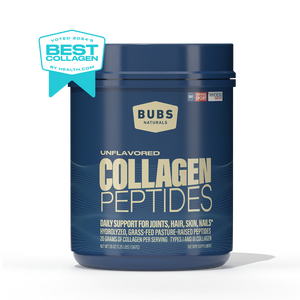
This is why we often emphasize the importance of high-quality protein and amino acids. Our Collagen Peptides are a staple for many in our community because they provide the specific amino acids, like glycine and proline, that support the structural integrity of the very tissues being stressed during these daily sessions. When you train seven days a week, your connective tissues—tendons and ligaments—often take longer to recover than the muscles themselves. Supporting them becomes a non-negotiable part of your routine.
The Case for Daily Movement
While "working out" every day at high intensity may be risky, moving every day is highly encouraged. There is a distinct difference between a "training session" and "movement." The U.S. Department of Health guidelines suggest at least 150 minutes of moderate-intensity activity per week. For many, spreading this out over seven days is much more manageable than trying to cram it into two or three long sessions.
One of the primary benefits of daily movement is the combatting of a sedentary lifestyle. Research suggests that many adults spend up to 70% of their waking hours sitting. A daily commitment to the gym or a brisk walk breaks this cycle. Furthermore, daily exercise has been shown to be a powerful regulator of mood. Physical activity triggers the release of endorphins and supports the regulation of neurotransmitters like serotonin and dopamine. For those who use exercise as a tool for mental clarity, a day without movement can feel like a day with a cloudy lens.
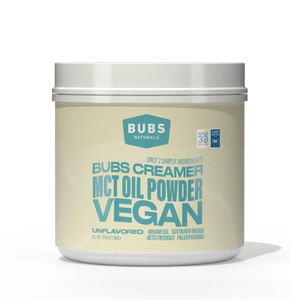
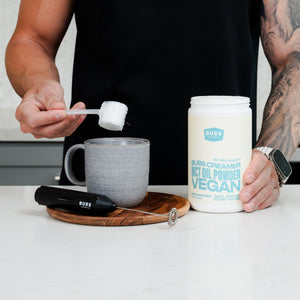
Consistency also builds discipline. When you decide that some form of movement is mandatory every day, you remove the "should I or shouldn't I" internal debate. It becomes a part of who you are, much like the relentless spirit of the veteran community we support. To keep your energy levels stable for these daily efforts, many of us turn to MCT Oil Creamer in our morning coffee. It provides clean, coconut-derived fats that the body can quickly convert into energy, helping you power through a morning session without the crash associated with sugary pre-workouts.
The Risks of Overtraining Syndrome (OTS)
If you ignore the body’s signals and push through intense workouts seven days a week, you risk entering the territory of Overtraining Syndrome. OTS is more than just feeling tired; it is a systemic physiological "shutdown" that can take weeks or even months to recover from.
The signs of overtraining are often subtle at first. You might notice a persistent resting heart rate that is higher than usual. You might find that weights that used to feel light now feel heavy, or your running times are slowing despite your increased effort. This "plateau" or regression in performance is a major red flag.
Other symptoms include:
-
Sleep Disturbances: Despite being exhausted, you find it difficult to fall or stay asleep.
-
Hormonal Shifts: Overtraining can lead to elevated cortisol (the stress hormone) and a drop in testosterone, which further hinders muscle recovery.
-
Immune Suppression: You might find yourself catching every cold or flu that goes around because your body is too busy trying to repair muscle tissue to defend against pathogens.
-
Increased Injury Risk: Chronic fatigue leads to poor form, and overused tendons can lead to conditions like tendonitis or stress fractures.
To help maintain a healthy internal environment and support the body's natural defenses during heavy training phases, we recommend incorporating Vitamin C into your daily regimen. As a powerful antioxidant, it helps combat the oxidative stress that accumulates during frequent exercise and supports the formation of collagen within the body.
Structuring a Safe 7-Day Routine
If you are committed to the 7-day-a-week lifestyle, the "how" is more important than the "how often." The key is a well-designed training split that ensures no single muscle group or system is being overloaded.
The "Split" Method
Instead of doing full-body workouts every day, which is a recipe for disaster, most daily trainees use a split. A popular choice is the "Push/Pull/Legs" (PPL) rotation.
-
Day 1 (Push): Chest, shoulders, and triceps.
-
Day 2 (Pull): Back, biceps, and rear delts.
-
Day 3 (Legs): Quads, hamstrings, and calves.
-
Day 4: Repeat or insert an active recovery day.
By using this method, your chest and shoulders (the "push" muscles) get at least 48 to 72 hours of rest while you focus on your "pull" and "leg" muscles. This allows for daily gym attendance while respecting the biological reality of muscle repair.
Active Recovery is Still a Workout
In a 7-day plan, at least one or two of those days should be dedicated to "active recovery." This means moving your body without stressing it. Examples include a 30-minute walk, a gentle yoga session, or light swimming. The goal of active recovery is to increase blood flow to the muscles, which helps flush out metabolic waste and deliver nutrients to damaged tissues without adding more micro-tears.
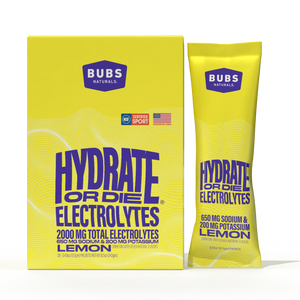
During these active recovery days, hydration remains paramount. It’s easy to forget to drink enough water when you aren't sweating through a high-intensity session, but your cells need those electrolytes to function. Our Hydrate or Die - Lemon provides a precise balance of minerals without the sugar, ensuring that your recovery is as efficient as possible.
Nutrition and Supplementation for the Daily Athlete
When you increase the frequency of your training, you must also increase the quality of your fuel. You cannot expect a high-performance engine to run on low-grade fuel, especially when it's running 24/7.
Macronutrient Balance
Protein is the building block of repair. If you are training daily, your protein requirements are higher than the average person's. Aim for high-quality sources like grass-fed meats, wild-caught fish, and, of course, a clean collagen source. Our Collagen Peptides Collection offers versatile ways to hit your protein goals, whether you prefer a quick scoop in your water or a travel pack for on-the-go recovery.
Carbohydrates are also essential for the daily athlete. They replenish the muscle glycogen that is burned during exercise. Without adequate carbs, your intensity will inevitably drop, and your body may begin to break down muscle tissue for energy.
The Power of Micronutrients
Don't neglect the "small" things. Vitamins and minerals act as the spark plugs for your metabolism. For example, maintaining gut health is crucial for nutrient absorption. If your gut isn't functioning optimally, it doesn't matter how much protein you eat. Many in our community use Apple Cider Vinegar Gummies as a simple daily habit to support digestion and general wellness.
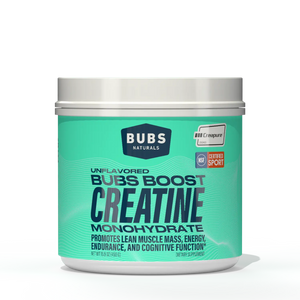
For those focusing on strength and power across their 7-day split, Creatine Monohydrate is one of the most researched and effective supplements available. It helps replenish ATP—the primary energy currency of the cell—allowing you to maintain high performance across multiple sessions without the early-onset fatigue that often plagues overtrained athletes.
Mental Burnout and the Psychology of Rest
While the physical risks of daily training are often discussed, the mental toll is just as significant. The "grind" can eventually become a burden rather than a joy. If you find yourself dreading your workouts or feeling a sense of guilt when you can't make it to the gym, it may be time to re-evaluate your relationship with exercise.
Fitness should be a tool that enhances your life, not a cage that restricts it. Glen Doherty lived a life that balanced intense military service with surfing, skiing, and adventuring. He knew when to go all-out and when to enjoy the flow of the ocean. Taking a day off to go for a hike with friends or to simply relax is not "losing progress." In fact, the mental refresh often leads to a more focused and intense session when you do return to the weights.
We encourage you to listen to your body’s "internal GPS." If you wake up feeling genuinely drained, or if your motivation has vanished, your body is speaking to you. Honoring that need for rest is a sign of an advanced athlete, not a weak one. It takes more discipline to take a needed rest day than it does to mindlessly follow a schedule that is no longer serving you.
The Role of Sleep in Daily Training
If you are training seven days a week, sleep is your most powerful performance enhancer. It is the only time the body enters a deep state of physical and neurological repair. During deep sleep, the pituitary gland releases growth hormone, which is essential for tissue repair and muscle growth.
Sleep deprivation acts as a multiplier for the negative effects of overtraining. Lack of sleep increases systemic inflammation, impairs glucose metabolism, and slows down reaction times. If you are getting less than seven to nine hours of high-quality sleep, a 7-day training schedule is likely doing more harm than good.
To maximize the benefits of your daily movement, treat your sleep hygiene with the same respect as your training program. Cool your room, dim the lights an hour before bed, and consider how your evening nutrition affects your rest. Many people find that a warm beverage with a scoop of Collagen Peptides helps them feel satiated and supported as they head into their nightly recovery phase.
The BUBS Naturals Philosophy
At BUBS Naturals, we aren't just selling supplements; we are honoring a way of life. Everything we do is rooted in the "10% Rule"—our commitment to donate 10% of all profits to veteran-focused charities. This mission keeps us grounded and reminds us that our health is a gift that allows us to serve others and live with purpose.
When we talk about whether it's safe to workout every day, we look at it through the lens of longevity. We want you to be as active and adventurous at 80 as you are at 20. That requires a "no-BS" approach to your health. It means using products with zero fillers, zero shortcuts, and a whole lot of heart. Whether you’re using our MCT Oil Creamer for a morning mental boost or our Hydrate or Die for a post-workout refresh, you are choosing to fuel your body with the cleanest ingredients possible.
Daily exercise can be a beautiful part of a purposeful life, provided it is done with intelligence. It is about finding the "sweet spot" where you are challenging your limits without breaking your spirit. It’s about being ready for whatever adventure comes your way, whether that’s a grueling mountain climb or a day spent playing with your kids.
Conclusion
Is it safe to workout 7 days a week? The answer lies in your ability to listen to your body and program with precision. While the "no days off" mantra sounds heroic, the most successful athletes are those who understand that recovery is an active process. You can move every day, and you can even train most days, but you must ensure that your intensity, nutrition, and sleep are all aligned to support that volume.
We have explored the science of muscle repair, the warning signs of overtraining, and the critical role of active recovery. We’ve seen how strategic training splits can allow for daily gym sessions without leading to burnout. Most importantly, we've highlighted that your body needs the right building blocks to thrive under pressure.
From the joint-supporting power of Collagen Peptides to the essential electrolytes in Hydrate or Die, how you supplement your efforts determines how long you can stay in the game. Don't let your drive for fitness become the very thing that sidelines you. Train hard, but recover harder.
As you move forward, we invite you to take the BUBS approach: stay curious, stay adventurous, and always give back. If you’re ready to take your recovery to the next level and support your joints through every daily session, explore our Collagen Peptides and feel the BUBS difference. One scoop can be the change your routine needs to stay safe, effective, and purposeful.
FAQ
1. Can I still build muscle if I don't take a full rest day?
Yes, you can build muscle without a full day of total rest, but only if you use a "split" routine. This ensures that while you are training one muscle group (like your legs), the muscle groups you trained previously (like your chest and back) are in their recovery phase. Without rotating your focus, you risk muscle breakdown and injury. Adding Collagen Peptides to your post-workout routine can further support the repair of the connective tissues that are stressed during daily sessions.
2. What is the difference between active recovery and a regular workout?
A regular workout is designed to challenge your limits and induce a training effect (like getting stronger or faster). Active recovery is designed to support the healing process. It should be low-intensity—think a heart rate that allows you to easily hold a conversation. The goal is to move, not to strain. Proper hydration with Hydrate or Die is just as important during active recovery to help flush out toxins and keep your cells functioning optimally.
3. How do I know if I am overtraining?
The most common signs of overtraining include persistent fatigue, a lack of motivation, a sudden drop in gym performance, and "niggles" or small injuries that don't seem to heal. You might also notice that you are more irritable or have trouble sleeping. If you notice these signs, it is crucial to scale back your intensity or take a few days of total rest. Supporting your immune system with Vitamin C during high-volume phases can also help mitigate some of the systemic stress.
4. Is it better to do cardio or strength training on my seventh day?
This depends on your primary goals. If you are a lifter, a light cardio session like a walk or a slow swim can be a great way to stay active without taxing your central nervous system. If you are an endurance athlete, a light mobility or yoga session might be more beneficial. The "seventh day" is best used for something that complements your main training but doesn't replicate the same stress. To keep your energy up for these variety-filled weeks, consider the sustained energy provided by MCT Oil Creamer.