Table of Contents
- Introduction
- The Physiology of Detraining: Use It or Lose It
- Cardiovascular Decline: The First System to Shift
- Muscular Adaptations and the Role of Muscle Memory
- Metabolic Shifts and the Risk of "Creeping" Fat
- The Cognitive and Psychological Impact of a Break
- Strategies to Mitigate Deconditioning
- Returning to Training: The Comeback Plan
- Life Happens, But Readiness is a Choice
- Summary of Key Takeaways
- FAQ
Introduction
Did you know that just 14 days of relative inactivity can measurably alter the way your body processes energy and maintains its structure? Research from the University of Liverpool recently highlighted that when active individuals transitioned from a robust 10,000 steps per day to a sedentary 1,500 steps, they experienced significant metabolic shifts in just two weeks. This wasn't just a matter of feeling a bit sluggish; it involved tangible changes in muscle mass, fat distribution, and cardiovascular efficiency. For those of us who live for the next adventure, understanding the mechanics of detraining is essential for maintaining a lifestyle of peak performance.
At BUBS Naturals, we are driven by the legacy of Glen “BUB” Doherty—a Navy SEAL, adventurer, and dedicated teammate who believed in being physically prepared for whatever challenge lay ahead. We built this brand to provide clean, science-backed nutrition that supports that very readiness. Whether you are sidelined by a busy work season, a vacation, or a minor injury, knowing what happens when you don't workout for 2 weeks allows you to navigate that hiatus with intention rather than anxiety.
In this exploration, we will dive deep into the physiological "unraveling" that occurs during a fortnight of rest. We will examine the decline of aerobic capacity, the subtle shifts in muscular strength, and the metabolic impact on insulin sensitivity and fat storage. More importantly, we’ll discuss how to mitigate these effects using smart nutrition and a "no-BS" approach to recovery. By the end of this article, you will understand how to protect your hard-earned gains and why a two-week break, while impactful, is entirely reversible with the right strategy. Together, we’ll look at the science of staying ready, even when life forces you to slow down.
The Physiology of Detraining: Use It or Lose It
To understand what happens when you don't workout for 2 weeks, we first need to define "detraining." In the world of exercise science, detraining is the partial or complete loss of training-induced adaptations in response to an insufficient training stimulus. Essentially, your body is a master of efficiency. If you aren't using your muscles to lift heavy loads or your heart to pump massive amounts of oxygen, your body decides it no longer needs to spend the energy required to maintain those high-performance systems.
This process is governed by the principle of reversibility. Just as your body adapts to the stress of exercise by getting stronger and leaner, it adapts to the lack of stress by returning to a baseline state. This isn't a failure of your biology; it’s a survival mechanism. Maintaining dense muscle tissue and a high VO2 max is metabolically "expensive." When the demand disappears, the body shifts its resources elsewhere.
However, the rate at which we decondition varies depending on the system in question. Our cardiovascular system—the engine that drives our endurance—tends to show signs of decline much faster than our skeletal muscle system. This is why you might feel out of breath during your first run back after a break, even if your legs still feel relatively strong. Understanding this timeline is the first step in managing a hiatus without losing your mind—or your progress.
Cardiovascular Decline: The First System to Shift
When you take a two-week break, your heart and lungs are the first to notice. Aerobic fitness reduces significantly faster than muscle mass. Within just a few days of inactivity, the total volume of blood circulating in your body begins to decrease. This leads to a reduction in "stroke volume," which is the amount of blood your heart can pump out with each beat.
By the end of the second week, several key changes have occurred:
-
VO2 Max Reduction: Your VO2 max—the gold standard measurement of aerobic fitness—can drop by about 1% per day of total inactivity. After 14 days, you might see a decrease of 7% to 10%.
-
Mitochondrial Efficiency: Mitochondria are the "power plants" of your cells. They are responsible for turning nutrients into energy. Studies have shown that mitochondrial density can drop by nearly 50% after a period of prolonged inactivity, meaning your cells become less efficient at producing the energy required for high-intensity movement.
-
Increased Heart Rate: Because your stroke volume has decreased, your heart has to work harder (beat faster) to deliver the same amount of oxygen to your muscles. You may notice that your resting heart rate creeps up, and your heart rate during light activity feels higher than usual.
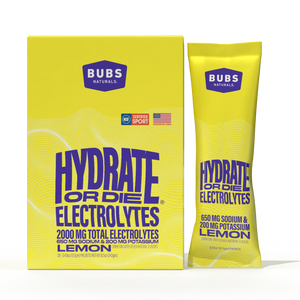
To support your cardiovascular health during these transitions, we often recommend maintaining a baseline of movement. Even if you aren't hitting the gym, staying hydrated is critical. Using something like our Hydrate or Die electrolytes can help maintain fluid balance and support your circulatory system when your activity levels dip. Proper hydration ensures that your blood volume remains as stable as possible, making the eventual return to training much smoother.
Muscular Adaptations and the Role of Muscle Memory
The good news for the weightlifters among us is that strength is more resilient than cardio. If you've spent months or years building a solid foundation of muscle, a 14-day break is unlikely to lead to significant muscle tissue loss, especially if you continue to move throughout your day.
What people often perceive as "losing muscle" in two weeks is usually a loss of water and glycogen within the muscle cells. When you stop training, your muscles store less glycogen (the primary fuel for intense exercise). Since glycogen holds onto water, your muscles might look smaller or "flatter" in the mirror. This isn't true atrophy—the actual shrinking of muscle fibers—but rather a temporary change in muscle volume.
However, while the tissue remains, the "neuromuscular" connection can start to dull. This is the communication between your brain and your muscles. After two weeks of not lifting, your nervous system might not be as efficient at "firing" those muscle fibers, which is why your first workout back might feel heavy or uncoordinated.
This is where our Collagen Peptides become a vital part of your routine. Collagen is the primary structural protein in your body, providing the "glue" for your joints, tendons, and ligaments. Even when you aren't actively tearing down muscle fibers in the gym, continuing to supplement with Collagen Peptides provides the amino acids necessary to support connective tissue health. This keeps your "chassis" ready for when you decide to put the engine back into high gear.
Furthermore, we should never overlook the power of "muscle memory." Your body retains "satellite cells" created during your training years. These cells act as a blueprint, allowing you to regain lost strength and size much faster than someone starting from scratch. So, if you're worried about what happens when you don't workout for 2 weeks, remember: your body remembers the work you’ve put in.
Metabolic Shifts and the Risk of "Creeping" Fat
Perhaps the most significant concern during a two-week hiatus is the metabolic impact. When the University of Liverpool researchers tracked sedentary behavior, they found that even in young, healthy adults, insulin sensitivity decreased. Insulin is the hormone responsible for ushering glucose (sugar) from your bloodstream into your cells for energy. When you become less sensitive to insulin, your body is more likely to store that sugar as fat.
During those 14 days of inactivity:
-
Visceral Fat Accumulation: The researchers noted an increase in abdominal fat, specifically the deep "visceral" fat that surrounds internal organs. This type of fat is metabolically active and linked to various long-term health challenges.
-
Triglyceride Spikes: Levels of triglycerides (fats in the blood) often rise when physical activity stops, as the body isn't burning them off for fuel.
-
Liver Fat: Even a short period of inactivity can lead to small increases in fat accumulation within the liver.
To combat these metabolic shifts, nutrition becomes your primary lever. When your energy expenditure drops, your caloric intake should ideally follow suit. This is a great time to focus on high-quality fats and proteins that provide satiety without the blood sugar spikes associated with processed carbohydrates.
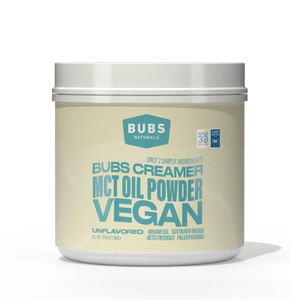
Many of our community members use MCT Oil Creamer during their morning routine to support metabolic health. MCTs (medium-chain triglycerides) are quickly converted by the liver into ketones, providing a clean energy source for the brain and body. By switching your sugary coffee creamer for our MCT Oil Creamer, you can support mental clarity and sustained energy even on days when you aren't hitting the gym, helping to bridge the metabolic gap.
The Cognitive and Psychological Impact of a Break
Physical fitness is inextricably linked to mental health. If you’ve ever felt "crabby" after missing a few days of exercise, you’ve experienced the psychological side of detraining. Exercise is a major driver of Brain-Derived Neurotrophic Factor (BDNF), a protein that supports the growth of new brain cells and helps maintain existing ones.
When you stop working out for 2 weeks, your BDNF levels can drop, which may lead to:
-
Cloudy Thinking: You might not feel as "sharp" or focused during your workday.
-
Increased Anxiety: The natural stress-relief that comes from physical exertion is gone, leaving cortisol (the stress hormone) to linger longer in your system.
-
Depressed Mood: The "dopamine hit" we get from hitting a new PR or finishing a tough trail run is a key component of our daily well-being. Without it, motivation can plummet, making it even harder to return to the gym.
Sleep also takes a hit. Physical activity creates "sleep pressure"—the body’s need for deep, restorative REM sleep to repair tissue. Without that metabolic and mechanical stress, you might find yourself tossing and turning, which further exacerbates the mental fatigue.
To support your cognitive function during a break, we recommend focusing on "active recovery" for the mind. This could be as simple as a long walk in nature or a light yoga session. We also suggest incorporating our Apple Cider Vinegar Gummies into your daily habit. Maintaining a healthy gut-brain axis is essential for mood stability, and these gummies provide a simple way to support your digestive health and overall wellness while you're away from your normal routine.
Strategies to Mitigate Deconditioning
Taking two weeks off doesn't have to mean starting from zero. There are several science-backed strategies to help you maintain your baseline and make your comeback as efficient as possible. At BUBS Naturals, we’re all about the "10% Rule"—donating 10% of our profits to charity, but also applying that discipline to our own lives. If you can’t give 100% to your workout today, what can you give?
1. Prioritize Protein and Supplementation
Even if you aren't lifting, your body still needs the building blocks of muscle. Keep your protein intake high to signal to your body that it should preserve its lean mass. This is the perfect time to rely on the Collagen Peptides Collection. Supplementing with high-quality, pasture-raised collagen ensures you're getting the specific amino acids needed to support your joints and skin while your activity is low.
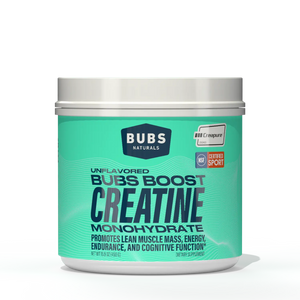
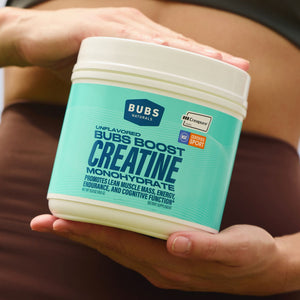
Additionally, don't stop taking your Creatine Monohydrate. Creatine is one of the most researched supplements for a reason. It has been shown to slow down the rate of strength loss during a training hiatus and can even support brain health. By maintaining your creatine stores, you’ll have the cellular energy ready to go the second you step back into the rack.
2. The Power of "Micro-Movements"
If you can't do a full hour-long workout, can you do ten minutes? Research shows that even minimal "mechanical tension"—like a single set of pushups or a brisk walk around the block—can be enough to tell your muscle fibers to stay active. Aim for at least 5,000 to 7,000 steps a day to keep your metabolic markers in check.
3. Support Your Immune System
Often, a two-week break is caused by illness. In these cases, your body is using all its energy to fight off a bug. Support it with our Vitamin C, which provides 500mg of antioxidant support along with citrus bioflavonoids. This helps your body recover faster so your "2-week break" doesn't accidentally turn into a two-month break.
4. Watch Your Nutrition
As mentioned earlier, metabolic health is the biggest risk during inactivity. Focus on whole foods. If you’re feeling extra hungry despite the lack of activity, reach for healthy fats like those found in our Butter MCT Oil Creamer – 10 oz Tub. It provides a creamy, satisfying addition to your coffee or tea that helps keep cravings at bay and supports a steady metabolism.
Returning to Training: The Comeback Plan
The most important takeaway from the University of Liverpool study was that the negative effects of a two-week break were entirely reversible. Once the participants returned to their normal activity levels, their insulin sensitivity, fat distribution, and VO2 max returned to baseline within another two weeks.
However, the "ego" is often the biggest obstacle to a successful return. You cannot expect to hit your old 1 rep max or your best mile time on your first day back. Here is how we recommend easing back in:
-
Week 1 (The Re-Introduction): Focus on mobility and light resistance. Aim for about 50-60% of your usual intensity. Use this time to "wake up" your nervous system and check in with your joints.
-
Week 2 (The Build): Increase the intensity to 75-80%. You may experience significant Delayed Onset Muscle Soreness (DOMS) during this week, as your muscles adapt to the mechanical stress again. This is when our Hydrate or Die – Mixed Berry is most useful—keep those electrolytes high to support muscle function and recovery.
-
Week 3 (The Return): By now, your muscle memory should be fully kicked in, and your cardiovascular system should be catching up. You can likely return to your full training volume.
Throughout this process, stay consistent with your Collagen Peptides. As you increase your training load, your tendons and ligaments will be under more stress. Giving them the nutritional support they need is the best way to prevent the "overuse injuries" that often happen when people try to make up for lost time too quickly.
Life Happens, But Readiness is a Choice
We understand that life isn't always a straight line of progress. There are peaks and valleys. Glen Doherty didn't just train for the sake of looking good; he trained to be a "fit person" who could handle any situation. That means understanding that a break is sometimes necessary for long-term sustainability.
Whether you’re recovering from an injury or just dealing with the chaos of daily life, don't let a two-week lapse turn into a permanent lifestyle change. The "what happens when you don't workout for 2 weeks" scenario is a temporary dip, not a permanent floor. By staying proactive with your nutrition and maintaining a "no-BS" mindset, you can protect your health and be ready to hit the ground running when the time is right.
We are here to support that journey. Our products are designed to be easy-mixing, clean, and effective, so you don't have to overthink your wellness routine. Whether it's a scoop of Collagen Peptides in your morning smoothie or a travel pack of MCT Oil Creamer for your next trip, we provide the tools to keep you moving forward.
Summary of Key Takeaways
To recap, here is the roadmap of what to expect and how to handle a 14-day training hiatus:
-
Cardio Fades First: Expect a 7-10% drop in VO2 max and a slight increase in resting heart rate.
-
Muscle Stays (Mostly): You won't lose actual muscle tissue in two weeks, but you will lose water/glycogen, making muscles look smaller.
-
Metabolism Shifts: Insulin sensitivity drops, and the body may store more abdominal fat. Combat this with smart nutrition and MCT Oil Creamer.
-
Connective Tissue Matters: Keep supporting your joints with the Collagen Peptides Collection to ensure your structure stays sound.
-
Reversibility is Real: You can gain it all back in about two weeks of consistent effort.
At the end of the day, wellness is about the long game. It’s about being able to say "yes" to the next hike, the next race, or the next mission. We believe in your ability to bounce back, and we’re proud to be part of your toolkit.
If you’re ready to get back on track or want to ensure you’re protecting your body during your next break, explore our full Collagen Peptides Collection. It’s the simplest, cleanest way to support your body's foundation every single day. One scoop. Feel the difference.
FAQ
Will I lose all my strength if I stop lifting for two weeks?
No, you will not lose all your strength. While your neuromuscular efficiency (the brain-to-muscle connection) might dull slightly, actual muscle tissue loss takes much longer to occur. Most people find that they can return to their previous strength levels within a week or two of resuming their routine. To help maintain muscle during a break, we recommend continuing to take Creatine Monohydrate.
Why do my muscles look smaller after just a few days of rest?
This is typically due to a decrease in muscle glycogen and water retention. When you aren't training, your muscles don't need to store as much fuel (glycogen), and since each gram of glycogen holds about three to four grams of water, your muscles may appear "flat." This is temporary and will resolve almost immediately once you resume training and proper nutrition.
Can a two-week break actually be good for me?
Yes! For many athletes, a two-week break can act as a "deload" period. It gives your central nervous system, joints, and connective tissues time to fully recover from months of hard training. Many people find they actually return stronger and more motivated after a planned break. Using our Collagen Peptides during this time further supports the repair of those connective tissues.
How should I adjust my diet when I'm not working out for two weeks?
When your activity levels drop, your body requires fewer calories. Focus on high-quality proteins and healthy fats to maintain satiety and muscle mass. This is a great time to avoid sugary snacks and processed carbs that can lead to insulin resistance. Adding MCT Oil Creamer to your morning coffee can provide sustained energy and help you stay sharp without the need for constant snacking.