Table of Contents
- Introduction
- Understanding Apple Cider Vinegar
- Is It Safe While Breastfeeding?
- Potential Benefits for Nursing Mothers
- Potential Side Effects to Watch For
- How to Take Apple Cider Vinegar Safely
- Integrating ACV into a Postpartum Wellness Routine
- The Bottom Line on ACV and Breastfeeding
- Conclusion
- FAQ
Introduction
The postpartum period is a time of massive transition. You are balancing the demands of a newborn, navigating fluctuating hormones, and likely looking for ways to regain your energy and feel like yourself again. For many new mothers, apple cider vinegar (ACV) often comes up as a potential tool for supporting metabolism, digestion, and overall wellness. However, when you are breastfeeding, every choice you make regarding your diet and supplements feels much heavier. You want to ensure that what you consume is safe for both you and your baby.
At BUBS Naturals, we believe in keeping things simple and science-backed, especially when it comes to the supplements you use during such a critical life stage. While apple cider vinegar is a staple in many wellness routines, its use during lactation requires a bit more nuance than usual. This guide will explore the safety, benefits, and practical considerations of using apple cider vinegar while nursing. We will cover the difference between pasteurized and raw varieties, the potential impact on your milk, and how to incorporate it safely into your busy routine.
Quick Answer: Yes, it is generally considered safe to take apple cider vinegar while breastfeeding, provided it is pasteurized and diluted. Choosing pasteurized versions, like high-quality gummies or filtered liquids, minimizes the risk of exposure to harmful bacteria that could affect your health and indirectly impact your baby.
Understanding Apple Cider Vinegar
Apple cider vinegar is created through a two-step fermentation process. First, crushed apples are exposed to yeast, which ferments the sugars and turns them into alcohol. Second, bacteria are added to the alcohol, which further ferments it into acetic acid—the primary active compound in vinegar.
The result is a liquid rich in acetic acid, along with small amounts of vitamins, minerals, and polyphenols. In its raw, unfiltered state, ACV contains "the Mother." This is a cloudy substance made of strands of protein, enzymes, and friendly bacteria. While "the Mother" is often praised in general wellness circles for its probiotic-like qualities, the rules change slightly when you are breastfeeding.
The Role of Acetic Acid
The main reason people reach for ACV is acetic acid. This compound is what gives vinegar its strong smell and sour taste. Research suggests that acetic acid may support various metabolic functions. It can help regulate how the body processes carbohydrates and may support stable blood sugar levels. For a breastfeeding mother who is dealing with energy crashes and intense hunger, these benefits can be particularly appealing.
Raw vs. Pasteurized
This is the most critical distinction for breastfeeding mothers. Raw, unpasteurized apple cider vinegar has not been treated with heat to kill bacteria. While these bacteria are often "good" (probiotics), there is a small risk that unpasteurized products can harbor harmful pathogens like E. coli or Salmonella.
When you are breastfeeding, your immune system is already under significant stress. A foodborne illness can lead to dehydration, which directly impacts your milk supply. Therefore, many experts recommend sticking to pasteurized ACV products while nursing to ensure the highest level of safety.
Is It Safe While Breastfeeding?
The short answer is yes, but the details matter. There is no evidence to suggest that apple cider vinegar itself is toxic or harmful to a nursing infant. Most of the vinegar is metabolized by the mother's body before it ever reaches the milk supply. However, the safety profile depends entirely on the form and the dosage.
The Risk of Unpasteurized ACV
The primary concern with unpasteurized ACV is not the vinegar itself, but the potential for bacterial contamination. If a mother consumes unpasteurized vinegar and contracts a foodborne illness, the symptoms—vomiting, diarrhea, and fever—can be severe. While the bacteria themselves may not pass through breast milk, the resulting maternal dehydration and stress can significantly reduce milk volume. For this reason, choosing pasteurized versions is the safest path forward.
Impact on Breast Milk Taste
A common concern among mothers is whether the strong, acidic taste of ACV will change the flavor of their breast milk. While some strong flavors like garlic or mint can transfer to milk, there is no clinical evidence suggesting that apple cider vinegar alters the taste of milk enough to cause a baby to reject it. Most babies continue to nurse without any issues when the mother consumes ACV in moderation.
Myth: Apple cider vinegar will make your breast milk too acidic for the baby.
Fact: Your body is highly efficient at maintaining a stable pH level in your blood and breast milk. Consuming diluted vinegar in recommended amounts will not significantly change the pH of your milk or harm your baby’s digestion.
Potential Benefits for Nursing Mothers
If you choose to incorporate ACV into your routine, there are several ways it may support your health during the postpartum period.
Supporting Metabolism and Weight Management
Many mothers look to ACV to help them return to their pre-pregnancy weight. While it is not a "magic" solution, acetic acid may support weight management by promoting feelings of fullness and helping the body manage fat storage. When combined with a balanced diet and the high caloric demands of breastfeeding, ACV can be a helpful tool for those looking to manage their weight in a sustainable way. If you want to explore more of the broader supplement lineup, the Boosts Collection is a natural place to start.
Blood Sugar Regulation
Breastfeeding often causes intense hunger and "hangry" moments as your body calls for more calories. This can lead to sugar cravings and subsequent energy crashes. ACV may help improve insulin sensitivity and lower blood sugar responses after meals. By stabilizing these levels, you may find that you have more consistent energy throughout the day, which is essential when you're dealing with sleep deprivation.
Digestive Support
Postpartum digestion can be sluggish. Many women experience bloating or constipation as their organs shift back into place and hormones recalibrate. ACV contains pectin, a soluble fiber that may help soothe the digestive tract and promote regularity. Additionally, its acidic nature can support the stomach's natural digestive processes, helping you break down food more efficiently.
Immune System Strength
The antimicrobial properties of acetic acid are well-documented. While it shouldn’t replace traditional immune support, ACV may provide a small boost to your body’s natural defenses. For a new mom, staying healthy is a top priority, as being sick while caring for an infant is a major challenge.
Potential Side Effects to Watch For
Even natural supplements can have side effects if used incorrectly or in excessive amounts. Breastfeeding mothers should be aware of a few specific risks.
Potassium Levels
High doses of apple cider vinegar have been linked to low potassium levels (hypokalemia). Potassium is a vital electrolyte that supports muscle function and hydration. Since breastfeeding mothers already have increased needs for electrolytes, it is important to avoid over-consuming ACV. If you are taking medications that already lower potassium, such as certain diuretics, you should consult your healthcare provider before using ACV.
Tooth Enamel Erosion
The high acidity of liquid vinegar can be hard on your teeth. If you drink it daily, the acid can slowly wear down your tooth enamel, leading to sensitivity and decay. This is why dilution is non-negotiable. Using a straw or choosing a gummy form can help protect your teeth from direct acid exposure.
Digestive Upset
While ACV helps some with digestion, it can cause others to experience heartburn or nausea, especially if taken on an empty stomach. If you notice that ACV makes you feel unsettled, try taking it with a meal or reducing the dosage.
Key Takeaway: The goal of using apple cider vinegar while breastfeeding should be gentle support, not aggressive change. Start with small amounts to ensure your body and your baby respond well before making it a daily habit.
How to Take Apple Cider Vinegar Safely
If you decide to add ACV to your wellness routine, following a few safety protocols will ensure you get the benefits without the risks.
1. Always Dilute
Never drink liquid apple cider vinegar "straight." Its concentrated acidity can burn the delicate tissues of your esophagus. The standard recommendation is one to two tablespoons of ACV diluted in at least eight ounces of water. You can also mix it into salad dressings or marinades to incorporate it into your meals naturally.
2. Choose the Right Form
For many busy moms, measuring out liquid vinegar and dealing with the pungent taste isn't ideal. This is where gummies come in. Our Apple Cider Vinegar Gummies are a great option because they provide the benefits of ACV in a pasteurized, easy-to-take format. We include "the Mother" in our formula to ensure you get the most out of every bite, but because they are carefully processed and tested, they offer a level of safety that raw liquid often doesn't.
3. Time It Right
To maximize the blood sugar benefits, try taking your ACV shortly before a meal. This allows the acetic acid to begin working on the carbohydrates you're about to consume. However, if you have a sensitive stomach, taking it during the meal is often more comfortable.
4. Rinse Your Mouth
If you are using the liquid form, make it a habit to rinse your mouth with plain water after drinking your ACV mixture. This helps wash away any lingering acid and protects your tooth enamel.
| Method |
Safety Consideration |
Convenience Level |
| Liquid (Raw) |
High risk of bacteria; hard on teeth |
Low |
| Liquid (Pasteurized) |
Safe from bacteria; still hard on teeth |
Medium |
| ACV Gummies |
Safe; easy on teeth; controlled dose |
High |
| Encapsulated Powder |
Safe; no taste issues |
Medium |
Integrating ACV into a Postpartum Wellness Routine
Breastfeeding is an athletic event for the body. It requires massive amounts of energy, hydration, and nutrients. Apple cider vinegar should be seen as one small piece of a much larger recovery puzzle.
Hydration is Priority One
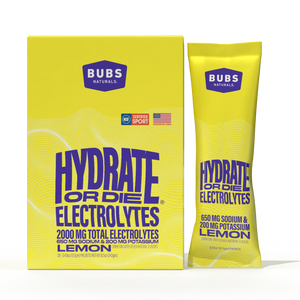
No supplement can replace the need for water and electrolytes while nursing. If you are using ACV for weight management or energy, ensure you are also focusing on hydration. We often suggest pairing your wellness routine with something like our Hydrate or Die electrolytes. Proper hydration supports milk volume and keeps your energy levels stable, making the benefits of ACV even more effective.
Clean Ingredients Matter
When you're breastfeeding, "no BS" isn't just a catchy phrase—it's a requirement. You want to avoid supplements filled with artificial dyes, excess sugars, or fillers. BUBS Naturals was founded on the principle of providing clean, high-quality nutrition inspired by the legacy of Glen "BUB" Doherty. Every product we make is designed to be functional and straightforward, so you don't have to worry about what's going into your body or your baby's. Learn more in our story.
The Bottom Line on ACV and Breastfeeding
Taking apple cider vinegar while breastfeeding is safe for most women as long as you prioritize pasteurized products and practice moderation. It can be a helpful tool for managing blood sugar, supporting digestion, and helping you navigate the physical demands of new motherhood.
However, always listen to your body. If you notice any changes in your baby's behavior, such as increased fussiness or changes in digestion, or if you feel unwell, it's best to pause and consult your doctor or a lactation consultant. Every person's biochemistry is different, and what works for one mother might not be the right fit for another.
Bottom line: Use pasteurized ACV or gummies, always dilute liquid versions, and focus on it as a supportive tool rather than a quick fix.
Conclusion
Navigating the world of supplements while breastfeeding can feel overwhelming, but it doesn't have to be. Apple cider vinegar is a time-tested tool that can offer real support during the postpartum journey, provided you choose the right form. By sticking to pasteurized options and prioritizing clean, simple ingredients, you can feel confident in your choice to support your health.
At BUBS Naturals, our mission is to provide you with the cleanest supplements to fuel your adventures—whether that adventure is a mountain hike or the daily journey of motherhood. We are also committed to a higher purpose. In honor of Glen "BUB" Doherty, we donate 10% of all our profits to veteran-focused charities. When you choose our products, you're not just supporting your own wellness; you're contributing to a legacy of service and sacrifice.
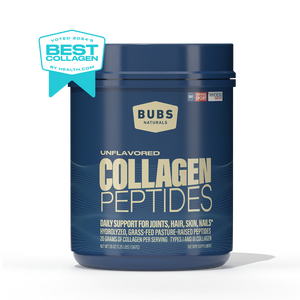
Whether you're looking for the convenience of our Apple Cider Vinegar Gummies or the recovery support of our Collagen Peptides, we are here to help you live a better, more vibrant life. Take things one step at a time, listen to your body, and enjoy this season with your little one.
FAQ
Is it better to use ACV gummies or liquid while breastfeeding?
Gummies are often preferred by breastfeeding mothers because they are typically pasteurized and don't carry the risk of tooth enamel erosion associated with acidic liquids. They also offer a controlled, consistent dose without the harsh taste of vinegar. If you want a deeper look at how our gummy formula is positioned, see this ACV gummy guide.
Can apple cider vinegar help increase my milk supply?
There is no scientific evidence to suggest that ACV directly increases milk production. However, by helping to stabilize blood sugar and improve digestion, it can support your overall energy and wellness, which indirectly helps you maintain the stamina needed for breastfeeding.
Should I avoid "the Mother" while I am nursing?
You do not necessarily need to avoid "the Mother," but you should ensure the product is pasteurized. Some gummies include the beneficial components of "the Mother" while still undergoing a safe manufacturing process that eliminates the risk of harmful bacteria.
How much apple cider vinegar is safe to take per day?
Most experts recommend limiting intake to one to two tablespoons of liquid ACV (diluted) or one to two gummies per day. Consuming excessive amounts can lead to low potassium levels or digestive discomfort, so it is best to stick to the recommended serving sizes.