Recovery Is Part of the Training
Most of us are good at the hard part. We show up for the early workout, the long run, the extra set. Where we fall short is everything that happens after.
Training is only half the work. The workout breaks your body down a little, and your body rebuilds during recovery. That's when the stronger version of you gets built. Skip recovery and you're mostly just getting tired.
The good news is that real recovery doesn't take hours. It takes a few unglamorous habits done every day. Here's how to fit them into a schedule that's already full.
1. Sleep: The Recovery Tool You're Probably Underusing
If you only change one thing, make it sleep. Deep sleep is when your body does most of its repair work: rebuilding muscle, restoring energy, and getting you ready for tomorrow. Most adults need 7 or more hours a night. Many of us come in short and call it normal.
How to sleep better on a busy schedule:
-
Keep the same bedtime, even on weekends. A consistent schedule matters almost as much as total hours. Your body likes rhythm.
-
Set a caffeine cutoff. Enjoy your morning coffee (we're big fans), but try to finish your last cup by early afternoon.
-
Give yourself a 30-minute wind-down. Dim the lights, put the phone face down, and do something easy: read, stretch, or prep tomorrow's coffee.
-
Keep the bedroom cool, dark, and quiet. It's a small change that makes a real difference.
We've also been working on something to help with this part of your day. More on that soon. 👀
2. Rest Days Aren't Lazy Days
A rest day isn't a day off from progress. It's part of the plan. If you train hard every day without a break, you build up fatigue faster than your body can recover from it. That's how routines stall and nagging aches start to stick around.
The best rest days are usually active recovery days: easy movement that gets blood flowing without adding stress.
Good active recovery options:
- A 20–30 minute walk, ideally outside
- An easy bike ride or swim at conversation pace
- Ten minutes of mobility work for hips, shoulders, and ankles
- Light yoga or stretching before bed
A simple rule of thumb: you should finish an active recovery day feeling better than when you started.
3. The Boring Stuff That Actually Adds Up
This is where most recovery happens, and where most people lose the thread. None of it is exciting. All of it works when you do it every day.
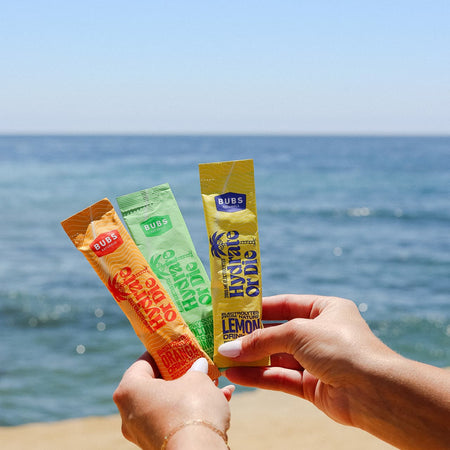
Hydrate before you're thirsty. Cooler fall mornings make it easy to drink less water, but your body still needs it, especially on training days. Start your day with a glass of water before coffee. Add electrolytes like Hydrate or Die on days you sweat.
Protein throughout the day. Your muscles rebuild from what you eat. Spreading protein across meals, instead of saving it all for dinner, helps you stay consistent.
Support the parts that take the hits. Your joints, tendons, and connective tissue do a lot of quiet work every time you run, lift, hike, or chase your kids around. That's why so many of our customers start the day with a scoop of BUBS Collagen Peptides in their morning coffee. It dissolves clear, has no taste, and takes about 15 seconds. It's the easiest recovery habit you'll ever build because it fits into something you already do.*
Pair it with Creatine on strength days. One scoop of Creatine alongside your Collagen supports strength and power during your hardest efforts.* Both go in the same cup.
4. What a Recovery-Friendly Week Looks Like
You don't need a new schedule. You need a few small anchors inside the one you already have. Here's a simple example:
| Day |
Training |
Recovery anchor |
| Monday |
Strength |
Collagen + Creatine in morning coffee; in bed by 10 |
| Tuesday |
Easy cardio |
10 minutes of mobility after work |
| Wednesday |
Hard session |
Electrolytes during; protein-forward dinner |
| Thursday |
Active recovery |
30-minute walk outside |
| Friday |
Strength |
Consistent bedtime (yes, on a Friday) |
| Saturday |
Long effort: run, hike, or ride |
Hydrate early; stretch after |
| Sunday |
Full rest |
Sleep in by an hour, not four; prep the week |
The common thread: the same small habits, every day. That's what keeps you moving well for the long haul.
5. Signs You Need More Recovery
Your body usually tells you when it's under-recovered. Watch for:
- Feeling tired even after a full night in bed
- Workouts that feel harder than they should
- Soreness that hangs around for days
- Trouble falling asleep or staying asleep
- Low motivation to train, even for things you usually love
If a few of these sound familiar, don't push harder. Take an extra rest day, protect your sleep, and get back to the basics.
The Bottom Line
The training gets the attention, but recovery delivers the results. Sleep like it matters, take your rest days seriously, and stay consistent with the small habits. Do that and you'll keep showing up for the things you love, this season and for years to come.
That's the whole idea behind BUBS. Not chasing younger. Staying ready.
Start the morning half of your recovery routine today:
Subscribe to Collagen and get 30% OFF your first order, plus a FREE $106 Welcome Kit.
[SHOP COLLAGEN →]