Table of Contents
- Introduction
- Understanding MCTs and How They Work
- The Link Between MCT Oil and Fatty Liver
- The Impact of Diet on MCT Processing
- Protective Benefits of MCT Oil for the Liver
- Quality Matters: Not All MCTs Are Equal
- How to Use MCT Oil for Optimal Health
- Conclusion
- FAQ
Introduction
You’ve likely seen the white canisters on the counters of your most health-conscious friends or noticed it being stirred into morning coffees at the gym. MCT oil has become a staple for those chasing mental clarity, sustained energy, and better metabolic health. But as with any concentrated nutrient, questions eventually surface about how it affects our internal organs—specifically the liver. Because MCTs are processed differently than other fats, it is natural to wonder if they could contribute to fat accumulation where we want it least.
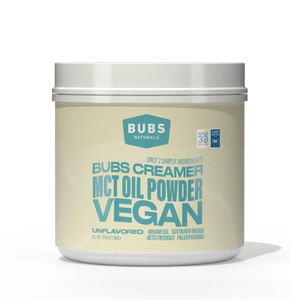
At BUBS Naturals, we believe that clarity is just as important as quality. If you’re looking for a simple, coffee-friendly option, our Butter MCT Oil Creamer fits right into a daily routine built around clean energy and convenience. We want you to understand exactly what you are putting into your body and how it interacts with your physiology. In this guide, we will break down the science behind medium-chain triglycerides, explore the current research on liver health, and answer the question: can MCT oil cause fatty liver? We will look at why context, dosage, and your overall diet play the biggest roles in how your liver handles these unique fats.
The short answer is that while MCT oil is generally considered liver-protective, especially compared to other fats, there are specific scenarios where overconsumption or poor dietary pairing could lead to issues.
Understanding MCTs and How They Work
To understand how MCT oil affects the liver, we first have to understand what makes it different from the fats found in a typical steak or a piece of cheese. Most of the fats we eat are long-chain triglycerides (LCTs). These have long carbon chains that require a complex digestion process involving bile and pancreatic enzymes. They travel through your lymphatic system before they ever reach your bloodstream.
Medium-chain triglycerides (MCTs) are different. Because their carbon chains are shorter, your body handles them with much more efficiency. Instead of going through the slow-moving lymphatic "scenic route," MCTs are absorbed directly into the portal vein. This vein takes them straight to the liver.
Once they arrive at the liver, MCTs act more like carbohydrates than traditional fats. Your liver identifies them as an immediate fuel source. It converts them into ketones—molecules that provide energy for your brain and muscles—rather than storing them in fat cells. This rapid conversion is why so many people use MCTs for a quick energy boost. If you want a broader look at the category, our MCT collection includes options built around that fast-fuel approach. However, because the liver is the primary "processing plant" for MCTs, its health is central to how well you tolerate the supplement.
Key Takeaway: Unlike most dietary fats, MCTs go directly to the liver for immediate energy conversion, bypassing the traditional fat storage pathways used by long-chain triglycerides.
The Link Between MCT Oil and Fatty Liver
When people ask if MCT oil can cause fatty liver, they are usually referring to Non-Alcoholic Fatty Liver Disease (NAFLD). This condition occurs when too much fat builds up in the liver cells, a process called steatosis. Normally, this is driven by high sugar intake, obesity, and metabolic dysfunction.
Current research presents a nuanced picture. For most people, MCT oil does not cause fatty liver. In fact, many studies suggest it may help prevent it. Because MCTs are burned for fuel so quickly, they are less likely to be "left over" to accumulate as liver fat compared to the LCTs found in processed vegetable oils.
However, some animal studies have raised a red flag regarding extreme doses. When mice were fed diets where MCTs made up a massive, unnatural percentage of their daily calories—often alongside high amounts of refined sugar—some researchers observed signs of liver stress or fat accumulation. In humans, the risk is generally linked to "excess." If you are adding hundreds of calories of MCT oil on top of a diet that is already high in calories and processed carbs, the liver can become overwhelmed.
It is also important to distinguish between fatty liver caused by alcohol and NAFLD. Interestingly, some of the strongest evidence in favor of MCTs comes from studies on alcoholic liver damage. For a closer look at how MCTs support training and recovery, see How MCT Oil Can Help Endurance & Recovery for Athletes. Research has shown that when MCTs replace other types of fats in the diet, they can actually protect the liver from the inflammatory damage typically caused by alcohol.
The Impact of Diet on MCT Processing
The most important factor in whether MCT oil supports your liver or stresses it is the rest of your plate. Your liver does not process nutrients in a vacuum; it responds to the "biological environment" created by your overall diet.
The Fructose Connection
One specific study highlighted that when MCT oil is combined with high amounts of fructose (fruit sugar or high-fructose corn syrup), it may exacerbate liver damage. Fructose is also processed primarily in the liver. When the liver is forced to handle a high load of fructose and a high load of MCTs simultaneously, it can lead to "de novo lipogenesis"—the process of creating new fat. This is why we always advocate for using supplements as part of a clean, whole-food diet.
The Ketogenic Advantage
On the flip side, those on a ketogenic or low-carb diet often see the best results with MCT oil. In a low-carb state, the liver is already primed to create ketones. MCTs provide the perfect raw material for this process. When insulin levels are low, the body is in "burn mode" rather than "store mode," making it highly unlikely that MCTs will be stored as liver fat.
Myth: MCT oil is just like any other saturated fat and will clog your liver.
Fact: MCTs are metabolized more like a fast-burning fuel than a storage fat, and they have been shown to be less likely to contribute to liver fat accumulation than long-chain fats found in many common oils.
Protective Benefits of MCT Oil for the Liver
While the concern about fatty liver is valid, the majority of evidence actually points toward MCTs being a tool for liver health rather than a hindrance. Many athletes and wellness enthusiasts use MCTs specifically because they support metabolic efficiency.
-
Reduced Fat Storage: Because MCTs increase thermogenesis (the production of heat in the body), they help the body burn more calories. This can lead to a reduction in overall body fat, which is the primary way to reduce the risk of fatty liver.
-
Anti-Inflammatory Properties: Some studies suggest that MCTs can help maintain the integrity of the gut lining. A "leaky" gut allows toxins to enter the bloodstream and travel to the liver, causing inflammation. By supporting gut health, MCTs indirectly protect the liver from these inflammatory assaults.
-
Improved Insulin Sensitivity: MCT oil may help the body respond better to insulin. Since insulin resistance is a major driver of fat storage in the liver, improving this sensitivity is a key win for long-term health.
If you’re exploring other clean BUBS products that support training goals, our Creatine Monohydrate guide is a helpful next stop. By choosing a high-quality, coconut-sourced powder, you avoid the fillers and "BS" ingredients that often contribute to the metabolic sludge that stresses the liver.
Quality Matters: Not All MCTs Are Equal
When discussing the impact of MCTs on your organs, we have to talk about source and purity. Many low-grade MCT products are extracted using harsh chemicals or contain high amounts of Lauric Acid (C12). While Lauric Acid has its own benefits, it behaves more like a long-chain fat in the body, meaning it doesn't bypass the lymphatic system as efficiently as C8 (Caprylic Acid) or C10 (Capric Acid).
To protect your liver and get the most out of your supplement, you should look for:
-
Pure Sourcing: Our MCT products are derived strictly from coconuts, never from palm oil, which is often associated with environmental destruction and lower quality standards.
-
Caprylic (C8) and Capric (C10) Focus: These are the "fast-acting" fats that the liver can process immediately.
-
No Fillers: Many powdered MCTs use maltodextrin or corn fibers as carriers. These can spike your blood sugar and insulin, negating the liver-protective benefits of the fats themselves. We ensure our formulas stay clean and functional.
How to Use MCT Oil for Optimal Health
If you are concerned about liver health but want the energy benefits of MCTs, the best approach is a gradual and mindful one. Like any training protocol, you don't start at the maximum weight on day one.
Start Small
The liver and the digestive tract need time to adjust to a concentrated source of medium-chain fats. Start with a small amount—perhaps half a scoop or one teaspoon—and see how your body reacts. Some people experience "disaster pants" (digestive urgency) if they take too much too soon. This is a sign that your body isn't yet processing the fats efficiently.
Listen to Your Body
Everyone’s metabolic threshold is different. For some, a single tablespoon of MCT oil in the morning is the perfect fuel. Others might find they feel better with a split dose. If you have a history of liver issues or high triglycerides, it is always a smart move to consult with a healthcare professional before adding a concentrated fat supplement to your routine.
Pair with Whole Foods
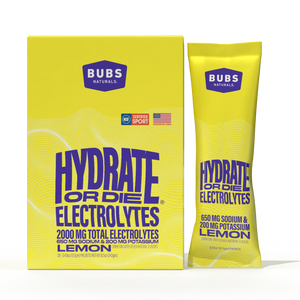
MCT oil is a supplement, not a meal replacement. It works best when it supports a diet rich in leafy greens, lean proteins, and high-quality hydration. Speaking of hydration, our Hydrate or Die electrolytes can be a great companion to an MCT routine. Proper mineral balance supports the metabolic processes your liver relies on to stay healthy.
Bottom line: MCT oil is a powerful tool for energy and metabolism, but its safety for the liver depends on the quality of the product and the balance of your overall diet.
Conclusion
The question of whether MCT oil can cause fatty liver is rooted in a misunderstanding of how these fats are metabolized. Under normal circumstances and at reasonable doses, MCT oil is more likely to support liver health than to harm it. Its ability to be converted quickly into energy and its potential to protect the liver from inflammation make it a standout choice for those living an active lifestyle.
However, the liver is a hardworking organ that deserves respect. If you flood it with excess calories, poor-quality fats, and high amounts of sugar, any supplement can become a burden. Stick to clean, third-party tested products like those we produce. If you want to learn more about the legacy behind the brand, visit About BUBS.
At BUBS Naturals, we are driven by a purpose beyond just selling supplements. Our mission is built on the legacy of Glen "BUB" Doherty, and we honor that by donating 10% of all our profits to veteran-focused charities. When you choose us, you are not just fueling your own performance; you are supporting a larger mission of service and sacrifice.
Ready to upgrade your morning routine? Try adding a scoop of our MCT Oil Creamer to your coffee for a clean, sustained energy boost that your liver—and your brain—will thank you for.
FAQ
Is MCT oil safe for people with existing fatty liver disease?
While some research suggests MCTs may be protective, anyone with a diagnosed medical condition like NAFLD should consult their doctor before adding concentrated fats to their diet. The liver's ability to process fats is already compromised in these cases, so professional guidance is necessary.
Can I take MCT oil every day?
Yes, most people can safely consume MCT oil daily as long as they stay within recommended serving sizes. Spreading your intake throughout the day can help your liver and digestive system process the fats more effectively without causing distress.
Does MCT oil raise "bad" cholesterol?
Research on MCT oil and cholesterol is mixed, but many studies show that it can actually improve the ratio of HDL (good) to LDL (bad) cholesterol. Because every body reacts differently, it is a good idea to monitor your blood work if you are making MCT oil a major part of your lifestyle.
What is the difference between MCT oil and coconut oil for the liver?
Coconut oil contains MCTs, but it also contains a high percentage of long-chain fats like Lauric Acid, which take longer to digest. Pure MCT oil is a concentrated version of only the medium-chain fats, meaning it reaches the liver faster and is more readily used for fuel.