Table of Contents
- Introduction
- The Science of Why MCT Oil Upsets Your Stomach
- Liquid Oil vs. MCT Powder: Which is Gentler?
- A Step-By-Step Protocol to Prevent Diarrhea
- Identifying Quality: Not All MCT is Created Equal
- What to Do If You Experience Side Effects
- The Long-Term Benefits: Why It's Worth the Effort
- The BUBS Difference: Purpose and Purity
- Summary: Master Your MCT Routine
- FAQ
Introduction
You finally decided to upgrade your morning routine. You added a splash of medium-chain triglyceride (MCT) oil to your coffee, expecting a surge of mental clarity and steady energy. Ten minutes later, you find yourself sprinting for the bathroom. It is a common experience often jokingly referred to in fitness circles as "disaster pants," but for the person experiencing it, the discomfort is no laughing matter.
At BUBS Naturals, we believe that high-quality supplements should help you perform better, not leave you sidelined. While MCT oil is one of the most effective tools for sustained energy and metabolic health, it requires a specific approach to avoid digestive distress. If you want a gentler option, our MCT Oil Creamer is a good place to start. This guide explores why MCT oil can cause diarrhea, how your body processes these unique fats, and the practical steps you can take to enjoy the benefits without the gut drama.
Understanding how to manage your dosage and delivery method is the key to making this supplement work for your lifestyle.
Quick Answer: Yes, MCT oil can cause diarrhea if taken in large doses or on an empty stomach because it is absorbed so rapidly that it can draw excess water into the intestines. To prevent this, start with a small dose—like one teaspoon—and gradually increase it over several weeks to allow your digestive enzymes to adapt.
The Science of Why MCT Oil Upsets Your Stomach
To understand why your gut might react poorly to MCT oil, you first have to understand what makes these fats different from the ones found in a steak or an avocado. Most fats in our diet are long-chain triglycerides (LCTs). These require a complex process of digestion involving bile from your gallbladder and lipase enzymes from your pancreas to break them down before they can enter the bloodstream.
MCTs are different. Because their carbon chains are shorter, they bypass much of this traditional digestive process. They go straight to the liver via the portal vein, where they are immediately converted into ketones—a high-efficiency fuel source for your brain and muscles. For a deeper dive into that process, see Why Does MCT Powder Work?. This rapid transit is exactly why people love MCTs for energy, but it is also the root cause of the "osmotic effect."
The Osmotic Effect
When you consume a concentrated dose of MCT oil, your body may not be ready to process it all at once. Because the oil moves so quickly into the small intestine, it can create an osmotic imbalance. This means the oil draws water from the surrounding tissues into the intestinal tract. The result is a sudden increase in volume and pressure, leading to loose stools or urgent diarrhea.
Increased Gastric Motility
MCTs can also stimulate the release of specific gut hormones, such as cholecystokinin (CCK) and peptide YY. While these hormones are great for making you feel full and satisfied, they also signal your digestive tract to move things along. If your system is sensitive, this spike in hormone activity can cause your gut to contract more forcefully, leading to cramping and a quick exit.
The Role of Gut Flora
Your microbiome—the trillions of bacteria living in your gut—needs time to adjust to a high-fat supplement. If your diet has traditionally been lower in fat or higher in processed carbohydrates, suddenly introducing a concentrated fat like MCT oil can temporarily disrupt the balance of your gut bacteria. This transition period often manifests as gas, bloating, and changes in bowel habits.
Key Takeaway: MCT oil causes digestive issues because its rapid absorption can pull water into the colon (osmotic effect) and trigger hormones that speed up gut contractions. These are biological responses to a concentrated energy source, not necessarily a sign that the oil is "bad" for you.
Liquid Oil vs. MCT Powder: Which is Gentler?
One of the most effective ways to avoid the "disaster pants" phenomenon is to change the format of the supplement. Pure liquid MCT oil is 100% fat and hits the digestive system with zero resistance. For many, this is too much, too soon.
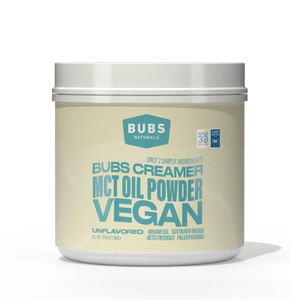
MCT oil powder, like our BUBS Naturals MCT Oil Creamer, offers a different experience. The oil is "plated" onto a carrier fiber or starch through a process called spray drying. This creates a micro-encapsulated powder that is significantly easier for the gut to handle.
If you want to compare another powder-based option, take a look at Butter MCT Oil Creamer.
Why Powder Often Wins for Digestion
-
Slower Release: The presence of the carrier helps pace the absorption of the fat. Instead of a sudden "flood" of MCTs hitting your small intestine, the powder allows for a more metered release.
-
Better Mixing: Liquid oil can sometimes sit on top of coffee or smoothies in large droplets. If you take a big gulp of concentrated oil, you are more likely to experience a reaction. Powdered MCTs emulsify into the liquid, creating a smooth, uniform texture that spreads the fat content throughout the entire drink.
-
Convenience and Stability: Beyond the gut benefits, powders are more portable and less messy than liquid oil, making them easier to incorporate into a consistent routine.
Myth: MCT oil and coconut oil are the same thing and will cause the same stomach issues.
Fact: While MCT oil is derived from coconut oil, it is much more concentrated. Coconut oil contains roughly 15% of the most potent MCTs (C8 and C10), whereas a high-quality MCT supplement is 100% C8 and C10. Because the supplement is so much more potent, it is significantly more likely to cause diarrhea if you aren't careful with your dosage.
A Step-By-Step Protocol to Prevent Diarrhea
If you want the cognitive boost and metabolic support of MCTs without the risk, you need a strategy. You wouldn't walk into a gym and try to squat 400 pounds on your first day; you shouldn't try to take two tablespoons of MCT oil on day one, either.
1. Start Low and Go Slow
The number one mistake is starting with a full serving. For the first week, limit yourself to one teaspoon (about 5 grams) per day. This allows your body to ramp up the production of the enzymes needed to handle the increased fat load. If you feel fine after three to five days, move up to two teaspoons. Gradually work your way up to a full tablespoon over the course of two to three weeks.
2. Never Take It on an Empty Stomach (At First)
Taking MCT oil in black coffee on an empty stomach is the fastest way to trigger a bathroom emergency. The fat has nothing to "buffer" its transit through the gut. Instead, try adding your MCT to a shake that contains protein, or take it alongside a meal. Once your body is fully adapted, you may find you can handle it in black coffee, but in the beginning, food is your best friend.
3. Split Your Doses
If your goal is to consume two tablespoons a day, do not take them both at breakfast. Split the dose. Have one teaspoon in the morning and one in the afternoon. By spreading the load, you prevent the osmotic pressure from building up in your intestines, which keeps your digestion stable.
4. Stay Hydrated and Watch Electrolytes
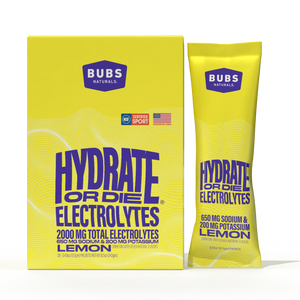
If you do experience a bout of diarrhea from MCT oil, hydration becomes a priority. Diarrhea flushes out water and essential minerals. We recommend using a high-quality electrolyte formula like our Hydrate or Die® Electrolytes to replenish what you’ve lost. Maintaining your mineral balance also helps the muscles in your digestive tract function properly, which can reduce cramping.
Bottom line: Digestive tolerance for MCT oil is built over time. By starting with a teaspoon, taking it with food, and splitting your doses, you can bypass the majority of side effects associated with the supplement.
Identifying Quality: Not All MCT is Created Equal
Sometimes the diarrhea isn't just about the dose; it’s about the quality of the product. Cheap MCT oils are often "cut" with fillers or contain high amounts of Lauric Acid (C12). While C12 is technically a medium-chain triglyceride, it behaves more like a long-chain fat in the body. It takes longer to digest and doesn't provide the same immediate ketone boost as Caprylic Acid (C8) and Capric Acid (C10).
Furthermore, some liquid oils use harsh chemical solvents during the extraction process. These impurities can irritate the lining of the gut, exacerbating any existing sensitivity.
At BUBS Naturals, we focus on a clean, solvent-free extraction process. To learn more about the mission behind that standard, visit Our Story. Our MCT products are derived strictly from coconuts—never palm oil, which is often linked to environmental destruction and lower-quality fat profiles. When you use a clean product, your body has fewer "obstacles" to deal with, which often leads to a smoother digestive experience. Our powder is also NSF for Sport certified, ensuring that what you see on the label is exactly what you get in the scoop.
What to Do If You Experience Side Effects
If you followed the rules and still find yourself dealing with stomach pain, gas, or loose stools, don't panic. For most people, these side effects are temporary.
-
Scale Back Immediately: If a tablespoon caused issues, drop back down to a half-teaspoon. There is no prize for forcing your way through discomfort.
-
Check for Additives: If you are using a flavored MCT creamer, check the ingredient list for sugar alcohols like erythritol or xylitol. These sweeteners are notorious for causing gas and diarrhea, and when combined with MCT oil, they can create a "perfect storm" for digestive upset.
-
Give it a Break: If your gut feels inflamed, stop taking the supplement for 48 hours. Let your digestion return to baseline, then try again at a microscopic dose—perhaps just half a teaspoon—mixed into a heavy meal.
-
Consult a Professional: If the diarrhea persists even after you stop taking the oil, or if you experience severe pain, it is always wise to consult a healthcare provider. You may have an underlying fat malabsorption issue or a sensitivity that needs professional attention.
The Long-Term Benefits: Why It's Worth the Effort
You might be wondering why anyone would bother with a supplement that requires such careful handling. The reason is that once your body adapts, the benefits are significant. If you want a closer look at the upside, read MCT Oil Powder Benefits.
Mental Performance
Because MCTs convert so readily into ketones, they provide a consistent energy source for the brain. Unlike glucose, which can lead to energy crashes and "brain fog," ketones offer a steady stream of fuel. Many users report improved focus and mental clarity within minutes of consumption.
Metabolic Health and Weight Management
MCTs have been shown to increase thermogenesis—the process by which your body burns calories to produce heat. They also support the release of satiety hormones, helping you feel full for longer. For those following a ketogenic or low-carb lifestyle, MCTs are a vital tool for staying in ketosis even when life gets in the way of perfect meal planning.
Athletic Endurance
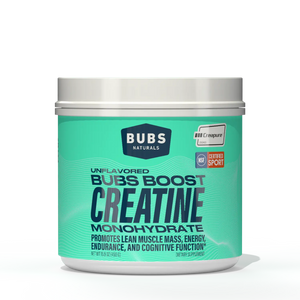
For the weekend warrior or the elite athlete, MCTs provide a "fat-based" energy source that doesn't require a heavy digestive load. Once you have built up a tolerance, having MCTs in your pre-workout can provide a sustained energy burn that lasts through long rucks, runs, or lifting sessions. If you’re building out a broader performance routine, Creatine Monohydrate is another clean option to consider.
| Benefit |
How it Works |
Why It Matters |
| Quick Energy |
Bypasses traditional digestion |
Faster fuel for workouts and focus |
| Ketone Support |
Converted directly in the liver |
Helps maintain ketosis and mental clarity |
| Appetite Control |
Triggers fullness hormones |
Reduces snacking and helps with calorie goals |
| Metabolic Boost |
Increases calorie burning |
Supports long-term weight management |
The BUBS Difference: Purpose and Purity
We didn't start this brand just to put another bottle on a shelf. We started it to honor the legacy of Glen "BUB" Doherty, a Navy SEAL who lived a life of adventure and service. That mission dictates everything we do, from the quality of our ingredients to the way we treat our community. You can read more in Our Story.
We know that if a supplement makes you feel sick, you aren't going to use it. That is why we emphasize clean, simple ingredients and the "start slow" philosophy. We want you to feel capable of taking on whatever challenge is in front of you, whether that is a mountain peak or a Monday morning at the office.
By choosing a high-quality, third-party tested product like those we offer, you are ensuring that your body gets exactly what it needs without the chemical additives that often lead to the very side effects people fear. For more background on our content library, you can also browse Table of Contents.
Summary: Master Your MCT Routine
MCT oil is a potent tool, and like any tool, it must be used correctly to be effective. Diarrhea and digestive upset are common, but they are not inevitable. By understanding the biology of fat absorption and respecting your body's need to adapt, you can make MCTs a seamless part of your wellness routine.
-
Choose Powder Over Liquid: If you have a sensitive stomach, a powdered MCT creamer is generally much easier to digest than pure oil.
-
The 1-Teaspoon Rule: Always start with a small amount and wait a few days before increasing the dose.
-
Use Buffers: Take your MCTs with food or protein to slow down the transit time in your gut.
-
Prioritize Quality: Look for C8 and C10 blends that are free from fillers and harsh solvents.
At BUBS Naturals, we are committed to helping you live a life of purpose and health. In honor of Glen, we donate 10% of all our profits to veteran-focused charities.
Ready to see what clean energy feels like? Start slow, listen to your body, and enjoy the ride.
FAQ
Why does MCT oil make me run to the bathroom?
MCT oil is absorbed very quickly, which can cause an osmotic effect—drawing water into your intestines. This sudden increase in water, combined with the stimulation of digestive hormones, can lead to urgency and diarrhea. This usually happens if you take too much at once or consume it on an empty stomach.
Is the diarrhea from MCT oil permanent?
No, it is a temporary side effect of your body trying to process a concentrated source of fat. Most people find that their digestive system adapts within 7 to 14 days of consistent, low-dose use. If you experience persistent issues, you should lower your dose or switch to a powdered version.
Can I take MCT oil if I don't have a gallbladder?
Yes, many people without gallbladders actually prefer MCT oil because it does not require bile to be broken down and absorbed. However, it is especially important to start with very small doses—perhaps half a teaspoon—to see how your system handles it before moving to a full serving.
Does MCT oil powder cause less diarrhea than liquid oil?
Most users find that MCT powder is significantly gentler on the stomach. The powder is micro-encapsulated with a carrier fiber, which slows down the absorption rate and prevents the sudden "flooding" of the intestines that leads to the osmotic effect. Mixing it into a beverage also helps the fat emulsify better, which aids digestion.