Table of Contents
- Introduction
- What Exactly is MCT Oil?
- The Metabolic Speed-Dial: How MCTs Work
- Can MCT Oil Make You Gain Weight?
- MCT Oil and Appetite Control
- Performance Benefits for the Active Lifestyle
- How to Incorporate MCT Oil Without Gaining Weight
- Comparing MCT Oil and Coconut Oil
- Potential Side Effects to Watch For
- Choosing the Right MCT Product
- Conclusion
- FAQ
Introduction
If you have spent any time in the wellness world recently, you have likely seen people stirring a clear oil into their morning coffee or blending it into pre-workout shakes. This is MCT oil, a concentrated form of medium-chain triglycerides. It has become a staple for those seeking sharper mental focus and sustained energy during long training sessions or hectic workdays. At BUBS Naturals, we see MCT Oil Creamer as a functional tool for an active lifestyle, but many people are still skeptical about the idea of "drinking fat."
The most common question we hear is whether this supplement will lead to unwanted weight gain. After all, fat is the most calorie-dense macronutrient. If you are trying to lean out or maintain a specific weight for your sport, adding extra calories can feel like a risk. This article will break down how MCT oil works in your body, the science behind its metabolism, and how you can use it to support your goals without seeing the number on the scale go up.
What Exactly is MCT Oil?
To understand how MCT oil affects your weight, you first need to understand what it is. MCT stands for medium-chain triglycerides. Most of the fats we eat in a standard diet, such as those found in olive oil, avocados, and nuts, are long-chain triglycerides (LCTs). The difference lies in the number of carbon atoms in their molecular "chains."
While LCTs have 13 to 21 carbons, MCTs have between 6 and 12. This shorter structure changes everything about how your body processes them. Because the molecules are smaller, your body can break them down and absorb them much faster than traditional fats. Most MCT oil is sourced from coconut oil or palm kernel oil through a process called fractionation, which isolates the medium-chain fats and removes the long-chain ones.
The Four Types of MCTs
Not all MCTs are the same. They are categorized by the length of their carbon chains:
-
C6 (Caproic Acid): Converts to energy quickly but often has an unpleasant taste and smell.
-
C8 (Caprylic Acid): The most efficient for energy and ketone production. It bypasses the gut and goes straight to the liver.
-
C10 (Capric Acid): Slightly slower than C8 but still very effective for energy and often found alongside C8 in high-quality oils.
-
C12 (Lauric Acid): Often categorized as an MCT, but it behaves more like a long-chain fat in the body, taking longer to digest.
Our products focus on C8 and C10 because these provide the rapid energy boost that athletes and busy professionals are looking for. By prioritizing these specific chains, we ensure you get the functional benefits without the slow digestion associated with standard fats.
The Metabolic Speed-Dial: How MCTs Work
The primary reason MCT oil is unlikely to be stored as body fat compared to other oils is the way it moves through your system. When you consume LCTs, like those in a ribeye steak or a handful of almonds, they require bile and pancreatic enzymes to break down. They then enter your lymphatic system and travel through your bloodstream before they can be used for energy. This slow process gives your body plenty of time to store those fats in adipose tissue (body fat) if you don’t need the energy immediately.
MCTs take a shortcut. They travel directly from the gut to the liver via the portal vein. Once they hit the liver, they are converted into ketones. Ketones are an alternative energy source to glucose (sugar) that your brain and muscles can use immediately. Because your body views MCTs as a priority fuel source, it burns them almost as soon as they arrive.
Key Takeaway: Because MCTs are transported directly to the liver and converted into ketones, they are far more likely to be burned for immediate fuel than stored as body fat compared to long-chain fats.
Can MCT Oil Make You Gain Weight?
The short answer is yes, but only if you use it incorrectly. Like any fat, MCT oil is calorically dense. One tablespoon typically contains about 115 to 130 calories. If you simply add two tablespoons of MCT oil to your existing diet without changing anything else, you are adding roughly 250 extra calories to your daily total. Over time, that surplus can lead to weight gain.
However, when used as a substitution rather than an addition, many people find it helps them manage their weight. The key is to replace less healthy fats or high-sugar snacks with MCT oil. For example, using a Butter MCT Oil Creamer in your coffee instead of a high-sugar flavored creamer can provide more stable energy and keep you full longer, potentially leading you to eat less throughout the rest of the day.
The "Addition Error"
The most common mistake people make is treating MCT oil like a "weight loss supplement" that burns fat just by existing in your system. While it can support your metabolism, it is still a food. If your goal is weight maintenance or fat loss, you must account for the calories. Think of it as a high-octane fuel for your "engine"—if you fill the tank beyond its capacity, the excess has to go somewhere.
Saturated Fat and Liver Health
There is some concern that high doses of any saturated fat, including MCTs, could lead to fat buildup in the liver if consumed in massive quantities without an active lifestyle. Most research suggests that moderate use (one to two tablespoons per day) is perfectly safe for healthy individuals, but as with any dietary change, it is important to listen to your body and consult a healthcare provider if you have underlying metabolic concerns.
Myth: MCT oil is a "fat burner" that melts body fat even if you eat at a calorie surplus.
Fact: MCT oil is a calorie-dense fat that supports metabolism and energy, but you must still be mindful of your total daily calorie intake to avoid weight gain.
MCT Oil and Appetite Control
One of the ways MCT oil may actually help you lose weight or maintain a healthy weight is through satiety. Satiety is the feeling of fullness and satisfaction you get after a meal. Research has shown that MCTs can trigger the release of two specific hormones: peptide YY and leptin. These hormones signal to your brain that you are full.
In one study, people who took two tablespoons of MCT oil with breakfast ate less for lunch compared to those who used coconut oil. Because the energy from MCTs is released quickly and helps stabilize blood sugar, you are less likely to experience the "energy crashes" that lead to mid-afternoon sugar cravings. This makes it much easier to stick to a clean eating plan or a caloric deficit.
Performance Benefits for the Active Lifestyle
Weight gain is often a secondary concern to performance for our community. Whether you are training for a marathon, a CrossFit competition, or just trying to stay sharp at a demanding job, energy is your most valuable currency.
Because MCTs provide a quick source of ketones, they are an excellent fuel for the brain. The brain is an energy-hungry organ that usually relies on glucose. However, many people report feeling a "brain fog" lift when they switch to a ketogenic or fat-based energy source. Our MCT Oil Creamer is designed to provide this mental clarity without the jitters associated with high-sugar energy drinks.
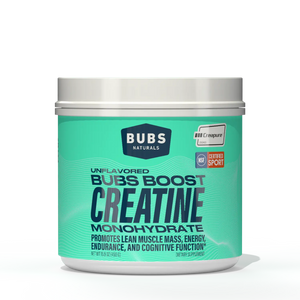
For athletes, MCTs can serve as an "energy bridge." During long-duration exercise, your glycogen (stored carb) levels eventually run low. By having ketones available from MCT oil, your body has a backup fuel source that can help you push through the "wall." This metabolic flexibility—the ability to switch between burning carbs and burning fat—is a hallmark of a well-conditioned athlete. If you are building a broader performance stack, our Creatine Monohydrate is another clean option built for strength and recovery.
How to Incorporate MCT Oil Without Gaining Weight
If you want to reap the benefits of MCT oil while keeping your weight in check, follow these practical steps.
1. The Power of Substitution
Stop thinking of MCT oil as an add-on. Instead, use it to replace other fats or sugars. If you usually put heavy cream and sugar in your coffee, swap them for a serving of our Butter MCT Oil Creamer. You get the rich, creamy texture and the energy boost, but with a cleaner profile that supports your wellness goals.
2. Start Small and Build Up
MCT oil is powerful. If your digestive system isn't used to it, taking a full tablespoon on day one can lead to "disaster pants"—the common term for the stomach cramping and urgent bathroom trips that happen when you overdo it. Start with one teaspoon and see how you feel. Over a week or two, gradually work your way up to a full tablespoon. This gives your gut time to produce the enzymes needed to process the MCTs effectively.
3. Time It Right
The best time to take MCT oil is when you need energy most. For many, this is first thing in the morning to kickstart mental focus. For others, it’s about 30 minutes before a workout. Taking it on an empty stomach can increase the ketogenic effect, but if you have a sensitive stomach, try mixing it into a smoothie or a small bowl of oatmeal.
4. Track Your Total Calories
If you are serious about your weight goals, keep an eye on your total daily intake for the first few weeks after adding MCT oil. Use an app or a simple journal to ensure that those 115–130 calories per tablespoon are being accounted for. Most people find that the increased fullness they feel naturally leads them to eat less later in the day, making the calorie balance work in their favor.
Comparing MCT Oil and Coconut Oil
Many people assume they can get the same results by just eating more coconut oil. While coconut oil is a great whole food, it is not the same as a concentrated MCT supplement. Coconut oil is about 50-60% MCTs, but a large portion of that is Lauric Acid (C12). As we mentioned earlier, C12 behaves more like a long-chain fat.
If you want the rapid energy and ketone production that helps with appetite control, a 100% MCT oil or powder is the better choice. It is more bioavailable, meaning your body can use it more effectively and quickly. For a deeper dive into the differences, see our guide on what MCT oil comes from.
| Feature |
MCT Oil |
Coconut Oil |
| MCT Concentration |
100% |
50-60% |
| Primary Use |
Quick energy, mental focus |
Cooking, skin care, general health |
| Digestion Speed |
Very Fast (C8/C10) |
Moderate (Contains C12/LCTs) |
| Ketone Production |
High |
Low to Moderate |
| Best For |
Pre-workout, coffee, keto |
Sautéing, baking |
Potential Side Effects to Watch For
While MCT oil is generally safe, it is not without potential downsides if misused. Beyond the risk of weight gain from extra calories, the most common issue is gastrointestinal (GI) distress. This can include:
-
Bloating and Gas: Often caused by taking too much too fast.
-
Stomach Cramps: Your gut needs time to adjust to the rapid absorption of medium-chain fats.
-
Diarrhea: This usually happens when the MCTs pull water into the colon.
To avoid these, always prioritize quality. Our MCT products are designed to be easy on the stomach, but the "start slow" rule still applies. If you experience these symptoms, simply dial back your dose for a few days and then try increasing it more slowly.
Choosing the Right MCT Product
When shopping for MCT oil, you want to look for a product that is clean and transparent. Many cheap oils are "padded" with fillers or lower-quality fats. We focus on providing a product that integrates into your life. Whether you prefer a liquid oil for salad dressings or a powder for your coffee, the goal is the same: clean energy with no BS.
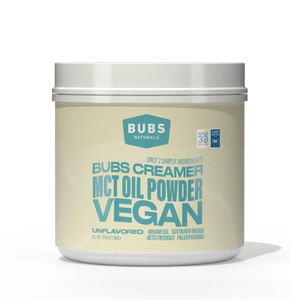
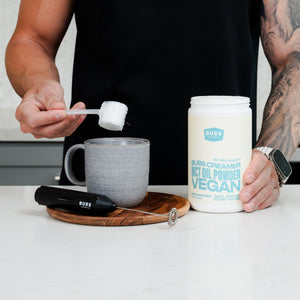
Our MCT Oil Creamer is a great example of this philosophy. It’s a coconut-sourced powder that mixes effortlessly. Unlike some oils that can leave an oily film on top of your drink, our powder creates a smooth, creamy texture. It is also NSF for Sport certified, which means it has been rigorously tested for quality and purity—a must for athletes and veterans who need to know exactly what they are putting into their bodies. If you want the bigger picture on our standards and mission, read more about BUBS Naturals.
Conclusion
Can MCT oil make you gain weight? Yes, just like any food can if consumed in excess. However, if you use it strategically as a replacement for less healthy fats or high-sugar snacks, it can be one of the most effective tools in your wellness kit. By providing immediate energy, supporting mental clarity, and helping you feel full longer, MCT oil empowers you to perform at your best.
At BUBS Naturals, we believe that wellness should be simple and purposeful. Our brand was founded to honor the legacy of Glen "BUB" Doherty, a man who lived a life of adventure and service. We carry that spirit into every product we make. That is why we use only the cleanest ingredients and why we donate 10% of all our profits to veteran-focused charities. When you choose us, you aren't just buying a supplement; you're supporting a mission of health and giving back. You can also explore the full Hydration Collection and Boosts collection to build a routine that fits your goals.
Start with a small scoop, listen to your body, and see how that extra boost of clean energy changes your day. Whether you're hitting the trail or the office, we're here to help you fuel the journey. For more on our mission-driven approach, visit our BUBS story.
FAQ
Is it better to take MCT oil in the morning or at night?
It is generally best to take MCT oil in the morning or early afternoon because of its energy-boosting properties. Taking it late at night may interfere with your ability to fall asleep if you are sensitive to the increased mental clarity it provides. Many people find it most effective as part of their morning coffee routine to kickstart their focus for the day.
How many calories are in a tablespoon of MCT oil?
A single tablespoon of MCT oil typically contains about 115 to 130 calories, depending on the specific brand and concentration. These calories come entirely from fat, specifically medium-chain triglycerides. Because it is calorie-dense, it is important to factor it into your total daily intake if you are monitoring your weight.
Can I cook with MCT oil?
You can use MCT oil in low-heat cooking, but it is not recommended for frying or high-heat sautéing. It has a relatively low smoke point compared to fats like avocado oil or ghee. Most people find it better to stir it into finished dishes, use it in salad dressings, or blend it into drinks like coffee and smoothies.
Does MCT oil count as breaking a fast?
Technically, because MCT oil contains calories, it does "break" a fast in the strictest metabolic sense. However, many people who practice intermittent fasting use MCT oil because it does not trigger a significant insulin response. This allows the body to stay in a fat-burning state (ketosis) while providing enough energy to get through the fasting window without intense hunger.