Table of Contents
- Introduction
- What is MCT Oil?
- Does MCT Oil Break a Fast?
- Fasting Goals and MCT Oil
- Benefits of Using MCT Oil While Fasting
- MCT Oil vs. Coconut Oil During a Fast
- How to Use MCT Oil While Fasting
- Potential Side Effects
- Making the Most of Your Fast
- The BUBS Mission
- Summary of Fasting with MCT Oil
- FAQ
Introduction
You wake up at 6:00 AM, ready to tackle the day. You are twelve hours into a sixteen-hour intermittent fast. The hunger is starting to gnaw at your focus, and you still have a morning workout or a stack of emails to handle. You want the metabolic benefits of your fast, but you also need to perform. This is where the question of adding a splash of medium-chain triglycerides comes into play.
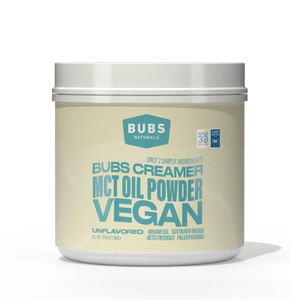
Many people in the wellness and fitness communities use these fats to bridge the gap between their last meal and their next one. At BUBS Naturals, we believe that your supplements should work for your lifestyle, not against it, and that’s why MCT Oil Creamer fits so cleanly into a morning routine.
This guide will break down the science of how medium-chain triglycerides (MCTs) interact with your body during a fast. We will cover the difference between a caloric fast and a metabolic fast. You will also learn how to use these fats to support your goals without stalling your results. While MCT oil technically contains calories, its unique metabolic path makes it a powerful ally for those looking to stay sharp and energized.
Quick Answer: Technically, MCT oil breaks a strict caloric fast because it contains roughly 100 to 120 calories per tablespoon. However, it does not spike insulin or blood sugar, meaning it preserves the metabolic state of ketosis and fat-burning for most practitioners.
What is MCT Oil?
To understand how it affects a fast, we first need to know what it is. MCT stands for medium-chain triglycerides. These are a type of saturated fat found in foods like coconut oil, palm kernel oil, and some dairy products. Most fats we eat are long-chain triglycerides (LCTs), which have 13 to 21 carbon atoms. MCTs are shorter, containing only 6 to 12 carbon atoms.
This shorter structure changes how your body handles them. When you eat LCTs, your body requires bile and pancreatic enzymes to break them down. They move through your lymphatic system before entering the blood. MCTs are different. They go straight from the gut to the liver. Once there, your liver converts them into ketones.
Ketones are an alternative fuel source for the brain and muscles. They are especially important when glucose (sugar) is low, such as during a fast or a low-carb diet. This rapid conversion into energy is why these fats are popular among athletes and people focusing on cognitive performance. For a broader look at practical everyday use, see our How Is MCT Oil Used? guide.
Does MCT Oil Break a Fast?
The answer depends entirely on your definition of "fasting" and your primary goal. There is no single rule because different people fast for different reasons.
The Caloric Fast
If you define a fast as the total absence of calories, then yes, MCT oil breaks a fast. A single tablespoon contains about 14 grams of fat and roughly 120 calories. If you are doing a "water fast" for religious reasons or a clinical study that requires zero calorie intake, any amount of oil will technically end the fast.
The Metabolic Fast
For most people, the goal of fasting is metabolic health. This includes weight loss, better insulin sensitivity, and staying in ketosis. In this context, a fast is defined by your hormonal state—specifically, keeping your insulin levels low.
MCT oil is pure fat. It contains zero carbohydrates and zero protein. Because insulin is primarily triggered by carbs and, to a lesser extent, protein, pure fat has almost no impact on insulin levels. This means that while you are consuming calories, your body remains in a fat-burning state. Many experts call this "dirty fasting" or a "metabolic fast."
If you want a fuller explanation, our Can MCT Oil Break Your Fast? guide explores the tradeoffs.
Key Takeaway: While MCT oil technically adds calories to your day, it does not interrupt the hormonal environment of a fast. It keeps insulin low and blood sugar stable, allowing your body to continue utilizing fat for fuel.
Fasting Goals and MCT Oil
To decide if you should use it, you must identify why you are fasting in the first place. Your "why" dictates the rules.
Goal: Weight Loss
If you are fasting to lose weight, the main mechanism is a calorie deficit. You might think adding 120 calories of oil would be counterproductive. However, many people find the opposite is true. These fats are highly satiating. They help suppress ghrelin, the "hunger hormone," and stimulate peptide YY and leptin, which signal fullness. If a tablespoon of oil helps you fast for four hours longer without binging later, the net result is usually a greater calorie deficit.
Goal: Ketosis
For those on a ketogenic diet, MCTs are a tool for success. They are ketogenic by nature. Because they bypass traditional digestion and go straight to the liver, they raise blood ketone levels quickly. This can help you avoid the "keto flu" or the brain fog that sometimes happens during a long fasting window. It provides an immediate fuel source that keeps your metabolism focused on fat-burning.
Goal: Autophagy
Autophagy is the body’s "self-cleaning" process. It is where your cells break down and recycle old or damaged components. This process is triggered by nutrient deprivation. Specifically, it happens when a protein called mTOR is low and an enzyme called AMPK is high.
Because any calorie intake can theoretically signal the body that nutrients are available, some researchers believe MCT oil might slow down autophagy. However, some evidence suggests that ketones themselves may actually support certain types of autophagy. If your primary goal is maximum cellular repair, you might want to stick to water and black coffee. If you are fasting for general health and energy, the impact on autophagy is likely minimal.
Benefits of Using MCT Oil While Fasting
If you choose to incorporate these fats into your fasting window, you can expect several practical benefits. We often see people using our MCT Oil Creamer to make their mornings more productive without feeling like they have "cheated" on their fast.
1. Sustained Energy
During a fast, your glucose levels drop. For some, this leads to a "crash" or physical fatigue. Because MCTs provide a quick source of ketones, they offer a steady stream of energy that doesn't rely on sugar. This is especially helpful if you have a demanding job or a morning workout routine.
2. Mental Clarity
The brain is a massive energy consumer. While it usually runs on glucose, it is very efficient at using ketones. Many people report that the "brain fog" associated with fasting disappears when they use MCTs. It provides a sharp, focused feeling without the jittery ups and downs of high-caffeine intake.
3. Better Performance
Training in a fasted state can be tough. MCTs provide a fat-based fuel that your muscles can use during moderate-intensity exercise. It may help you push through a workout that would otherwise feel sluggish. Because it is light on the stomach and absorbs quickly, it rarely causes the digestive heaviness associated with other fats or full meals. If you want a training-specific walkthrough, our How to Intermittent Fast and Workout in the Morning guide is a helpful next step.
4. Appetite Control
Hunger is the number one reason people fail at intermittent fasting. These fats help you stay compliant. By adding them to your morning coffee, you can often push your first solid meal several hours later into the day. This makes the fasting experience feel less like a chore and more like a sustainable habit.
MCT Oil vs. Coconut Oil During a Fast
You might wonder if you can just use standard coconut oil instead. While coconut oil is a great healthy fat, it is not the same as concentrated MCT oil.
Coconut oil contains about 54% MCTs. The rest are long-chain fats. Furthermore, the primary fatty acid in coconut oil is lauric acid (C12). While lauric acid is technically a medium-chain fat, it behaves more like a long-chain fat in the body. It takes longer to digest and is not converted into ketones as efficiently as C8 (caprylic acid) or C10 (capric acid).
| Feature |
MCT Oil |
Coconut Oil |
| MCT Concentration |
100% |
~54% |
| Digestion Speed |
Very Fast |
Moderate |
| Ketone Production |
High |
Low to Moderate |
| Best Use Case |
Fasting, Energy, Ketosis |
Cooking, General Nutrition |
Pure MCT oil is a concentrated extract of C8 and C10. These are the specific chains that provide the rapid energy and fasting support you are looking for. Our Butter MCT Oil Creamer is designed to provide these specific benefits in a form that mixes effortlessly into your morning routine.
How to Use MCT Oil While Fasting
If you are new to using these fats, it is important to start slowly. Because they are absorbed so quickly, they can sometimes cause digestive upset if you take too much too soon.
Start Small
We recommend starting with half a teaspoon or one teaspoon per day. Monitor how your stomach feels. Over the course of a week, you can gradually increase your intake to a full tablespoon. Most people find that one to two tablespoons per day is the "sweet spot" for energy and hunger control. If you are comparing labels, our What to Look for in MCT Oil guide can help.
The Power of Emulsification
Don't just dump oil into a cup of coffee and stir it with a spoon. The oil will float on top, which can lead to a greasy mouthfeel and might be harder on your stomach. Instead, use a blender or a handheld frother. This emulsifies the fat, breaking it into tiny droplets that are easier to digest. It also creates a creamy, latte-like texture.
Mix with Black Coffee or Tea
The most common way to use it is in "Bulletproof" style coffee. Mix your MCTs with high-quality black coffee. The caffeine and ketones work together to boost focus. Just remember: do not add milk, sugar, or flavored creamers. These contain carbohydrates and proteins that will definitely spike your insulin and break your fast.
Note: If you are sensitive to caffeine, you can achieve the same results with herbal tea or even warm lemon water. The goal is the delivery of the fats, not the caffeine itself.
Potential Side Effects
While generally safe and beneficial, there are a few things to watch out for.
Digestive Distress
As mentioned, "disaster pants" is a real term used in the keto community for what happens when you take too much MCT oil too fast. It can cause cramping, gas, or diarrhea. This happens because the fats draw water into the colon. Always build your dosage slowly to give your gut time to adapt.
Calorie Awareness
Even though it doesn't spike insulin, the calories still count toward your daily total. If your goal is weight loss and you are adding 300 calories of oil to your coffee but not adjusting your meals later, you might stall your progress. Treat it as a tool, not a "free" food.
Myth: MCT oil causes heart issues because it is a saturated fat.
Fact: MCTs are metabolized differently than the long-chain saturated fats found in greasy processed meats. Research suggests they may actually support healthy cholesterol levels and metabolic markers when used as part of a balanced diet.
Making the Most of Your Fast
Fasting is a journey, not a destination. It is about learning how your body responds to different inputs. For many, adding clean fats is the difference between a fast that feels like a struggle and one that feels like a superpower.
We focus on providing products that are simple and effective. Whether you are using our pure MCT oil or our MCT Oil Creamer, you are getting a product designed for performance. We skip the fillers and the BS because we know that when you are out on the trail or in the gym, you need things that actually work.
The BUBS Mission
Our commitment to quality is rooted in something deeper than just supplements. The BUBS Story begins with Glen "BUB" Doherty, a Navy SEAL who lived a life of adventure and service. He was a fan of clean living and high performance. We carry that legacy forward by ensuring everything we make is NSF for Sport certified and third-party tested.
We also believe in giving back, and our Giving Back to Veterans & Our Communities story reflects that commitment. We donate 10% of all our profits to veteran-focused charities. When you choose to support your wellness journey with us, you are also supporting those who have served. It is about more than just a fast; it is about a lifestyle driven by purpose.
Summary of Fasting with MCT Oil
Using MCTs while fasting is a strategic choice. It is not a requirement, but it is a powerful tool for those who want to maintain their energy and mental focus without the typical hunger pangs of a long fast.
-
Technically: It breaks a caloric fast (100+ calories per serving).
-
Metabolically: It keeps you in a fat-burning state and does not spike insulin.
-
Performance: It provides rapid fuel for the brain and muscles via ketones.
-
Sustainability: It helps many people stick to their fasting window for longer.
"The best routine is the one you can stick to. If a clean source of fat helps you stay consistent and feel your best, it is a win for your long-term health."
If you are ready to upgrade your morning routine, look for a high-quality, coconut-sourced MCT product in our MCT collection.
FAQ
Does MCT oil break a fast for weight loss?
No, for most people focusing on weight loss, it does not. While it has calories, it promotes satiety and keeps insulin low, which are the primary drivers of successful weight loss through intermittent fasting. It can help you fast longer by preventing extreme hunger.
Can I have MCT oil in my coffee during a fast?
Yes, this is the most popular way to use it. When mixed with black coffee and frothed, it creates a "metabolic" fast that provides energy and focus. Just ensure you aren't adding sugar or dairy, as those will definitely break your fast.
Will MCT oil stop autophagy?
The science is still developing, but it might partially reduce the maximum rate of autophagy because it provides energy to the cells. If your sole focus is deep cellular cleaning, you might prefer a strict water fast. However, for general health and metabolic benefits, the impact is likely minimal.
How much MCT oil should I take while fasting?
Start with a small dose, such as one teaspoon, to avoid digestive issues. Gradually work your way up to one or two tablespoons per day as your body adapts. Most people find that a single tablespoon in the morning is sufficient to carry them through to their first meal.
Can I take supplements like vitamins or creatine while I am in my morning fasting window?
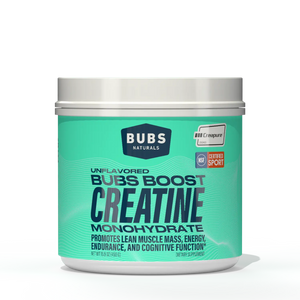
Yes, most supplements like Creatine Monohydrate and Vitamin C are perfectly fine to take during your fasting window as they do not contain calories or trigger an insulin response. In fact, taking creatine while fasting can help maintain your strength and power during your morning workout. However, if you find that vitamins on an empty stomach cause nausea, it may be better to save them for your first meal.
Will drinking an electrolyte drink like Hydrate or Die break my intermittent fast?
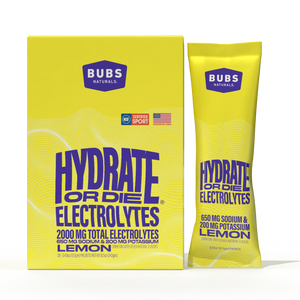
No, Hydrate or Die is designed with zero added sugar and minimal calories, making it fast-friendly. Maintaining your electrolyte balance is actually crucial during a fasted workout to prevent cramping, dizziness, and fatigue. If you are still unsure whether MCT fits your routine, our Can MCT Oil Break Your Fast? guide covers the nuances.
Is it possible to build muscle while intermittent fasting and working out in the morning?
While the primary goal of fasting is often fat loss or metabolic health, you can certainly maintain and even build muscle mass if you are strategic. The key is to ensure you are consuming enough total protein and calories during your 8-hour eating window.
I feel low on energy during my morning fasted workout; can I use MCT oil to help?
Absolutely. This is often referred to as "fat-fasting." Adding MCT Oil Creamer to your morning coffee provides medium-chain triglycerides that your liver quickly converts into ketones. Ketones are an incredibly efficient fuel source for both the brain and the muscles.