Table of Contents
- Introduction
- The Link Between Creamer and Cholesterol
- Ingredients That May Impact Heart Health
- Is Every Creamer the Same?
- The Role of MCT Oil in Heart Health
- How Much Creamer Is Too Much?
- Practical Ways to Upgrade Your Coffee
- Supporting Long-Term Cardiovascular Wellness
- Making the Best Choice for Your Routine
- FAQ
Introduction
For many of us, the morning doesn't truly start until the first sip of coffee. That ritual is more than just a caffeine hit; it is a moment of clarity before the day’s demands take over. However, as we become more conscious of what we put into our bodies, it is natural to question the staples of our routine. If you enjoy a splash of flavor or creaminess in your cup, you might wonder: does coffee creamer raise cholesterol?
At BUBS Naturals, we believe that every ingredient in your pantry should serve a purpose and support your long-term wellness goals. Understanding how different fats and sugars interact with your cardiovascular system is essential for maintaining an active lifestyle. This guide explores the relationship between coffee creamers and cholesterol levels, identifies the ingredients that matter most, and offers cleaner alternatives for your morning brew.
While coffee itself is often associated with health benefits, the additives we use can significantly alter its nutritional profile. Our goal is to help you navigate these choices so you can enjoy your coffee without compromising your heart health.
Quick Answer: Many conventional coffee creamers contain trans fats, high levels of saturated fats, and added sugars that may raise LDL (bad) cholesterol and triglycerides. Choosing creamers with clean ingredients, like medium-chain triglycerides (MCTs), and avoiding partially hydrogenated oils can help support healthy cholesterol levels.
The Link Between Creamer and Cholesterol
To understand how creamer affects your body, we first need to look at what cholesterol actually is. Cholesterol is a waxy, fat-like substance found in all your cells. Your body needs it to make hormones, Vitamin D, and substances that help you digest foods. However, the balance of different types of cholesterol in your blood is what determines your heart health risk.
There are two main types of lipoproteins that carry cholesterol through your bloodstream. Low-density lipoprotein (LDL) is often called "bad" cholesterol because high levels can lead to a buildup of plaque in your arteries. High-density lipoprotein (HDL) is "good" cholesterol because it carries cholesterol from other parts of your body back to your liver, which then removes it.
When you consume certain types of fats and sugars found in processed creamers, your liver may produce more LDL or your body may become less efficient at clearing it. Over time, a daily habit of using the wrong creamer can contribute to an unfavorable lipid profile. This is why looking past the "non-dairy" or "low-fat" labels on the front of the bottle is so important.
Ingredients That May Impact Heart Health
Not all coffee creamers are created equal. The impact on your cholesterol depends almost entirely on the ingredient list. Many mass-market creamers are engineered to be shelf-stable and highly palatable, which often means they rely on ingredients that are not ideal for your cardiovascular system.
Trans Fats and Partially Hydrogenated Oils
For years, the biggest culprit in the creamer aisle was trans fat, often listed as partially hydrogenated oil. Trans fats are notorious for a double-whammy effect: they raise your LDL (bad) cholesterol and lower your HDL (good) cholesterol. While the FDA has taken steps to remove these from the food supply, some products may still contain small amounts if the serving size allows it to be rounded down to zero on the label.
Even small, daily exposures to these industrial fats can add up over months and years of coffee drinking. If you see "partially hydrogenated" anything on a label, it is a red flag for heart health.
Saturated Fats and Tropical Oils
Saturated fats are a more complex topic. Many non-dairy creamers use coconut oil or palm oil to mimic the rich mouthfeel of heavy cream. While these are plant-based, they are high in saturated fats.
Saturated fat can increase LDL cholesterol levels by reducing the activity of LDL receptors in the liver. This means your liver is less able to pull "bad" cholesterol out of your blood. However, the type of saturated fat matters. Long-chain saturated fats found in some tropical oils may have a different impact than the medium-chain triglycerides (MCTs) found in high-quality coconut-derived products.
Added Sugars and Corn Syrup
It isn't just the fat content you have to worry about. Many creamers are loaded with added sugars, often in the form of cane sugar or high fructose corn syrup. High sugar intake is linked to increased levels of triglycerides, which are a type of fat in your blood. When triglycerides are high and HDL is low, your risk for heart-related challenges increases. Excess sugar can also lead to weight gain and insulin resistance, both of which indirectly influence how your body manages cholesterol.
Key Takeaway: The primary drivers of cholesterol issues in coffee creamers are trans fats (partially hydrogenated oils), excessive long-chain saturated fats, and high amounts of added sugar. Checking the ingredient label for these specific items is more important than checking the total calorie count.
Is Every Creamer the Same?
The variety of creamers available today is staggering, ranging from traditional dairy to plant-based liquids and powdered formulas. Each category presents different considerations for those monitoring their cholesterol.
Traditional Dairy Creamers
Heavy cream and half-and-half are staples for a reason. They provide a natural flavor and texture. Dairy does contain saturated fat and naturally occurring cholesterol. For most people, moderate consumption of dairy fat does not significantly raise blood cholesterol. However, if you are using large amounts or have a specific sensitivity to dietary saturated fats, you may want to monitor your intake.
Non-Dairy Liquid Creamers
This is the category where most hidden "junk" ingredients reside. Because these products lack the natural creaminess of dairy, manufacturers use a combination of water, sugar, vegetable oils (like soybean, canola, or palm), and thickeners (like carrageenan or cellulose gel). These oils are often refined and can be pro-inflammatory, and the high sugar content can negatively affect your lipid profile over time.
Powdered Creamers
Powdered creamers are often the most highly processed. They frequently contain corn syrup solids and hydrogenated vegetable oils to keep them shelf-stable at room temperature. Because they are often used in office settings or while traveling, people tend to overlook their ingredient lists, but they can be some of the most detrimental options for heart health.
The Role of MCT Oil in Heart Health
One of the most popular alternatives for health-conscious coffee drinkers is MCT oil. MCT stands for medium-chain triglycerides. Unlike the long-chain triglycerides (LCTs) found in most vegetable oils and animal fats, MCTs are processed differently by the body.
When you consume MCTs, they go straight to your liver, where they are used as an immediate source of energy or turned into ketones. Because they are metabolized so quickly, they are less likely to be stored as fat. Some research suggests that replacing LCTs with MCTs in the diet may support healthy weight management and potentially improve lipid profiles, provided they are part of a balanced diet.
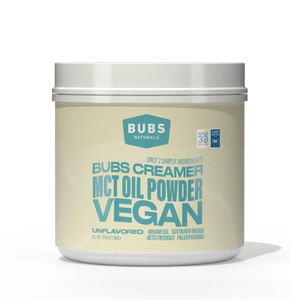
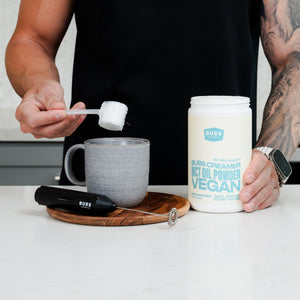
Our MCT Oil Creamer is designed to provide that sought-after creaminess using clean, coconut-sourced MCTs. We focus on a formula that avoids the fillers and hydrogenated oils found in traditional products. This allows you to enjoy a rich texture and a mental energy boost without the "sugar crash" or the hidden trans fats that could compromise your wellness goals.
Myth: All saturated fats are equally bad for your heart.
Fact: Saturated fats are a diverse group. Medium-chain triglycerides (MCTs) are metabolized differently than long-chain saturated fats and may offer benefits for energy and metabolism when used as part of a healthy lifestyle.
How Much Creamer Is Too Much?
The dose makes the poison. Even a "healthy" creamer can become a problem if you are using it in excess. Most people don't measure their creamer; they pour until the coffee reaches a certain color. This can easily lead to consuming three or four servings of creamer in a single cup.
If your creamer has five grams of sugar per tablespoon and you use three tablespoons per cup—and drink three cups a day—you are consuming 45 grams of added sugar just from your coffee. That is more than the total recommended daily limit for most adults. To stay on top of your cholesterol, try the following:
-
Measure your pour: Use a tablespoon for a few days to see how much you are actually using.
-
Count your cups: If you drink multiple cups of coffee, the cumulative effect of creamer ingredients is much higher.
-
Check the serving size: Labels can be misleading. A "zero trans fat" label can still mean up to 0.5 grams per serving. If you use four servings, you’ve just consumed 2 grams of trans fat.
Bottom line: Monitoring the quantity of creamer you use is just as important as choosing a high-quality brand. Small amounts of sugar and fat are manageable, but cumulative daily habits drive long-term cholesterol trends.
Practical Ways to Upgrade Your Coffee
You don’t have to drink your coffee black to be healthy. There are many ways to achieve a delicious, satisfying cup while keeping your heart health in mind.
Choose Single-Ingredient Additives
If you want creaminess, consider using a single-ingredient product. Our MCT Oil Creamer or our Butter MCT Oil Creamer are excellent options because they focus on clean fats without the long list of chemical stabilizers. By using products with fewer ingredients, you reduce the risk of consuming "hidden" fats and sugars.
Experiment with Natural Flavors
If you use creamer for the flavor rather than the texture, try adding cinnamon, nutmeg, or a drop of pure vanilla extract directly to your coffee grounds before brewing. These provide a sensory boost without any impact on your cholesterol or blood sugar.
Watch the Thickeners
Many "health food" creamers use gums and thickeners like guar gum, xanthan gum, or carrageenan to create texture. While these are generally recognized as safe, some people find they cause digestive discomfort. A clean creamer shouldn't need a chemistry degree to understand.
Supporting Long-Term Cardiovascular Wellness
Cholesterol levels are influenced by more than just your morning coffee. To maintain a healthy heart and stay ready for your next adventure, you need a holistic approach.
-
Stay Active: Regular cardiovascular exercise helps raise your HDL (good) cholesterol and can help lower LDL. Whether it's a ruck through the woods, a session at the gym, or a long run, movement is medicine.
-
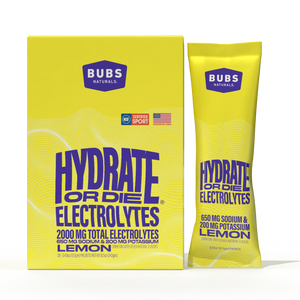
Prioritize Hydration: Dehydration can sometimes lead to higher concentrations of cholesterol in the blood. Using a clean electrolyte supplement like Hydrate or Die can help you maintain fluid balance without adding the sugars found in typical sports drinks.
-
Fiber is Your Friend: Soluble fiber, found in oats, beans, and fruits, can help lower LDL cholesterol by "binding" to it in the digestive system and dragging it out of the body.
-
Quality Protein: Supplements like Collagen Peptides can support your overall recovery and joint health, making it easier to stay active as you age.
Making the Best Choice for Your Routine
When it comes down to it, the answer to "does coffee creamer raise cholesterol" depends on what is inside the bottle. If you are using a product filled with partially hydrogenated oils and high fructose corn syrup, the answer is likely yes, especially over the long term. If you choose a clean, fat-based creamer like those we offer at BUBS Naturals, you are making a choice that aligns with a healthy, active lifestyle.
We are committed to providing products that are third-party tested and NSF for Sport certified. This means you can trust that what is on the label is exactly what is in the container. We don't use fillers or "BS" ingredients because we know that your performance and your health depend on the quality of your fuel.
Our mission is also bigger than just supplements. We are inspired by the legacy of Glen "BUB" Doherty, a Navy SEAL who lived life to the fullest. To honor him, we donate 10% of all our profits to veteran-focused charities. When you choose a better creamer for your coffee, you are not just supporting your own health; you are helping us support those who have served.
Success in wellness isn't about perfection; it’s about making better choices consistently. By swapping out processed creamers for cleaner alternatives, you take one more step toward a life of adventure and longevity.
Key Takeaway: Heart health is built on daily habits. Replacing high-sugar, high-processed creamers with clean alternatives like MCT oil can help you maintain a healthy cholesterol profile while still enjoying your morning ritual.
Summary of How to Choose a Creamer
-
Avoid: Partially hydrogenated oils, corn syrup, and artificial flavors.
-
Limit: Highly refined vegetable oils (soybean, cottonseed).
-
Look For: MCT oil, grass-fed dairy (if you tolerate it), and minimal added sugars.
-
Practice: Measuring your portions to avoid unintended calorie and sugar spikes.
FAQ
Does non-dairy creamer raise cholesterol more than milk?
It can, depending on the ingredients. Many non-dairy creamers use hydrogenated oils and high amounts of sugar to replicate the taste of milk, both of which can negatively impact cholesterol and triglycerides. If you choose non-dairy, look for clean, oil-based versions rather than those filled with thickeners and sweeteners.
Is coconut oil in creamer bad for your heart?
Coconut oil is high in saturated fat, which can raise LDL cholesterol in some individuals. However, coconut-sourced MCTs (medium-chain triglycerides) are processed differently by the liver and are less likely to be stored as fat or negatively impact lipids compared to long-chain saturated fats. It is best to use it as part of a balanced diet.
Can sugar in coffee creamer affect my cholesterol?
Yes, high intake of added sugars is a leading cause of elevated triglycerides and low HDL (good) cholesterol. Even if a creamer is "fat-free," a high sugar content can still lead to a poor lipid profile and increased cardiovascular risk over time.
What is the healthiest thing to put in coffee for cholesterol?
The healthiest options are usually black coffee, a small amount of unsweetened nut milk, or a clean MCT oil powder. MCT oil can provide creaminess and energy without the trans fats and sugars found in traditional creamers. Always check for products with minimal ingredients and no artificial fillers.