Table of Contents
- Introduction
- Understanding MCTs and Metabolic Health
- The Indirect Link: Weight Management and Blood Pressure
- MCT Oil and Metabolic Syndrome
- The Impact on Cholesterol and Lipids
- Does MCT Oil Cause Heart Palpitations?
- The Role of Inflammation and Vascular Function
- Potential Side Effects and Considerations
- How to Incorporate MCT Oil for Heart Health
- The Science: What Recent Studies Say
- Who Should Exercise Caution?
- BUBS Naturals: Clean Energy with a Purpose
- Conclusion
- FAQ
Introduction
If you are monitoring your cardiovascular health, you probably look at every supplement in your cabinet with a critical eye. You want to know if what you are taking is moving the needle in the right direction or creating unnecessary stress for your heart. Medium-chain triglyceride (MCT) oil has become a staple for those seeking mental clarity and quick energy, but the question remains: does MCT oil affect blood pressure in a way that should concern you?
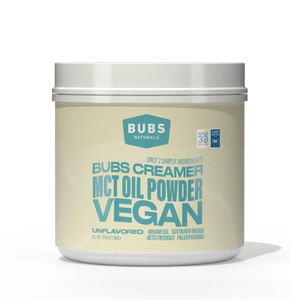
The short answer is that most research suggests MCT oil does not negatively impact blood pressure and may even support cardiovascular health indirectly. At BUBS Naturals, we focus on providing clean, functional supplements that fit into a high-performance lifestyle without the guesswork. If you already use our MCT Oil Creamer or want to explore the full MCT collection, this guide will break down how these specific fats interact with your metabolic health, their potential impact on your heart, and what the current scientific literature says about blood pressure management.
By the end of this article, you will understand the relationship between MCTs and your circulatory system. We will cover the mechanisms of how these fats are processed, their role in metabolic syndrome, and what to keep in mind when using them safely as part of your daily routine.
Quick Answer: Current research indicates that MCT oil typically does not raise blood pressure and may support healthy levels by aiding in weight management and improving insulin sensitivity. Most people find it a heart-neutral or heart-supportive addition to their diet when used in moderation.
Understanding MCTs and Metabolic Health
To understand the connection between MCT oil and blood pressure, we first need to look at what makes these fats unique. Most fats in the standard diet are long-chain triglycerides (LCTs). These are larger molecules that require a complex digestion process involving bile and pancreatic enzymes. They move through the lymphatic system before eventually entering the bloodstream.
Medium-chain triglycerides are different. They have shorter carbon chains, typically categorized as C8 (caprylic acid) and C10 (capric acid). Because of their size, your body processes them much faster. They go directly to the liver, where they are converted into ketones. Ketones are an efficient fuel source that can cross the blood-brain barrier, providing energy without the blood sugar spikes associated with carbohydrates.
This rapid metabolism is the reason many people use them for sustained energy. However, the impact on blood pressure is more closely tied to how these fats affect your overall metabolic health. High blood pressure is often a symptom of underlying issues like insulin resistance, systemic inflammation, or excess body weight. MCTs may help address these root causes.
The Indirect Link: Weight Management and Blood Pressure
One of the most significant ways any supplement can affect blood pressure is through its impact on body composition. Excess weight, particularly around the midsection, puts a significant strain on the heart and blood vessels. When you carry extra weight, your heart has to work harder to pump blood throughout the body, which naturally increases pressure.
MCT oil is frequently studied for its role in weight management. Because it is metabolized so quickly, it is less likely to be stored as body fat compared to LCTs. Furthermore, MCTs have been shown to increase satiety, the feeling of being full. When you feel full longer, you are less likely to overeat or reach for sugary snacks that can cause inflammation and weight gain.
Many people report that adding a scoop of our MCT Oil Creamer to their morning coffee helps them fast longer or eat smaller portions throughout the day. By supporting a healthy weight, MCT oil can indirectly help maintain blood pressure within a normal range. It is not a weight loss miracle, but it is a tool that can make a calorie-controlled diet easier to manage.
Key Takeaway: MCT oil supports blood pressure indirectly by promoting satiety and thermogenesis, which can lead to better weight management and reduced strain on the cardiovascular system.
MCT Oil and Metabolic Syndrome
Metabolic syndrome is a group of conditions that occur together, increasing your risk of heart disease, stroke, and type 2 diabetes. These conditions include increased blood pressure, high blood sugar, excess body fat around the waist, and abnormal cholesterol levels.
Research into MCTs suggests they may help combat several components of metabolic syndrome. Unlike some other saturated fats, MCTs have been shown to improve insulin sensitivity in some individuals. When your body is more sensitive to insulin, it can manage blood sugar more effectively. High blood sugar levels can damage the lining of the blood vessels over time, leading to atherosclerosis (hardening of the arteries) and increased blood pressure.
By helping to stabilize energy levels and potentially improving how the body handles glucose, MCT oil acts as a metabolic ally. It helps create a more stable internal environment, which is essential for long-term heart health. We believe in keeping things simple, and supporting your metabolism with clean fats is one of the most straightforward ways to stay on track with your wellness goals.
The Impact on Cholesterol and Lipids
A common concern when discussing blood pressure and heart health is cholesterol. For a long time, all saturated fats were lumped into one category and labeled as "bad" for the heart. We now know that the reality is much more nuanced.
The way MCT oil affects your lipid profile (cholesterol levels) can vary. Some studies show that MCTs can increase HDL (the "good" cholesterol) and improve the overall ratio of total cholesterol to HDL. A better cholesterol ratio is generally associated with a lower risk of cardiovascular issues, including high blood pressure.
However, it is important to note that a small subset of the population, often called "hyper-responders," may see an increase in LDL (the "bad" cholesterol) when they consume high amounts of saturated fat, including MCTs. While elevated LDL does not always mean higher blood pressure, it is a factor worth monitoring with your healthcare provider.
Unlike whole coconut oil, which contains a high percentage of lauric acid (C12), pure MCT oil focuses on C8 and C10. These shorter chains are less likely to negatively impact lipid profiles for most people because they are used for energy rather than stored or circulated in the same way as longer-chain saturated fats.
Does MCT Oil Cause Heart Palpitations?
Some users report feeling a racing heart or palpitations after taking MCT oil. While this is not the same as high blood pressure, the two are often conflated. If your heart is racing, you might assume your blood pressure is spiking.
This sensation is usually tied to the rapid energy boost that MCTs provide. Because they convert into ketones so quickly, your body gets a sudden influx of fuel. For some, this can feel like a "caffeine-like" rush. If you are sensitive to stimulants or new to using MCTs, this sudden energy shift can feel like heart palpitations.
In most cases, this is not a sign of high blood pressure but rather a sign that you should lower your dose and allow your body to adapt. We always recommend starting with a small amount—perhaps half a scoop or a teaspoon—to see how your system reacts. Most people find that as their body becomes "fat-adapted" or used to burning ketones, these sensations dissipate.
Myth: MCT oil is a stimulant that raises blood pressure like caffeine.
Fact: MCT oil is a fat-based fuel source. While it provides a quick energy boost that may mimic the "feeling" of a stimulant, it does not typically cause the systemic vasoconstriction (narrowing of blood vessels) associated with high-dose caffeine or other stimulants.
The Role of Inflammation and Vascular Function
Chronic inflammation is a silent driver of high blood pressure. When your blood vessels are inflamed, they become less flexible. This stiffness makes it harder for blood to flow through, which forces the heart to pump with more pressure.
MCTs have demonstrated anti-inflammatory properties in several animal and cell studies. By reducing systemic inflammation, MCTs may help maintain the elasticity of the blood vessels. This flexibility, known as vascular compliance, is a key marker of cardiovascular health.
While more human trials are needed to definitively state that MCT oil lowers blood pressure through anti-inflammatory pathways, the existing data is promising. When you combine MCT oil with other anti-inflammatory habits—like regular exercise and a diet rich in antioxidants—you are creating an environment where your heart can thrive.
Potential Side Effects and Considerations
While MCT oil is generally safe and potentially beneficial for blood pressure, there are a few things to keep in mind to ensure you get the best results.
Digestive Discomfort
The most common side effect of MCT oil is digestive upset. If you take too much too fast, it can lead to cramping, gas, or diarrhea. This happens because the liver can only process so much MCT at once. When the excess moves into the intestines, it can draw in water and cause distress. While this won't directly affect your blood pressure, the stress of digestive issues isn't great for your overall well-being.
Caloric Density
MCT oil is a fat, which means it is calorie-dense. Each gram of fat contains nine calories. If you add MCT oil to your diet without adjusting your other caloric intake, you could end up in a calorie surplus. Over time, this leads to weight gain, which is one of the primary drivers of high blood pressure. To get the benefits, use it as a replacement for other fats or as a strategic part of a balanced meal plan.
Quality Matters
Not all MCT oils are created equal. Some lower-quality products use harsh solvents during the extraction process or include fillers that can trigger inflammation. If you want a deeper look at what separates a better formula from the rest, check out our guide on What Is the Highest Quality MCT Oil for Your Daily Routine?. For a look behind the process, read How is BUBS MCT Oil Powder Made?. At BUBS Naturals, we focus on purity because we know that clean ingredients are essential for long-term health.
How to Incorporate MCT Oil for Heart Health
If you are interested in using MCT oil but want to be mindful of your blood pressure, the key is a slow and steady approach.
-
Start Low: Begin with 5 to 7 grams (about one teaspoon or half a scoop). Monitor how you feel for a few days.
-
Mix it Up: Don't just drink it straight. Mix it into coffee, tea, or a protein shake. This slows down the absorption slightly and is much easier on the stomach.
-
Use it as a Replacement: Instead of adding it on top of a high-fat meal, use it to replace a less healthy fat. For example, use it in a salad dressing instead of a processed vegetable oil.
-
Monitor Your Body: Pay attention to your energy levels and your blood pressure readings if you track them. Most people see no change or a slight improvement in their numbers over time.
Our Butter MCT Oil Creamer is a great option for those who want a richer flavor. It provides the same clean C8 and C10 fats but with a smooth, buttery taste that pairs perfectly with a morning brew. It’s an easy way to get those healthy fats in without a complicated recipe.
The Science: What Recent Studies Say
Research specifically looking at "MCT oil and blood pressure" in humans is still evolving, but the trends are encouraging. One study published in the Journal of Nutrition found that medium-chain fatty acids did not adversely affect blood pressure or heart rate when compared to long-chain fatty acids.
Another study focusing on weight loss showed that participants using MCT oil as part of a weight-loss program had better overall cardiovascular markers at the end of the study than those using olive oil. This doesn't mean olive oil is bad—it’s excellent—but it highlights that MCTs have a unique place in a heart-healthy diet.
It is also worth noting that MCTs may help reduce oxidative stress. Oxidative stress occurs when there is an imbalance between free radicals and antioxidants in the body. This imbalance can damage the cells that line your blood vessels. By supporting antioxidant activity, MCTs may help protect the structural integrity of your circulatory system.
Bottom line: While MCT oil is not a direct treatment for hypertension, it supports the metabolic and weight-related factors that help keep blood pressure in a healthy range.
Who Should Exercise Caution?
While we believe in the benefits of our products, we also believe in being responsible. Certain individuals should talk to their doctor before adding MCT oil to their routine, especially if blood pressure is a primary concern.
-
Those on Blood Pressure Medication: If you are taking medication to lower your blood pressure, any dietary change that might affect your weight or metabolism should be discussed with a professional.
-
Individuals with Liver Issues: Since MCTs are processed in the liver, those with advanced liver disease should use them with caution.
-
People with Severe Heart Conditions: If you have a history of arrhythmias or advanced heart disease, it is always best to clear new supplements with your cardiologist.
For the average active adult, MCT oil is a safe and effective way to power through the day. It’s about balance and listening to what your body is telling you.
BUBS Naturals: Clean Energy with a Purpose
At BUBS Naturals, we don’t just make supplements; we build tools for a better life. We named our brand after Glen "BUB" Doherty, a Navy SEAL who lived a life of adventure and service. His legacy drives everything we do. That means we don't cut corners on ingredients, and we don't use fillers. To learn more about our mission, visit Our Story.
Our MCT products are NSF for Sport certified, meaning they meet the highest standards for purity and safety. Whether you are a professional athlete or someone just trying to get through a busy workday with a clear head, you can trust that what you're putting in your body is clean.
We also believe in giving back. We donate 10% of all our profits to veteran-focused charities in BUB’s honor, and you can read more on our Giving Back to Veterans & Our Communities page. When you choose us, you’re not just supporting your own health; you’re supporting a mission that matters.
Conclusion
The evidence suggests that MCT oil is a heart-neutral or heart-supportive supplement. It does not typically raise blood pressure and, through its support of weight management and metabolic health, may actually help you maintain healthy levels over the long term. As with any change to your wellness routine, the key is to start slow, choose high-quality sources, and pay attention to your body's signals.
- MCTs provide a rapid, clean energy source that is less likely to be stored as fat.
- Weight management is the strongest link between MCT use and healthy blood pressure.
- Most people do not experience negative changes in their lipid profiles from pure C8 and C10 MCT oil.
- Always start with a small dose to avoid digestive upset or an overwhelming energy rush.
If you’re ready to see how clean fats can change your morning routine, try adding one of our MCT creamers to your ritual or browse the rest of our Boosts Collection for other targeted daily support.
FAQ
Does MCT oil raise blood pressure?
For the majority of people, MCT oil does not raise blood pressure. In fact, by supporting weight management and metabolic health, it may help maintain healthy blood pressure levels. Some users may feel a temporary "rush" of energy that can be mistaken for a rise in pressure, but this is usually just the body processing a quick fuel source.
Can MCT oil help with weight loss and blood pressure?
Yes, MCT oil can be a helpful tool in a weight management plan because it increases satiety and is less likely to be stored as fat than other oils. Since excess weight is a major risk factor for high blood pressure, using MCT oil to support a healthy weight can indirectly lead to better blood pressure readings.
Are there any heart-related side effects of MCT oil?
The most common "heart-related" report is a feeling of palpitations or a racing heart, which is typically a reaction to the rapid energy boost from ketones. This is usually managed by decreasing the dosage. People with pre-existing heart conditions should always consult their doctor before starting any new supplement.
How much MCT oil should I take daily for heart health?
There is no specific "heart health" dose, but most people find benefits by taking one to two tablespoons per day. It is critical to start small—around one teaspoon—and gradually increase your intake over a week or two to allow your digestive system and metabolism to adapt.