Table of Contents
- Introduction
- What is MCT Oil?
- The Two Definitions of Fasting
- How MCT Oil Affects Weight Loss and Ketosis
- MCT Oil and Autophagy: The Gray Area
- Why MCT Oil is Different from Coconut Oil
- Coffee with MCT Oil: The "Dirty Fasting" Protocol
- A Practical Protocol for Using MCTs While Fasting
- The Role of Electrolytes
- Who Should Avoid MCT Oil During a Fast?
- Training While Fasted
- Conclusion
- FAQ
Introduction
You wake up, drink a glass of water, and head out for a morning rucking session or a trip to the gym. You are practicing intermittent fasting to sharpen your mind and lean out, but by 9:00 AM, the "hunger wall" hits. You need energy, but you don't want to waste the hours of discipline you’ve already put in. This is where the question of medium-chain triglyceride (MCT) oil comes into play, and it’s why so many people reach for MCT Oil Creamer in the morning.
At BUBS Naturals, we believe in clean, functional nutrition that supports your hardest efforts without the fluff. Fasting is a powerful tool for metabolic health, but it doesn't have to be a test of pure suffering. Understanding how your body processes different nutrients is the key to mastering your routine. This article will explore the science of MCTs, how they interact with your hormones, and whether adding them to your morning coffee will help or hinder your fasting goals.
Quick Answer: Technically, MCT oil contains calories and breaks a strict water fast. However, because it does not spike insulin, it preserves the metabolic state of ketosis and fat-burning, making it ideal for those focused on weight loss or energy.
What is MCT Oil?
Before we look at its impact on fasting, we need to define what we are talking about. MCT stands for medium-chain triglycerides. These are a type of fat most commonly extracted from coconut oil or palm oil. Unlike the long-chain triglycerides (LCTs) found in most other dietary fats—like olive oil or butter—MCTs have a shorter chemical structure. This might sound like a small detail, but it completely changes how your body handles them.
Most fats require a long, slow journey through your digestive system. They need bile from your gallbladder and enzymes from your pancreas to break down before they can be used. MCTs are different. They bypass much of this process and go straight to your liver via the portal vein. Once in the liver, your body quickly converts them into ketones. Ketones are an alternative fuel source to glucose (sugar) that your brain and muscles can use for immediate energy.
If you want to see the full lineup of powders and blends, the MCT collection is the best place to start.
There are four main types of MCTs, categorized by the number of carbon atoms they contain:
-
C6 (Caproic acid): The shortest, but often has a harsh taste.
-
C8 (Caprylic acid): The most efficient for raising ketone levels.
-
C10 (Capric acid): Excellent for energy and slightly slower to metabolize than C8.
-
C12 (Lauric acid): Often behaves more like a long-chain fat in the body.
The Two Definitions of Fasting
To answer whether MCT oil breaks a fast, we have to define what "breaking a fast" actually means to you. People fast for different reasons, and the rules change depending on your objective.
The Strict Caloric Fast
If you are a "purist," any calorie that enters your mouth breaks a fast. A tablespoon of MCT oil contains roughly 120 calories. If your goal is a 100% "clean fast"—where you only consume water, black coffee, or plain tea—then MCT oil breaks that fast. This is often the approach taken for religious reasons or for certain clinical studies.
The Metabolic Fast
For most people in the wellness and fitness space, the goal isn't just to avoid calories; it’s to maintain a specific hormonal state. This is what we call a "metabolic fast." The primary goal here is to keep insulin levels low. Insulin is the "storage hormone" that tells your body to stop burning fat and start storing energy.
Because MCT oil is a pure fat with zero carbohydrates and zero protein, it has a negligible effect on insulin. In this context, you are still "fasting" because your body remains in a fat-burning state, even though you’ve consumed some liquid energy.
Key Takeaway: If your goal is to stay in a fat-burning state (ketosis) and keep insulin low, MCT oil is generally considered compatible with your fast. If your goal is zero caloric intake, it is not.
How MCT Oil Affects Weight Loss and Ketosis
Most people use intermittent fasting as a tool for weight management. In this scenario, adding a serving of MCT oil can actually be a strategic advantage.
When you fast, your body eventually runs out of stored sugar (glycogen) and begins to burn body fat. This process produces ketones. By taking MCT oil, you provide your liver with the raw materials to produce even more ketones. This can help you bridge the gap between meals without the "energy crash" that often leads people to quit their fast early and reach for a sugary snack.
Furthermore, MCTs have been shown to influence satiety hormones like leptin and peptide YY. These are the signals that tell your brain you are full. By suppressing ghrelin—the hormone that makes you feel hungry—MCT oil can help you extend your fasting window comfortably.
Myth: Taking MCT oil will stop your body from burning its own fat.
Fact: While your body will burn the MCTs first, the increase in ketones and the suppression of hunger often allow you to stay in a fasted state longer, leading to a greater total fat-loss effect over time.
MCT Oil and Autophagy: The Gray Area
Autophagy is a process where your body performs "cellular cleanup." It identifies old, damaged proteins and cellular components and recycles them for energy. It is one of the most cited reasons for long-duration fasting, as it is linked to longevity and cellular health.
The science here is a bit more complex. Autophagy is largely regulated by a nutrient-sensing pathway called mTOR. When you consume protein or carbohydrates, mTOR is activated, and autophagy stops. Because MCT oil provides energy (calories), there is some debate as to whether it slows down this "cleanup" process.
However, some research suggests that the presence of ketones—which MCT oil helps produce—might actually support certain types of autophagy. If your primary goal for fasting is maximum cellular recycling, it is usually safer to stick to a strict water fast. But if you are doing a standard 16:8 intermittent fast for general health, the difference is likely minimal.
Why MCT Oil is Different from Coconut Oil
It is a common mistake to think that coconut oil and MCT oil are the same thing. While MCT oil is derived from coconuts, they behave differently during a fast.
Coconut oil is roughly 54% MCTs, but a large portion of that is Lauric acid (C12). While C12 is technically a medium-chain fat, the body treats it more like a long-chain fat, meaning it takes longer to digest and is less effective at producing immediate ketones.
Pure MCT oil, like our Butter MCT Oil Creamer, is a concentrated source of C8 and C10. These specific fatty acids are what provide the rapid energy boost and the "metabolic bypass" that makes them so useful for fasting. Using plain coconut oil in your coffee might leave you feeling heavy and sluggish because it requires more digestive effort, which could more significantly disrupt the resting state of your gut during a fast.
Coffee with MCT Oil: The "Dirty Fasting" Protocol
Adding MCT oil to coffee is the most popular way to use it during a fast. This is often referred to as "dirty fasting." But why do people do it?
Caffeine is a natural thermogenic, meaning it helps your body burn more calories. It also aids in the release of fatty acids from your tissues. When you combine caffeine with the rapid ketone production of MCTs, you create a powerful synergy for mental clarity and physical energy.
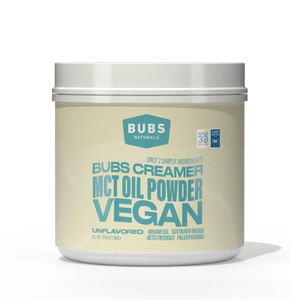
Many athletes and professionals find that a morning cup of coffee with a scoop of a clean MCT powder allows them to skip breakfast entirely and stay productive until early afternoon. We designed our MCT Oil Creamer to mix effortlessly into hot liquids, providing a rich texture without the need for dairy or sugar, both of which would definitely break your metabolic fast.
How to Do It Right:
-
Start with Black Coffee: Use high-quality beans to avoid mold and toxins.
-
Add MCTs: Use a powder or oil that is high in C8 and C10.
-
Avoid Add-ins: Do not add milk, half-and-half, or sugar. These contain lactose (sugar) and protein, which will spike insulin and end your fast.
-
Emulsify: If using oil, use a small hand blender to mix it. If using our powder, it will stir in easily.
A Practical Protocol for Using MCTs While Fasting
If you are new to using MCTs, jumping in with a large dose can lead to what some call "disaster pants"—essentially, digestive upset. Your body needs time to adapt to processing these fats.
Step 1: The Introduction Phase
Start with a small amount. If you are using our MCT Oil Creamer, try half a scoop (or one teaspoon of liquid oil) in your morning coffee. Do this for three to five days to see how your stomach reacts.
Step 2: The Maintenance Phase
Once you are comfortable, move up to a full serving (about one tablespoon). This is usually the "sweet spot" for appetite suppression and mental focus. You should find that your morning hunger disappears and your focus sharpens.
Step 3: Timing
The best time to take MCT oil is during the "hunger peak" of your fast. For many people, this is about 3 or 4 hours before they plan to eat their first solid meal. It provides the energy needed to finish the fast strong.
Step 4: Listen to Your Body
Fasting is not a one-size-fits-all practice. Some days you might feel great on just water. Other days, you might need that extra boost. Use MCTs as a tool in your kit, not a mandatory rule.
| Goal of Fast |
Does MCT Oil Break It? |
Recommendation |
| Strict Water Fast |
Yes |
Avoid all calories. |
| Weight Loss |
No (Metabolically) |
Use 1 scoop to stay full and energized. |
| Ketosis |
No |
Use to boost BHB (ketone) levels. |
| Gut Rest |
Partially |
Minimal impact, but water is better for total rest. |
The Role of Electrolytes
When you fast and take MCTs, your body processes water and minerals differently. As insulin levels drop, your kidneys excrete more sodium and water. This is why many people feel "shaky" or get headaches during a fast—it’s often dehydration, not hunger.
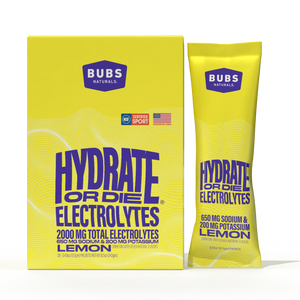
If you are using MCT oil to extend your fast, we recommend also paying attention to your hydration. A clean electrolyte formula like Hydrate or Die can help maintain muscle function and energy levels. Just ensure your electrolytes don't contain added sugars, as that would negate the benefits of the MCT oil.
If you want a deeper dive on fasted hydration, Does Electrolyte Water Break a Fast? is a helpful next read.
Who Should Avoid MCT Oil During a Fast?
While MCTs are safe for most people, there are a few scenarios where you might want to reconsider.
-
Weight Loss Plateaus: If your weight loss has stalled, remember that MCT oil still has calories. You might be consuming enough "liquid energy" that your body doesn't need to tap into its own fat stores. Try reducing the amount or skipping it for a few days.
-
Severe Digestive Issues: People with certain gastrointestinal conditions might find MCTs irritating. Always consult a healthcare professional if you have pre-existing conditions.
-
Medical Fasts: If you are fasting for a blood test or a medical procedure, follow your doctor's instructions exactly. They almost always require a strict water fast.
Training While Fasted
One of the best uses for MCT oil is as a pre-workout fuel for fasted training. When you train in a fasted state, your body is primed to burn fat. However, high-intensity efforts can sometimes feel "flat" because glucose levels are low.
By taking MCTs 30 minutes before your workout, you give your muscles a shot of ketones. These ketones provide a steady stream of energy that doesn't cause the "crash" associated with pre-workout sugars. Many runners and lifters find that they can maintain a higher intensity for longer when they utilize this "fat-fueled" approach.
If you train hard and want another clean performance option, Creatine Monohydrate is another simple addition to your routine.
Bottom line: MCT oil is a "functional" way to break a fast. It provides calories but keeps your metabolism in a fasted state, making it a powerful tool for those who want to perform at their peak while reaping the benefits of intermittent fasting.
Conclusion
So, does MCT oil break your fast? The answer is "yes" for your digestive system and "no" for your metabolic engine. If you are looking to maximize fat burning, maintain high energy levels, and stay mentally sharp throughout the morning, MCTs are one of the most effective tools available. At BUBS Naturals, we pride ourselves on providing the cleanest MCT products to help you push your limits.
Whether you are rucking 10 miles or just trying to make it through a long morning of meetings, our products are designed to support your journey. We are also proud to carry on the legacy of Glen "BUB" Doherty by donating 10% of all our profits to veteran-focused charities. If you want to learn more about that mission, our giving-back story shares how we put purpose behind every product. It’s wellness with a purpose. Grab a tub of our MCT Oil Creamer, stir it into your morning brew, and feel the difference that clean energy can make.
FAQ
Does MCT oil count as a "dirty fast"?
Yes, "dirty fasting" is a term used to describe consuming pure fats like MCT oil or butter during a fasting window. This practice allows for some caloric intake while keeping insulin levels low enough to maintain a state of fat-burning and ketosis.
Can I put MCT oil in my tea instead of coffee?
Absolutely. MCT oil is flavorless and odorless, so it works perfectly in any hot tea, such as green tea or yerba mate. This can be a great alternative if you are sensitive to the high caffeine content in coffee but still want the energy boost from the ketones.
Will MCT oil make me gain weight if I’m fasting?
Weight gain is generally a result of a total caloric surplus over time. While MCT oil is calorie-dense, it often leads to a net caloric deficit by making it easier to skip entire meals and reducing overall hunger. However, if you add it to an already high-calorie diet, you should monitor your total intake.
Is it better to use MCT oil or MCT powder for fasting?
Both provide the same metabolic benefits. MCT oil is pure liquid, while MCT powder (like our creamer) is often easier on the stomach and mixes better into drinks without leaving an oily film on top. Choose the version that fits your digestive tolerance and lifestyle.