Table of Contents
- Introduction
- Understanding the Basics of MCTs
- What Makes C8 MCT Oil Special?
- How Your Body Processes C8 MCT Oil
- The Performance Benefits of C8 MCT Oil
- C8 vs. Coconut Oil: What is the Difference?
- How to Incorporate C8 MCT Oil into Your Routine
- Finding the Right Dosage
- Why Quality and Sourcing Matter
- C8 MCT Oil and the Ketogenic Diet
- Potential Side Effects and Considerations
- The BUBS Naturals Commitment
- Summary: Elevating Your Energy
- FAQ
Introduction
You wake up, reach for your coffee, and prepare for a long day of training, work, or outdoor adventure. You want more than just a caffeine spike that leads to a mid-morning crash. You want steady energy and mental clarity that lasts. This is where C8 MCT oil enters the conversation. As a concentrated form of healthy fats, it has become a staple for athletes, weekend warriors, and anyone looking to optimize their daily performance.
At BUBS Naturals, we focus on providing clean, functional nutrition that supports an active lifestyle. Understanding what is C8 MCT oil is the first step in realizing how it can upgrade your routine. This guide covers the science behind these medium-chain fats, why the "C8" designation matters, and how you can use it to fuel your body and brain.
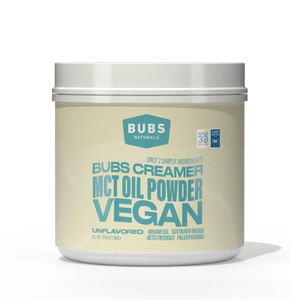
Whether you are looking to support a ketogenic lifestyle or simply want a better way to power through your afternoon, C8 MCT oil is one of the most efficient tools in the wellness kit. For a convenient way to add MCTs to coffee or shakes, try our MCT Oil Creamer. We will break down the mechanics of how your body processes this fat and why it differs from the standard fats found in a typical diet.
Understanding the Basics of MCTs
To understand C8, we first need to look at the broader category of medium-chain triglycerides, or MCTs. Triglyceride is simply a technical term for a fat molecule. Most of the fats you consume in a standard diet, such as those from olive oil, butter, or meat, are long-chain triglycerides (LCTs).
The "chain" refers to the string of carbon atoms that make up the fatty acid. LCTs typically have 13 to 21 carbons. Because these chains are long, they take a significant amount of time and effort for your body to break down. They require bile and pancreatic enzymes to digest, and they eventually travel through your lymphatic system before entering the bloodstream.
MCTs are different. They have shorter carbon chains, typically between 6 and 12 carbons. Because they are shorter, they bypass the traditional digestive route. Instead of waiting for a slow breakdown, MCTs go straight to the liver. This allows them to be converted into energy almost immediately. If you want to see how MCTs show up across the full product lineup, take a look at the MCT collection.
The Four Main Types of MCTs
There are four specific fatty acids that fall under the MCT umbrella. They are named based on the number of carbons in their molecular tail:
-
C6 (Caproic Acid): The shortest chain. It converts to energy very quickly but is rarely used in supplements because it tends to have an unpleasant smell and can cause digestive distress.
-
C8 (Caprylic Acid): The most efficient of the group for energy production. It is the primary focus of high-quality MCT supplements.
-
C10 (Capric Acid): A slightly longer chain that still offers quick energy but is metabolized a bit slower than C8.
-
C12 (Lauric Acid): The longest of the medium chains. While it is technically an MCT, it behaves more like a long-chain fat in the body, taking longer to digest.
Key Takeaway: The shorter the carbon chain, the faster the body can convert the fat into usable energy. C8 is widely considered the gold standard for rapid ketone production.
What Makes C8 MCT Oil Special?
C8, or caprylic acid, is often referred to as the most "ketogenic" of all the MCTs. This means it is the most effective at prompting your liver to produce ketones. Ketones are an alternative fuel source to glucose (sugar). When your body runs on ketones, many people report feeling a sense of steady, "clean" energy without the jittery highs and lows of sugar-based fuel.
What makes C8 stand out is its speed. Because it has only eight carbon atoms, it requires very little metabolic work to process. While C10 and C12 are still beneficial, C8 is the undisputed heavyweight when it comes to mental clarity and immediate physical fuel. For a richer coffee option that still leans on fast-acting MCTs, Butter MCT Oil Creamer is another easy fit.
Most high-quality MCT oils on the market are either a blend of C8 and C10 or pure C8. Pure C8 is typically more expensive to produce because it requires more intensive processing to isolate it from coconut or palm oil. However, for those who prioritize performance and want the fastest results, the investment in C8 is often worth it.
How Your Body Processes C8 MCT Oil
The magic of C8 happens in the liver. When you consume a long-chain fat, your body has to package it into chylomicrons, which then move through your lymph system. It is a slow, methodical process designed for long-term storage or slow-release energy.
C8 skips the line. It travels via the portal vein directly to the liver. Once there, it undergoes a process called beta-oxidation. The liver converts the C8 fatty acids into ketones. These ketones then enter the bloodstream and can cross the blood-brain barrier.
The brain is an energy-hungry organ. While it typically relies on glucose, it can run very efficiently on ketones. To dig deeper into the individual fatty acids that make up MCT oil, check out What Are the Ingredients in MCT Oil?. Many researchers believe that ketones provide a more stable energy source for neurons. This is why people who use C8 MCT oil often describe a "lifting of the fog" shortly after consumption.
Energy Without the Storage
Because C8 is processed so quickly by the liver, it is less likely to be stored as body fat compared to LCTs. Your body treats it more like a carbohydrate in terms of speed, but without the insulin spike associated with sugars. This makes it a unique tool for metabolic health. It provides the body with the fuel it needs to perform without triggering the hormones that signal the body to store calories for later.
Myth: All fats are processed the same way by the digestive system.
Fact: MCTs, especially C8, bypass the standard lymphatic digestion process and go straight to the liver for immediate energy.
The Performance Benefits of C8 MCT Oil
For those living an active lifestyle, C8 MCT oil offers several distinct advantages. It is not just about mental focus; it is about physical endurance and recovery as well.
1. Rapid Physical Energy
During high-intensity training or long-duration endurance events, your body relies on glycogen (stored carbohydrates) for fuel. Once glycogen stores run low, you "bonk" or hit a wall. C8 provides an alternative fuel source that can spare your glycogen stores. By providing the body with ketones, you can maintain a higher level of performance for longer periods.
2. Cognitive Clarity and Focus
Whether you are navigating a difficult trail or a complex project at work, mental fatigue is a real obstacle. Because C8 is so efficient at producing ketones that reach the brain, it can help maintain cognitive function even when you are physically tired or haven't eaten in several hours.
3. Appetite Management
One of the most reported benefits of C8 MCT oil is its ability to support satiety. Fats generally help you feel full, but MCTs may influence specific hunger hormones like peptide YY and leptin. If you want a practical look at everyday use cases, see What is MCT Oil Powder Used For?. Adding a serving of MCT to your morning routine can help you stay satisfied until lunch, reducing the urge to reach for sugary snacks.
4. Metabolic Support
C8 may help support a healthy metabolism by increasing thermogenesis. This is the process by which your body burns calories to produce heat. While it is not a "magic pill" for weight loss, it can be a helpful component of a well-rounded nutrition plan focused on body composition.
C8 vs. Coconut Oil: What is the Difference?
A common question is whether you can get the same benefits simply by eating coconut oil. While coconut oil is a healthy fat and a great source of MCTs, it is not the same as a concentrated C8 MCT oil.
Coconut oil is roughly 50% lauric acid (C12). As we discussed, C12 behaves more like a long-chain fat. While it has great antimicrobial properties, it is not the best choice for quick energy or ketone production. Coconut oil only contains about 7% C8 and 5% C10. For a closer comparison of these formats, read MCT Oil and Coconut Oil vs. MCT Oil Powder.
To get a meaningful dose of C8 from plain coconut oil, you would have to consume a massive amount of it, which would likely result in an upset stomach and an excessive number of calories. MCT oil is produced through a process called fractionation. This involves heating the oil to separate the different fatty acids based on their boiling points, allowing us to isolate the C8 and C10 for a more potent product.
| Feature |
Coconut Oil |
Pure C8 MCT Oil |
| Primary Fat Type |
Lauric Acid (C12) |
Caprylic Acid (C8) |
| Digestion Speed |
Slow to Moderate |
Very Fast |
| Ketone Production |
Low |
High |
| Best Use |
Cooking, Skin Care |
Energy, Focus, Keto |
| Flavor |
Coconutty |
Neutral |
How to Incorporate C8 MCT Oil into Your Routine
The beauty of C8 MCT oil is its versatility. High-quality MCT oil should be virtually tasteless and odorless, making it easy to add to almost anything.
The Morning Brew
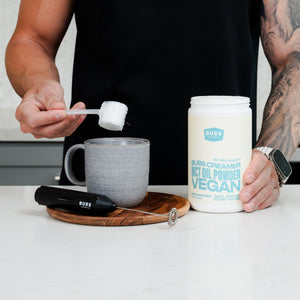
The most popular way to use MCT oil is in coffee. Many people blend it with grass-fed butter or a clean creamer to create a frothy, latte-like drink that provides sustained energy. Our MCT Oil Creamer is designed to mix effortlessly into coffee, giving you the benefits of coconut-sourced MCTs with a rich, creamy texture. If you prefer a buttery coffee profile, Butter MCT Oil Creamer is a simple swap.
Smoothies and Shakes
If you prefer a cold start to your day, adding a tablespoon of C8 to your protein shake or fruit smoothie is an excellent choice. It adds a silky texture and ensures that you have healthy fats to balance out any natural sugars in the fruit.
Salad Dressings and Cold Dishes
You can use MCT oil as a base for salad dressings. Mix it with apple cider vinegar, lemon juice, and herbs for a clean, energy-boosting topper for your greens. You can also drizzle it over roasted vegetables or stir it into oatmeal.
Note: C8 MCT oil has a low smoke point. This means it is not suitable for high-heat frying or sautéing. Use it in cold preparations or add it to hot foods after they have been cooked to preserve the integrity of the fats.
Finding the Right Dosage
If you are new to MCT oil, it is important to start slow. Because MCTs are processed so quickly, they can cause digestive discomfort if you take too much too soon. This is often referred to as "disaster pants" in the fitness community—a sudden need to find a restroom.
Start with one teaspoon per day. Monitor how your body responds over three or four days. If you feel fine, you can gradually increase the dose to a full tablespoon. For a simple step-by-step approach, see How to Take MCT Oil Powder for Weight Loss. Most people find that one to two tablespoons per day is the "sweet spot" for energy and focus.
Bottom line: Start with a small dose of C8 MCT oil and gradually increase it over a week to allow your digestive system to adapt to the rapid absorption of these fats.
Why Quality and Sourcing Matter
Not all MCT oils are created equal. When shopping for a C8 supplement, you should consider several factors to ensure you are getting a clean, effective product.
Coconut vs. Palm Oil
MCTs are typically sourced from either coconut oil or palm oil. While palm oil is often cheaper, it is linked to significant environmental concerns, including deforestation and habitat destruction. We prioritize coconut-sourced MCTs because they are more sustainable and provide a cleaner end product.
Extraction Methods
Look for oils that are extracted without the use of harsh chemical solvents. The fractionation process should be mechanical and temperature-based. This ensures that the final oil remains pure and free from unwanted residues.
Third-Party Testing
Trust is everything when it comes to what you put in your body. We ensure our products are third-party tested and, where applicable, NSF for Sport certified. To learn more about the brand behind the standard, visit Our Story. This means that what is on the label is exactly what is in the bottle, and the product is free from contaminants or banned substances. This is particularly important for competitive athletes and military personnel who are subject to rigorous testing.
C8 MCT Oil and the Ketogenic Diet
While you do not have to be on a ketogenic diet to enjoy the benefits of C8, it is a staple for those who are. In a ketogenic state, the body has transitioned from burning sugar to burning fat. C8 helps facilitate this transition and makes it easier to maintain.
One of the challenges of a keto diet is the "keto flu," a period of fatigue and brain fog that occurs as the body switches fuel sources. Because C8 is so effective at raising ketone levels, it can help mitigate these symptoms and provide the brain with the energy it needs during the adjustment period.
Even for those who consume carbohydrates, C8 can be beneficial. It allows for a dual-fuel approach where the body can utilize both glucose and ketones for energy. This metabolic flexibility is a hallmark of high-performing individuals.
Potential Side Effects and Considerations
While C8 MCT oil is generally safe for most people, there are a few things to keep in mind. As mentioned, digestive upset is the most common side effect of taking too much too quickly. This can include cramping, gas, or diarrhea.
If you have a history of liver issues, you should consult with your healthcare provider before adding concentrated MCTs to your diet, as the liver is the primary site of metabolism for these fats. Additionally, while MCTs are healthy fats, they are still calorie-dense. Each tablespoon contains about 100 to 130 calories. It is important to incorporate them into your total daily caloric needs rather than simply adding them on top of an already high-calorie diet.
We always recommend listening to your body. Everyone’s metabolic makeup is slightly different. What works for a professional triathlete might need to be adjusted for someone who is just starting their fitness journey.
The BUBS Naturals Commitment
We believe that wellness should be simple, effective, and rooted in purpose. Our approach to MCT oil reflects this philosophy. We use only the cleanest ingredients, ensuring that our products mix easily and perform when you need them most.
Our brand was founded to honor the legacy of Glen "BUB" Doherty, a Navy SEAL and adventurer who lived his life with intensity and heart. Every product we create, from our collagen to our MCT powders, is designed to help you live your own life to the fullest. We don't believe in fillers or BS ingredients—just high-quality nutrition that works as hard as you do.
Summary: Elevating Your Energy
C8 MCT oil is more than just a trend in the wellness world. It is a scientifically backed tool for providing rapid energy to both the body and the brain. By choosing a high-quality, coconut-sourced C8 oil, you are giving your liver the raw materials it needs to produce ketones efficiently.
Whether you are looking to sharpen your mental focus for a big presentation, push through the final miles of a marathon, or simply manage your appetite throughout a busy day, C8 MCT oil can help. Remember to start slow, prioritize quality, and enjoy the steady energy that comes from clean, fat-based fuel.
"The best way to find yourself is to lose yourself in the service of others." — This spirit of service drives everything we do. In honor of Glen Doherty, we donate 10% of all profits to veteran-focused charities. Your pursuit of wellness helps support those who have served.
Ready to experience the difference for yourself? Start by incorporating a clean source of MCTs into your morning routine. Whether it is our liquid MCT oil or our convenient MCT Oil Creamer, you are taking a proactive step toward a more energized and focused life.
FAQ
Does C8 MCT oil break a fast?
Pure C8 MCT oil consists only of fats and does not contain protein or carbohydrates, so it does not spike insulin levels. Many people use it during intermittent fasting to help manage hunger and provide mental clarity without technically "breaking" the metabolic state of the fast. However, if your goal is a strict zero-calorie fast, any fat intake will count as calories consumed.
Is C8 MCT oil better than a C8/C10 blend?
C8 is the fastest to convert into ketones, making it the most potent for immediate energy and brain power. A blend that includes C10 is still very effective and often more budget-friendly. For most people, a high-quality blend provides excellent results, while pure C8 is the choice for those seeking peak performance and the highest possible ketone production.
Can I use C8 MCT oil if I'm not on a keto diet?
Absolutely. You do not need to be in ketosis to benefit from C8 MCT oil. Your body can utilize ketones for energy even if you still consume carbohydrates. Many athletes use C8 as a "dual-fuel" source to provide extra energy during long workouts or to improve focus during the workday.
How should I store my MCT oil?
MCT oil is very stable and has a long shelf life. You should store it in a cool, dark place away from direct sunlight. While refrigeration is not strictly necessary for liquid MCT oil, it can help maintain the freshness of MCT-based creamers or powders. Always ensure the cap is tightly sealed to prevent oxidation.