Table of Contents
- Introduction
- The Biological Divide: Why Women Start from a Different Baseline
- Hormones, Cycles, and Creatine Performance
- Strengthening the Foundation: Muscle and Bone Health
- Beyond the Muscle: Cognitive Support for the Modern Woman
- Navigating the Menopause Transition
- Busting the Myths: What Creatine Won't Do to Your Body
- The BUBS Standard: Why Quality is Non-Negotiable
- How to Optimize Your Results
- A Day in the Life: Putting it All Together
- Conclusion
- FAQ
Introduction
Did you know that women naturally carry about 70 to 80 percent lower endogenous creatine stores than men? This single statistic often comes as a shock to many in the wellness community, particularly because creatine has long been marketed as a "bodybuilding" supplement reserved for the locker rooms of heavy-lifting men. For years, the narrative around creatine was built by men, for men, leaving women to wonder if this powerful organic compound had any place in their own cabinets. The reality is that the biological gap in natural stores makes women some of the most ideal candidates for supplementation.
At BUBS Naturals, we believe in a life of adventure and wellness fueled by clean, functional, and science-backed nutrition. Our mission is rooted in the legacy of Glen “BUB” Doherty—a Navy SEAL, adventurer, and dedicated friend—who lived his life with purpose and intensity. In that spirit, we want to peel back the layers of "bro-science" and explore the actual physiology of how creatine interacts with the female body. By understanding the unique interplay between hormones, muscle metabolism, and cognitive health, we can see that the answer to whether creatine affects women differently is a resounding yes—and often, those differences are exactly why it is so beneficial.
By the end of this article, you will understand the metabolic differences between the sexes, how creatine levels fluctuate throughout the menstrual cycle and menopause, and how a high-quality Creatine Monohydrate can support everything from your morning workout to your mental clarity. We aren't just talking about building bigger muscles; we are talking about supporting a lifestyle that demands energy, resilience, and focus. Whether you are navigating the high-intensity demands of a professional career, training for your first marathon, or managing the shifts of menopause, understanding this supplement is a vital step in your wellness journey.
The Biological Divide: Why Women Start from a Different Baseline
To understand the difference in how creatine affects women, we first have to look at what it is and where it lives. Creatine is a naturally occurring organic compound stored primarily in our muscles, with smaller amounts found in the brain. Its primary job is to help produce adenosine triphosphate (ATP), the high-octane fuel our cells use for quick, explosive bursts of energy. Think of ATP as the currency of movement; every time you sprint for a bus, lift a heavy grocery bag, or push through a final set of squats, your body is "spending" ATP.
The sex-based difference begins with muscle mass. Because men generally have higher total muscle mass than women, they have a larger "container" to store creatine. However, research indicates that women may actually have higher resting levels of intramuscular creatine concentrations (roughly 10% higher) when adjusted for muscle volume. While this might sound like a reason to skip the supplement, the opposite is true. Because women have lower total stores and often consume less dietary creatine—typically found in red meat and poultry—they may have a higher "responsiveness" to supplementation.
For the modern woman who may be leaning toward a more plant-based diet, these stores can dip even lower. This is where we see the "BUBS difference." Our Creatine Monohydrate is a single-ingredient, pure power source that fills those gaps without the unnecessary fillers often found in mass-market products. For women, who often have more efficient baseline concentrations but lower total volume, adding a daily scoop can ensure that the "gas tank" for ATP production is always full.
Hormones, Cycles, and Creatine Performance
One of the most significant ways creatine affects women differently than men is its interaction with the endocrine system. Men have relatively stable hormonal environments day-to-day, whereas women navigate a cyclical rhythm that shifts every few weeks. These shifts in estrogen and progesterone don’t just affect mood and energy; they directly impact how the body manages energy.
During the luteal phase—the time between ovulation and the start of your period—estrogen and progesterone are at their peak. Studies suggest that protein catabolism (the breakdown of muscle tissue) is often higher during this phase, and carbohydrate storage can be more challenging. Research has shown that the enzyme responsible for recycling creatine, known as creatine kinase, fluctuates in sync with these hormones. When estrogen is high, creatine kinase activity may increase, which can actually help with muscle recovery after a tough session.
However, when estrogen is low, such as during the follicular phase or during the transition into menopause, the body may struggle more with the efficient resynthesis of PCr (phosphocreatine). By maintaining a consistent routine with Creatine Monohydrate, women can provide their bodies with a steady supply of substrate to keep energy levels stable, regardless of where they are in their cycle.
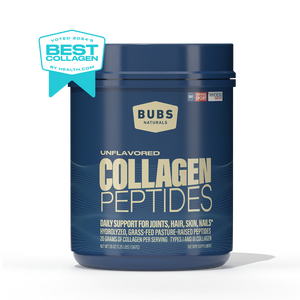
Imagine a typical Tuesday: you’re in your luteal phase, feeling a bit more fatigued than usual, and your morning workout feels like a mountain you can't climb. By ensuring your creatine stores are saturated, you’re giving your muscles the best possible chance to produce energy efficiently. We recommend pairing this with a scoop of our Collagen Peptides to support joint health and recovery, creating a powerhouse foundation for your active lifestyle.
Strengthening the Foundation: Muscle and Bone Health
One of the primary fears women express when they hear the word "creatine" is the fear of "bulking up." We want to clear the air: creatine is not a steroid. It is a fuel source. While it can help you build lean muscle mass when paired with resistance training, it won't magically turn you into a bodybuilder overnight. Instead, it acts as a "jetpack" for your workouts. By providing more ATP, it allows you to lift slightly heavier or squeeze out two more reps. Over time, those extra reps translate into improved muscle tone and, perhaps more importantly for women, improved bone density.
Bone health is a critical concern for women as they age. Post-menopausal women face a higher risk of bone density loss as estrogen levels drop. Emerging research suggests that creatine supplementation, when combined with resistance training, may have favorable effects on bone mineral density. The theory is that the increased tension on the bone from stronger muscle contractions (fueled by creatine) stimulates bone-forming cells.
This isn't just about the gym; it's about the "Great Life." It’s about being able to carry your own gear on a weekend hike, picking up your grandchildren without hesitation, and staying mobile and independent for decades to come. To further support this mission of longevity, many of our community members integrate the Collagen Peptides Collection into their daily wellness ritual. Collagen supports the structural integrity of your hair, skin, nails, and joints, while creatine ensures the engine running those systems has the fuel it needs.
Beyond the Muscle: Cognitive Support for the Modern Woman
Perhaps the most exciting area of research regarding how creatine affects women is in the realm of brain health. While 95% of creatine is stored in the muscles, the remaining 5% is in the brain. The brain is an incredibly energy-hungry organ, and it uses the creatine-phosphocreatine system to maintain energy homeostasis during mentally demanding tasks.
Women often report higher levels of "brain fog," particularly during hormonal shifts or periods of high stress and sleep deprivation. Clinical evidence suggests that creatine supplementation can improve cognitive performance and reduce mental fatigue. For women balancing the "mental load" of family, career, and personal goals, this can be a game-changer.
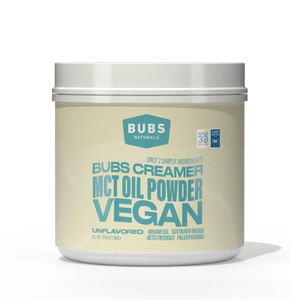
Think about those days when you haven't had enough sleep. Your focus is shot, and you’re reaching for a third cup of coffee by noon. While it won't replace a good night's rest, creatine has been shown to help the brain "rebound" from the effects of sleep deprivation by restoring brain energy levels. To maximize this mental clarity, we love adding our MCT Oil Creamer to our morning coffee. The MCTs provide quick-burning fats for the brain, while the creatine ensures your neural energy stores are topped off. Together, they offer a clean, no-BS approach to mental performance that avoids the jittery crash of synthetic stimulants.
Navigating the Menopause Transition
Menopause represents one of the most significant physiological shifts a woman will ever experience. As estrogen declines, the body undergoes changes in body composition, often losing muscle mass (a process called sarcopenia) and gaining fat mass. There is also a notable decline in natural creatine levels during this time.
For post-menopausal women, Creatine Monohydrate can serve as a vital tool for healthy aging. High-dose supplementation has been shown to improve skeletal muscle size and function in older females, especially when they are consistent with their strength training. This isn't just about aesthetics; it's about metabolic health. Muscle is more metabolically active than fat, meaning the more lean tissue you maintain, the better your overall metabolism will function.
Furthermore, the mood-supportive aspects of creatine are particularly relevant here. Some studies have indicated that women have lower levels of creatine in the frontal lobe of the brain—the area responsible for mood, memory, and emotion. Supplementation has shown promise in supporting mood during the stressful transition of menopause. At BUBS, we are proud to support this stage of life with products that are easy to use and rigorously tested. Our Apple Cider Vinegar Gummies are another favorite for daily wellness during this time, helping to support digestive health as part of a comprehensive, proactive routine.
Busting the Myths: What Creatine Won't Do to Your Body
Despite the overwhelming evidence in favor of its use, several myths persist that keep women from trying creatine. Let’s address the elephant in the room: water weight. It is true that creatine can cause some initial weight gain, but it is important to understand what that weight is. Creatine is osmotic, meaning it draws water into the muscle cells. This is called cellular hydration, and it is actually a positive thing. It makes your muscles look fuller and more hydrated, and it provides a better environment for muscle repair.
Crucially, this is not the same as the "bloating" you might feel from a high-sodium meal or hormonal shifts. It is intracellular, not extracellular. For most women, taking a standard dose of 3 to 5 grams of Creatine Monohydrate daily will result in little to no noticeable "puffiness." The "loading phase"—taking 20 grams a day for a week—is often where the rapid weight gain occurs. For women, skipping the loading phase and simply taking a consistent daily dose is often the better, more comfortable approach.
Another common myth is that creatine is hard on the kidneys. In healthy individuals, there is no evidence that recommended doses of creatine cause kidney damage. While it may slightly raise creatinine levels in blood tests (since creatinine is a byproduct of creatine), this is usually a harmless reflection of the supplement in your system, not a sign of dysfunction. However, as with any supplement, if you have a history of kidney issues, we always recommend chatting with your healthcare provider first. We focus on purity so that you don't have to worry about what's in the tub—only what it can do for your life.
The BUBS Standard: Why Quality is Non-Negotiable
When you decide to add a supplement to your routine, the "what" matters just as much as the "why." The supplement industry is notoriously under-regulated, and many products are filled with artificial sweeteners, dyes, and "proprietary blends" that hide low-quality ingredients. For women, whose bodies are often more sensitive to additives and hormonal disruptors, purity is non-negotiable.
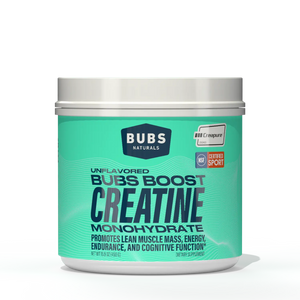
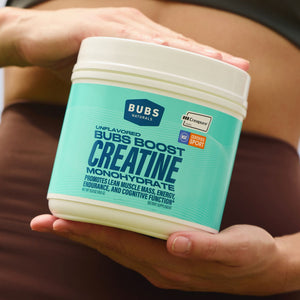
Our Creatine Monohydrate is the gold standard. It is a single-ingredient product: pure creatine monohydrate. No frills, no fillers, no BS. Furthermore, we go the extra mile with third-party testing. Our creatine is NSF Certified for Sport, which is the highest level of certification available. This ensures that what is on the label is exactly what is in the tub and that it is free from banned substances and contaminants.
This commitment to quality is part of our larger promise. We don't just sell supplements; we honor a legacy. By donating 10% of our profits to veteran-focused charities, including the Glen Doherty Memorial Foundation, every scoop of BUBS you take supports a larger mission of service and sacrifice. When you choose BUBS, you aren't just investing in your own health; you’re helping to provide scholarships and support for those who have served.
How to Optimize Your Results
So, how should a woman incorporate creatine into her life? The beauty of Creatine Monohydrate is its simplicity. It is flavorless and dissolves easily, making it the perfect addition to almost anything.
For a high-performance morning, we suggest a "wellness stack" that covers all your bases. Start by mixing a scoop of creatine into your morning coffee or tea. To add a creamy texture and a brain-boosting fat source, add our Butter MCT Oil Creamer. This combination hits your muscles, your brain, and your metabolism all before you've even left the house.
If you prefer to take it around your workout, consistency is more important than perfect timing. Whether you take it 30 minutes before or immediately after doesn't matter as much as taking it every single day—including rest days. On those workout days, hydration is key. Creatine works by drawing water into the muscles, so you need to make sure you're drinking enough to stay balanced. Our Hydrate or Die - Mixed Berry is a perfect companion here. With its precise balance of electrolytes and no added sugar, it ensures you're staying hydrated at a cellular level, allowing the creatine to do its job effectively.
Finally, don't forget the micronutrients. To support your immune system and the body’s natural collagen synthesis, a daily Vitamin C supplement can be an excellent addition to your "Creatine + Collagen" routine.
A Day in the Life: Putting it All Together
What does a "BUBS-fueled" day look like for the active woman? Let's walk through a scenario that many of our community members live every day.
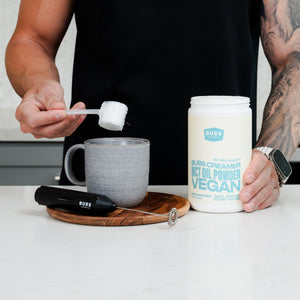
7:00 AM: You wake up and head to the kitchen. You brew a fresh cup of coffee and stir in one scoop of Creatine Monohydrate and a serving of MCT Oil Creamer - 10 oz Tub. You also take your daily Apple Cider Vinegar Gummies to get your digestion on the right track.
9:00 AM: You're at your desk. The "brain fog" that usually hits mid-morning is noticeably absent. The MCTs and creatine are working in tandem to keep your cognitive gears turning as you tackle a complex project.
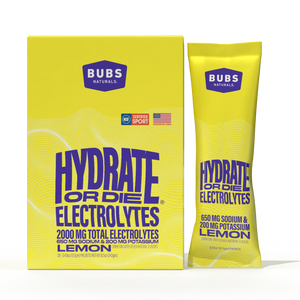
12:30 PM: Mid-day workout. Whether it's a Peloton class, a heavy lifting session, or a brisk walk with the dog, you feel strong. You’ve been taking your creatine consistently for three weeks now, and you notice that you’re not "gassing out" as quickly during the high-intensity intervals. You sip on Hydrate or Die - Lemon during the session to stay sharp.
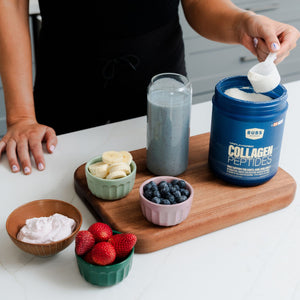
2:00 PM: Post-workout recovery. You mix a scoop of Collagen Peptides into a smoothie or a glass of water. Your joints feel supported, and you know you’re giving your muscles the amino acids they need to repair and grow.
8:00 PM: Dinner and wind-down. You reflect on the day. You had the energy to be productive at work and the strength to show up for your body. This is what it means to live a life of adventure and wellness. It’s not about perfection; it’s about having the right tools in your kit to handle whatever the day throws at you.
Conclusion
The journey to optimal health is rarely a straight line, especially for women. Our bodies are dynamic, shifting through different phases of life and cycles of hormones. But the science is clear: creatine is not just for the guys. Because women often start with lower natural stores and face unique physiological challenges—from the menstrual cycle to menopause—Creatine Monohydrate is one of the most effective, safe, and versatile tools available to us.
By choosing BUBS, you are choosing a product that matches your own standards for integrity and performance. We don’t do "marketing fluff." We do clean, NSF-certified nutrition that works. Whether your goal is to set a new personal record in the gym, maintain your cognitive edge during a busy work week, or support your bone and muscle health as you age, creatine offers a science-backed path forward.
We invite you to experience the BUBS difference for yourself. Start with a daily scoop, stay consistent, and see how your body responds when it finally has the fuel it’s been missing. Remember, every purchase you make helps us give back to the veteran community, keeping Glen’s legacy alive through the "Great Life" we all strive to live. Let’s get after it together. Explore our full Boosts Collection today and find the perfect addition to your wellness routine.
FAQ
Does creatine cause water retention in women?
While creatine can cause a slight increase in water weight, it is primarily stored inside the muscle cells (intracellular hydration) rather than under the skin. This means it helps your muscles stay hydrated and look fuller, but it rarely causes the uncomfortable "bloating" associated with salt or hormones. For most women, a daily dose of 3-5 grams results in minimal to no noticeable weight change, especially when skipping the high-dose loading phase.
Do I need to take creatine on my rest days?
Yes! To get the full benefits of creatine, your muscle stores need to remain saturated. Taking our Creatine Monohydrate every day—including days when you don't exercise—is the best way to ensure your ATP production remains efficient and your cognitive benefits stay consistent.
Is creatine safe to take during pregnancy or breastfeeding?
While preliminary research and animal studies suggest that creatine may be beneficial during pregnancy to support fetal energy demands, human studies are still limited. Because every pregnancy is unique, we always recommend consulting with your OB-GYN or healthcare provider before adding any new supplement, including creatine, to your routine during this time.
Can I mix creatine with my BUBS Collagen?
Absolutely! In fact, we recommend it. Mixing Creatine Monohydrate with our Collagen Peptides creates a comprehensive recovery stack. The collagen supports your connective tissues and joints, while the creatine provides the energy your muscles need to perform and recover. Both are unflavored and mix easily into your favorite beverage.