Table of Contents
- Introduction
- The Biological Foundation: What is Creatine?
- The ATP Connection: How Creatine Fuels Performance
- Supporting Muscle Maintenance and Healthy Aging
- The Cognitive Frontier: Creatine for Brain Health
- Bridging the Gap for Vegetarians and Vegans
- Recovery and Resilience: More Than Just the Workout
- Women's Wellness: Breaking the Stigma
- Addressing the Myths: Safety and Side Effects
- The BUBS Difference: Why Quality Matters
- Integrating Creatine into Your Routine
- Summary of Key Takeaways
- Conclusion
- FAQ
Introduction
Did you know that after decades of research and over 500 peer-reviewed studies, a single nitrogenous organic acid remains the most effective, safe, and utilized ergogenic aid in history? For years, this compound was the "best-kept secret" of the bodybuilding world, whispered about in the back of dimly lit gyms and stashed in lockers next to heavy belts and chalk. But the narrative is shifting. Today, you are just as likely to find it on the kitchen counter of a busy executive, a grandparent committed to staying mobile, or a vegan athlete looking to bridge a nutritional gap. When we look at the data, the question is no longer just "who takes it," but rather, why do people take creatine supplements across nearly every demographic of health-conscious individuals?
At BUBS Naturals, we are driven by a mission of adventure and purpose, inspired by the legacy of Glen “BUB” Doherty. We believe that wellness shouldn't be complicated or filled with "BS" ingredients. That is why we focus on clean, science-backed solutions that support your lifestyle, whether you are scaling a mountain or navigating a demanding workday. Creatine represents the pinnacle of this philosophy—it is a simple, naturally occurring compound that plays a fundamental role in how our bodies generate energy at a cellular level.
In this deep dive, we will explore the multifaceted reasons behind the surge in creatine’s popularity. We will move beyond the locker room to understand how it supports cellular energy, aids in muscle maintenance during the aging process, and offers emerging benefits for cognitive function. We will also tackle common misconceptions about water weight and kidney health, while providing a clear roadmap for how to integrate Creatine Monohydrate into your daily routine. By the end of this post, you will understand how this single-ingredient powerhouse fits into a life of vitality and why we consider it a cornerstone of our supplement portfolio.
The Biological Foundation: What is Creatine?
To understand why people take creatine supplements, we first have to understand what it actually is. Creatine is not a steroid, nor is it a synthetic laboratory creation. It is a nitrogenous organic compound that our bodies produce naturally from three amino acids: arginine, glycine, and methionine. While we synthesize about one gram per day primarily in the liver, kidneys, and pancreas, that amount often falls short of what is needed to fully saturate our internal stores.
The rest of our creatine comes from our diet, specifically from animal proteins like red meat, seafood, and poultry. For most people on a standard omnivorous diet, their muscle stores are only about 60% to 80% full. This gap is the primary reason why supplementation has become so prevalent; it allows us to top off those reservoirs, ensuring our cells have an immediate supply of energy when demand spikes.
Roughly 95% of the body’s creatine is stored in skeletal muscle, while the remaining 5% is distributed in the brain, heart, and other tissues. Within the muscle, it exists in two forms: free creatine and phosphocreatine. This storage system is essentially a biological battery. When you perform a high-intensity task—like a heavy lift, a sprint to catch a bus, or even a sudden burst of mental focus—your body draws on this battery to replenish its primary energy currency: Adenosine Triphosphate (ATP).
The ATP Connection: How Creatine Fuels Performance
The core reason why people take creatine supplements is to optimize the phosphagen energy system. ATP is the molecule that provides the energy for almost every cellular process. However, the body only stores enough ATP for a few seconds of intense activity. Once that ATP is used, it loses a phosphate group and becomes Adenosine Diphosphate (ADP).
This is where Creatine Monohydrate steps in. The phosphocreatine stored in your muscles "donates" its phosphate group to the spent ADP, rapidly converting it back into usable ATP. This process happens in a fraction of a second, much faster than the body can generate energy from glucose or fat. By increasing your stored phosphocreatine through supplementation, you are essentially increasing the speed and efficiency with which your body can "recharge" its energy levels during high-demand states.
For athletes, this translates to tangible results. It means the difference between a five-rep set and a seven-rep set, or the ability to maintain top speed for the final ten meters of a sprint. This rapid energy recycling is why creatine is the gold standard for power and strength sports. But the benefits aren't limited to the gym. Consider a "day in the life" of a busy parent or a professional. When you hit that mid-afternoon wall or have to pivot quickly between complex tasks, your brain and body are demanding rapid energy. Supporting that demand with a clean source of creatine ensures you have the "quick burst" energy required to stay on top of your game.
Supporting Muscle Maintenance and Healthy Aging
As we age, our bodies naturally undergo a process called sarcopenia, which is the gradual loss of muscle mass and strength. This isn't just a concern for bodybuilders; it is a critical issue for long-term mobility and independence. Research increasingly shows that when older adults combine resistance training with a high-quality creatine supplement, they are better able to preserve lean muscle tissue and maintain bone density.
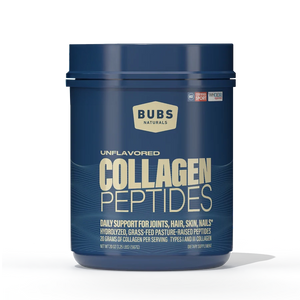
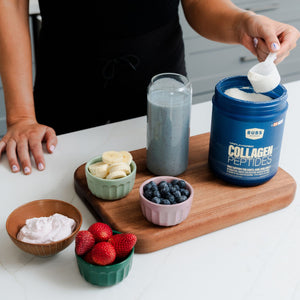
Why does this matter? Muscle is more than just a tool for movement; it is a metabolically active organ that helps regulate blood sugar and supports joint health. By pairing Creatine Monohydrate with our Collagen Peptides, you can create a comprehensive support system for your musculoskeletal health. While creatine focuses on the energy and "pop" within the muscle fibers, collagen supports the structural integrity of the tendons, ligaments, and joints that move those muscles.
Together, these supplements foster a lifestyle of "functional fitness." This isn't about looking a certain way; it’s about having the strength to pick up your grandkids, the balance to hike your favorite trail, and the resilience to recover quickly from daily physical stressors. At BUBS, we advocate for the "10% Rule"—not just in our charitable giving to veterans, but in life. If you can be 10% stronger or 10% more resilient by making simple, clean choices, that cumulative effect over a lifetime is massive.
The Cognitive Frontier: Creatine for Brain Health
Perhaps the most exciting evolution in the world of supplements is the emerging research on why people take creatine supplements for their minds. The brain is an incredibly "expensive" organ in terms of energy consumption. Although it only makes up about 2% of your body weight, it consumes roughly 20% of your total energy. Just like your muscles, your brain relies on ATP to function, and it uses the creatine kinase system to maintain energy homeostasis.
Recent studies have explored the impact of creatine on cognitive tasks, particularly under conditions of metabolic stress, such as sleep deprivation or high-intensity mental work. Research suggests that creatine supplementation may help improve short-term memory and reasoning. For those of us who juggle demanding careers, family life, and an active lifestyle, the mental "fog" that comes from a poor night's sleep is a real obstacle. Evidence suggests that topping off brain creatine levels can help mitigate some of the cognitive decline associated with exhaustion.
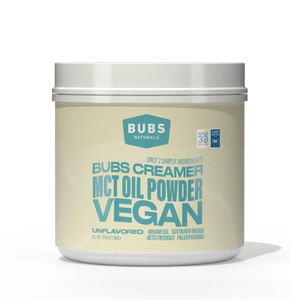
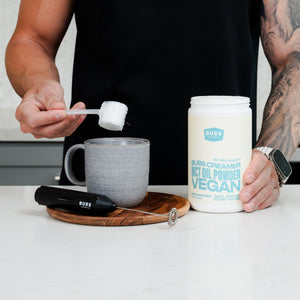
For an extra mental edge, many in the BUBS community mix their creatine with our MCT Oil Creamer in their morning coffee. While the MCTs provide a rapid source of ketone energy for the brain, the creatine works in the background to support the underlying ATP recycling process. It’s a dual-threat approach to mental clarity that fits perfectly into a morning ritual focused on performance and purpose.
Bridging the Gap for Vegetarians and Vegans
Dietary choices play a significant role in determining who benefits most from supplementation. Since creatine is almost exclusively found in animal tissues (meat and fish), individuals following a vegetarian or vegan diet often have significantly lower resting levels of muscle creatine. In some cases, these levels can be 20% to 30% lower than those of meat-eaters.
This makes Creatine Monohydrate an essential tool for plant-based athletes and wellness enthusiasts. Supplementing can help "level the playing field," providing the energy stores that are difficult to obtain through plant-based nutrition alone. Interestingly, some studies have shown that vegetarians may actually see a more pronounced boost in cognitive performance and memory after starting a creatine regimen compared to omnivores, simply because their baseline was lower.
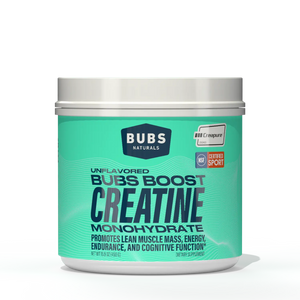
Regardless of your dietary philosophy, we believe in providing only the cleanest ingredients. Our creatine is a single-ingredient, unflavored powder that mixes effortlessly into any drink. There are no fillers, no "blends," and no BS—just the pure monohydrate that the science supports.
Recovery and Resilience: More Than Just the Workout
Recovery is the often-overlooked half of the fitness equation. You don't get stronger during your workout; you get stronger in the hours and days afterward as your body repairs the damage. Why do people take creatine supplements specifically for recovery? The answer lies in how it influences cellular hydration and glycogen storage.
Creatine helps pull water into the muscle cells, a process known as cellular volumization. This isn't the same as "bloating" or subcutaneous water retention; it is intracellular hydration. This hydrated state is a signal for the cell to begin protein synthesis and repair. Furthermore, taking creatine in conjunction with carbohydrates can enhance the storage of muscle glycogen—the primary fuel for your next session.
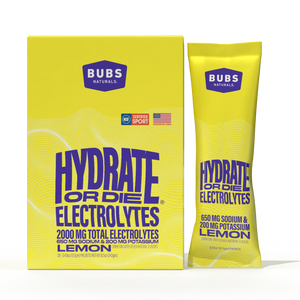
To maximize this recovery window, we recommend a holistic approach. After a grueling session, rehydrating with Hydrate or Die - Lemon ensures you are replacing lost electrolytes, while a scoop of Creatine Monohydrate begins the work of recharging your cellular batteries. Adding Vitamin C to the mix can also support your body’s natural antioxidant defenses, helping you bounce back faster and get back to the adventure.
Women's Wellness: Breaking the Stigma
For a long time, creatine was marketed almost exclusively to men, often with aggressive, "hyper-masculine" branding. This led many women to believe that creatine would make them "bulky" or lead to unwanted weight gain. However, the reality is that women may benefit from creatine just as much as—if not more than—men.
Hormonal fluctuations during the menstrual cycle, pregnancy, and menopause can affect creatine levels and energy metabolism. For example, during the luteal phase of the cycle or during the transition into menopause when estrogen levels decline, women may experience reduced muscle strength and lower energy levels. Supplementing with Creatine Monohydrate can provide a steady energy floor, helping to maintain performance and mood.
Furthermore, bone health is a significant concern for women as they age. Emerging research suggests that creatine, especially when combined with resistance training, may help support bone mineral density. This makes it a valuable addition to a wellness stack that might already include Apple Cider Vinegar Gummies for digestion and Collagen Peptides for skin and joint support. It’s about building a strong, resilient foundation that lasts for decades.
Addressing the Myths: Safety and Side Effects
Any time a supplement becomes this popular, myths are bound to follow. The two most common concerns we hear involve kidney health and the "loading phase."
First, let's look at kidney health. This myth likely stems from a misunderstanding of "creatinine," a byproduct of creatine metabolism that doctors measure to assess kidney function. While taking a creatine supplement may slightly raise your creatinine levels, extensive long-term studies have shown that this does not indicate kidney damage in healthy individuals. It is simply a reflection of increased turnover from the supplement. However, as with any supplement, if you have a pre-existing kidney condition, it is essential to consult with your healthcare provider first.
Second is the "loading phase"—the practice of taking 20 grams a day for a week to saturate the muscles quickly. While this works, it isn't strictly necessary and can sometimes cause mild stomach upset or bloating. For most people, a steady dose of 3 to 5 grams of Creatine Monohydrate per day will achieve full muscle saturation within about 30 days. It’s a marathon, not a sprint. We believe in the power of small, consistent habits that yield long-term results.
The BUBS Difference: Why Quality Matters
Not all creatine is created equal. Because the FDA does not strictly regulate the accuracy of supplement labels, many products on the market are filled with unnecessary sweeteners, anti-caking agents, or inferior forms of creatine that haven't been adequately researched.
At BUBS Naturals, our Creatine Monohydrate is NSF Certified for Sport. This is the highest standard in the industry, ensuring that what is on the label is exactly what is in the tub, and that the product is free from over 280 banned substances. We take this seriously because our community—athletes, veterans, and weekend warriors—deserves the best.
Our commitment to quality is matched by our commitment to giving back. Glen “BUB” Doherty was a Navy SEAL, an adventurer, and a friend. In his honor, we donate 10% of all our profits to veteran-focused charities. When you choose BUBS, you aren't just supporting your own wellness; you are supporting a legacy of service and sacrifice. We believe that doing good is just as important as feeling good.
Integrating Creatine into Your Routine
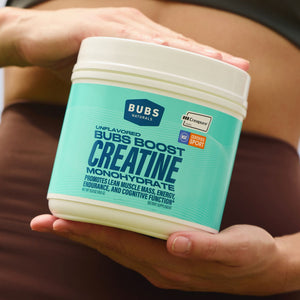
One of the best things about Creatine Monohydrate is its versatility. Because it is unflavored and dissolves easily, you can add it to almost anything without changing the taste. Here are a few ways we like to use it:
-
The Morning Fuel: Mix a scoop into your coffee along with MCT Oil Creamer for a focused start to the day.
-
The Post-Workout Recovery: Shake it up with Hydrate or Die - Mixed Berry and a serving of Collagen Peptides to replenish electrolytes, energy, and structural proteins all at once.
-
The Evening Smoothie: Add it to a protein shake or a green smoothie as a simple way to hit your daily 5-gram target.
Consistency is the key. Creatine works best when your muscle stores remain saturated. Whether it’s a training day or a rest day, making creatine a non-negotiable part of your daily ritual is the best way to see the results you're looking for.
Summary of Key Takeaways
We’ve covered a lot of ground, but the core message is simple: creatine is a foundational tool for anyone interested in optimizing their human potential. Here is a summary of why people take creatine supplements and how it fits into a well-rounded lifestyle:
-
Rapid Energy Production: By replenishing ATP stores, creatine provides the "quick burst" energy needed for physical and mental performance.
-
Muscle Preservation: It is a critical ally in the fight against age-related muscle loss, especially when paired with resistance training.
-
Brain Health: Emerging research highlights its role in supporting cognitive function, memory, and mental resilience during stressful periods.
-
Dietary Support: It is a vital supplement for those on plant-based diets who may naturally have lower creatine stores.
-
Clean and Safe: When you choose an NSF Certified for Sport product like BUBS Creatine Monohydrate, you are getting a safe, effective, and rigorously tested supplement.
Conclusion
Understanding why do people take creatine supplements reveals a broader trend in the wellness world: a move toward simple, effective, and science-backed ingredients. We’ve seen that creatine is far more than just a muscle-builder. It is a cellular energy booster, a cognitive enhancer, and a partner in healthy aging. From the athlete looking for a competitive edge to the grandparent striving for longevity, the benefits of this remarkable compound are nearly universal.
At BUBS Naturals, we are proud to offer a product that aligns with our core values of quality, adventure, and giving back. Our journey began with a desire to honor a friend's legacy, and it continues every day by helping you live your most vibrant, purposeful life. Whether you are adding Creatine Monohydrate to your morning coffee or your post-workout shake, you can trust that you are fueling your body with the very best.
Are you ready to feel the BUBS difference? We invite you to explore our Boosts Collection and see how a commitment to clean nutrition can transform your journey. Take the next step toward a stronger, more energized version of yourself today.
FAQ
Does taking creatine cause weight gain?
It is common for some people to experience a slight increase in body weight when they first start taking creatine. However, this is almost entirely due to water being drawn into the muscle cells (intracellular hydration) rather than fat gain. This hydration is actually beneficial, as it can help with muscle repair and protein synthesis. For most, this weight stabilizes after the first few weeks of consistent use.
Is it necessary to do a "loading phase" with creatine?
No, a loading phase is not strictly necessary. While taking 20 grams a day for a week will saturate your muscles faster, taking a consistent daily dose of 3 to 5 grams will achieve the same level of saturation within about 30 days. Many people prefer the slower approach to avoid potential digestive upset often associated with high doses.
Can I take creatine if I don’t lift weights?
Absolutely. While creatine is famous for its physical benefits, its role in ATP production also supports cognitive function and general cellular energy. Many people take Creatine Monohydrate to support mental clarity or to maintain muscle health as they age, even if they aren't engaged in intense athletic training.
Can I mix my creatine with other BUBS products?
Yes! One of the reasons our community loves our supplements is how well they work together. Creatine Monohydrate is unflavored and dissolves easily, making it a perfect addition to a cup of coffee with MCT Oil Creamer or a post-workout drink featuring Collagen Peptides. Mixed together, these products offer a comprehensive approach to energy, recovery, and long-term wellness.