Table of Contents
- Introduction
- What Is Creatine and Why Does It Matter for Women?
- The Hormonal Connection: Menstrual Cycles and Creatine Kinase
- Does Creatine Work Better for Women During Menopause?
- Brain Fog and Cognitive Performance
- Performance and Strength: Beyond the "Bulking" Myth
- The BUBS Naturals Approach to Quality
- Creating a Wellness Routine for the Long Haul
- Summary of Key Takeaways
- Conclusion
- FAQ
Introduction
Did you know that women naturally have about 70 to 80 percent lower endogenous creatine stores than men? While this might sound like a biological disadvantage at first glance, it actually presents a unique opportunity for women to see even more dramatic benefits from supplementation than their male counterparts. For decades, the gym floor and the supplement aisle have been dominated by marketing geared toward men looking to "bulk up." This has left many women wondering if the most researched supplement in history is even for them. The answer is a resounding yes, and as we look closer at the physiological differences between the sexes, we might even find that the question isn't just "does it work?" but rather, "does creatine work better for women?"
At BUBS Naturals, we’ve always believed that wellness is an adventure meant for everyone. Our mission is rooted in the legacy of Glen “BUB” Doherty—a Navy SEAL, adventurer, and hero who lived a life of purpose. That’s why we take a "no-BS" approach to our products, focusing on clean, functional, and science-backed ingredients that help you feel your best so you can do more good in the world. Whether you’re a professional athlete, a busy parent, or someone navigating the transitions of menopause, understanding how your body utilizes energy is key to longevity and vitality. Plus, every time you choose a BUBS product, you’re helping us fulfill our 10% Rule: we donate 10% of all profits to veteran-focused charities in honor of Glen’s legacy.
In this article, we’re going to dive deep into the science behind creatine monohydrate and its specific impact on the female body. We will explore how hormonal fluctuations during the menstrual cycle, pregnancy, and menopause affect your energy stores and how supplementation can bridge the gap. We’ll also debunk common myths about weight gain and "bulking" while highlighting the cognitive and bone-health benefits that make this supplement a powerhouse for women’s wellness. By the end of this post, you’ll have a clear understanding of why Creatine Monohydrate might just be the most important addition to your daily routine.
What Is Creatine and Why Does It Matter for Women?
Creatine is a naturally occurring organic compound synthesized in the liver, kidneys, and pancreas from three amino acids: arginine, glycine, and methionine. It is also found in small amounts in animal proteins like red meat and fish. However, the amounts we produce internally and consume through diet are often just enough to keep our systems running at a baseline level. About 95% of our body's creatine is stored in skeletal muscle as phosphocreatine, with the remaining 5% located in the brain and other tissues.
The primary role of creatine is to support the production of adenosine triphosphate (ATP), which is the fundamental energy currency of our cells. When you perform high-intensity tasks—like sprinting for a bus, lifting a heavy grocery bag, or powering through a HIIT session—your muscles burn through ATP rapidly. Phosphocreatine steps in to "recharge" that energy, allowing you to sustain effort for longer periods.
For women, the internal production and storage of creatine are significantly lower than in men. This is partly due to lower overall muscle mass on average, but also due to hormonal differences. Research suggests that because women start with lower baseline stores, their bodies may actually be more "sensitized" to supplementation. When you introduce a high-quality supplement like our Creatine Monohydrate, you are essentially topping off a tank that was running on low, leading to noticeable improvements in strength, power, and recovery.
The Hormonal Connection: Menstrual Cycles and Creatine Kinase
One of the most fascinating aspects of women's physiology is how our hormones influence energy metabolism. Throughout the menstrual cycle, levels of estrogen and progesterone fluctuate significantly, which in turn affects creatine kinase (CK) levels—the enzyme responsible for utilizing creatine to create energy.
During the luteal phase (the time between ovulation and the start of your period), estrogen levels are high. Estrogen is a master regulator of bioenergetics, but it can also lead to increased protein catabolism and reduced carbohydrate storage. Research indicates that creatine metabolism may synchronously increase and decrease with these estrogen levels. Some studies suggest that during phases of high estrogen, muscle damage may be reduced after exercise because of a "creatine kinase sparing" effect.
However, during the follicular phase, when estrogen is lower, women might experience higher levels of perceived fatigue and slower recovery. This is where Creatine Monohydrate becomes a vital tool. By maintaining consistent daily intake, women can create a "pro-energetic" environment in their muscles and brain that helps smooth out the metabolic dips caused by the hormonal cycle. It’s about more than just gym performance; it’s about maintaining a steady baseline of energy regardless of where you are in your cycle.
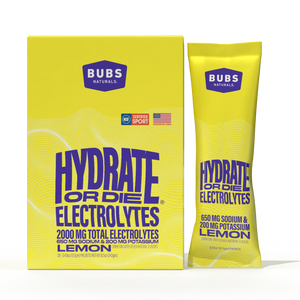
To further support your body during these hormonal shifts, many women find that pairing their creatine with Hydrate or Die – Lemon provides the necessary electrolyte balance to combat the bloating and dehydration often associated with the luteal phase.
Does Creatine Work Better for Women During Menopause?
As women transition into perimenopause and post-menopause, the decline in estrogen brings about significant physiological changes. This stage of life is often characterized by a loss of muscle mass (sarcopenia), a decrease in bone mineral density, and an increase in systemic inflammation. This is perhaps where the question "does creatine work better for women" is most relevant, as the benefits here are profound.
Combatting Sarcopenia and Muscle Loss
Muscle is more than just an aesthetic goal; it is a metabolic organ that supports healthy aging. As estrogen drops, the signals that help maintain muscle tissue weaken. Supplementing with Creatine Monohydrate has been shown to help post-menopausal women improve muscle strength and functional capacity, especially when combined with resistance training. It helps provide the energy needed to lift heavier weights, which is the primary stimulus for muscle growth and maintenance.
Supporting Bone Health
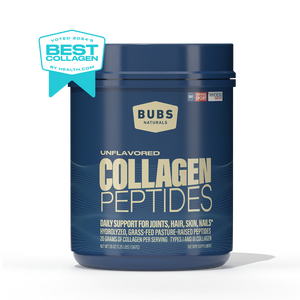
Bone health is a critical concern for women over 50. Studies have shown that the combination of creatine and resistance exercise may enhance bone strength more effectively than exercise alone. This happens because creatine may influence cellular signaling involved in bone remodeling and because stronger muscles exert more "pull" on the bones, stimulating them to become denser and stronger. For total structural support, we often recommend combining your creatine with our Collagen Peptides. While creatine supports the energy for the muscle and bone remodeling, collagen provides the necessary amino acids (Types I and III) to support the joints, tendons, and ligaments that hold everything together.
Brain Fog and Cognitive Performance
While the physical benefits of creatine are well-documented, its impact on the brain is arguably just as important for women. The brain is an incredibly energy-hungry organ, consuming about 20% of the body's total energy despite its small size. Just like muscles, the brain uses phosphocreatine to maintain ATP levels during demanding cognitive tasks.
Women are statistically more likely to experience certain types of cognitive stress, including "brain fog" associated with the menstrual cycle, pregnancy, and menopause. Furthermore, sleep deprivation—a common struggle for new mothers and those going through menopause—significantly depletes brain energy levels.
Research indicates that Creatine Monohydrate can help restore brain energy homeostasis. It has been associated with improvements in memory, processing speed, and even mood regulation. For women who feel like they are constantly "running on fumes" mentally, creatine acts as a cognitive backup generator.
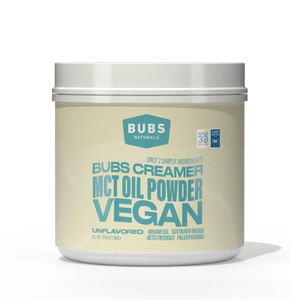
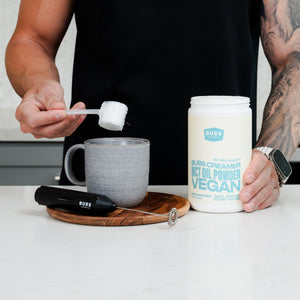
A great way to integrate this into your daily mental wellness routine is to mix a scoop of creatine into your morning coffee along with our MCT Oil Creamer. While the creatine supports long-term brain energy, the MCTs provide a quick, clean fuel source for mental clarity, helping you stay sharp and focused from the first meeting of the day to the final workout.
Performance and Strength: Beyond the "Bulking" Myth
One of the most persistent barriers preventing women from trying creatine is the fear of "bulking up" or gaining excessive weight. Let’s clear that up right now: creatine does not contain calories, and it does not make you gain fat.
The slight increase in weight that some people notice when they start taking creatine is usually "water weight," but it’s not the kind of bloating you might experience before your period. This is intracellular hydration—creatine pulls water into your muscle cells. This is actually a positive thing! Hydrated muscles are more efficient, look fuller and more "toned," and are better at recovering from exercise.
When women ask if creatine works better for them, they are often surprised to find that it helps them achieve a leaner, more athletic physique by allowing them to work out at a higher intensity. Instead of feeling burned out after three sets, you might find you have the energy for a fourth. Over time, those extra repetitions translate into increased lean body mass, which boosts your metabolism.
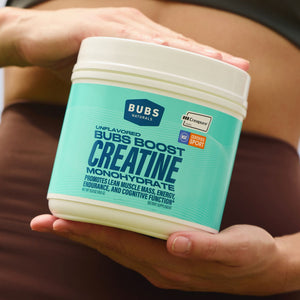
To maximize these performance gains, it’s important to stay consistent. Whether you use our Creatine Monohydrate in a 20 oz tub at home or take your supplements on the go, the goal is to keep those muscle stores saturated. If you're also focused on digestive health to ensure you're absorbing all these nutrients efficiently, consider adding Apple Cider Vinegar Gummies to your daily habit to support a healthy gut environment.
The BUBS Naturals Approach to Quality
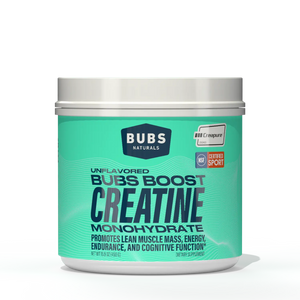
At BUBS Naturals, we don't believe in "filler" ingredients or fancy marketing gimmicks. We believe that if you want a supplement to work, it needs to be pure. That’s why our Creatine Monohydrate is a single-ingredient product. No flavors, no sweeteners, and no "blends" that hide what’s actually inside.
We also go the extra mile for your peace of mind. Our creatine is NSF for Sport certified. This means it has been rigorously tested by a third party to ensure it contains exactly what it says on the label and is free from over 280 banned substances. For women who are competitive athletes or simply people who care deeply about what they put in their bodies, this certification is the gold standard.
We also know that for a supplement to be effective, it has to be easy to use. Our creatine is micronized, meaning the particles are smaller and more soluble. It mixes effortlessly into any liquid—whether it’s your morning protein shake, a glass of water, or even a soup. One scoop, no grit, and no BS.
Creating a Wellness Routine for the Long Haul
Wellness isn’t a destination; it’s a lifestyle of consistent, small choices that add up over time. Integrating Creatine Monohydrate is one of those small choices with a massive ROI. But it works best when it’s part of a comprehensive strategy.
A "Day in the Life" with BUBS might look like this:
-
Morning: Wake up and add a scoop of MCT Oil Creamer and a scoop of Creatine Monohydrate to your coffee. This sets the stage for mental clarity and physical energy.
-
Mid-Day: Take two Apple Cider Vinegar Gummies to support digestion and metabolic wellness before lunch.
-
Workout: During your training session, sip on Hydrate or Die – Mixed Berry to keep your muscles hydrated and your performance peak.
-
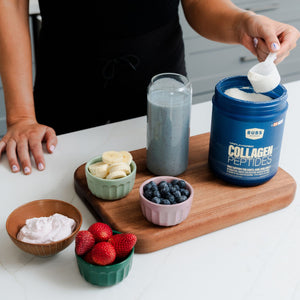
Post-Workout: Shake up a serving of Collagen Peptides to support muscle recovery and joint health.
-
Evening: Support your immune system and overall wellness with a dose of Vitamin C, which also helps with natural collagen formation.
This routine isn't about perfection; it’s about providing your body with the clean, functional tools it needs to navigate the adventures of daily life. By supporting your body's natural functions, you’re not just living—you’re thriving.
Summary of Key Takeaways
We’ve covered a lot of ground in this exploration of women's physiology and creatine. To summarize the most important points:
-
Women have lower stores: Because women naturally have less stored creatine, supplementation can have a more pronounced impact on performance and energy.
-
Hormones matter: Creatine levels and utilization change throughout the menstrual cycle and lifespan. Supplementing helps maintain a steady baseline.
-
Cognitive Support: Creatine isn't just for muscles; it's a vital fuel for the brain, helping with brain fog, sleep deprivation, and focus.
-
Healthy Aging: Post-menopausal women can use creatine to protect muscle mass and bone density, supporting long-term mobility and healthspan.
-
Quality is Non-Negotiable: Choosing a pure, third-party tested product like Creatine Monohydrate ensures you get the benefits without the junk.
The evidence is clear: creatine is a cornerstone supplement for women at every stage of life. Whether you are looking to set a new personal record in the gym, stay sharp at the office, or simply feel more energized while chasing your kids, this simple addition to your routine can make a world of difference.
At the heart of everything we do at BUBS is the desire to empower you to live a life of adventure and purpose. When you feel strong, healthy, and energized, you’re better equipped to help others and give back to your community. That’s the "Feel Great. Do Good." philosophy in action.
Conclusion
So, does creatine work better for women? While "better" is a subjective term, the physiological evidence suggests that women have more to gain from supplementation due to their lower natural stores and the complex energetic demands of their hormonal cycles. From the peak performance of your twenties to the vital preservation of muscle and bone in your fifties and beyond, creatine is an ally for the long haul. It is one of the safest, most effective, and most affordable ways to support your body's natural energy systems.
By choosing BUBS Naturals, you’re not just buying a supplement; you’re joining a mission. You’re choosing a brand that values transparency, quality, and legacy. Our commitment to you is simple: we provide the cleanest, most effective products possible, and we use our success to honor a hero by supporting veterans.
Ready to feel the difference for yourself? Experience the power of our science-backed Creatine Monohydrate today and take the first step toward a stronger, more energized you. Your next adventure is waiting—make sure you have the energy to meet it head-on.
FAQ
1. Will taking creatine make me feel bloated or gain weight?
Many women worry about "bloat," but the weight gain associated with creatine is typically due to increased water content inside the muscle cells, not subcutaneous fat or fluid retention. This intracellular hydration is beneficial for muscle function and performance. Most women find that if they skip the high-dose "loading phase" and stick to a consistent 3–5 grams of Creatine Monohydrate daily, any initial weight shift is minimal and temporary.
2. Is creatine safe to take during pregnancy or while breastfeeding?
Emerging research suggests that creatine may support fetal development and maternal energy levels, as creatine stores can be significantly lower during pregnancy. However, because every pregnancy is unique, it is absolutely essential to consult with your healthcare provider before starting any new supplement. If they give you the go-ahead, choosing a clean, third-party tested product like ours is the best way to ensure purity.
3. Can I take creatine even if I don’t lift heavy weights?
Absolutely. While creatine is famous for its role in strength training, its benefits extend to cognitive function, mood regulation, and bone health. Even if your primary form of exercise is walking, yoga, or swimming, creatine supports the ATP production your brain and body need for daily vitality. It's a "longevity tool" as much as it is a "performance tool."
4. How long does it take to see results from creatine supplementation?
If you take a consistent daily dose of 3–5 grams of Creatine Monohydrate, it typically takes about three to four weeks for your muscle stores to become fully saturated. You might notice subtle improvements in your energy levels and recovery within the first two weeks, but the most significant benefits in strength and cognitive clarity usually manifest after a month of consistent use. Consistency is the key to feeling the BUBS difference.