Table of Contents
- Introduction
- The Biological Blueprint: How Your Body Makes Collagen
- Nature’s Sources: Why Food Isn't the Only Answer
- The Chemistry of Formats: What Is a Collagen Mask?
- Quality Control: Separating the Gold from the Dross
- How to Integrate a Collagen Mask Into Your Lifestyle
- Do They Really Work? Expectations vs. Reality
- Why the BUBS Process Matters
- Beyond the Surface: Who a Collagen Mask is For
- Summary of the Skincare Journey
- Choosing Your Path to Wellness
- FAQ
Introduction
In the world of skincare, just as in the world of human performance, certain molecules stand the test of time. While Michel Eugène Chevreul was discovering creatine in beef broth in 1832, other pioneers were beginning to understand the structural proteins that hold the human body together—chief among them, collagen. Today, the collagen mask has become one of the most researched and utilized tools for those seeking to maintain skin elasticity and a youthful glow. Every year, adventurers and wellness seekers reach for these specialized treatments to support their skin’s recovery from the elements, yet very few stop to ask a fundamental question: what makes a collagen mask truly effective?
Understanding the origin and formulation of your skincare isn't just a matter of vanity; it’s a matter of performance and safety. In an industry where "fillers" and "proprietary blends" often mask the truth, we believe in a "no-BS" approach. Whether you are scaling a mountain, hitting a new personal record in the gym, or simply trying to maintain your vitality as you age, your skin—the body’s largest organ—deserves to know exactly what is being absorbed. This is especially true for collagen, a protein that is both naturally occurring in our bodies and harnessed in high-tech laboratories to meet the demands of an active, outdoor lifestyle.
In this deep dive, we are going to peel back the curtain on the science of the collagen mask. We’ll explore how your body creates its own supply of this vital protein, why dietary sources aren’t always enough for targeted skin health, and the fascinating engineering required to produce high-purity topical treatments. By the end of this article, you will understand the difference between high-quality formulations and "budget" alternatives, how to spot purity in ingredients, and why we at BUBS Naturals are so committed to the rigorous standards of everything that supports your wellness journey.
Our mission is rooted in the legacy of Glen “BUB” Doherty—a Navy SEAL, an adventurer, and a man who lived with a "die-living" mentality. He didn't settle for "good enough," and neither should you. From the 10% of profits we donate to veteran charities to the clean, functional fuel we provide, everything we do is about helping you prepare for your next adventure. Let’s explore the chemistry of skin strength together.
The Biological Blueprint: How Your Body Makes Collagen
Before we look at the skincare laboratory, we have to look at the human body. Your body is a master chemist. Every day, specialized cells called fibroblasts work to produce collagen, a protein that acts as the "glue" for your skin, bones, and connective tissues. This isn't a foreign substance; it is a fundamental part of your biology, making up about 75% of your skin’s dry weight.
The "ingredients" your body uses are specific amino acids: primarily glycine, proline, and hydroxyproline. This process is a complex assembly line. Fibroblasts weave these amino acids into long pro-collagen chains, which then twist together into a triple helix. With the help of Vitamin C, these helices are stabilized and bundled into strong fibrils that provide the structural support your skin needs to stay firm and elastic.
However, the body’s "factory" slows down as we age. Starting in our mid-20s, we lose about 1% of our collagen stores every year. Environmental factors like UV exposure from long days on the trail, pollution, and oxidative stress can accelerate this degradation. For the athlete or the person living an adventurous life, this "performance gap" in skin recovery is where a collagen mask can play a supportive role, providing an external boost of hydration and protective nutrients.
Nature’s Sources: Why Food Isn't the Only Answer
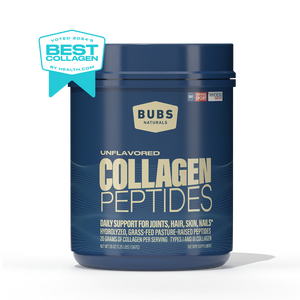
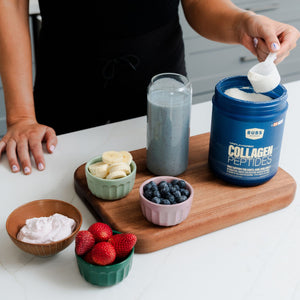
If collagen is found naturally in our bodies and in certain foods, can't we just eat our way to a perfect complexion? While a high-protein diet is essential for recovery—and we often suggest pairing your meals with Collagen Peptides to support your joints and connective tissues—relying solely on digestion for skin-specific results can be inefficient.
When you consume collagen, your body breaks it down into individual amino acids and distributes them where they are needed most, which may be your muscles or joints rather than your face. This is where a topical collagen mask offers a distinct advantage. By applying these ingredients directly to the skin, you provide a localized environment for intensive hydration and barrier support.
Furthermore, while traditional sources of collagen are animal-based, modern science has allowed for the creation of innovative mask formats that utilize plant-derived humectants and fermented ingredients. This ensures that even those following a plant-based lifestyle can benefit from the plumping and smoothing effects of a high-quality mask. Whether you are using a supplement or a topical treatment, the goal is to provide your body with the clean, functional building blocks it needs to thrive.
The Chemistry of Formats: What Is a Collagen Mask?
Now we reach the heart of the matter. If we aren't just rubbing steak on our faces, how are these products designed? The modern collagen mask comes in several sophisticated formats, each engineered to deliver specific results:
-
Sheet Masks: These are the most common, consisting of a fabric or paper sheet soaked in a concentrated serum. They are designed to create a "physical seal" over the skin, preventing evaporation and forcing the active ingredients to penetrate the surface.
-
Hydrogel Masks: These are made from a thick, gel-like substance that feels like a "second skin." Brands like Biodance have popularized this format, particularly for overnight use. Because hydrogel is made of a high percentage of water and active ingredients, it often becomes thinner as your skin absorbs the moisture.
-
Overnight Masks: Often called "sleeping masks," these are cream or jelly-based formulas that you apply before bed. They are designed to work with your body’s natural nighttime repair cycle, providing deep hydration while you sleep.
-
Cream and Jelly Masks: These are applied as a thick layer and either rinsed off or wiped away. They are excellent for targeted treatments when you need a quick boost of moisture after a day in the sun or wind.
The goal of all these formats is to deliver moisture and support the skin's barrier, often utilizing a low-molecular-weight collagen peptide for better surface integration.
Quality Control: Separating the Gold from the Dross
Because the skincare industry can be crowded with "miracle" claims, the quality of a collagen mask depends entirely on the formulation and the purity of its ingredients. This is where "cheap" products and "premium" skincare go their separate ways.
A truly effective mask isn't just about the collagen molecule itself—which is often too large to penetrate the deeper layers of the skin—but about the supporting "ingredient stack." At BUBS Naturals, we believe in looking at the whole picture. A high-purity collagen mask should contain:
-
Hyaluronic Acid: A powerful humectant that can hold 1,000 times its weight in water, providing the immediate plumping effect users love.
-
Peptides: Small chains of amino acids that signal the skin to support its own natural repair processes.
-
Niacinamide: Also known as Vitamin B3, this ingredient helps with brightness, pore appearance, and barrier support.
-
Glycerin and Ceramides: Essential for sealing in moisture and protecting the skin from the elements.
-
Squalane: A lightweight oil that mimics the skin's natural sebum to prevent moisture loss.
Just as our Creatine Monohydrate is subjected to rigorous testing, you should look for skincare that is transparent about its sourcing. Avoid masks with excessive "fillers," synthetic fragrances, or harsh alcohols that can strip the skin. We believe that if you’re putting in the work to live an adventurous life, your skincare should be an asset, never a liability.
How to Integrate a Collagen Mask Into Your Lifestyle
Knowing what a mask is made from is the first step; knowing how to use it is the second. Because a collagen mask works best on clean skin, timing and consistency are key.
Imagine a typical "Day in the Life" of a BUBS adventurer:
-
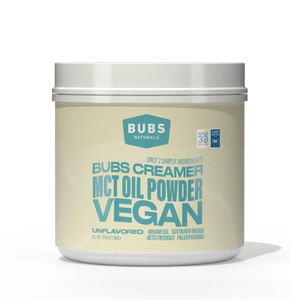
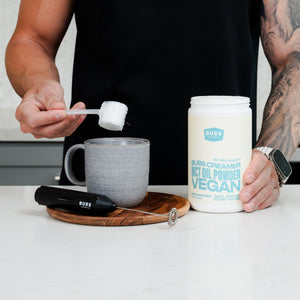
7:00 AM: Wake up and fuel the brain. A cup of coffee with a scoop of Butter MCT Oil Creamer – 10 oz Tub provides sustained energy for the morning.
-
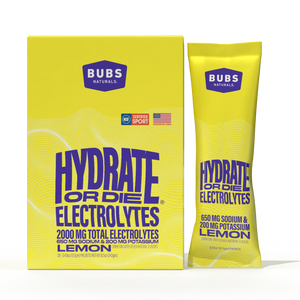
12:00 PM: Mid-day movement. After a trail run or gym session, hydration is paramount. We mix Hydrate or Die – Lemon to replenish electrolytes.
-
Evening Recovery: After washing away the sweat and dirt of the day, apply your collagen mask. For a standard sheet or hydrogel mask, leave it on for 15-20 minutes. If using an overnight hydrogel, apply it as the final step in your routine.
-
Post-Mask: Don't rinse! Massage any remaining serum into your skin, neck, and hands. This is the perfect time to take your Apple Cider Vinegar Gummies and wind down.
For the best results, use a collagen mask 2-3 times a week, especially after days of high sun exposure or intense physical exertion. It’s a simple, effective habit that rounds out a day of intentional wellness.
Do They Really Work? Expectations vs. Reality
There is often confusion about what a topical collagen mask can actually achieve. Experts like Dr. Mina Amin and Dr. Ellen Marmur often point out that while topical collagen doesn't "replace" the collagen deep in your dermis, it is an incredible tool for hydration and barrier repair.
The "glow" you see after using a mask is real—it’s the result of intense surface hydration and the smoothing effect of ingredients like hyaluronic acid and niacinamide. This temporary plumping can reduce the appearance of fine lines and make the skin look more resilient. However, for long-term structural support, you must combine topical care with internal nutrition.
Think of it like training: the mask is your "active recovery," while your diet and supplements like Collagen Peptides are the foundation of your strength. By managing your expectations and using masks for their true strength—intense moisture and temporary smoothing—you ensure that your skin stays as ready for adventure as you are.
Why the BUBS Process Matters
At BUBS Naturals, our commitment to quality goes beyond chemistry. It’s about a philosophy of "Giving Back." Our brand was founded to honor Glen “BUB” Doherty, a Navy SEAL who lived for the next challenge. When we talk about wellness, we aren't just talking about ingredients. We are talking about products that support a life of purpose.
By choosing BUBS, you are participating in our 10% rule: we donate 10% of all profits to veteran-focused charities. This means that the purity of our mission matches the purity of the fuel we provide. We don't take shortcuts because Glen wouldn't have taken shortcuts. Whether it's our Creatine Monohydrate or the advice we give on recovery, we want you to be able to live your life with intensity and vigor.
Beyond the Surface: Who a Collagen Mask is For
Skincare isn't one-size-fits-all. A collagen mask is a versatile tool, but it shines brightest for specific concerns:
-
Mature Skin: For those noticing a loss of elasticity and the appearance of fine lines, the plumping effect of a mask provides immediate visible improvement.
-
Dry or Dehydrated Skin: If you spend your time in high altitudes or dry climates, a mask acts as a "hydration reset" for your skin barrier.
-
Sensitive Skin: Many collagen masks are formulated with soothing ingredients like glycerin and ceramides, making them a great choice for calming the skin after environmental stress.
-
Acne-Prone Skin: Look for "non-comedogenic" formulas that use niacinamide to support the skin without clogging pores.
Just as our MCT Oil Creamer – 10 oz Tub supports both physical and mental fuel, a good skincare routine supports your physical barrier against the world.
Summary of the Skincare Journey
To recap how to choose and use a collagen mask:
-
Selection: Choose a format (sheet, hydrogel, or overnight) that fits your schedule and skin type.
-
Ingredients: Look for the "power stack" of hyaluronic acid, peptides, and niacinamide.
-
Application: Apply to clean skin and leave on for the recommended time (typically 15-20 minutes).
-
Absorption: Never rinse after a mask; let the serum absorb to get the full benefit.
-
Consistency: Aim for 2-3 times a week for a sustained "glow" and better barrier health.
-
Synergy: Pair your topical care with internal support like Collagen Peptides.
Choosing Your Path to Wellness
The journey to better health and peak performance isn't about finding a "miracle" ingredient. It’s about understanding the science behind the tools you use and choosing the ones that align with your values. A collagen mask is a foundational tool for skin recovery, much like how Creatine Monohydrate is foundational for your muscles.
Wellness is a holistic pursuit. Support your immune system with our Vitamin C, keep your joints fluid with our peptides, and stay fueled with our Creamers Collection. When you understand what goes into your products, you can use them with confidence, knowing you are supporting your body and a greater cause. Ready to experience the "no-BS" difference? Step up your recovery game and feel the power of clean, science-backed nutrition.
FAQ
Are collagen masks vegan-friendly?
It depends on the specific product. Many traditional collagen masks use bovine or marine collagen. However, many modern "collagen-boosting" masks use plant-derived amino acids or fermented ingredients that are entirely vegan-friendly. Always check the label for specific sourcing.
Do collagen masks actually work?
Yes, but perhaps not in the way you think. While they don't permanently "fix" deep wrinkles, they are highly effective at providing intensive hydration, temporary plumping, and smoothing the skin's texture. For long-term anti-aging, they should be one part of a routine that includes sun protection and internal nutrition.
What is the difference between a hydrogel and a sheet mask?
A sheet mask is usually made of cotton or fiber and is great for a quick infusion of serum. A hydrogel mask is made of a gel-like substance that holds more moisture and adheres more closely to the skin, making it ideal for longer treatments or overnight use.
Can I take collagen supplements while using a collagen mask?
Absolutely. In fact, many members of the BUBS community "stack" their routine. Using Collagen Peptides internally provides the amino acids your body needs for structural repair, while a mask provides the localized hydration your skin needs to look its best after a long day of adventure.