Table of Contents
- Introduction
- The Molecular Machine: Understanding Creatine at its Core
- The ATP-Phosphocreatine Cycle: How Energy is Born
- Muscle Growth and the Power of Volumization
- Cognitive Function: Creatine for the Brain
- Supporting Women’s Health Through the Lifespan
- Healthy Aging and the Fight Against Sarcopenia
- Quality Matters: The BUBS "No-BS" Standard
- How to Optimize Your Creatine Protocol
- Dispelling Common Myths and Concerns
- The BUBS Lifestyle: Integrating Wellness and Adventure
- FAQ
Introduction
At any given moment, your body is a bustling landscape of chemical reactions, with millions of molecules of adenosine triphosphate (ATP) being broken down and rebuilt to power everything from a blink of an eye to a heavy deadlift. While most people recognize creatine as the white powder sitting on a weightlifter’s kitchen counter, its role in this fundamental energy cycle is one of nature’s most fascinating biological mechanisms. For decades, it was tucked away in the shadows of "bro-science," but today, creatine is one of the most rigorously researched and scientifically validated supplements on the market. It isn’t just for those looking to pack on massive amounts of muscle; it is a foundational tool for anyone interested in cognitive longevity, metabolic health, and maintaining physical resilience as they age.
At BUBS Naturals, we believe in a "no-BS" approach to wellness, and that starts with understanding the "why" behind what you put in your body. We are inspired by the legacy of Glen “BUB” Doherty—a Navy SEAL, adventurer, and humanitarian—who lived a life that demanded peak physical and mental readiness. That same spirit drives us to provide clean, functional, and science-backed supplements that support your own adventures, whether that’s a mountain summit or a demanding day at the office. We don't just want to provide a product; we want to provide the education necessary for you to take charge of your health.
In this deep dive, we are going to explore the comprehensive landscape of what creatine supplements actually do. We’ll move past the locker-room myths and look at the cellular biology of energy production, the emerging research on brain health, and how this simple molecule can support women’s health and healthy aging. By the end of this article, you will understand how to utilize our Creatine Monohydrate to optimize your daily routine and why it has earned its place as a staple in our mission to help you "Die Living."
The Molecular Machine: Understanding Creatine at its Core
To answer the question of what creatine supplements do, we first have to understand what creatine is. Creatine is a nitrogenous organic acid that occurs naturally in vertebrates. While often mistaken for a steroid or a foreign synthetic drug, it is actually a compound our bodies produce every single day. Your liver, kidneys, and pancreas work together to synthesize about one gram of creatine daily from three specific amino acids: arginine, glycine, and methionine.
Once produced, about 95% of your body’s creatine is stored in your skeletal muscles, while the remaining 5% is distributed in the brain, heart, and testes. In the muscle, it doesn’t just sit idly; it is converted into phosphocreatine (creatine phosphate). This is where the magic happens. Phosphocreatine acts as a rapidly mobilizable reserve of high-energy phosphates. When your body needs a quick burst of energy—like sprinting for a bus or pushing through the final rep of a heavy set—it turns to these reserves to keep the engine running.
We also get creatine from our diet, primarily through animal proteins like red meat, poultry, and fish. However, to get the amounts used in clinical studies to improve performance, you would have to consume an impractical amount of steak or salmon every day. This is where supplementation becomes a functional necessity for those looking to maximize their physiological potential. By using a high-quality Creatine Monohydrate, you are essentially "saturating" your muscle stores, ensuring that your cellular energy reserves are always topped off and ready for action.
The ATP-Phosphocreatine Cycle: How Energy is Born
To truly grasp the power of creatine, we have to look at the "currency" of the cell: Adenosine Triphosphate, or ATP. Think of ATP as a battery. When your body needs energy, it breaks off one of the three phosphate groups from the ATP molecule, releasing energy and leaving behind Adenosine Diphosphate (ADP)—essentially a dead battery.
Under normal circumstances, your body has to wait for oxygen-dependent processes (like aerobic respiration) to recharge that ADP back into ATP. But during high-intensity, short-duration activities, you don't have time to wait. This is where phosphocreatine steps in. It "donates" its phosphate group to the ADP, instantly turning it back into ATP. This process is lightning-fast and doesn't require oxygen, which is why creatine is the king of anaerobic performance.
When you supplement with our Creatine Monohydrate, you increase the pool of phosphocreatine available in your muscles. This allows you to regenerate ATP faster and for longer periods during intense exertion. In practical terms, this might mean the difference between failing on your eighth rep or successfully completing your tenth. Over time, those extra reps translate into greater strength gains and improved muscle morphology.
However, this rapid energy cycle requires more than just creatine; it requires a balanced internal environment. This is why we often recommend pairing your creatine protocol with our Hydration Collection. Proper electrolyte balance is crucial for muscle contraction and cellular transport. Using Hydrate or Die - Mixed Berry ensures that as your muscles pull in more water and energy, they have the necessary minerals to function at their peak without cramping or fatigue.
Muscle Growth and the Power of Volumization
One of the most visible things creatine supplements do is support the development of lean muscle mass. This happens through several distinct pathways. First and foremost is the "workload" factor. Because you can train harder and recover faster between sets, you are providing a greater stimulus for muscle growth. But creatine’s impact on muscle goes deeper than just helping you lift heavier weights.
Creatine is "osmotically active," meaning it draws water into the muscle cells. This process, known as cellular volumization, creates a "pump" effect that is more than just aesthetic. When a muscle cell is hydrated and swollen, it sends a biological signal to the body to increase protein synthesis and decrease protein breakdown. It creates an anabolic environment that is conducive to repair and growth.
Furthermore, research suggests that creatine may influence satellite cell signaling, which aids in muscle fiber repair and new growth. It may also help lower levels of myostatin, a protein that can slow or inhibit new muscle growth. By dampening the "brakes" on your muscle development, creatine allows your hard work in the gym to yield more significant results.
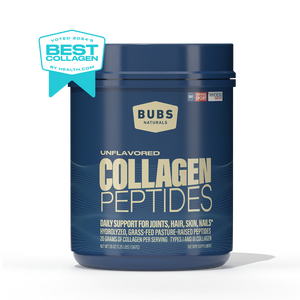
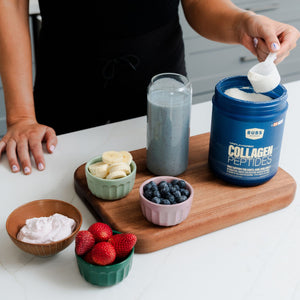
To support this growth from every angle, many of our community members combine their creatine with our Collagen Peptides. While creatine works on the muscle fibers and energy systems, collagen provides the structural building blocks for the tendons, ligaments, and connective tissues that support those muscles. Together, they create a comprehensive approach to physical resilience, ensuring that your joints are as strong as the muscles pulling on them.
Cognitive Function: Creatine for the Brain
While the gym is the traditional home of creatine, the most exciting frontier of current research is the brain. Your brain is an incredibly energy-hungry organ, consuming about 20% of your body's total energy despite making up only 2% of your body weight. Just like your muscles, your brain relies on ATP for everything from neurotransmitter release to maintaining ion gradients.
Clinical studies have shown that when the brain is under metabolic stress—such as during sleep deprivation, intense mental tasks, or even when recovering from a mild traumatic brain injury—creatine supplementation can help maintain cognitive performance. By increasing brain phosphocreatine levels, it helps the brain "keep the lights on" during demanding periods.
Vegetarians and vegans often see the most significant cognitive boost from Creatine Monohydrate because their dietary intake is naturally lower. They often report improvements in working memory, processing speed, and overall mental clarity.
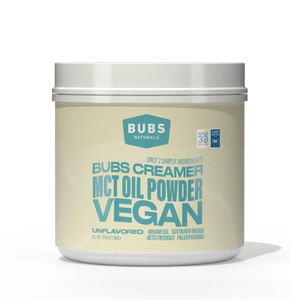
At BUBS, we are big believers in the "mental game." Whether you are navigating a complex project or a rugged trail, mental fatigue can be just as debilitating as physical exhaustion. To double down on this cognitive support, we love mixing our creatine with our MCT Oil Creamer. While creatine supports the ATP cycle, MCTs provide a fast-burning fat source for the brain, creating a powerful synergy for focus and clarity.
Supporting Women’s Health Through the Lifespan
For a long time, creatine was marketed almost exclusively to men, but we are happy to see that narrative changing. Women have a unique physiological profile that makes creatine supplementation incredibly beneficial. Research indicates that women naturally have lower creatine stores than men, and these levels can fluctuate based on the menstrual cycle, pregnancy, and menopause due to the influence of estrogen on creatine kinase.
For women, what creatine supplements do is provide a steady foundation for strength and bone health. As estrogen levels decline during perimenopause and post-menopause, women are at a higher risk for muscle loss (sarcopenia) and decreased bone mineral density. Creatine, when paired with resistance training, has been shown to help preserve muscle mass and support bone health in post-menopausal women.
Furthermore, the mood-supporting aspects of creatine are particularly relevant for women. There is emerging evidence that creatine may act as an adjunctive support for mood regulation, potentially by improving brain energy metabolism.
We encourage women to integrate Creatine Monohydrate into their daily wellness routine along with our Apple Cider Vinegar Gummies. While creatine supports the body’s energy and structure, ACV gummies provide a convenient way to support digestive health and metabolic balance, creating a well-rounded approach to daily vitality.
Healthy Aging and the Fight Against Sarcopenia
Aging is an adventure of its own, but it’s one that requires preparation. One of the most significant challenges we face as we get older is sarcopenia—the gradual loss of muscle mass, strength, and function. This isn't just about "looking fit"; it's about maintaining independence, preventing falls, and keeping a high quality of life.
Creatine is one of the most effective nutritional interventions for aging adults. It helps maintain the fast-twitch muscle fibers that are often the first to go as we age. By keeping these fibers responsive, creatine helps seniors maintain their power—the ability to move quickly when needed.
Moreover, aging is often associated with increased oxidative stress and low-grade inflammation. Creatine has been shown to have mild antioxidant properties, which may help protect cells from damage. To further support this "aging-well" protocol, we recommend adding our Vitamin C to your daily stack. Vitamin C is essential for collagen formation and provides potent antioxidant support, working alongside creatine to protect your body’s tissues from the inside out.
Quality Matters: The BUBS "No-BS" Standard
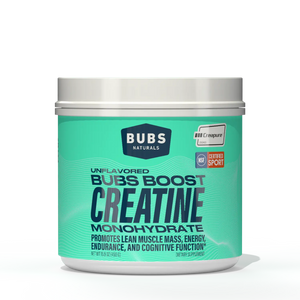
Not all creatine is created equal. The supplement industry is often filled with "blends" that include unnecessary fillers, artificial sweeteners, and unproven ingredients. At BUBS Naturals, we stick to the gold standard: pure, unflavored Creatine Monohydrate.
Creatine monohydrate is the most studied form of the supplement. Other versions, like creatine HCL or ethyl ester, often claim better absorption, but the clinical data simply doesn't support those claims over the efficacy of monohydrate. Our creatine is also NSF for Sport certified. This is a critical distinction, especially for competitive athletes. It means that every batch is third-party tested for over 280 banned substances and that the contents of the bag exactly match the label.
Our commitment to purity is part of our larger mission. When you choose BUBS, you are supporting more than just your own health. Through our 10% Rule, we donate 10% of all profits to veteran-focused charities. This is our way of honoring Glen “BUB” Doherty’s legacy of service and sacrifice. When you take a scoop of our creatine, you are participating in a community dedicated to excellence, integrity, and giving back.
How to Optimize Your Creatine Protocol
Understanding what creatine supplements do is the first step; the second is knowing how to use them effectively. There are two main ways to start your creatine journey: the "Loading Phase" or the "Gradual Approach."
The Loading Phase involves taking 20 grams of creatine daily (split into four 5-gram doses) for five to seven days. This rapidly saturates your muscles. After this week, you drop down to a maintenance dose of 3–5 grams daily. This is the fastest way to see results, but some people find that the high initial dose can lead to mild bloating or digestive upset.
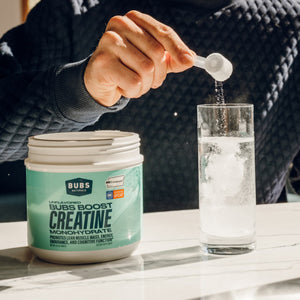
The Gradual Approach is simpler: just take 3–5 grams (one scoop) of our Creatine Monohydrate every single day. While it will take about three to four weeks to fully saturate your muscles, it is often easier on the stomach and just as effective in the long run.
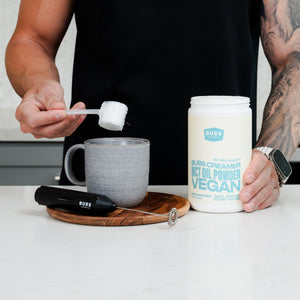
Timing is less important than consistency. Whether you take it in your morning coffee with our Butter MCT Oil Creamer or in your post-workout shake with Collagen Peptides, the key is to make it a daily habit. Creatine works through accumulation, not as a one-time stimulant.
Dispelling Common Myths and Concerns
Even with its vast body of research, several myths about creatine persist. Let’s clear those up so you can feel confident in your choice.
One of the most common concerns is that creatine causes kidney damage. For healthy individuals, this is simply not true. Dozens of long-term studies have shown that daily creatine use is safe and does not negatively impact kidney function. However, because creatine can slightly raise creatinine levels in the blood—a marker doctors use to check kidney health—it’s important to let your healthcare provider know you are taking the supplement so they can interpret your labs correctly.
Another myth is that creatine causes "fat gain." Creatine has zero calories. Any initial weight gain is almost entirely due to water being drawn into the muscle cells (intracellular hydration). This is a positive thing for muscle health and performance, not an increase in body fat.
Lastly, some worry that creatine is a steroid. As we’ve discussed, creatine is a naturally occurring compound made from amino acids. It does not alter your hormonal profile or act like a synthetic performance-enhancing drug. It simply provides your body with more of the fuel it already uses.
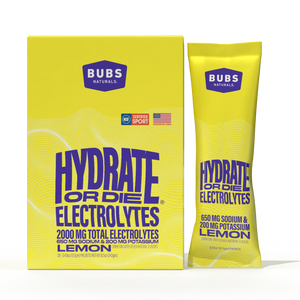
To ensure your body handles these physiological shifts smoothly, keep your hydration levels high. Using our Hydrate or Die - Lemon throughout the day provides the necessary salt and minerals to balance the increased water intake that often accompanies creatine use.
The BUBS Lifestyle: Integrating Wellness and Adventure
At BUBS Naturals, we don't see supplements as a shortcut; we see them as tools that enable a more vibrant, active lifestyle. What creatine supplements do is provide the "engine room" support so you can get out there and live life to the fullest.
Whether you’re a professional athlete, a weekend warrior, or someone just looking to stay sharp and strong as the years go by, the benefits of creatine are universal. It is a testament to the power of simple, clean ingredients that work with your body’s natural processes rather than against them.
We invite you to experience the BUBS difference for yourself. Our Creatine Monohydrate is more than just a supplement; it’s a commitment to your future self. It’s about having the energy to play with your kids, the strength to tackle a new hobby, and the mental clarity to stay present in every moment.
Join us in our mission. Fuel your body with the best, support our veterans, and remember the words we live by: "Die Living." Your adventure is just beginning, and we are honored to be a part of it.
FAQ
Does creatine cause hair loss?
There is currently no strong scientific evidence linking creatine supplementation to hair loss. This myth largely stems from a single 2009 study on rugby players that showed an increase in DHT (a hormone linked to hair loss) but did not actually measure hair loss itself. Subsequent studies have failed to replicate these results, and most experts agree that creatine is not a cause of thinning hair in healthy individuals.
Can I take creatine if I don’t work out?
Yes, you can. While the muscle-building benefits are most pronounced when combined with resistance training, the cognitive and general health benefits of creatine apply regardless of your exercise routine. Creatine supports brain energy metabolism and may help with mental fatigue and cognitive processing, making it a valuable tool for non-athletes as well. However, for those looking to maximize their results, we recommend pairing our Creatine Monohydrate with regular physical activity.
Is it okay to take creatine on my rest days?
Absolutely. In fact, it is recommended. Creatine works by saturating your muscle tissues over time. To maintain those saturation levels, you need to take it every day, including days when you aren't training. Missing days can cause your muscle creatine levels to slowly decline, which might reduce the effectiveness of the supplement over time. Consistency is key to feeling the full BUBS difference.
Should I take creatine before or after my workout?
The most important factor is consistency rather than specific timing. Some research suggests a slight advantage to taking it post-workout when your muscles are more receptive to nutrient uptake, but the difference is minimal. Many people find it easiest to mix their Creatine Monohydrate into their morning coffee with MCT Oil Creamer or their daily smoothie. Choose the time that ensures you won't forget your daily scoop.