Table of Contents
- Introduction
- Understanding the Role of Collagen
- Understanding the Role of Folic Acid
- Why Folic Acid and Collagen Are Compatible
- The Synergistic Benefits of Combining Both
- How to Optimize Your Supplement Routine
- Potential Side Effects and Considerations
- Sourcing and Quality Matter
- Practical Scenarios for Active Lifestyles
- Frequently Asked Questions
- Conclusion
- FAQ
Introduction
You have likely spent time dialing in your nutrition, focusing on whole foods and high-quality movement. When you start adding supplements to the mix, it is only natural to wonder if your daily stack is working for you or against you. Whether you are chasing a new PR in the gym or simply trying to stay mobile and healthy as you age, understanding how different nutrients interact is vital. At BUBS Naturals, we focus on providing clean, effective supplements that fit into an active lifestyle without the guesswork.
Many people find themselves taking a variety of vitamins alongside their protein sources. The question of whether you can take folic acid and Collagen Peptides together is a common one for those looking to support both their internal cellular health and their external structural integrity. The short answer is yes: these two supplements can be taken together safely. This guide will explain the roles of each, why they are compatible, and how to optimize your routine for the best results.
Quick Answer: You can safely take folic acid and collagen together as there are no known negative interactions between the two. Collagen is a structural protein that the body processes like food, while folic acid is a water-soluble B vitamin; taking them together may actually support comprehensive tissue and cellular repair.
Understanding the Role of Collagen
Collagen is the most abundant protein in the human body. It acts as the "glue" that holds everything together, providing structure to your skin, hair, nails, tendons, ligaments, and bones. Think of it as the scaffolding of your body. Without sufficient collagen, that scaffolding begins to weaken, which often manifests as joint discomfort, less elastic skin, or brittle nails.
Our bodies naturally produce collagen using amino acids from the protein we eat. However, as we move through our 20s and into our 30s, this natural production begins a steady decline. For a deeper breakdown, our Collagen Protein Benefits page covers the basics. External factors like sun exposure, high sugar intake, and environmental stress can further accelerate this drop. This is why many athletes and wellness-conscious individuals turn to supplementation to help bridge the gap.
The Different Types of Collagen
Not all collagen is created equal. There are at least 28 different types of collagen found in the body, but the vast majority consists of Types I, II, and III.
| Collagen Type |
Primary Location |
Key Benefits |
| Type I |
Skin, tendons, organs, bone |
Supports skin elasticity and bone strength |
| Type II |
Cartilage |
Supports joint health and cushioning |
| Type III |
Bone marrow, lymphoid tissues |
Works with Type I to support skin and muscles |
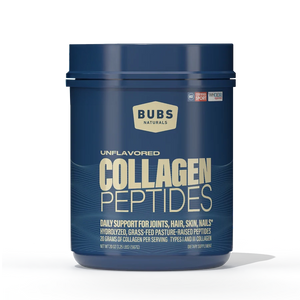
When you choose a high-quality option from our Collagen Peptides collection, you are typically getting a concentrated dose of Types I and III. These are grass-fed and pasture-raised, ensuring you get a clean source of the amino acids proline, glycine, and hydroxyproline. Because these peptides are hydrolyzed—meaning they are broken down into smaller, shorter chains—they are easier for your body to absorb and use for repair.
Understanding the Role of Folic Acid
Folic acid is the synthetic form of folate, also known as Vitamin B9. While folate is found naturally in foods like leafy greens, beans, and citrus fruits, folic acid is the version used in supplements and fortified foods. It is a water-soluble vitamin, meaning your body does not store it in large amounts and excretes any excess through urine.
Folic acid is essential for several critical functions in the body. It plays a primary role in DNA synthesis and repair, making it indispensable for cell division. This is why it is so heavily emphasized during pregnancy, as it helps prevent neural tube defects. For the average active adult, folic acid supports the production of healthy red blood cells and aids in the metabolism of amino acids.
Key Takeaway: While collagen provides the physical building blocks for your tissues, folic acid provides the cellular instructions and energy support needed to utilize those building blocks effectively. Combining them covers both the structure and the "blueprint" of your body’s repair processes.
Why Folic Acid and Collagen Are Compatible
Taking collagen and folic acid together is safe because they do not compete for the same absorption pathways. Collagen is essentially a food product. When you consume collagen powder, your body breaks it down into individual amino acids in the stomach and small intestine, just like it would with a piece of steak or a bowl of bone broth.
Folic acid, being water-soluble, is absorbed primarily in the small intestine. Because collagen is easily digested and does not contain high amounts of fats or fibers that might slow down the absorption of water-soluble vitamins, there is no interference. In fact, many health professionals recommend taking vitamins with a light meal or a protein source to improve gastric comfort and absorption.
Collagen is Essentially Food
You should view your collagen supplement as a functional food rather than a medicinal drug. Because our BUBS Naturals Collagen Peptides are a single-ingredient product with no fillers or "BS," they integrate into your digestive process naturally. Taking your folic acid at the same time as your collagen coffee or morning smoothie is no different than taking it with a high-protein breakfast.
Myth: Taking too many supplements at once "cancels them out" or overloads the liver.
Fact: While some minerals (like calcium and iron) can compete for absorption, protein-based supplements and water-soluble vitamins generally work in harmony without taxing the body's filtration systems.
The Synergistic Benefits of Combining Both
While they function differently, folic acid and collagen can complement each other’s effects. When you are recovering from a hard training session or an injury, your body needs to create new cells and new connective tissue. Folic acid supports the "new cell" part of that equation, while collagen provides the "connective tissue" raw materials.
Enhanced Tissue Repair
For athletes, recovery is about more than just resting. It is about giving the body what it needs to rebuild. Folic acid helps with the synthesis of heme, the iron-containing component of hemoglobin, which carries oxygen to your recovering muscles and tissues. When your tissues are well-oxygenated and have a steady supply of collagen peptides, the repair process can be more efficient.
Support for Skin, Hair, and Nails
Both of these nutrients are staples in "beauty from within" routines. Collagen provides the structural matrix for the skin, helping it remain firm and hydrated. Folic acid supports the rapid turnover of cells in the hair follicles and nail beds. By taking them together, you are addressing both the structural integrity and the cellular growth rate of your skin, hair, and nails.
How to Optimize Your Supplement Routine
Consistency is the most important factor in seeing results from any supplement. Whether you are taking folic acid to support heart health or collagen to help with joint mobility, you won't see much progress if you only take them once or twice a week. Establishing a routine that ties your supplements to an existing habit is the best way to stay on track.
Timing Your Intake
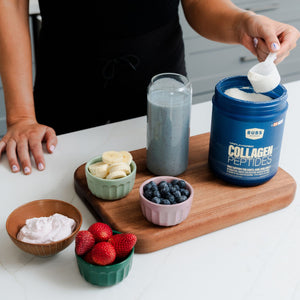
There is no "perfect" time to take collagen or folic acid, but many people find success taking them in the morning. Folic acid can be taken on an empty stomach or with food. Since collagen mixes effortlessly into hot or cold liquids, adding a scoop of BUBS Naturals to your morning coffee is an easy way to ensure you never miss a dose.
If you have a sensitive stomach, taking your folic acid alongside your collagen might actually help. Some people experience mild nausea when taking B vitamins on a completely empty stomach. The small amount of protein in collagen can provide enough of a "buffer" to prevent this discomfort.
The Role of Vitamin C
Vitamin C is the essential bridge between folic acid and collagen. You cannot effectively synthesize collagen without Vitamin C. It acts as a co-factor for the enzymes that stabilize the collagen molecule. Furthermore, Vitamin C helps with the absorption of certain forms of folate and protects folic acid from oxidation.
If you want a more detailed look, our Vitamin C supplement guide breaks down what to look for. If your collagen supplement doesn't already contain it, consider taking a Vitamin C supplement or eating a piece of fruit when you take your folic acid and collagen. This creates a "triple threat" of nutrients that all work toward the same goal of tissue health and antioxidant support.
Potential Side Effects and Considerations
Collagen is generally recognized as safe for most people. Because it is a naturally occurring protein, side effects are rare and usually limited to mild digestive heaviness if you take too much at once. However, it is always wise to start with a standard serving size and see how your body responds.
Folic Acid Limits
While folic acid is safe, you should be mindful of your total daily intake. The recommended daily allowance (RDA) for most adults is 400 micrograms (mcg). While the "tolerable upper limit" is generally set at 1,000 mcg, consuming excessive amounts of folic acid can sometimes mask a Vitamin B12 deficiency. If you are taking a high-dose multivitamin in addition to a standalone folic acid supplement, check your labels to ensure you aren't significantly exceeding the recommended amounts.
Medication Interactions
Folic acid can interact with certain prescription medications. For example, it can decrease the effectiveness of methotrexate, a drug used for certain autoimmune conditions. It may also interact with anti-seizure medications or certain treatments for inflammatory bowel disease. If you are on any prescription medication, it is essential to consult with your healthcare provider before adding new supplements to your routine.
Note: Indigestion remedies or antacids containing aluminum or magnesium can interfere with folic acid absorption. If you use these, try to separate them from your folic acid intake by at least two hours.
Sourcing and Quality Matter
The supplement industry is often filled with products that use low-quality fillers, artificial sweeteners, and "proprietary blends" that hide the actual dosages of ingredients. When you are putting something in your body every day, you need to know exactly what is in it.
We believe in "no BS" when it comes to our ingredients. This is why our products are third-party tested. Our Collagen Peptides are NSF for Sport certified, which is the highest standard for purity and safety in the industry. This certification ensures that what is on the label is exactly what is in the tub, with no contaminants or banned substances. This level of trust is why athletes and veterans alike choose us for their recovery needs.
Bottom line: When taking folic acid and collagen together, the quality of your collagen is the most important variable. Choosing a clean, hydrolyzed peptide ensures that your body can actually use the protein you are giving it without having to filter out unnecessary additives.
Practical Scenarios for Active Lifestyles
How does this look in the real world? Let’s look at a few common scenarios where combining these two makes sense.
The Morning Athlete
You wake up early for a rucking session or a trip to the gym. You want something in your system that won't make you feel heavy. You mix a scoop of collagen into your coffee and take your folic acid supplement. The collagen provides 10 grams of protein to support muscle preservation during your workout, while the folic acid supports the energy metabolism you need to get through the session.
The Recovery Phase
You are coming off a high-volume training block and your joints are feeling the strain. You increase your collagen intake to two scoops a day—one in the morning and one post-workout. For a more targeted mobility option, the Collagen Peptides for Joints collection is a natural fit. You take your folic acid with your post-workout meal. This combination ensures that as your body enters the deep repair phase during sleep, it has both the structural amino acids and the B-vitamins necessary for cellular regeneration.
The Wellness Maintainer
You aren't training for a marathon, but you want to feel good and age well. You take a daily multivitamin that contains folic acid and stir collagen into your afternoon tea. This simple habit supports your skin elasticity and bone density over the long term, while the folic acid keeps your cardiovascular and nervous systems supported.
Frequently Asked Questions
Can I take collagen and a multivitamin together?
Yes. Most multivitamins contain folic acid as well as other B-complex vitamins and minerals. There is no issue taking a multivitamin at the same time as your collagen. In fact, the Vitamin C usually found in multivitamins will actually help your body utilize the collagen more effectively.
Does collagen affect folic acid absorption?
No, there is no evidence to suggest that collagen hinders the absorption of folic acid. Since collagen is a protein, it is treated by the digestive system like food, which often helps the body process vitamins more smoothly.
Should I take them on an empty stomach?
You can take collagen on an empty stomach, and many people do so in the morning. However, folic acid and other B vitamins can sometimes cause mild stomach upset if taken without food. If you experience this, try taking both with a small snack or a meal.
What is the best form of collagen to take with vitamins?
Hydrolyzed collagen peptides are the gold standard. Because they are already "pre-digested" into smaller peptides, they don't sit heavy in the stomach, leaving your digestive system free to focus on absorbing your vitamins and minerals. If you want a deeper look at sourcing, our guide to grass-fed collagen peptides is a helpful next step.
Conclusion
Taking folic acid and collagen together is not only safe but is a smart way to support your body's overall structural and cellular health. By providing the building blocks for your tissues and the essential vitamins for cell repair, you are giving your body the tools it needs to perform and recover at its best.
At BUBS Naturals, we are committed to more than just high-quality supplements. We are a mission-driven brand inspired by the life of Glen "BUB" Doherty, a Navy SEAL who lived a life of adventure and service. We carry that legacy forward by donating 10% of all our profits to veteran-focused charities. When you choose our products, you aren't just investing in your own wellness; you are supporting a larger purpose.
Start your morning by mixing our Collagen Peptides into your favorite drink and taking your folic acid alongside it. It is a simple, effective step toward a more resilient you.
FAQ
Can taking folic acid and collagen together help with hair growth?
Yes, many people find this combination beneficial for hair health. Collagen provides the amino acids like proline that are used to build hair protein, while folic acid supports the healthy cell division required for hair follicles to function optimally.
Is it better to take folic acid or a full B-complex with collagen?
While folic acid alone is safe, a full B-complex may offer broader benefits for energy metabolism and nerve function. Both folic acid and B-complex supplements are compatible with collagen peptides.
Are there any vitamins I should NOT take with collagen?
There are no vitamins that have a known negative interaction with collagen. Collagen is a protein that is processed like food, making it one of the most versatile and stackable supplements in your routine.
How much collagen should I take with my folic acid?
A standard serving of collagen is typically 10 to 20 grams per day. This amount provides a robust profile of amino acids to support your joints and skin without interfering with your daily folic acid or multivitamin intake.