Table of Contents
- Introduction
- What is Collagen?
- Is Collagen Safe for Expectant Mothers?
- Key Benefits of Collagen During Pregnancy
- The Role of Glycine in Fetal Development
- Collagen and Postpartum Recovery
- How to Choose the Right Collagen Supplement
- BUBS Naturals: A Higher Standard for Moms
- How to Integrate Collagen Into Your Day
- Real Food Sources of Collagen
- Listen to Your Body
- Conclusion
- FAQ
Introduction
Pregnancy is one of the most physically demanding journeys you will ever take. Your body undergoes a massive structural shift to accommodate a growing life, placing immense pressure on your skin, joints, and internal organs. It is natural to look for ways to support your health and recovery during this time. You might have heard about Collagen Peptides for its ability to support skin glow or joint mobility, but you likely want to know if it is a responsible choice for you and your baby.
At BUBS Naturals, we believe in keeping wellness simple and grounded in high-quality, clean ingredients. We understand that when you are pregnant, every supplement you take deserves extra scrutiny. This guide explores the role of collagen during pregnancy, its potential benefits for your changing body, and how to choose a source that meets the highest standards of purity. We will look at the science behind this essential protein and how it may help you navigate the physical challenges of motherhood.
The short answer is that many healthcare providers consider collagen to be a safe and beneficial addition to a prenatal routine, provided the source is clean and third-party tested.
Quick Answer: Yes, collagen is generally considered safe during pregnancy and may support skin elasticity, joint health, and tissue repair. However, you should always consult your healthcare provider or OB-GYN before starting any new supplement to ensure it fits your specific health needs.
What is Collagen?
Collagen is the most abundant protein in your body. It acts as the "glue" that holds everything together. It is a fibrous structural protein that makes up roughly 30% of your total body protein. You can find it in your skin, bones, muscles, tendons, ligaments, and even your blood vessels. For a deeper dive, our Collagen Protein Benefits guide explains the basics.
In the body, collagen exists in a few primary forms. Type I is the most common and provides structure to your skin, bones, and connective tissues. Type III is often found alongside Type I and supports the structure of muscles, organs, and arteries. When you take a supplement, you are usually consuming "hydrolyzed" collagen, also known as collagen peptides. This means the protein has been broken down into smaller, easier-to-digest pieces.
Your body naturally produces collagen, but that production can slow down due to age or high physical stress. Pregnancy is a period of peak physical demand where your body’s requirements for protein and specific amino acids increase significantly. Adding a clean supplement can help provide the building blocks your body needs to maintain its structural integrity.
Is Collagen Safe for Expectant Mothers?
Safety is the top priority for any pregnant woman. Most research suggests that collagen is safe because it is a protein that you already consume in foods like meat, fish, and bone broth. Supplementing with BUBS Collagen Peptides simply provides those same amino acids in a more concentrated and bioavailable form.
However, not all supplements are created equal. The risks often come from what is added to the collagen rather than the collagen itself. Some brands include artificial sweeteners, fillers, or heavy metals that could be harmful. This is why we focus on single-ingredient formulas that undergo rigorous testing.
Myth: Collagen supplements are a "drug" that can interfere with fetal development.
Fact: Collagen is a food-based protein made of amino acids like glycine and proline. It is not a drug, though choosing a high-purity source is essential to avoid contaminants.
The Importance of Third-Party Testing
During pregnancy, your body is more sensitive to toxins. Heavy metals like lead or mercury can sometimes find their way into low-quality protein powders. Always look for products that are NSF for Sport certified or third-party tested. This ensures that what is on the label is exactly what is in the container, with no hidden "BS" or harmful substances.
Key Benefits of Collagen During Pregnancy
Your body changes more in nine months than it typically does in a decade. Collagen may help you manage these transitions by supporting the tissues that are under the most stress.
1. Supporting Skin Elasticity and Stretch Marks
As your baby grows, your skin must stretch rapidly, especially around the abdomen, hips, and breasts. This stretching can sometimes outpace the skin's ability to produce new structural fibers, leading to stretch marks. Collagen is the primary protein responsible for skin elasticity.
By maintaining your collagen levels, you may support the dermis—the middle layer of your skin—helping it remain resilient and supple. While genetics play a role in stretch marks, providing your body with the right nutrients can help your skin adapt to the rapid growth.
2. Joint and Ligament Support
During pregnancy, your body releases a hormone called relaxin. As the name suggests, relaxin "relaxes" your ligaments and joints to prepare your pelvis for childbirth. While this is necessary for delivery, it can lead to joint instability, back pain, and "wobbly" knees or hips during your second and third trimesters.
Collagen is a major component of cartilage and ligaments. Supplementing may help strengthen these connective tissues, potentially reducing some of the discomfort associated with joint laxity. Many women find that this support helps them stay active and mobile throughout their pregnancy. You can read more in How Collagen Can Support Your Joints and Recovery This Spring.
3. Strengthening the Cervix
The cervix is almost entirely made of collagen fibers. Its job is to remain firm and closed to protect the baby, then soften and dilate when it is time for labor. Maintaining the structural integrity of these fibers is crucial for a healthy pregnancy. Some studies suggest that proper collagen levels help the cervix remain strong until the final stages of gestation.
4. Digestive Health and Gut Support
Digestive issues like bloating, heartburn, and "leaky gut" are common during pregnancy due to hormonal shifts and the physical pressure of the growing uterus. Collagen contains high amounts of the amino acids glycine and glutamine. These amino acids are essential for maintaining the lining of your digestive tract. A healthy gut lining ensures you are absorbing the nutrients you and your baby need.
Key Takeaway: Collagen is not just for "beauty." It is a structural necessity that supports the skin’s ability to stretch, the stability of joints loosened by pregnancy hormones, and the health of the digestive system.
The Role of Glycine in Fetal Development
One of the most important amino acids in collagen is glycine. While your body can make some glycine on its own, its needs skyrocket during pregnancy. Glycine is required for the growth of the fetus’s organs, bones, and connective tissues. You can also learn more about how the body produces collagen.
In fact, the demand for glycine is so high in the third trimester that some experts believe it should be considered a "conditionally essential" amino acid for pregnant women. This means you must get it from your diet or supplements because your body cannot keep up with the demand. Collagen is one of the richest natural sources of glycine available.
Collagen and Postpartum Recovery
The need for collagen does not end the moment you give birth. The postpartum period, often called the "fourth trimester," is a time of intense healing.
-
Uterine Recovery: After birth, the uterus must shrink back to its original size. This process involves a massive remodeling of collagen tissues.
-
Wound Healing: Whether you had a vaginal birth or a C-section, your body needs to repair skin and muscle tissue. Collagen plays a central role in every stage of wound healing.
-
Hair Health: Many women experience "postpartum hair loss" around three to six months after delivery due to a drop in estrogen. While this is hormonal, having adequate protein and collagen levels can help support the strength and regrowth of your hair.
-
Pelvic Floor Health: Your pelvic floor muscles and tissues have been under strain for months. Collagen helps provide the structure needed for these tissues to regain their strength and elasticity.
If you want a quick way to spot the signs that your routine may need support, start with How Do You Know If Your Body Needs Collagen?
Bottom line: Taking collagen after your baby arrives can support the rapid tissue remodeling and healing required during the fourth trimester.
How to Choose the Right Collagen Supplement
If you decide to add collagen to your routine, do not just grab the first bottle you see on a grocery store shelf. You need to be discerning about the source and the processing.
Bovine vs. Marine Collagen
Most collagen comes from either cows (bovine) or fish (marine). Both are effective, but they serve slightly different purposes.
| Feature |
Bovine Collagen |
Marine Collagen |
| Source |
Cow hides |
Fish skin/scales |
| Collagen Types |
Type I and Type III |
Mostly Type I |
| Best For |
Skin, joints, and gut health |
Skin and hair health |
| Bioavailability |
Very high |
Slightly higher (smaller molecules) |
| Allergy Risk |
Low |
High (for those with fish allergies) |
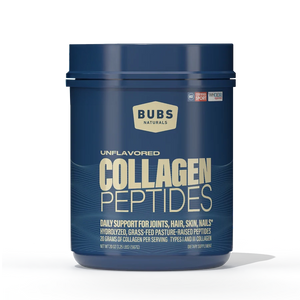
For most pregnant women, we recommend a grass-fed, pasture-raised bovine collagen like our Collagen Peptides. It provides a balanced profile of Type I and Type III collagen, making it a versatile choice for both skin elasticity and joint support. It is also flavorless and odorless, which is a major plus if you are dealing with pregnancy-related food aversions or "morning" sickness.
What to Avoid
-
Artificial Sweeteners: Avoid sucralose, aspartame, or "natural flavors" that don't specify their source.
-
Added Sugars: You don't need extra sugar spikes during pregnancy.
-
Complex Blends: Some "beauty" collagens add herbs or vitamins that might not be cleared for pregnancy. Stick to pure collagen.
BUBS Naturals: A Higher Standard for Moms
We know that when you are providing for another life, you want zero compromises. Our Collagen Peptides are designed for exactly that. We use a single ingredient: grass-fed, pasture-raised bovine collagen. We don't add fillers, flavoring, or anything that would take away from the purity of the product.
Every batch is third-party tested and NSF for Sport certified. This is the gold standard for purity in the supplement world. It means that athletes, military personnel, and expectant mothers can trust that our collagen is free from contaminants and banned substances. We keep it simple because simple is what works.
How to Integrate Collagen Into Your Day
The best supplement is the one you actually take. Pregnancy can make your palate sensitive, so the goal is to make your collagen intake as easy as possible.
-
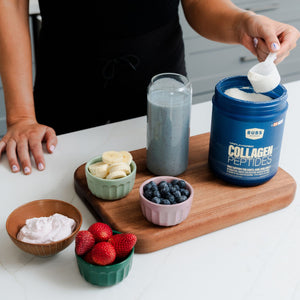
In Your Morning Coffee: Our collagen is hydrolyzed, meaning it dissolves instantly in hot liquids without clumping. If you’re still enjoying a morning cup of coffee, just stir in a scoop and read Does Heat Destroy Collagen Powder? for the science behind hot beverages.
-
Smoothies: This is a great way to hide a scoop of collagen along with some spinach, fruit, and healthy fats.
-
Soups and Stews: You can add collagen to savory dishes. It won’t change the flavor or texture but will add a significant protein boost.
-
Oatmeal or Yogurt: Stir a scoop into your breakfast for added satiety.
Note: Collagen is not a "complete" protein because it lacks the amino acid tryptophan. It should be used as a supplement to a diet that includes other protein sources like eggs, meat, beans, or dairy—not as your only source of protein.
Real Food Sources of Collagen
While supplements are convenient, you can also support your body through whole foods. Vitamin C is a critical co-factor for collagen production; your body cannot build collagen without it.
-
Bone Broth: The original source of collagen. Slow-simmering bones releases the protein into a drinkable broth.
-
Citrus Fruits: Oranges and lemons are high in Vitamin C, which helps your "collagen machinery" work.
-
Berries: Loaded with antioxidants that protect your existing collagen from damage.
-
Leafy Greens: Provide chlorophyll, which may increase the precursor to collagen in the skin.
Integrating these foods alongside our Collagen Peptides creates a robust foundation for your body to stay strong and resilient throughout all three trimesters.
Listen to Your Body
Every pregnancy is different. Some women find that collagen helps their digestion immediately, while others might notice their joints feel better after a few weeks of consistent use. Pay attention to how you feel. If you experience any digestive upset, try reducing the dose and gradually increasing it as your body adjusts.
Most experts recommend a daily dose of 10 to 20 grams. This is roughly one to two scoops of our collagen. It provides about 18 grams of protein, helping you meet those increased prenatal protein requirements without feeling overly full or bloated.
Conclusion
Pregnancy is a marathon of physical change. Supporting your body with the right structural building blocks can make the journey more comfortable and help you recover faster once your baby is here. Collagen provides the amino acids necessary for skin elasticity, joint stability, and the health of your growing baby. By choosing a clean, third-party-tested source, you can feel confident that you are doing something good for both yourself and your child.
We are here to support your wellness journey with transparency and purpose. Every scoop of our products is a commitment to quality. Furthermore, we believe in a larger mission rooted in our story. We donate 10% of all our profits to veteran-focused charities in honor of Glen "BUB" Doherty. When you choose us, you are supporting your own health and a cause that matters.
Take care of your body so you can take care of your little one. Start with one scoop, stay consistent, and feel the difference.
FAQ
Can I take collagen while breastfeeding?
Yes, many women continue taking collagen postpartum and while breastfeeding to support tissue repair and maintain skin and joint health. It provides a clean source of protein that can help you meet the increased nutritional demands of milk production. As always, mention it to your pediatrician or healthcare provider.
Does collagen help with pregnancy "brain fog"?
While collagen is primarily known for physical structure, it contains glycine, which may support better sleep and cognitive function. Many people report feeling more balanced when they have adequate protein intake, but collagen is not a direct treatment for the "brain fog" caused by hormonal shifts and lack of sleep.
Is there a vegan collagen for pregnancy?
There is no such thing as "vegan collagen" because collagen is only found in animals. Some brands sell "collagen builders" containing Vitamin C and silica, which help your body make its own collagen. However, for direct collagen supplementation, bovine or marine sources are the only options.
When is the best time of day to take collagen?
There is no "perfect" time, but many people prefer taking it in the morning to start their day with a protein boost. Others take it at night, as glycine may support more restful sleep. The most important thing is consistency—taking it at the same time each day helps you stay in the habit.