Table of Contents
- Introduction
- The Science of Collagen and Hormones
- 5 Specific Benefits of Collagen for Your Cycle
- Collagen and the Four Phases of Your Cycle
- Does Collagen Affect Menstrual Bleeding?
- How to Use Collagen for Cycle Support
- Supporting Your Cycle Naturally
- Conclusion
- FAQ
Quick Answer: Yes, collagen is beneficial for menstruation. It helps manage systemic inflammation, supports skin health during hormonal breakouts, and provides the amino acids necessary for tissue repair as the body sheds the uterine lining.
Introduction
Many women view the arrival of their monthly cycle with a sense of dread. The bloating, fatigue, and skin flare-ups can feel like an unavoidable tax on your productivity and mood. While standard advice focuses on heating pads and rest, nutritional support is often the missing piece of the puzzle. Your body works overtime during this window to manage tissue turnover and shifting hormones.
At BUBS Naturals, we believe in using clean, science-backed nutrition to help you stay active through every phase of life. Collagen is often marketed for its beauty benefits, but its impact on female health goes much deeper. This guide explains how collagen interacts with your hormones and physical recovery during your cycle. We will explore why this protein belongs in your daily routine, especially during your period.
Understanding the relationship between your cycle and your protein intake can change how you approach your wellness. Consistently taking collagen provides your body with the structural tools it needs to navigate hormonal shifts with more resilience.
The Science of Collagen and Hormones
To understand if collagen is good for menstruation, you first need to understand the relationship between estrogen and protein synthesis. Collagen is the most abundant protein in your body. It acts as the structural frame for your skin, joints, and organs. However, your body does not produce collagen in a vacuum. Its production is heavily influenced by your primary female hormones.
The Estrogen Connection
Estrogen is a key driver of collagen production. It stimulates cells called fibroblasts. These cells are responsible for synthesizing collagen fibers throughout the body. When your estrogen levels are high, your skin typically feels more elastic and your joints feel more stable.
During the first few days of your period, your estrogen and progesterone levels drop to their lowest point. This drop signals your body to begin the process of menstruation. Because estrogen is low, your natural collagen production also takes a temporary dip. This is why many women notice their skin looks duller or their joints feel more sensitive during their period. Supplementing with collagen peptides helps bridge this gap when your internal production is at its monthly low.
Prostaglandins and Inflammation
Menstruation is naturally an inflammatory process. Your body produces hormone-like substances called prostaglandins. These compounds cause the muscles of the uterus to contract, which helps shed the lining. Higher levels of prostaglandins are directly linked to more severe menstrual cramps.
These compounds can also cause systemic inflammation. This is why you might experience lower back pain, headaches, or general muscle aches during your cycle. Collagen contains high concentrations of the amino acid glycine. Glycine has been studied for its ability to support healthy inflammatory responses. By providing your body with an external source of glycine, you may help manage the general "achy" feeling that often accompanies your period.
Key Takeaway: Estrogen levels directly control how well your body makes collagen. Since estrogen drops during your period, supplemental collagen acts as a nutritional safety net to support tissue repair and manage inflammation.
5 Specific Benefits of Collagen for Your Cycle
While collagen is helpful at any time, it offers unique advantages during the different phases of your menstrual cycle. It provides the raw materials required for repair and the amino acids needed for internal balance.
1. Supporting Skin Integrity and Hormonal Acne
Hormonal breakouts are a common frustration. They usually appear around the jawline and chin during the luteal and menstrual phases. This happens because as estrogen drops, the relative influence of testosterone increases. This shift causes your skin’s oil glands to produce more sebum.
Collagen helps maintain the skin’s moisture barrier and supports the repair of damaged tissue. By keeping the structural integrity of your skin strong, you may find that hormonal breakouts heal faster. It also helps prevent the skin from feeling overly dry or sensitive, which often happens when estrogen is low.
2. Managing "Period Aches" and Joint Comfort
The drop in hormones during your period can lead to increased joint sensitivity. Some women report feeling more prone to minor injuries or feeling "clumsy" during their period. This is partly due to changes in ligament laxity. Collagen is the primary component of your cartilage and ligaments. Providing your body with BUBS Naturals Collagen Peptides helps ensure your joints have the cushion they need. This support is vital when your hormones are in flux and your body’s natural stability is temporarily compromised.
3. Boosting Energy and Reducing Sluggishness
Fatigue is one of the most frequent complaints during menstruation. Your body uses a significant amount of energy to shed and rebuild the uterine lining. Collagen is a pure protein source that is easy for the body to process. Unlike sugary snacks that lead to an energy crash, the protein in collagen provides a steady source of amino acids. Adding it to your morning routine can help you feel more grounded and less depleted as your body does the heavy lifting of the menstrual phase.
4. Supporting Gut Health and Digestion
Many women experience digestive issues during their period. These are often referred to as "period poops" or intense bloating. These symptoms are caused by prostaglandins affecting the smooth muscles of the digestive tract. Collagen contains amino acids like glutamine and proline. These are essential for maintaining the lining of the digestive tract. By supporting gut integrity, collagen can help soothe the digestive system during the more turbulent days of your cycle.
5. Promoting Better Sleep Quality
The amino acid glycine, found in high amounts in collagen, acts as an inhibitory neurotransmitter. This means it has a calming effect on the brain. Many women experience "period insomnia" or increased anxiety during their cycle due to hormone shifts. Taking collagen in the evening may help lower your core body temperature and support a more restful night's sleep.
Bottom line: Collagen provides a multi-targeted approach to cycle support, addressing everything from skin health and joint pain to gut function and sleep quality.
Collagen and the Four Phases of Your Cycle
Your needs change depending on where you are in your cycle. Here is how collagen interacts with each of the four distinct phases.
| Phase |
Timing |
Hormone Status |
Collagen Interaction |
| Menstrual |
Days 1–5 |
Estrogen & Progesterone low |
High inflammation; collagen supports tissue shedding and repair. |
| Follicular |
Days 6–14 |
Estrogen begins to rise |
Natural collagen synthesis increases; skin looks brighter. |
| Ovulation |
Day 14 |
Estrogen peaks |
High estrogen assists collagen absorption; peak joint stability. |
| Luteal |
Days 15–28 |
Progesterone rises |
Estrogen drops; collagen supports gut health and PMS mood stabilization. |
The Menstrual Phase (The Shedding)
This is when your body needs the most support. Because you are losing blood and shedding tissue, your protein requirements may slightly increase. Collagen provides the specific amino acids needed to rebuild the uterine lining for the next cycle. It also helps manage the systemic inflammation caused by prostaglandins.
The Follicular and Ovulation Phases (The Glow)
As you move into the follicular phase, your natural collagen production picks up. This is the time when your skin often looks its best. Supplementing during this phase helps maximize your body’s building potential. Since estrogen peaks during ovulation, your body is primed to use the amino acids from collagen efficiently to strengthen joints and ligaments.
The Luteal Phase (The Prep)
After ovulation, estrogen drops and progesterone rises. This shift often brings on PMS symptoms like bloating and mood swings. Collagen’s support for gut health is crucial here. A healthy gut helps your body metabolize and clear out used hormones like estrogen. If your gut is sluggish, estrogen can recirculate, which may worsen PMS symptoms.
Does Collagen Affect Menstrual Bleeding?
A common question is whether collagen can cause heavier bleeding or irregular cycles. There is no scientific evidence to suggest that collagen disrupts the timing or flow of your period. Collagen is a food-based protein, not a hormone. It does not contain estrogen or progesterone.
Myth: Taking collagen will make my period heavier or late.
Fact: Collagen is a structural protein and does not contain hormones. It supports the health of your blood vessels and tissues but does not interfere with the hormonal triggers that control your cycle.
If you notice a change in your period while taking collagen, it is more likely due to other factors. Stress, changes in exercise intensity, and overall caloric intake have a much larger impact on cycle regularity than a protein supplement. In fact, because collagen supports the health of your blood vessels, it may help ensure the structural integrity of the uterine environment.
How to Use Collagen for Cycle Support
To see the best results, consistency is more important than timing. Collagen is not a quick-fix medication like ibuprofen. It works by building up the amino acid stores in your body over time.
Daily Dosage
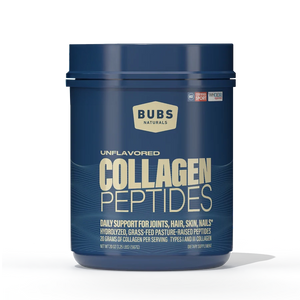
Most research suggests a dose of 10 to 20 grams of collagen peptides per day for general wellness and tissue support. If you experience severe cycle symptoms, staying at the higher end of that range may provide more significant support for your joints and gut. Our BUBS Naturals Collagen Peptides provide 20 grams per serving, making it easy to hit your daily target.
Best Mixing Practices
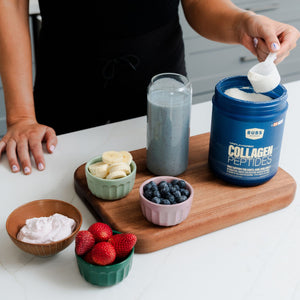
Collagen is incredibly versatile. It is unflavored and dissolves easily in both hot and cold liquids.
-
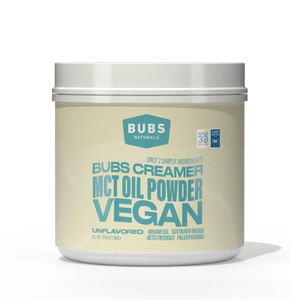
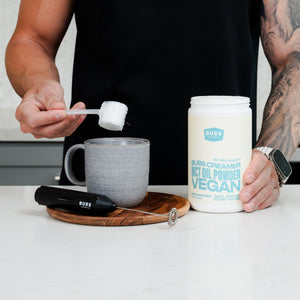
Morning Coffee: Stir a scoop into your morning brew. For added brain fog support during your period, pair it with our Butter MCT Oil Creamer.
-
Post-Workout Shake: If you are staying active during your cycle, add collagen to your protein shake to help with muscle and joint recovery.
-
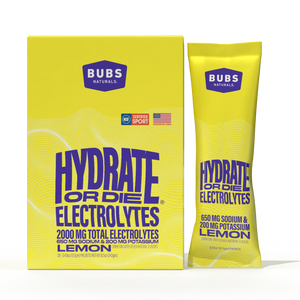
Hydration Boost: During your period, staying hydrated is vital to managing bloat. You can mix collagen with our Hydrate or Die electrolytes to support both fluid balance and tissue repair.
Patience is Key
While some women report feeling better within one cycle, it often takes 60 to 90 days of consistent use to see the full impact on skin, hair, and joint comfort. Your body needs time to integrate these amino acids into its various tissues.
Supporting Your Cycle Naturally
Beyond supplementation, your lifestyle plays a huge role in how you feel during your period. Collagen is one tool in the kit, but it works best when paired with other healthy habits.
-
Focus on Anti-Inflammatory Foods: Pair your collagen with leafy greens, fatty fish, and berries. These foods help manage the inflammation that causes cramps.
-
Stay Hydrated: Dehydration can make bloating and headaches much worse. Use a high-quality electrolyte to ensure your cells are actually absorbing the water you drink.
-
Move Gently: You don’t need to hit a PR on the first day of your period. Gentle movement like walking or swimming can help improve circulation and reduce the intensity of cramps.
-
Prioritize Sleep: Since your body is working harder than usual, you may need an extra hour of rest. The glycine in collagen can help you get deeper, more restorative sleep.
Conclusion
Is collagen good for menstruation? The evidence points to a resounding yes. By supporting your body’s structural integrity and helping manage inflammation, collagen provides a foundation for a more comfortable cycle. It bridges the gap during the natural estrogen dips that occur every month. This simple addition to your routine can help you maintain your skin’s glow, support your joints, and keep your energy levels stable.
We believe that feeling your best shouldn't be complicated. Our mission is to provide clean, high-quality supplements that support your active lifestyle and your long-term wellness. In honor of Glen "BUB" Doherty, we donate 10% of all profits to veteran-focused charities. This commitment to purpose is at the heart of everything we do. Whether you are hitting the gym or navigating the demands of your cycle, we are here to help you feel capable and equipped.
If you are ready to support your cycle with clean protein, our Collagen Peptides are a great place to start. One scoop a day is all it takes to start feeling the difference.
FAQ
Can collagen make your period late?
No, there is no scientific evidence that collagen affects the timing of your menstrual cycle. It is a protein supplement, not a hormone, and it does not interfere with the hormonal signals that trigger ovulation or menstruation.
Does collagen help with menstrual cramps?
Collagen may help with cramps indirectly by supporting a healthy inflammatory response. It contains high levels of glycine, an amino acid known for its anti-inflammatory properties, which can help manage the systemic discomfort caused by prostaglandins.
Is it safe to take collagen every day of the month?
Yes, it is perfectly safe and actually recommended to take collagen daily. Consistent use ensures that your body has a steady supply of amino acids to support tissue repair and hormonal health throughout all four phases of your cycle.
Does collagen help with hormonal acne?
Collagen can support the skin's barrier and speed up the repair of skin tissue. While it may not prevent every hormonal breakout, it can help your skin recover faster and maintain better moisture levels when estrogen is low.