Table of Contents
- Introduction
- What Are Collagen Peptides?
- Benefits of Collagen Peptides
- How to Incorporate Collagen Peptides into Your Routine
- Are There Any Side Effects?
- Conclusion
- FAQ
Introduction
Have you ever wondered why collagen has become a buzzword in wellness circles? With influencers touting its benefits for skin health, joint support, and even gut wellness, it’s easy to get swept up in the hype. But what exactly is peptide collagen, and is it truly beneficial for us?
Collagen is the most abundant protein in our bodies, comprising a significant portion of our skin, bones, muscles, and connective tissues. The natural decline in collagen production as we age has sparked interest in collagen supplements, particularly collagen peptides, which are touted for their potential benefits. The question remains: is peptide collagen good for you?
In this post, we will delve into the science behind collagen peptides, their benefits, how they work, and considerations to keep in mind when incorporating them into your wellness routine. We’ll also explore how BUBS Naturals’ commitment to clean, functional nutrition aligns with the growing trend of collagen supplementation and how our products can support your wellness journey in a meaningful way.
Our aim is to provide you with a comprehensive understanding of collagen peptides so you can make informed decisions about your health and wellness. By the end of this article, you'll not only grasp what peptide collagen is but also understand its potential effects on your body and lifestyle.
What Are Collagen Peptides?
Collagen peptides are short chains of amino acids derived from collagen, a structural protein that plays a critical role in maintaining the integrity of our skin, bones, and connective tissue. They are produced by hydrolyzing collagen, making it more digestible and bioavailable. Unlike traditional collagen, which is too large for our bodies to absorb effectively, collagen peptides can be readily absorbed into the bloodstream when consumed.
Types of Collagen
There are over 28 types of collagen identified in the human body, but the most prevalent types are:
-
Type I: Found in skin, tendons, and bones; gives strength and structure.
-
Type II: Found in cartilage; supports joint health.
-
Type III: Found in skin and blood vessels; provides elasticity.
-
Type IV: Present in the layers of skin; supports filtration.
-
Type V: Found in the cornea of the eye and hair; helps with cellular structure.
Each type serves unique functions, which is why understanding the source of your collagen peptides is essential when considering supplementation.
Benefits of Collagen Peptides
As we age, our natural collagen production decreases, leading to visible signs of aging and joint discomfort. This decline has led many to explore collagen supplements, particularly peptide collagen, for various reasons. Let's take a closer look at some of the potential benefits:
1. Supports Skin Health
One of the most widely discussed benefits of collagen peptides is their ability to improve skin elasticity and hydration. Research suggests that collagen supplementation can reduce the appearance of wrinkles and support overall skin health. The amino acids in collagen peptides may stimulate the production of other proteins like elastin and fibrillin, which are essential for maintaining youthful skin.
2. Promotes Joint Health
Collagen is a vital component of cartilage, the tissue that cushions joints. Studies indicate that collagen peptides may help alleviate joint pain associated with osteoarthritis and other joint disorders. By providing the necessary building blocks for cartilage repair and maintenance, collagen peptides can support joint function and comfort.
3. Enhances Muscle Mass and Recovery
For those who engage in regular physical activity, collagen peptides may support muscle growth and recovery. Some studies suggest that collagen supplementation can help improve muscle mass in older adults and enhance recovery following resistance training. This benefit can be particularly valuable for athletes and anyone looking to maintain an active lifestyle.
4. Supports Gut Health
Emerging research suggests a connection between collagen peptides and gut health. Collagen may help strengthen the gut lining, potentially aiding in the management of conditions like leaky gut syndrome. While more research is needed, this connection highlights an exciting area of interest for those seeking to support their digestive health.
5. Improves Bone Density
As we age, bone density tends to decrease, leading to a higher risk of fractures and osteoporosis. Some studies have indicated that collagen supplementation may help improve bone mineral density, providing a supportive measure for maintaining bone health.
How to Incorporate Collagen Peptides into Your Routine
Integrating collagen peptides into your daily routine can be simple and effective. Here are some tips:
-
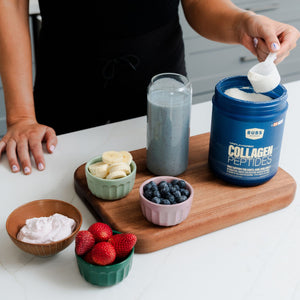
Add to Beverages: Collagen peptides can easily be mixed into your morning coffee, smoothies, or protein shakes. They are flavorless and dissolve well, making them a convenient addition to your favorite beverages.
-
Use in Cooking: You can also incorporate collagen peptides into soups, stews, or baking. They add a nutritional boost without altering the taste or texture of your meals.
-
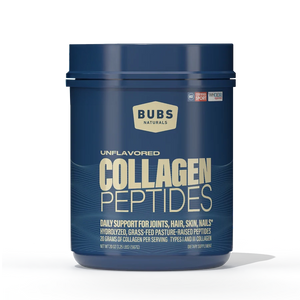
Choose Quality Products: At BUBS Naturals, we prioritize clean, high-quality ingredients. Our Collagen Peptides are sourced from grass-fed, pasture-raised cattle and rigorously tested for purity and efficacy.
Are There Any Side Effects?
Collagen peptides are generally considered safe for most people. However, some potential side effects may include:
-
Digestive Issues: Some individuals may experience mild digestive discomfort, such as bloating or heartburn, when taking collagen supplements.
-
Allergies: Since collagen supplements can be sourced from fish, shellfish, or bovine sources, those with specific allergies should choose their products carefully.
As with any supplement, we recommend consulting with a healthcare professional before adding collagen peptides to your regimen, especially if you have existing health conditions or concerns.
Conclusion
So, is peptide collagen good for you? The potential benefits of collagen peptides—ranging from improved skin elasticity to enhanced joint health—suggest that they can be a valuable addition to a wellness routine. While more research is needed to fully understand the extent of these benefits, many people have reported positive outcomes from incorporating collagen peptides into their diets.
At BUBS Naturals, we believe in the power of clean, functional nutrition to support active lifestyles and promote overall wellness. Our commitment to quality and our mission to give back to veteran-focused charities through our 10% Rule underline everything we do. Explore our Collagen Peptides and feel the difference for yourself.
FAQ
1. How long does it take to see results from collagen peptides?
Results can vary, but many individuals report noticeable improvements in skin elasticity and joint pain relief after eight weeks of consistent use.
2. Can I get collagen from food instead of supplements?
Yes! Foods rich in collagen, such as bone broth, chicken skin, and certain fish, can contribute to your body’s collagen levels. However, supplements may provide a more concentrated source.
3. Are collagen peptides suitable for vegetarians or vegans?
Most collagen peptides are derived from animal sources. If you follow a vegetarian or vegan diet, look for plant-based alternatives that promote collagen synthesis, such as vitamin C-rich foods.
4. Should I take collagen peptides if I have allergies?
If you have food allergies, particularly to fish or shellfish, it’s essential to choose collagen products carefully and consult with a healthcare professional.
5. How do I know if a collagen supplement is of high quality?
Look for products that are third-party tested for purity, like those certified by NSF for Sport, and choose brands that prioritize clean, simple ingredients without unnecessary additives.