Table of Contents
- Introduction
- Understanding Electrolytes: The Body's Electrical Network
- The Delicate Balance: What Exactly is an Imbalance?
- Primary Triggers: Lifestyle Factors & Environmental Stressors
- Unpacking the Root Causes: Medical Conditions & Medications
- Recognizing the Signals: Symptoms of Electrolyte Imbalance
- The Path to Balance: Supporting Your Body's Needs
- Our Commitment to Your Wellness Journey
- Conclusion
- FAQ
Introduction
Imagine your body as a finely tuned machine, reliant on a constant flow of electrical signals to power everything from your beating heart to the smallest muscle twitch. What if those signals faltered, or even stopped? This intricate electrical system runs on electrolytes – essential minerals like sodium, potassium, calcium, and magnesium that carry an electric charge when dissolved in our body fluids. They are the unsung heroes maintaining hydration, regulating nerve and muscle function, and keeping our pH balance just right. However, our modern lives, environmental factors, and even underlying health conditions can disrupt this delicate equilibrium, leading to an electrolyte imbalance.
In the pursuit of adventure, wellness, and purpose that defines us at BUBS Naturals, understanding these fundamental processes is key to supporting your overall health and performance. This article will delve into the critical roles electrolytes play in your body, explore the myriad factors that can tip their balance, illuminate the signs to watch for, and provide actionable strategies for supporting healthy electrolyte levels. Our goal is to empower you with the knowledge to maintain your body’s vital electrical network, helping you feel your best as you tackle life's adventures.
Understanding Electrolytes: The Body's Electrical Network
Electrolytes are far more than just buzzwords on a sports drink label; they are fundamental to virtually every physiological process in your body. These charged particles, primarily found in your blood, urine, and other body fluids, act as crucial messengers, facilitating electrical impulses that govern nerve communication, muscle contractions, and fluid regulation. Without them, your body's intricate systems would simply cease to function correctly.
At their core, electrolytes are minerals that have gained or lost electrons, allowing them to conduct electricity when dissolved in water. This electrical conductivity is what makes them indispensable for cellular function. They help to:
-
Balance water: Electrolytes control the movement of water between your cells and the extracellular fluid, ensuring proper hydration at a cellular level.
-
Regulate pH: They play a vital role in maintaining the body's acid-base balance, a narrow range essential for enzyme function and overall health.
-
Support nerve function: Nerve impulses are essentially electrical signals, and electrolytes like sodium and potassium are critical for their generation and transmission.
-
Enable muscle contraction: From the voluntary movement of your limbs to the involuntary beat of your heart, muscle contractions rely on the precise interplay of electrolytes.
-
Aid in tissue repair: These minerals contribute to cellular processes that help repair damaged tissues and maintain cellular integrity.
The Key Players: A Closer Look at Essential Electrolytes
While many minerals contribute to the body's electrical network, several stand out as primary electrolytes with distinct, critical roles:
-
Sodium (Na+): The primary electrolyte in the fluid outside your cells (extracellular fluid), sodium is crucial for maintaining fluid balance, blood pressure, and nerve signal transmission. It works closely with potassium to regulate the "sodium-potassium pump" that drives cellular activity.
-
Potassium (K+): Predominantly found inside your cells (intracellular fluid), potassium is vital for proper heart function, muscle contractions, and nerve impulses. It also supports nutrient transport into cells and waste removal.
-
Chloride (Cl-): This anion works alongside sodium to maintain fluid balance, blood pressure, and pH levels. It’s also a key component of digestive fluids.
-
Calcium (Ca2+): Best known for its role in bone health, calcium is also essential for muscle contraction, nerve signaling, blood clotting, and hormone secretion. Its levels are tightly regulated by hormones like parathyroid hormone and calcitonin.
-
Magnesium (Mg2+): Involved in over 300 enzymatic reactions, magnesium is critical for nerve and muscle function, blood glucose control, blood pressure regulation, and the synthesis of protein, bone, and DNA. It plays a significant role in muscle relaxation.
-
Phosphate (PO4^3-): Working hand-in-hand with calcium, phosphate helps build strong bones and teeth. It is also a fundamental component of ATP (adenosine triphosphate), your body's primary energy currency, and various metabolic pathways.
-
Bicarbonate (HCO3-): Though not typically replaced through diet like other electrolytes, bicarbonate is vital for maintaining the body's acid-base (pH) balance, acting as a powerful buffer.
A disruption in any of these electrolytes can have a cascading effect throughout your system, leading to noticeable symptoms and, if severe, significant health complications. Our bodies strive for balance, but numerous factors can challenge this equilibrium, making it crucial for us to understand these challenges and how to address them.
The Delicate Balance: What Exactly is an Imbalance?
An electrolyte imbalance occurs when the levels of one or more of these vital minerals in your body become either too high (hyper-) or too low (hypo-). This disruption can throw your body's systems into disarray, as each electrolyte plays a precise role that cannot be easily compensated for by another. Even slight fluctuations can impact your overall wellness, and significant imbalances can become life-threatening.
Think of it like an orchestra where each instrument must play its part perfectly for harmony. If one instrument is too loud or too soft, the entire performance suffers. Similarly, when electrolytes are out of balance, the body's "symphony" of functions—from nerve impulses to muscle contractions—can become dissonant.
The most common types of electrolyte imbalances are named after the specific mineral involved, combined with a prefix indicating excess or deficiency:
-
Sodium:
-
Hyponatremia: Too little sodium in the blood.
-
Hypernatremia: Too much sodium in the blood.
-
Potassium:
-
Hypokalemia: Too little potassium in the blood.
-
Hyperkalemia: Too much potassium in the blood.
-
Calcium:
-
Hypocalcemia: Too little calcium in the blood.
-
Hypercalcemia: Too much calcium in the blood.
-
Magnesium:
-
Hypomagnesemia: Too little magnesium in the blood.
-
Hypermagnesemia: Too much magnesium in the blood.
-
Chloride:
-
Hypochloremia: Too little chloride in the blood.
-
Hyperchloremia: Too much chloride in the blood.
-
Phosphate:
-
Hypophosphatemia: Too little phosphate in the blood.
-
Hyperphosphatemia: Too much phosphate in the blood.
The body has sophisticated mechanisms, primarily involving the kidneys, to regulate electrolyte levels. However, these mechanisms can be overwhelmed or compromised by various internal and external factors. Understanding these triggers is the first step toward proactive wellness and maintaining the optimal balance for your body to thrive.
Primary Triggers: Lifestyle Factors & Environmental Stressors
Our daily habits and the environments we navigate are often the first line of influence on our electrolyte balance. While the body is remarkably resilient, sustained stress or neglect can lead to imbalances that impact how we feel and perform.
Dehydration: More Than Just Thirst
One of the most common and often overlooked causes of electrolyte imbalance is dehydration. It's not just about feeling thirsty; dehydration occurs when you lose more fluid than you take in, disrupting the delicate concentration of electrolytes in your blood. This can happen through several common pathways:
-
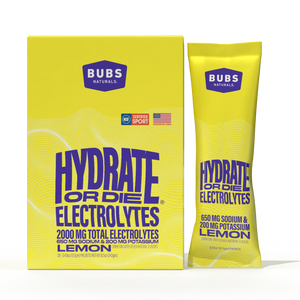
Excessive Sweating: Whether from intense exercise, strenuous physical labor, or simply spending time in hot and humid environments, sweating is your body's natural cooling mechanism. However, sweat isn't just water; it also contains significant amounts of electrolytes, particularly sodium and chloride. Prolonged or heavy sweating without adequate replenishment can lead to deficiencies. For instance, a long trail run or a full day of mountaineering on a hot day can rapidly deplete these vital minerals, impacting performance and recovery. This is why we created our Hydration Collection – to help adventurers like you support optimal fluid balance. Products like our Hydrate or Die – Lemon and Hydrate or Die – Mixed Berry are designed to offer fast, effective support for hydration and muscle function, without added sugar.
-
Vomiting and Diarrhea: These acute conditions can cause rapid and significant losses of both fluids and electrolytes. Vomiting often leads to a loss of stomach acid and chloride, while diarrhea results in substantial losses of sodium, potassium, and bicarbonate. These fluid losses can quickly escalate into dehydration and electrolyte disruption, especially in vulnerable populations.
-
Insufficient Fluid Intake: Simply not drinking enough water throughout the day can gradually lead to dehydration. Many people underestimate their daily fluid needs, especially those with busy lifestyles or those who spend a lot of time indoors in air-conditioned environments where the signs of dehydration might be less obvious.
Overhydration: A Less Obvious Culprit
While less common than dehydration, drinking too much water without sufficient electrolyte intake can also lead to an imbalance, most notably hyponatremia (low sodium). This occurs when excessive fluid dilutes the concentration of sodium in your blood, throwing off cellular function. Endurance athletes, for example, sometimes mistakenly over-consume plain water during long events, leading to a dangerous dilution of their sodium levels. This highlights the importance of not just drinking water, but hydrating smart – with fluids that help maintain electrolyte balance. Our Hydration Collection offers a convenient way to support electrolyte replenishment, ensuring you get what your body needs without unnecessary sugars or artificial ingredients.
Dietary Habits and Malnutrition
Your diet is your primary source of electrolytes. A diet lacking in nutrient-dense whole foods can lead to chronic low levels of essential minerals. Conversely, a diet high in processed foods, often laden with excess sodium but deficient in other vital electrolytes like potassium and magnesium, can create an imbalance. Malnutrition, whether due to restricted diets, poverty, or certain medical conditions, can severely deplete electrolyte stores, impacting overall health and vitality. To truly support balance, focusing on a diverse range of fresh fruits, vegetables, lean proteins, and whole grains is crucial.
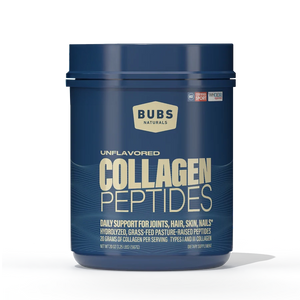
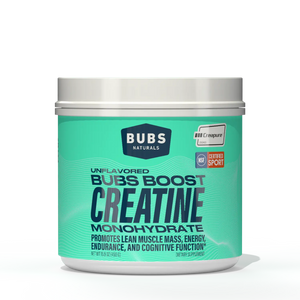
For those active individuals who demand more from their bodies, or simply those looking to fill nutritional gaps, supplementing a balanced diet can be beneficial. Alongside targeted hydration support, incorporating other foundational supplements can enhance overall wellness. For instance, our Collagen Peptides can support connective tissues and aid recovery, while Creatine Monohydrate is excellent for strength and performance, especially when paired with smart hydration.
By understanding how lifestyle and environmental factors impact electrolyte levels, we can make more informed choices about our hydration and nutrition, paving the way for sustained energy and wellness.
Unpacking the Root Causes: Medical Conditions & Medications
While lifestyle factors are significant, some of the most profound and persistent electrolyte imbalances stem from underlying medical conditions or the medications used to treat them. These causes often require a more complex approach to management, highlighting the interconnectedness of our body's systems.
Kidney Disorders: The Body's Electrolyte Regulators
The kidneys are the unsung heroes of electrolyte balance. They act as sophisticated filters, regulating the amount of water and electrolytes reabsorbed into the bloodstream or excreted in urine. When kidney function is impaired, this delicate filtration system breaks down, leading to a buildup or excessive loss of electrolytes.
-
Kidney Disease (Chronic or Acute): Conditions like chronic kidney disease (CKD) or acute kidney injury can severely compromise the kidneys' ability to maintain balance. For instance, compromised kidneys may struggle to excrete excess potassium, leading to hyperkalemia, or conversely, fail to reabsorb enough sodium, contributing to hyponatremia. The severity of the kidney dysfunction often dictates the complexity and risk of electrolyte disturbances.
-
Diabetes and High Blood Pressure: While not directly kidney diseases, these chronic conditions can damage the kidneys over time, increasing the risk of electrolyte imbalances. Uncontrolled diabetes, for example, can lead to conditions like diabetic ketoacidosis, which profoundly affects acid-base balance and can cause severe electrolyte derangements. Certain medications for high blood pressure, such as diuretics, also directly impact electrolyte levels.
Heart, Liver, Thyroid, and Adrenal Gland Problems
The body's endocrine and major organ systems are deeply intertwined with electrolyte regulation. Dysfunction in one area can ripple across to impact mineral balance:
-
Heart Failure: In heart failure, the heart's pumping efficiency is reduced, leading to fluid retention. Medications commonly used to manage heart failure, particularly diuretics, can cause significant electrolyte losses, especially potassium and sodium.
-
Liver Disease (e.g., Cirrhosis): Severe liver disease can alter fluid regulation and hormone levels, often leading to fluid overload and dilutional hyponatremia, where sodium levels appear low due to excess water.
-
Thyroid Problems (e.g., Hypothyroidism): An underactive thyroid can affect metabolic rate and water excretion, sometimes contributing to hyponatremia.
-
Adrenal Gland Problems (e.g., Addison's Disease, Cushing's Syndrome): The adrenal glands produce hormones like aldosterone, which directly regulate sodium and potassium balance. Dysfunction, such as in Addison's disease (low aldosterone), can lead to low sodium and high potassium, while Cushing's syndrome (excess cortisol, which has mineralocorticoid effects) can cause low potassium.
Eating Disorders and Malabsorption Issues
Conditions that severely impact nutrient intake or absorption can lead to profound electrolyte deficiencies:
-
Eating Disorders (e.g., Anorexia Nervosa, Bulimia Nervosa): Prolonged fasting, restrictive eating, purging behaviors (vomiting, laxative abuse), and diuretic misuse in eating disorders can result in drastic and dangerous drops in sodium, potassium, and magnesium, posing severe risks to heart function.
-
Gastrointestinal Malabsorption: Conditions like Crohn's disease, celiac disease, or short bowel syndrome can impair the body's ability to absorb essential electrolytes from food, leading to chronic deficiencies despite adequate dietary intake. Severe or prolonged diarrhea, as discussed earlier, also falls into this category of gastrointestinal fluid and electrolyte loss.
Severe Trauma, Sepsis, and Cancer
Acute, severe bodily stress or disease can also drastically affect electrolyte homeostasis:
-
Severe Trauma (e.g., Burns, Major Surgery): Significant burns cause massive fluid and electrolyte shifts, while extensive surgery can lead to fluid imbalances and electrolyte derangements due to blood loss, fluid resuscitation, and stress responses.
-
Sepsis: This life-threatening response to infection can cause widespread inflammation and organ dysfunction, leading to complex electrolyte abnormalities, including hyponatremia, hyperkalemia, and hypocalcemia.
-
Cancers and Chemotherapy: Electrolyte disorders are common in people with cancer, both from the disease itself (e.g., tumor lysis syndrome causing hyperkalemia and hyperphosphatemia) and from chemotherapy treatments, which can damage kidneys or cause severe gastrointestinal side effects.
The Role of Medications
Many commonly prescribed medications, while essential for treating various health conditions, can inadvertently disrupt electrolyte balance:
-
Diuretics ("Water Pills"): Used to treat high blood pressure, heart failure, and edema, diuretics increase urine output. While effective, they can lead to excessive loss of sodium and potassium, causing hyponatremia and hypokalemia.
-
ACE Inhibitors and Angiotensin Receptor Blockers (ARBs): These blood pressure medications can increase potassium levels, leading to hyperkalemia, especially in individuals with compromised kidney function.
-
Certain Antibiotics: Some antibiotics can affect kidney function or cause severe diarrhea, leading to electrolyte disturbances.
-
Corticosteroids: Long-term use of corticosteroids can lead to sodium retention and potassium loss.
-
Laxatives: Chronic or excessive use of laxatives can cause significant fluid and electrolyte loss, particularly potassium and magnesium.
-
Proton Pump Inhibitors (PPIs): Long-term use of these stomach acid reducers has been associated with hypomagnesemia.
-
Supplements: While generally beneficial, excessive intake of certain mineral supplements, like potassium or calcium, without proper guidance can lead to imbalances.
Understanding these medical and pharmacological causes underscores the importance of a comprehensive approach to health. Regular check-ups and open communication with healthcare providers are essential, particularly for individuals managing chronic conditions or taking multiple medications. For everyone, maintaining foundational wellness through smart hydration and a nutrient-rich diet remains a powerful strategy to support the body's natural resilience. Our commitment to clean, science-backed supplements ensures that you have access to trusted options to support your body's complex needs as part of a balanced lifestyle.
Recognizing the Signals: Symptoms of Electrolyte Imbalance
The symptoms of an electrolyte imbalance can vary widely depending on which electrolyte is out of balance, whether its levels are too high or too low, and the severity of the disruption. Some mild imbalances might cause no noticeable symptoms at all, while severe imbalances can rapidly become life-threatening. Learning to recognize these signals early can be crucial for addressing the issue promptly.
Subtle Nudges: Mild to Moderate Symptoms
In the initial stages, or with less severe imbalances, symptoms might be vague and easily mistaken for general fatigue or stress. These can include:
-
Fatigue or Lethargy: Feeling unusually tired, sluggish, or lacking energy, even after adequate rest.
-
Headaches: Persistent or recurrent headaches can sometimes be a sign of fluid and electrolyte shifts, particularly related to sodium levels.
-
Muscle Cramps, Spasms, or Weakness: This is a classic indicator, especially for low potassium (hypokalemia) or low magnesium (hypomagnesemia). You might experience involuntary twitching, muscle aches, or a general feeling of weakness in your limbs.
-
Numbness or Tingling (Paresthesias): A "pins and needles" sensation in your extremities can signal issues with calcium, potassium, or magnesium, as these minerals are critical for nerve conduction.
-
Nausea and Vomiting: While vomiting can cause electrolyte loss, it can also be a symptom of an imbalance, particularly hyponatremia or hypokalemia, which can affect gastrointestinal motility.
-
Dizziness or Lightheadedness: Often linked to changes in fluid balance and blood pressure, this can occur with dehydration and electrolyte imbalances, especially low sodium.
-
Irritability or Moodiness: Fluctuations in electrolytes can impact brain function, leading to subtle changes in mood or an increased sense of irritability.
Consider a scenario where you've been pushing hard during a workout, perhaps a long hike or an intense cardio session. If you haven't been replenishing adequately, you might start feeling muscle cramps, lightheadedness, and unusual fatigue. These are your body's signals that your electrolyte reserves are running low. This is where products like our Hydrate or Die – Bundle, available in refreshing Lemon and Mixed Berry flavors, come into play to support your body's hydration needs efficiently.
Urgent Alarms: Severe Symptoms
When electrolyte imbalances become severe, they can escalate rapidly and affect critical organ systems, necessitating immediate medical attention. These serious symptoms include:
-
Confusion, Disorientation, or Brain Fog: Particularly with severe hyponatremia (very low sodium), brain cells can swell, leading to significant neurological symptoms like confusion, difficulty concentrating, or even delirium.
-
Seizures: A serious neurological consequence of severe electrolyte imbalances, especially extreme hyponatremia or hypernatremia, which profoundly affect brain activity.
-
Irregular Heartbeat (Arrhythmias): Electrolytes like potassium, calcium, and magnesium are vital for the electrical rhythm of the heart. Severe imbalances can cause palpitations, an abnormally fast or slow heart rate, or life-threatening arrhythmias, including cardiac arrest.
-
Severe Nausea and Vomiting: Persistent and severe gastrointestinal upset can be a sign that the imbalance is significantly impacting multiple bodily functions.
-
Swelling (Edema): Fluid retention and swelling, especially in the extremities, can occur with certain electrolyte imbalances and organ dysfunction (e.g., heart or kidney failure).
-
Coma: In the most extreme and untreated cases, severe electrolyte disturbances can lead to a loss of consciousness and coma.
If you or someone you know experiences any of these severe symptoms, it's critical to seek emergency medical care without delay. While understanding the causes and preventative measures is empowering, knowing when to get professional help is paramount. For mild symptoms that persist or concern you, consulting with a healthcare provider for an electrolyte panel is a wise step to assess your body's balance and determine the best course of action. Supporting your body with clean, functional supplements, like those offered in our Boosts Collection, which includes Vitamin C for antioxidant support or Apple Cider Vinegar Gummies for digestive wellness, can contribute to overall resilience, but it's important to listen to your body and seek medical advice when needed.
The Path to Balance: Supporting Your Body's Needs
Maintaining electrolyte balance is a cornerstone of overall wellness and optimal performance. While severe imbalances require medical intervention, there are many proactive steps we can take to support our body's natural equilibrium daily. It’s about building sustainable habits that align with a life of adventure and purpose, fueled by clean, functional nutrition.
Hydrate Smart: Beyond Just Water
The quality and type of fluids you consume are just as important as the quantity. Plain water is essential, but during periods of increased fluid loss (heavy sweating, intense activity, illness), your body needs more than just H2O; it needs balanced electrolytes.
-
Choose Electrolyte-Rich Beverages: Instead of sugary sports drinks or overly processed beverages that can further dehydrate or upset your balance, opt for clean, performance-focused electrolyte solutions. Coconut water is a natural option, or consider expertly formulated powders. Our Hydration Collection, featuring Hydrate or Die – Lemon and Hydrate or Die – Mixed Berry, is specifically designed with no added sugar to support fast, effective hydration and muscle function. It’s perfect for post-workout recovery, long days outdoors, or whenever your body needs a clean, efficient rebalance.
-
Listen to Your Body: Thirst is a primary indicator, but in active individuals or older adults, it can be a lagging signal. Pay attention to other cues like fatigue, muscle twitches, or concentrated urine. For extended activities, plan your hydration strategy in advance.
Embrace a Nutrient-Dense Diet
Your plate is a powerful tool for maintaining electrolyte balance. Prioritizing whole, unprocessed foods ensures a steady supply of essential minerals.
-
Potassium Powerhouses: Load up on foods like bananas, avocados, spinach, sweet potatoes, lentils, and beans. These are excellent for supporting muscle and heart function.
-
Magnesium Marvels: Include pumpkin seeds, chia seeds, almonds, cashews, dark leafy greens, and dark chocolate in your diet. Magnesium is crucial for nerve function and muscle relaxation.
-
Calcium Sources: Dairy products, fortified plant milks, leafy greens (collard greens, kale), and sardines are great sources to support bone health and muscle contraction.
-
Balanced Sodium and Chloride: While excess processed sodium is detrimental, adequate, natural sodium is vital. Focus on whole foods and use high-quality sea salt in moderation. Seaweed, tomatoes, and celery can also provide natural chloride.
For those with active lifestyles, our products are designed to complement a nutrient-rich diet. For instance, Collagen Peptides can support connective tissue, which is essential for joint health during strenuous activities, and can be easily added to your favorite smoothie or coffee. Speaking of coffee, consider adding our MCT Oil Creamer – 10 oz Tub to your morning ritual for sustained energy and mental clarity to power your day’s adventures.
Mindful Consumption: What to Limit or Avoid
Some beverages and dietary choices can inadvertently contribute to electrolyte imbalances:
-
Excessively Sugary Drinks: High sugar content can paradoxically lead to fluid loss and exacerbate imbalances.
-
Excessive Alcohol: Alcohol acts as a diuretic, increasing fluid and electrolyte excretion, leading to dehydration.
-
Excessive Caffeine: While moderate caffeine intake is generally fine, very high amounts can also have a diuretic effect.
-
Highly Processed Foods: These often contain excessive sodium, unhealthy fats, and artificial ingredients while being low in other vital minerals, creating an imbalanced nutritional profile.
The Role of Smart Supplementation
While a balanced diet is foundational, high-quality, science-backed supplements can play a crucial role in supporting electrolyte balance and general wellness, especially for those with active lifestyles or specific dietary needs. Our commitment at BUBS Naturals is to provide clean, functional ingredients that seamlessly integrate into your routine.
-
Targeted Hydration: As mentioned, our Hydration Collection is a straightforward way to support your body with essential electrolytes, helping you maintain energy and focus during and after physical exertion. Whether you choose the refreshing Hydrate or Die – Lemon or the vibrant Hydrate or Die – Mixed Berry, you’re choosing a product rigorously tested and certified by third parties like NSF for Sport, ensuring what’s on the label is what’s in the product.
-
Overall Wellness Support: Beyond electrolytes, consider foundational supplements that support your body's systems. Collagen Peptides can support joints and skin health, which are vital for an active lifestyle, while Creatine Monohydrate supports strength and power, making it a great addition for those looking to maximize their training performance.
When to Seek Professional Guidance
While lifestyle adjustments can significantly help, it’s vital to know when to consult a healthcare professional. If you experience persistent or severe symptoms of electrolyte imbalance, or if you have underlying medical conditions or are on medications known to affect electrolytes, seeking medical advice is essential. A doctor can perform diagnostic tests, such as an electrolyte panel, to accurately assess your levels and provide appropriate treatment plans. Our approach at BUBS Naturals is about empowering you to make informed decisions for your health journey, and that includes knowing when to consult experts.
By proactively managing your hydration, nourishing your body with a diverse diet, making mindful lifestyle choices, and thoughtfully integrating high-quality supplements, you can significantly support your body's ability to maintain optimal electrolyte balance, allowing you to live a life full of adventure and purpose.
Our Commitment to Your Wellness Journey
At BUBS Naturals, our journey began with a commitment to living a life of adventure, wellness, and purpose, inspired by the enduring legacy of Glen “BUB” Doherty. It’s this spirit that drives our dedication to providing clean, functional, and science-backed supplements designed to support your active lifestyle. We believe in a no-BS approach: only simple, effective ingredients that deliver tangible results, rigorously tested and certified by third parties like NSF for Sport to ensure purity and quality.
Understanding what can cause electrolyte imbalance and how to support your body's natural balance is central to achieving your wellness goals. Whether you’re scaling mountains, hitting the gym, or simply navigating the demands of daily life, optimal hydration and nutrition are non-negotiable. That’s why we’re so proud of our Hydration Collection, crafted to help you replenish essential minerals efficiently and effectively. Whether you prefer the crisp taste of Hydrate or Die – Lemon or the refreshing burst of Hydrate or Die – Mixed Berry, our electrolytes are designed to mix effortlessly, supporting your body’s functions when you need it most.
Our commitment extends beyond your personal wellness. In honor of Glen “BUB” Doherty’s service and spirit, we proudly uphold our 10% Rule, donating 10% of all profits to veteran-focused charities. When you choose BUBS Naturals, you're not just investing in your health; you're contributing to a larger purpose, supporting those who have served our nation. We're here to support your journey, every step of the way, with products you can trust and a mission you can believe in.
Conclusion
Electrolytes are the unseen forces powering our bodies, essential for everything from nerve signals and muscle contractions to maintaining fluid balance and pH levels. Understanding what can cause electrolyte imbalance—whether it's common lifestyle factors like dehydration and intense physical activity, or more complex issues such as chronic medical conditions and certain medications—empowers us to be proactive stewards of our own health. Recognizing the varied symptoms, from subtle fatigue to more severe neurological or cardiac issues, is crucial for timely action.
By focusing on smart hydration, prioritizing a nutrient-rich whole foods diet, and being mindful of substances that can disrupt balance, we can significantly support our body's intricate electrical system. For those who demand more from their bodies, or simply seek to bridge nutritional gaps, incorporating clean, science-backed supplements can be a vital component of a comprehensive wellness strategy.
Our commitment at BUBS Naturals is to provide you with the purest, most effective tools to support your adventures. When your body's balance is maintained, you have the energy, focus, and resilience to live life to its fullest. Don't let an imbalance hold you back from your next great adventure. Explore our Hydration Collection today and feel the BUBS difference in your daily wellness journey.
FAQ
What are the most common causes of electrolyte imbalance?
The most common causes of electrolyte imbalance often stem from excessive fluid loss, such as heavy sweating during exercise or in hot weather, severe vomiting, or prolonged diarrhea. Simply not drinking enough fluids can also lead to dehydration and subsequent imbalances. Beyond these acute factors, underlying medical conditions like kidney disease, heart failure, diabetes, and certain medications (e.g., diuretics) can also significantly disrupt electrolyte levels by affecting the body's ability to regulate these vital minerals.
Can drinking too much water cause an electrolyte imbalance?
Yes, paradoxically, drinking too much plain water without adequate electrolyte intake can cause an electrolyte imbalance, most notably hyponatremia (low sodium). This occurs because the excessive fluid dilutes the concentration of sodium in your blood, leading to a potentially dangerous state where cells can swell. This is why "smart hydration" is so important, especially for active individuals or during extended periods of physical exertion. Products from our Hydration Collection, like Hydrate or Die – Mixed Berry, are designed to replenish fluids and essential electrolytes in the right balance.
What are some common symptoms of an electrolyte imbalance?
Symptoms of an electrolyte imbalance can range from mild to severe, depending on the specific mineral affected and the degree of imbalance. Common mild to moderate symptoms include fatigue, headaches, muscle cramps or weakness, numbness or tingling, and mild dizziness. More severe symptoms, which warrant immediate medical attention, can include confusion, irregular heartbeat, seizures, persistent nausea and vomiting, and significant changes in mental status. If you suspect a severe imbalance, always seek professional medical care.
How can I proactively support healthy electrolyte levels through diet and supplements?
To support healthy electrolyte levels, prioritize a diet rich in whole, unprocessed foods. Include plenty of fruits (like bananas for potassium), vegetables (such as spinach for magnesium), and lean proteins. Limit sugary drinks, excessive alcohol, and highly processed foods, which can contribute to imbalances. For an active lifestyle or when experiencing increased fluid loss, consider incorporating a clean, functional electrolyte supplement. Our Hydrate or Die – Lemon is an excellent choice, providing performance-focused electrolytes with no added sugar to support optimal hydration and muscle function. Additionally, other foundational supplements like Collagen Peptides and Creatine Monohydrate can support overall wellness and an active lifestyle.