Table of Contents
- Introduction
- What Exactly Are Electrolytes? The Body's Electrical Conductors
- The Seven Pillars: Key Electrolytes and Their Roles
- The Delicate Balance: How Electrolytes Keep You Functioning
- When Balance is Lost: Understanding Electrolyte Imbalances
- Replenishing Electrolytes: Sources and Strategies
- Our Commitment to Wellness and Adventure
- Conclusion: Empower Your Body, Embrace Your Adventure
- FAQ
Introduction
A sudden muscle cramp during a hike, that lingering post-workout fatigue, or the fuzzy feeling after a long day in the sun – these aren't just minor inconveniences. They could be your body signaling a fundamental need for balance. Electrolytes are more than just buzzwords on a sports drink label; they are electrically charged minerals vital for nearly every function within us. From the subtle pulse of a nerve signal to the powerful contraction of a muscle, from maintaining the intricate balance of fluids to regulating our heart rhythm, electrolytes are the unsung heroes of our internal chemistry. In this comprehensive guide, we'll dive deep into what is the importance of electrolytes in the body, exploring their multifaceted roles, the profound impact of imbalances, and practical strategies for maintaining optimal levels. Understanding and supporting proper electrolyte balance is not just for elite athletes; it is a cornerstone of peak physical performance, mental clarity, and overall well-being, especially for those who embrace an active, adventurous lifestyle.
What Exactly Are Electrolytes? The Body's Electrical Conductors
At its most fundamental level, life within us relies on electrical impulses. Our bodies are incredibly sophisticated bio-electrical systems, and the conductors of this internal network are electrolytes. When we refer to electrolytes, we're talking about essential minerals that, when dissolved in body fluids like blood, sweat, and urine, acquire a natural positive or negative electrical charge. Think of them as tiny batteries within our cells and fluids, ready to spark crucial reactions.
This electrical charge allows these minerals to perform a myriad of tasks. In essence, they act as tiny, charged particles called ions. Positive ions are known as cations, and negative ions are called anions. Much like how salt dissolves in water to create a solution that conducts electricity, these ions in our bodily fluids enable electrical currents to flow, facilitating communication and function across billions of cells. Since an adult's body is approximately 60% water, nearly every fluid and cell within us relies on this electrolyte activity.
The key principle is that these specific chemical elements naturally hold a charge, and when they separate in a liquid, that liquid gains the ability to conduct electricity. It's how our nerves transmit signals, our muscles contract, and our hearts beat. Without this constant electrical communication, orchestrated by electrolytes, our bodies would simply cease to function. Ultimately, electrolytes help regulate countless chemical reactions and, critically, maintain the delicate balance between fluids both inside and outside our cells, underpinning our very existence.
The Seven Pillars: Key Electrolytes and Their Roles
Our bodies rely on a precise orchestra of several key electrolytes, each playing a distinct yet interconnected role in maintaining harmony and function. Understanding these individual contributions is vital to appreciating their overall importance.
Sodium: The Fluid Regulator
Sodium, a positively charged cation, holds the distinction of being the most abundant electrolyte ion found in the body, primarily in the extracellular fluid. Its critical role lies in helping our cells maintain the right balance of fluid, influencing whether water moves into or out of cells. Beyond hydration, sodium is integral to how cells absorb nutrients and is a key player in the transmission of nerve signals and the contraction of muscles.
When sodium levels are out of balance, the consequences can be significant. Too much sodium, a condition known as hypernatremia, can lead to confusion, changes in behavior, unusually strong reflexes, and even seizures or coma in severe cases. Conversely, too little sodium, or hyponatremia, can manifest as confusion, irritability, weakened reflexes, nausea, vomiting, and, like hypernatremia, can escalate to seizures and coma if not addressed. Maintaining optimal sodium levels is crucial for cellular communication and fluid homeostasis.
Potassium: The Heart's Rhythm Keeper
Potassium is primarily an intracellular ion, meaning it's found predominantly inside our cells. It works in conjunction with sodium through the famous sodium-potassium ATPase pump, a mechanism that actively moves sodium out of cells and potassium into them, creating the electrochemical gradients necessary for life. Potassium is especially critical to our heart function, where too much or too little can lead to serious cardiac problems, including irregular heart rhythms (arrhythmias). It also supports normal nerve and muscle function.
An excess of potassium, or hyperkalemia, can cause muscle weakness, inability to move muscles, confusion, and dangerous heart arrhythmias. On the other hand, hypokalemia, or insufficient potassium, can result in muscle weakness and cramps, unusual thirst, frequent urination, and dizziness. At severe levels, hypokalemia can even lead to rhabdomyolysis – the breakdown of muscle tissue, which can severely damage the kidneys – and life-threatening heart arrhythmias. Its role in cardiac and muscle function makes potassium an incredibly vital electrolyte.
Calcium: Beyond Bones and Teeth
While commonly associated with building strong bones and teeth, calcium's physiological roles extend far beyond skeletal health. This essential mineral is pivotal in controlling muscle contractions, transmitting signals in our nerves, managing our heart rhythm, and facilitating blood clotting. Its widespread influence means that imbalances can have systemic effects.
Too much calcium, known as hypercalcemia, can impact various systems. Symptoms might include headaches, fatigue, and confusion (brain), constipation and abdominal pain (digestive tract), frequent urination and kidney stones (kidneys), and even severe arrhythmias (heart). When calcium levels are too low (hypocalcemia), individuals may experience confusion, behavioral changes, unusually strong reflexes, muscle twitching, and spasms, including in the throat muscles, which can impair speech or breathing. Notably, proper calcium absorption relies on sufficient vitamin D.
Magnesium: The Energy and Muscle Maestro
Magnesium is another crucial intracellular cation involved in over 300 enzymatic reactions in the body. It plays a significant role in adenosine triphosphate (ATP) metabolism, the process by which cells convert nutrients into energy. Our brain and muscles heavily rely on magnesium for their proper functioning, supporting muscle relaxation, nerve transmission, and even helping regulate blood sugar levels.
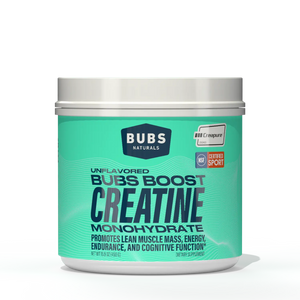
Hypomagnesemia, or too little magnesium, commonly manifests as muscle weakness, twitching, and loss of control, often accompanying calcium and potassium deficiencies. It can also lead to heart arrhythmias. Conversely, hypermagnesemia, or too much magnesium, can cause heart rhythm changes, weakened reflexes, and even decrease the ability to breathe. For those seeking comprehensive wellness support, considering products that aid muscle function and energy, like our Creatine Monohydrate to support strength and power, or perhaps our convenient Apple Cider Vinegar Gummies for daily digestive and general wellness support, can be a valuable part of a balanced routine.
Chloride: The pH Balancer
Chloride, a negatively charged anion, is the second-most abundant ion in the body and works in close tandem with sodium. It plays a key role in maintaining fluid balance inside and outside cells, contributing significantly to healthy blood volume and blood pressure. Additionally, chloride is instrumental in maintaining the body's natural pH balance.
When chloride levels are too high, known as hyperchloremia, it can lead to acidosis – a condition where the blood's acidity is too high, potentially causing nausea, vomiting, fatigue, and confusion. This often occurs in connection with imbalances in potassium. If chloride levels are too low (hypochloremia), the blood can become more alkaline, a state called alkalosis, which can manifest as apathy, confusion, arrhythmias, and muscle twitching. Chloride’s partnership with sodium makes it indispensable for overall bodily equilibrium.
Phosphate: The Cellular Powerhouse
Phosphate, a phosphorous-based molecule, is a key component in countless metabolic pathways. It’s crucial for helping cells metabolize nutrients and is a fundamental part of nucleotides, which are the very building blocks of our DNA. While 85% of total body phosphorus resides in bones and teeth as hydroxyapatite, the remaining 15% in soft tissues is vital for energy production and cell repair.
Hyperphosphatemia, or too much phosphate, typically doesn't cause symptoms until severe, often leading to hypocalcemia as the body tries to balance the minerals. It can also be associated with excessive itching. Hypophosphatemia, on the other hand, usually begins with muscle weakness, progressing to more severe symptoms like rhabdomyolysis (muscle tissue breakdown that can severely damage kidneys), reduced heart function, and difficulty breathing. Phosphate's central role in energy and genetic material underscores its critical nature.
Bicarbonate: The Acid-Base Buffer
Not all the carbon dioxide our body produces is exhaled; some is recycled into bicarbonate. Bicarbonate plays a central role in maintaining our blood's pH levels within a very narrow, healthy range. It acts as a crucial buffer, neutralizing acids and bases to prevent drastic shifts that could be life-threatening.
Too little bicarbonate results in acidosis, where the blood becomes excessively acidic, causing symptoms like fatigue, nausea, vomiting, confusion, and rapid, deep breathing. Conversely, too much bicarbonate leads to alkalosis, making the blood too alkaline, which can present with confusion, apathy, arrhythmias, and muscle twitching. Bicarbonate is fundamental to sustaining the delicate internal environment required for all biological processes.
In summary, these seven electrolytes — sodium, potassium, calcium, magnesium, chloride, phosphate, and bicarbonate — form an intricate network, each performing specialized tasks while collaborating to ensure the seamless functioning of our entire system. A disruption in one can cascade, affecting others and ultimately impacting our overall health and performance.
The Delicate Balance: How Electrolytes Keep You Functioning
Beyond their individual roles, electrolytes work in concert to perform several critical physiological functions, creating a delicate balance that underpins all aspects of our health.
Fluid Regulation and Hydration
One of the most immediate and impactful roles of electrolytes is their influence on fluid balance. Electrolytes have a powerful effect on osmosis, the process by which water moves across cell membranes. They determine where water goes – into cells, out of cells, or into the bloodstream – ensuring proper hydration at a cellular level. Our kidneys are the primary regulators of this intricate dance, constantly filtering blood and adjusting the excretion or reabsorption of water and electrolytes to maintain equilibrium. When fluid levels drop, say due to sweating, the body signals thirst, prompting us to drink and restore balance.
However, simply drinking plain water isn't always enough to effectively rehydrate, especially after significant fluid loss. Water alone can dilute existing electrolytes, potentially worsening an imbalance. This is where targeted electrolyte replenishment becomes crucial. For adventurers, athletes, or anyone pushing their limits, integrating a quality electrolyte supplement is a game-changer. Our Hydration Collection is designed with this in mind, offering performance-focused electrolytes with no added sugar to support fast, effective hydration and robust muscle function. It's about providing your body with what it truly needs to stay in balance.
Nerve and Muscle Function
The very essence of movement and sensation depends on electrolytes. Nerve impulses are essentially electrical signals generated by the rapid movement of sodium and potassium ions across nerve cell membranes. These signals tell our muscles when to contract, from the subtle twitch of an eyelid to the powerful pump of our heart.
An imbalance in key electrolytes like sodium, potassium, or calcium can disrupt these electrical signals, leading to noticeable symptoms. Muscle cramps, weakness, or even involuntary spasms are common indicators that these mineral conductors are not functioning optimally. For instance, a runner experiencing a sudden, debilitating cramp mid-race might be signaling an urgent need for electrolyte replenishment to restore normal muscle firing.
pH Balance
The body maintains an incredibly narrow and precise pH range (around 7.36-7.44) in the blood to function optimally. Even slight deviations from this range can severely impact enzyme activity and cellular processes. Electrolytes, particularly bicarbonate and chloride, act as vital buffers in the blood, helping to neutralize excess acids or bases and keeping pH levels stable. Without these buffers, our internal environment would be far too acidic (acidosis) or alkaline (alkalosis), leading to severe health complications.
Energy and Metabolism
Beyond their direct electrical functions, several electrolytes are integral to the body's energy production and metabolic processes. Magnesium, for instance, is a co-factor in over 300 enzymatic reactions, many of which are directly involved in converting food into energy (ATP). Phosphate is a fundamental component of ATP itself, the primary energy currency of our cells. These minerals ensure that our metabolic machinery runs smoothly, converting nutrients into usable energy and supporting cellular repair and growth.
In essence, the delicate balance of electrolytes ensures that our internal systems – from hydration and movement to energy production and acid-base regulation – operate efficiently and harmoniously. Any disruption can lead to a cascade of effects, highlighting why proactive maintenance is paramount for overall well-being.
When Balance is Lost: Understanding Electrolyte Imbalances
While our bodies are incredibly adept at maintaining internal balance, various factors can disrupt this delicate equilibrium, leading to an electrolyte imbalance. Recognizing the causes and symptoms is the first step towards corrective action and sustained wellness.
Causes of Imbalance
Electrolyte imbalances don't just happen randomly; they typically result from conditions that affect fluid loss or intake, or the body's ability to process these minerals. Common culprits include:
-
Excessive Sweating: This is perhaps the most common cause for active individuals. Intense exercise, prolonged physical labor, or simply spending extended periods in hot, humid climates can lead to significant loss of sodium, chloride, and potassium through sweat.
-
Vomiting and Diarrhea: These conditions cause rapid and substantial loss of both fluids and electrolytes, particularly potassium and sodium, which can quickly lead to dehydration and critical imbalances.
-
Inadequate Water Intake: Not drinking enough fluids, especially during exercise or hot weather, leads to dehydration, which can concentrate electrolytes and throw off their balance.
-
Drinking Too Much Plain Water: Counterintuitively, excessive intake of plain water without sufficient electrolyte replenishment, particularly after heavy sweating, can dilute existing electrolytes, leading to dangerously low levels (e.g., hyponatremia).
-
Certain Medications: Diuretics, commonly prescribed for high blood pressure or fluid retention, can increase the excretion of various electrolytes, especially potassium and sodium. Other medications, like some proton pump inhibitors, can impact magnesium levels.
-
Kidney, Heart, or Liver Problems: These organ systems play crucial roles in regulating fluid and electrolyte balance. Dysfunction in any of them can lead to significant and often complex imbalances.
-
Malnutrition or Poor Diet: A diet lacking in essential minerals can prevent the body from obtaining sufficient electrolytes, slowly leading to deficiencies.
Symptoms of Imbalance
The symptoms of an electrolyte imbalance can range from mild and subtle to severe and life-threatening, often depending on which electrolyte is affected and the degree of the imbalance. Interestingly, some symptoms of too much of an electrolyte can mimic those of too little.
Mild to Moderate Symptoms:
-
Fatigue and Weakness: General tiredness and muscle weakness are common early signs.
-
Dehydration Signs: Dry mouth, increased thirst, dark urine, and infrequent urination.
-
Muscle Issues: Muscle cramps, spasms, twitching, or overall weakness.
-
Headaches: Often a sign of dehydration and subsequent electrolyte shifts.
-
Digestive Upset: Nausea, vomiting, and constipation can be linked to imbalances in calcium or chloride.
-
Cognitive Changes: Difficulty concentrating, apathy, or mild confusion.
Severe Symptoms (Requiring Medical Attention):
-
Irregular Heartbeat (Arrhythmias): Critical imbalances in potassium or calcium can dangerously affect heart rhythm.
-
Dizziness and Confusion: Severe fluid and electrolyte shifts can impact brain function.
-
Numbness and Tingling: Nerve signal disruption.
-
Seizures: Can occur with very low or very high sodium levels.
-
Rhabdomyolysis: Breakdown of muscle tissue, often associated with severe hypokalemia or hypophosphatemia, which can damage kidneys.
The Active Lifestyle Connection
For individuals who embrace an active lifestyle, the risk of electrolyte imbalance is inherently higher due to increased sweat loss. Whether you're a marathon runner, a weekend warrior hitting the trails, or someone who simply enjoys working outdoors, your body's electrolyte needs are amplified. Factors like activity level, age, the climate you're in, and even altitude can determine how much electrolytes your body needs, and these needs can change daily.
Consider a hot summer day spent cycling for hours. Not only are you losing fluids, but with every bead of sweat, you're also expelling vital sodium, chloride, and potassium. Replenishing these is not just about comfort; it's about sustaining performance and protecting your health. This is precisely why we crafted our Hydration Collection – to provide a clean, effective way to replace those crucial minerals and support muscle function, so you can keep pushing your boundaries safely and effectively.
Understanding the signs and causes of electrolyte imbalances empowers us to take proactive steps, ensuring our bodies have the necessary resources to perform at their best, no matter what adventure awaits.
Replenishing Electrolytes: Sources and Strategies
Maintaining optimal electrolyte balance is a daily practice, blending mindful nutrition with smart supplementation when the demands on your body increase.
Dietary Sources (Whole Foods)
For most people engaging in simple day-to-day activities, a healthy, balanced diet is the primary and most effective way to obtain sufficient electrolytes. Nature provides an abundance of these vital minerals in whole foods:
-
Sodium: While often over-consumed from processed foods, natural trace amounts are found in almost all fruits and vegetables. Table salt (sodium chloride) is also a direct source. When choosing our path to wellness, it's wise to focus on whole foods over those with excessive added sodium.
-
Potassium: Bananas are famously rich in potassium, but so are oranges, sweet potatoes, coconut water, leafy greens, tomatoes, dried fruits, melons, and potatoes. These foods not only provide potassium but also offer a host of other beneficial nutrients.
-
Calcium: Beyond dairy products, you can find calcium in fortified plant-based milks, leafy greens like spinach and kale, and tofu. Remember, vitamin D is essential for proper calcium absorption.
-
Magnesium: Often found in foods containing fiber, excellent sources include leafy greens, beans, nuts, seeds, whole grains, and even dark chocolate.
-
Chloride: Table salt (paired with sodium) is a primary source. Other foods like seaweed, tomatoes, and celery also contribute to chloride intake.
-
Phosphate: Abundant in protein-rich foods such as meat, poultry, fish, legumes (like beans, lentils, and peas), milk, and whole grains.
Beyond specific electrolytes, many "juicier" fruits and vegetables like watermelon, strawberries, cantaloupe, cucumbers, and lettuce also contribute significantly to your fluid intake, offering both hydration and naturally occurring electrolytes without added sugars.
The Role of Supplements
While a balanced diet is foundational, there are specific scenarios where electrolyte supplementation becomes not just beneficial, but crucial. If you've been exercising for an extended period (typically over 60-75 minutes), or if you're in a hot and humid climate, or if you simply sweat heavily, your body's needs for electrolyte replenishment escalate beyond what plain water or diet alone can provide. This is especially true for endurance athletes, outdoor enthusiasts, or those recovering from acute illness causing fluid loss.
When considering electrolyte products, it’s important to differentiate between traditional sports drinks and targeted electrolyte supplements. Many conventional sports drinks are laden with added sugars and artificial flavors, which, while providing quick energy for endurance athletes, may not align with a clean wellness approach for everyone.
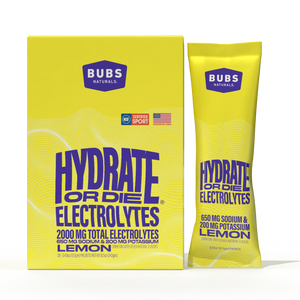
At BUBS Naturals, we take a different approach. Our commitment to a no-BS philosophy means we prioritize clean, functional, and science-backed ingredients. Our Hydrate or Die products, part of our comprehensive Hydration Collection, are crafted to support fast, effective hydration and robust muscle function without the unnecessary added sugars. We believe in providing performance-focused electrolytes that mix effortlessly into your routine, empowering you to maintain peak hydration during your most demanding adventures. Explore our Hydration Collection to see how our clean electrolyte solutions can support your active lifestyle and help you feel the BUBS difference.
Smart Hydration Practices
Optimal hydration goes beyond simply drinking when you're thirsty. Here are some strategies:
-
Listen to Your Body: While thirst is a good indicator, by the time you feel parched, you might already be mildly dehydrated. Pay attention to other signs like fatigue or muscle cramps.
-
Personalize Your Intake: Your hydration and electrolyte needs are unique. Factors like individual sweat rates, activity intensity, duration, and environmental conditions all play a role. Athletes might consider a "sweat test" (weighing themselves before and after exercise) to gauge individual fluid and electrolyte losses.
-
Balance Water and Electrolytes: If you're sweating heavily, don't just chug plain water. Pair it with electrolyte-rich foods or a quality supplement like our Hydrate or Die to avoid diluting your existing electrolyte levels.
By combining a diet rich in whole, natural foods with strategic, clean supplementation when needed, you can effectively replenish your electrolytes and keep your body performing at its best.
Our Commitment to Wellness and Adventure
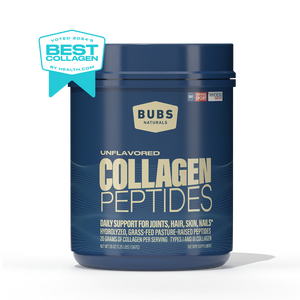
At BUBS Naturals, our journey is deeply rooted in a belief in a life of adventure, wellness, and purpose, inspired by the legacy of Glen "BUB" Doherty. This ethos guides every product we create, from our foundational Collagen Peptides for joint support and recovery to our performance-focused Hydration Collection.
We are steadfast in our commitment to a no-BS approach: only simple, effective ingredients, rigorously tested and certified by third parties like NSF for Sport. We believe you deserve to know exactly what you’re putting into your body, which is why we ensure our supplements are clean, high-quality, and natural. Whether it's the sustained energy support from our Creamers Collection for your morning coffee or the strength and power benefits of our Creatine Monohydrate for your training, our products are designed to seamlessly integrate into and elevate your active lifestyle. They mix effortlessly and function effectively, supporting your body's natural capabilities.
Beyond the products, our mission extends to a broader purpose. We proudly uphold our 10% Rule, a pledge to donate 10% of all profits to veteran-focused charities. This commitment is not just a part of our business model; it’s a reflection of our core values and a way to honor Glen “BUB” Doherty's incredible legacy of service. When you choose BUBS Naturals, you're not just investing in your wellness; you're contributing to a cause that truly matters, embodying the spirit of adventure and giving back that defines us. Our products are crafted to empower your adventures, backed by science and a commitment to purpose.
Conclusion: Empower Your Body, Embrace Your Adventure
As we’ve explored, electrolytes are far more than simple minerals; they are the fundamental electrical conductors that enable virtually every system in your body to function. From regulating essential fluid balance and facilitating crucial nerve signals to powering muscle contractions and maintaining the delicate pH of your blood, these seven pillars—sodium, potassium, calcium, magnesium, chloride, phosphate, and bicarbonate—are indispensable for overall health and vitality. Understanding their individual roles and the profound impact of their collective balance is not just academic; it’s a cornerstone of true wellness, especially for anyone committed to an active, adventurous lifestyle.
Optimal electrolyte balance is what allows you to push your limits, maintain mental clarity, and recover effectively, empowering you to pursue your passions with vigor and resilience. Don't let an imbalance hold you back from conquering your next goal, whether it's a mountain trail or a challenging workout. Fuel your body with the clean, effective support it deserves.
We invite you to experience the difference that thoughtfully formulated, science-backed hydration can make. Explore our Hydration Collection today and feel the BUBS difference in your daily adventures.
FAQ
Q: Who primarily needs electrolyte supplements?
A: While a balanced diet provides sufficient electrolytes for most, individuals engaged in prolonged intense exercise (typically over 60-75 minutes), those living or working in hot/humid climates, experiencing heavy sweating, or recovering from illness (like vomiting or diarrhea) can particularly benefit from electrolyte supplementation. Our Hydration Collection is specifically designed to support these scenarios, helping to replenish lost minerals and maintain optimal balance.
Q: Can I get too many electrolytes?
A: Yes, it's possible. While rare from diet alone, excessive supplementation without proper guidance can lead to an electrolyte imbalance. Symptoms often mirror those of deficiency, including fatigue, nausea, and irregular heartbeat. It’s important to choose products with balanced formulations, like our Hydrate or Die, and to always listen to your body’s cues. Consulting a healthcare provider is always wise if you have underlying health conditions or are unsure about your specific needs.
Q: How do BUBS Naturals products ensure quality and efficacy?
A: We are deeply committed to a no-BS approach, which means we use only clean, high-quality, natural ingredients in all our products. Every item, from our Hydration Collection to our Collagen Peptides, undergoes rigorous testing and is certified by trusted third parties like NSF for Sport. This commitment ensures purity, potency, and safety, providing you with functional, science-backed supplements that genuinely support your active lifestyle and overall well-being.
Q: Besides electrolytes, what other BUBS Naturals products support an active lifestyle?
A: Beyond essential hydration, we offer a comprehensive range of products to support various aspects of an active lifestyle. Our Collagen Peptides are excellent for supporting joint health, skin, hair, nails, and muscle recovery. For those looking to enhance strength and power during workouts, our Creatine Monohydrate is a great choice. Additionally, our Creamers Collection, featuring clean MCT oil, can provide sustained energy and mental clarity, perfectly complementing your daily routine. All our products are crafted with our dedication to clean ingredients and supporting your wellness journey.