Table of Contents
- Introduction
- The Fundamental Role of Electrolytes
- Key Players in Your Internal Balancing Act
- The Master Regulators: How Your Body Achieves Electrolyte Harmony
- Supporting Your Body’s Natural Electrolyte Balance
- Conclusion
- FAQ
Introduction
Imagine a vast, intricate electrical grid powering an entire city, silently ensuring every light flickers, every machine hums, and every signal transmits without interruption. Now consider that your body, a far more complex and dynamic system, relies on an equally sophisticated internal "electrical grid" – the precise balance and regulation of electrolytes. These charged minerals are fundamental to life, dictating everything from a single muscle twitch to the rhythm of your heart and the clarity of your thoughts. Yet, the meticulous mechanisms by which your body maintains this critical equilibrium often go unnoticed until something feels off.
The challenge of sustaining optimal health in an active world means we often push our limits, facing environmental stressors and physical demands that can disrupt this delicate balance. Understanding how our bodies meticulously manage electrolytes isn't just a scientific curiosity; it's empowering knowledge for anyone pursuing a life of adventure and wellness. Throughout this post, we will journey deep into the biological marvel of electrolyte regulation, uncovering the key players, the sophisticated systems, and the hormonal maestros that orchestrate this vital internal harmony. We will explore the critical roles of major electrolytes, dissect the powerful influence of organs like the kidneys, and reveal how our everyday choices, from nutrition to activity, profoundly impact this unseen but essential bodily function. By the end, you'll have a comprehensive understanding of these processes and practical insights into how you can proactively support your body's innate ability to stay perfectly balanced.
The Fundamental Role of Electrolytes
At their core, electrolytes are minerals that carry an electric charge when dissolved in water or body fluids, such as blood. Think of them as tiny, essential batteries scattered throughout your system, powering countless biological processes. Given that an adult's body is composed of approximately 60% water, it means nearly every fluid and cell within you is bathed in these electrically charged substances. They are the conduits that allow electrical impulses to travel, facilitating communication across your nervous system and enabling every muscle contraction.
This electrical activity is critical for basic life functions, extending beyond nerve and muscle communication. Electrolytes help regulate crucial chemical reactions, maintain the delicate balance between fluids inside and outside your cells through a process called osmosis, and play a pivotal role in maintaining your body's acid-base (pH) level. Without this constant electrochemical dance, cells couldn't absorb nutrients, waste couldn't be expelled, and essential organs like your heart couldn't maintain their steady rhythm or stable blood pressure.
When we talk about charged particles, we classify them into two main types: cations, which are ions with a positive electrical charge, and anions, which carry a negative charge. In the body's fluid compartments, these positively and negatively charged electrolytes work in concert, balancing each other out to maintain electrical neutrality and enable their diverse functions. For example, sodium, a cation, and chloride, an anion, form table salt, which when dissolved in water, separates into its charged components, making the water highly conductive. This simple example illustrates the fundamental principle upon which much of your body's internal communication relies. Understanding these basic building blocks is the first step in appreciating the sheer complexity of how your body keeps its internal power grid running smoothly, supporting optimal health and enabling us to embrace active lives.
Key Players in Your Internal Balancing Act
The body relies on a symphony of specific electrolytes, each with a unique role in maintaining overall balance and functionality. While they all contribute to the body's electrical charge and fluid dynamics, their individual responsibilities are distinct and vital.
Sodium (Na+): The Fluid Architect
Sodium is perhaps the most well-known electrolyte, playing a critical role as an osmotically active cation, meaning it primarily dictates fluid movement. It is the most abundant electrolyte ion found in the extracellular fluid—the fluid outside your cells. Its main responsibilities include helping your cells maintain the right balance of fluid and aiding in the absorption of nutrients. Imagine sodium as the primary architect responsible for where water goes in your body; too much or too little can dramatically shift fluid volumes, impacting blood pressure and cellular function.
Potassium (K+): The Intracellular Conductor
In contrast to sodium, potassium is predominantly an intracellular ion, meaning it is found primarily inside your cells. It works in conjunction with sodium through the famous sodium-potassium adenosine triphosphatase pump, a tiny cellular engine that actively pumps sodium out of cells and potassium into them. This exchange is fundamental for maintaining cell membrane potential, which is essential for nerve impulse transmission and muscle contraction, especially critical for your heart's function. Even minor deviations in potassium levels can significantly impact heart rhythm, highlighting its crucial role.
Chloride (Cl-): The pH and Fluid Partner
Chloride, the name for a chlorine ion, is the second-most abundant anion in the body's extracellular fluid. It closely follows sodium in regulating fluid balance, helping to maintain healthy blood volume and blood pressure. Beyond fluid control, chloride is a key player in maintaining the body's natural pH balance, working alongside bicarbonate to ensure blood acidity stays within a healthy, narrow range.
Magnesium (Mg2+): The Metabolic Maestro
Often overlooked, magnesium is an intracellular cation that plays a staggering number of roles—over 300 enzymatic reactions in the body depend on it! It helps your cells convert nutrients into energy (ATP metabolism), supports proper muscle and nerve function, contributes to protein synthesis, and even helps regulate blood pressure and blood glucose levels. Your brain and muscles rely heavily on magnesium to perform their complex tasks, making it essential for overall vitality and cognitive function.
Calcium (Ca2+): Beyond Bones
While widely recognized for building strong bones and teeth, calcium's physiological role extends far beyond skeletal structure. This vital cation is crucial for muscle contraction (including the heart muscle), transmitting signals in your nerves, facilitating blood clotting, and managing the secretion of hormones. It's a true multi-tasker, and maintaining its balance is paramount for the coordinated function of many bodily systems.
Phosphate (PO43-): Energy and Structure
Phosphate, a phosphorus-based anion, is a key component of many metabolic pathways. It’s fundamental to adenosine triphosphate (ATP), the body's primary energy currency, and forms the structural backbone of nucleotides, the building blocks of your DNA and RNA. Along with calcium, phosphate is critical for forming and maintaining strong bones and teeth, with about 85% of total body phosphorus residing in these structures. It helps cells metabolize nutrients and transport chemical compounds.
Bicarbonate (HCO3-): The Acid-Base Buffer
Bicarbonate is a powerhouse for maintaining the body's delicate acid-base balance. Formed partly from carbon dioxide produced by cells, it acts as a crucial buffer system, preventing blood from becoming too acidic (acidosis) or too alkaline (alkalosis). This constant fine-tuning of pH is vital because enzymes and proteins in the body can only function optimally within a very narrow pH range.
Together, these electrolytes form the backbone of our body's functionality. From supporting the rhythmic beat of your heart to enabling the smooth coordination of muscles in an intense workout, their presence and proper balance are non-negotiable for anyone pursuing a life of activity and overall wellness. Maintaining sufficient levels of these essential minerals is a key part of our adventurous and purposeful lives, and it's a value we deeply embody at BUBS Naturals.
The Master Regulators: How Your Body Achieves Electrolyte Harmony
The sheer complexity of how your body manages and maintains precise electrolyte levels is a testament to its incredible design. It's not a static system but a dynamic, interconnected network involving multiple organs, hormonal signals, and cellular mechanisms that continuously monitor and adjust to internal and external changes. This intricate regulatory dance ensures that despite varying intake and losses, your internal environment remains stable, allowing for peak performance and overall wellness.
The Renal System: The Ultimate Filter and Recycler
At the forefront of electrolyte regulation are your kidneys. These remarkable organs act as the body's ultimate filters, processing about 180 liters of blood plasma daily. Their primary role in electrolyte balance involves a two-pronged approach: filtration and selective reabsorption/excretion.
As blood passes through the kidneys, specifically the glomeruli, water and small solutes, including electrolytes, are filtered out into tiny tubules called nephrons. This initial step creates a filtrate that contains everything the body could excrete. However, your body doesn't want to lose all these vital electrolytes. This is where the magic of selective reabsorption comes in. Along the various segments of the nephron (proximal tubule, loop of Henle, distal convoluted tubule, and collecting duct), specialized cells actively and passively reabsorb the needed electrolytes and water back into the bloodstream.
For example, a significant portion of sodium is reabsorbed in the proximal tubule, with further fine-tuning occurring in the distal convoluted tubule and collecting duct. Similarly, potassium is filtered and then either reabsorbed or secreted depending on the body's needs. If there's an excess of a particular electrolyte, the kidneys will release more of it into the tubule to be excreted in the urine. Conversely, if levels are too low, reabsorption is maximized to conserve the mineral. This constant, precise adjustment by the kidneys ensures that electrolyte concentrations in your blood remain within healthy ranges, balancing the intake from food and drink with the output of waste.
Hormonal Orchestration: Chemical Messengers at Work
While the kidneys are the main operational centers, their activities are meticulously guided by a sophisticated system of hormones that act as chemical messengers, responding to real-time changes in electrolyte and fluid status.
-
Aldosterone: This powerful hormone, produced by the adrenal glands, is a key regulator of sodium and potassium. When blood sodium levels are low or potassium levels are high, or when blood pressure drops, aldosterone is released. It signals the kidneys' distal tubules and collecting ducts to increase sodium reabsorption (bringing sodium back into the blood) and simultaneously increase potassium secretion (excreting potassium into the urine). This dual action helps restore both electrolyte balance and fluid volume, which in turn supports stable blood pressure.
-
Antidiuretic Hormone (ADH) / Vasopressin: Produced by the hypothalamus and released by the pituitary gland, ADH primarily regulates water balance, but this has a profound indirect effect on electrolyte concentration. When your body is dehydrated or electrolyte concentrations become too high (meaning the blood is too concentrated), ADH tells the kidneys to reabsorb more water back into the bloodstream, diluting the blood and helping to normalize electrolyte concentrations without changing the total amount of electrolytes.
-
Parathyroid Hormone (PTH) & Calcitonin: These two hormones work in opposition to tightly control calcium and phosphate levels. PTH, released by the parathyroid glands, increases blood calcium by promoting its release from bones, increasing reabsorption in the kidneys, and enhancing vitamin D activation (which further aids calcium absorption from the gut). Calcitonin, from the thyroid gland, acts to lower blood calcium by inhibiting bone breakdown and increasing calcium excretion by the kidneys. This precise interplay ensures the structural integrity of your bones and the functional roles of these minerals.
-
Vitamin D3: This "vitamin" is technically a hormone, activated in the kidneys, and is crucial for calcium regulation. It primarily enhances the absorption of calcium and phosphate from the food we eat in the intestines, making dietary intake effective.
Cellular Dynamics: Pumps, Channels, and Osmosis
Beneath the systemic regulation of organs and hormones lies the fundamental cellular machinery that directly manages electrolyte movement.
-
Sodium-Potassium ATPase Pump: This active transport protein is embedded in the membrane of nearly every cell in your body. It constantly pumps three sodium ions out of the cell for every two potassium ions it pumps in, consuming ATP (energy) in the process. This pump is vital for maintaining the electrical gradient across cell membranes, which is essential for nerve signal transmission, muscle contraction, and preventing cells from swelling and bursting due to osmotic water influx.
-
Osmosis and Fluid Compartments: Electrolytes, particularly sodium, are the primary determinants of osmotic pressure. The amount of fluid in your body's compartments (inside cells, around cells, and in blood plasma) depends directly on the concentration of electrolytes within them. If electrolyte concentration is high in one compartment, water will move into it to dilute it (osmosis). Conversely, if the concentration is low, water moves out. Your body can actively shift electrolytes in or out of cells to adjust fluid levels, preventing cells from dehydrating or becoming overhydrated, which would impair their function.
Dietary Intake and Losses: The Input and Output
Finally, the body's regulatory systems are constantly responding to the input of electrolytes from our diet and their output through various means. We acquire essential electrolytes from the foods we eat and the fluids we drink. A balanced, whole-foods diet provides a steady supply.
However, electrolytes are also continuously lost. The most significant avenues of loss include:
-
Urine: As controlled by the kidneys, excess electrolytes are excreted.
-
Sweat: During physical activity, especially in warm conditions, significant amounts of sodium, chloride, potassium, and magnesium can be lost through perspiration.
-
Feces: Minor amounts are lost in waste.
-
Vomiting/Diarrhea: In cases of illness, substantial and rapid losses of multiple electrolytes can occur, quickly leading to imbalances.
Our commitment at BUBS Naturals is to provide clean, high-quality, natural ingredients that support this essential dietary input, helping your body maintain its robust internal balance. We understand that a no-BS approach to nutrition is paramount for active lifestyles, ensuring you get simple, effective ingredients without unnecessary additives.
The coordinated efforts of these master regulators—from the tireless work of the kidneys and the precision of hormonal signals to the fundamental cellular pumps and the balance of dietary intake and losses—underscore the incredible adaptability and resilience of the human body. This deep understanding empowers us to make informed choices to support these natural processes, allowing us to thrive in our daily adventures.
Supporting Your Body’s Natural Electrolyte Balance
Understanding the intricate systems that regulate electrolytes is powerful, but knowing how to actively support them in your daily life is even more so. For those of us living active, purposeful lives, this awareness translates directly into better performance, quicker recovery, and enhanced overall well-being. Our journey at BUBS Naturals is inspired by a life of adventure, wellness, and giving back, and these values guide our approach to helping you maintain your vital electrolyte equilibrium.
Hydration as a Cornerstone
The most fundamental aspect of supporting electrolyte balance is adequate hydration. Since electrolytes dissolve in water and their concentrations dictate fluid movement, simply drinking enough water throughout the day is crucial. However, for those engaged in intense exercise, spending time in hot climates, or experiencing significant fluid loss (e.g., from illness), water alone might not be enough. Prolonged sweating, for instance, leads to the loss of not just water, but also key electrolytes like sodium, chloride, and potassium. In these scenarios, supporting your hydration strategy with targeted electrolyte replenishment becomes essential to prevent feeling sluggish, experiencing muscle cramps, or impacting cognitive function.
Nutrient-Rich Diet
Your primary source of electrolytes should always be a diverse, nutrient-rich diet. Whole foods, particularly fruits, vegetables, and some dairy or plant-based alternatives, are packed with these essential minerals. For example, bananas are well-known for potassium, leafy greens for magnesium, and dairy for calcium. A balanced diet ensures a steady baseline supply, allowing your body's regulatory systems to work effectively without constant strain. This aligns perfectly with our no-BS approach to nutrition – focusing on simple, effective ingredients derived from nature.
Active Lifestyle Considerations
For individuals embracing active lifestyles, whether it’s hitting the trails, engaging in rigorous workouts, or simply having a demanding day on your feet, your electrolyte needs can change. When you push your body, you sweat, and with sweat comes electrolyte loss. This is where additional support can become incredibly beneficial, not just for elite athletes, but for anyone looking to optimize their daily performance and recovery.
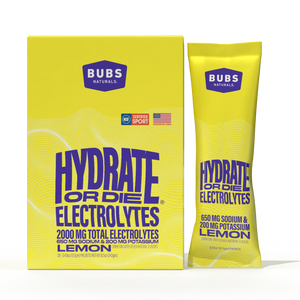
This is precisely why we developed our Hydration Collection. Designed with active individuals in mind, our performance-focused electrolytes support fast, effective hydration and muscle function. Unlike many conventional options, our Hydrate or Die – Lemon and Hydrate or Die – Mixed Berry products, available individually or as part of a convenient Hydrate or Die – Bundle, contain no added sugar. We believe in providing clean, functional ingredients that work with your body, not against it. Each batch is rigorously tested and certified by third parties like NSF for Sport, reflecting our unwavering commitment to quality and safety—because you deserve nothing less for your wellness journey. Just one scoop can make a real difference, helping you stay hydrated and energized through your toughest challenges.
Other Wellness Support
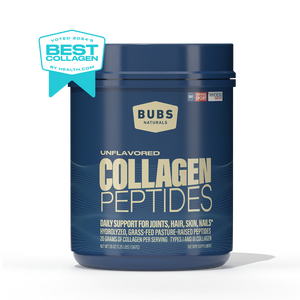
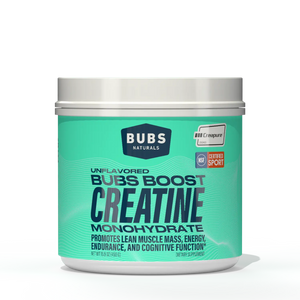
Beyond immediate hydration, a holistic approach to wellness further supports your body's overall ability to maintain balance. For instance, incorporating our Collagen Peptides into your routine can support joint health, skin, hair, and nails, contributing to overall bodily integrity and recovery from daily wear and tear. For sustained energy and mental clarity, especially during demanding days, our MCT Oil Creamer – 10 oz Tub or Butter MCT Oil Creamer – 10 oz Tub can be a perfect addition to your morning coffee or shake. And for those focused on strength and power, our Creatine Monohydrate can support training performance, further enhancing your body’s capabilities.
At BUBS Naturals, our mission extends beyond just providing high-quality supplements. It’s about empowering a life of adventure, wellness, and purpose, honoring the legacy of Glen “BUB” Doherty. This means ensuring our products are not only clean and effective but also contribute to a larger cause. We proudly donate 10% of all profits to veteran-focused charities, embodying the spirit of service and resilience that BUB lived by. By choosing BUBS Naturals, you're not just supporting your own wellness; you're contributing to a greater good, aligning your personal goals with our collective commitment to making a positive impact.
Ultimately, supporting your body's natural electrolyte balance is a blend of mindful lifestyle choices: smart hydration, a nourishing diet, and, when needed, targeted, clean supplementation. It's about working with your body's incredible regulatory systems, providing them with the tools they need to perform optimally, so you can continue to embrace every adventure that comes your way.
Conclusion
The human body's capacity to regulate electrolytes is nothing short of a biological marvel, a testament to intricate design and adaptive brilliance. We’ve journeyed through the fundamental roles these charged minerals play in every cell, from driving nerve impulses and muscle contractions to balancing fluids and maintaining pH. We've seen how master organs like the kidneys, alongside a symphony of hormones like aldosterone and ADH, meticulously filter, reabsorb, and excrete, constantly fine-tuning concentrations to keep us in perfect equilibrium. Furthermore, cellular mechanisms, particularly the tireless sodium-potassium pump and the principles of osmosis, ensure stability at the most microscopic level.
This sophisticated regulatory network is the bedrock of our wellness and performance, silently working to keep us functioning optimally. While remarkably resilient, this system can be impacted by our active lifestyles, environmental demands, and dietary choices. The key takeaway is not just an appreciation of this complexity, but an understanding that we have a vital role in supporting these natural processes. By prioritizing intelligent hydration, fueling our bodies with nutrient-dense foods, and strategically supplementing when our needs increase, we empower our bodies to maintain the balance essential for a life of energy and adventure.
At BUBS Naturals, we believe in a no-BS approach to wellness—simple, effective ingredients that support your body's natural functions. For those who live to move, explore, and push their limits, ensuring proper electrolyte balance is not a luxury, but a necessity. Don't let imbalances hold you back from your next adventure. Explore our Hydration Collection today and feel the BUBS difference.
FAQ
Q1: Why are kidneys so important in electrolyte regulation?
The kidneys are the primary organs responsible for maintaining electrolyte balance. They act as sophisticated filters, constantly processing blood to remove waste products while selectively reabsorbing essential electrolytes like sodium, potassium, and calcium back into the bloodstream. If there's an excess of a particular electrolyte, the kidneys excrete it in the urine. If levels are too low, they maximize reabsorption to conserve it. This continuous filtration, reabsorption, and excretion process ensures electrolyte concentrations in your body fluids remain within a narrow, healthy range, crucial for overall bodily function.
Q2: How do hormones influence electrolyte levels?
Hormones play a critical role as chemical messengers in electrolyte regulation, signaling the kidneys and other tissues to adjust their activities. For example, aldosterone primarily regulates sodium and potassium, promoting sodium reabsorption and potassium excretion in the kidneys. Antidiuretic hormone (ADH) controls water retention, indirectly influencing electrolyte concentrations by diluting or concentrating body fluids. Parathyroid hormone (PTH) and calcitonin work together to manage calcium and phosphate levels, impacting their release from bones and reabsorption in the kidneys. This hormonal orchestration allows the body to adapt to changing internal conditions and maintain precise balance.
Q3: Can an active lifestyle impact my electrolyte needs?
Absolutely. An active lifestyle, especially involving intense or prolonged exercise, significantly increases your body's need for electrolytes. When you sweat, you lose essential minerals like sodium, chloride, potassium, and magnesium along with water. If these losses are not replenished, it can lead to imbalances that may manifest as muscle cramps, fatigue, or reduced performance. For individuals pushing their limits, integrating a clean, performance-focused electrolyte supplement, such as those from our Hydration Collection, can provide targeted support to help maintain balance and support muscle function during and after activity.
Q4: What's the BUBS Naturals approach to electrolyte support?
At BUBS Naturals, our approach to electrolyte support is rooted in our commitment to clean, functional, and science-backed ingredients. We believe in providing solutions that align with a life of adventure and wellness, without unnecessary additives. Our Hydration Collection, featuring Hydrate or Die – Lemon and Hydrate or Die – Mixed Berry, is formulated to support fast and effective hydration and muscle function without added sugars. Like all our products, it adheres to our no-BS philosophy, using high-quality, third-party tested ingredients (NSF for Sport certified) to ensure you get exactly what you need to support your body's natural balance and recovery, reflecting the rigorous standards inspired by Glen "BUB" Doherty's legacy.