Table of Contents
- Introduction
- The Electrifying Truth: What Are Electrolytes?
- The Body's Chemical Workforce: Key Electrolytes and Their Functions
- The Intricate Dance of Fluid and Function
- When Balance is Shaken: Causes and Signs of Imbalance
- BUBS Naturals' Commitment to Clean Hydration and Wellness
- Optimizing Electrolyte Intake Through Diet and Lifestyle
- Conclusion
- FAQ
Introduction
Ever wonder why a sip of a refreshing drink can feel like a jolt of energy after a tough workout or a long day in the sun? That feeling often traces back to tiny but mighty minerals called electrolytes. These aren't just buzzwords on a sports drink label; they are the unsung heroes powering nearly every function within our bodies, from maintaining fluid balance to enabling our muscles to move and our hearts to beat. Without these essential electrical charges, our intricate biological systems would grind to a halt.
In a world that increasingly pushes our physical and mental limits, understanding the fundamental role of electrolytes is more critical than ever. Whether you're an endurance athlete, someone juggling a busy life, or simply striving for optimal daily wellness, these charged particles are working tirelessly behind the scenes. This post aims to demystify how electrolytes operate within the body, exploring their individual functions, the delicate balance they maintain, and how we can best support their vital work. At BUBS Naturals, we believe in embracing a life of adventure and purpose, and that starts with a body that’s properly fueled and functioning. We’ll delve into the science-backed insights that empower us to make informed choices, including how clean, functional supplements like our Hydration Collection can support your body's intricate systems for optimal health and performance.
The Electrifying Truth: What Are Electrolytes?
At their core, electrolytes are minerals that carry an electric charge when dissolved in water or other body fluids, such as blood, urine, and sweat. Imagine your body as a complex electrical circuit board, and electrolytes are the essential conductors, facilitating the flow of information and energy. These charged particles, known as ions, are categorized as either positively charged (cations) or negatively charged (anions). When these ions are present in our body fluids, they enable the fluid to conduct electricity.
This electrical conductivity is not just a scientific curiosity; it's fundamental to life itself. These charges are what allow our nerves to transmit signals, our muscles to contract, and our hearts to maintain a steady rhythm. They are crucial for countless chemical reactions and play a pivotal role in maintaining the delicate balance of fluids both inside and outside our cells.
We acquire these vital electrolytes from the foods we eat and the fluids we drink. Our kidneys act as sophisticated filters, regulating their levels and removing any excess through urine. However, we also lose electrolytes through sweat, particularly during physical activity, in hot environments, or when experiencing illness. Maintaining the right concentration of these charged minerals is paramount, as even slight imbalances can impact our overall well-being and bodily functions. To truly appreciate their importance, it helps to understand some key terminology:
-
Ion: An atom or molecule that has gained or lost one or more electrons, resulting in an electrical charge.
-
Cation: A positively charged ion (e.g., sodium, potassium, calcium, magnesium).
-
Anion: A negatively charged ion (e.g., chloride, phosphate, bicarbonate).
-
pH: A scale measuring the acidity or alkalinity of a substance. Electrolytes are crucial in maintaining the body's optimal blood pH, which is slightly alkaline (between 7.36 and 7.44).
-
Hyper-: A prefix indicating an excess of a substance (e.g., hypernatremia means too much sodium).
-
Hypo-: A prefix indicating too little of a substance (e.g., hyponatremia means not enough sodium).
Understanding these basic concepts lays the groundwork for appreciating the intricate roles each specific electrolyte plays in our body's daily operations.
The Body's Chemical Workforce: Key Electrolytes and Their Functions
Our bodies rely on a diverse team of electrolytes, each with specialized tasks that contribute to our overall health. While they work together, understanding their individual responsibilities helps illuminate their collective impact.
Sodium (+)
Sodium is the most abundant cation (positively charged ion) in the extracellular fluid, meaning the fluid outside our cells. It's a powerhouse when it comes to maintaining fluid balance, primarily by influencing osmosis—the movement of water across cell membranes. Sodium helps regulate blood volume and blood pressure, and it's essential for nerve and muscle function. It also plays a critical role in nutrient absorption into cells.
-
Hypernatremia (too much sodium): Can lead to confusion, behavioral changes, unusually strong reflexes, loss of muscle control, seizures, and even coma.
-
Hyponatremia (not enough sodium): May cause confusion, irritability, weakened reflexes, nausea, vomiting, seizures, and coma. Your body's thirst mechanism is a direct signal often triggered by rising sodium levels, prompting you to drink more water to restore balance.
Potassium (+)
Potassium is primarily an intracellular ion, found predominantly inside our cells. It works in close concert with sodium via the sodium-potassium ATPase pump, which actively moves sodium out of cells and potassium into them. This exchange is vital for generating electrical impulses in nerves and muscles, especially critical for heart function. Too much or too little potassium can lead to serious heart problems.
-
Hyperkalemia (too much potassium): Symptoms include weakness, inability to move muscles, confusion, and irregular heart rhythms (arrhythmias).
-
Hypokalemia (not enough potassium): Can manifest as muscle weakness and cramps, unusual thirst, frequent urination, and dizziness upon standing. Severe cases can lead to rhabdomyolysis (muscle tissue breakdown, potentially damaging kidneys) and life-threatening heart arrhythmias.
Calcium (+)
Beyond its well-known role in building strong bones and teeth, calcium is a key element in numerous other bodily functions. It's crucial for muscle contraction, transmitting signals in our nerves, managing heart rhythm, and even blood clotting and hormone secretion. The balance of calcium is tightly regulated by hormones like vitamin D, parathyroid hormone (PTH), and calcitonin.
-
Hypercalcemia (too much calcium): Can affect various systems, causing headaches, fatigue, confusion, apathy (brain); constipation, abdominal pain, vomiting (digestive tract); frequent urination, kidney stones, kidney failure (kidneys); arrhythmias (heart); and bone/joint pain (skeletal).
-
Hypocalcemia (not enough calcium): May result in confusion, behavioral changes (brain); unusually strong reflexes, muscle twitching, spasms, and loss of muscle control, including difficulty speaking or breathing due to throat muscle spasms (muscles).
Magnesium (+)
Magnesium is an intracellular cation vital for over 300 biochemical reactions in the body. It helps cells convert nutrients into energy (ATP metabolism), supports proper muscle and neurological function, and aids in neurotransmitter release. Magnesium is also involved in regulating blood pressure and blood glucose.
-
Hypermagnesemia (too much magnesium): Can cause changes in heart rhythm, weakened reflexes, decreased ability to breathe, and in severe cases, cardiac arrest.
-
Hypomagnesemia (not enough magnesium): Often presents with muscle weakness, twitching, and loss of control, as well as heart arrhythmias. It commonly occurs in connection with calcium and potassium deficiencies and can be influenced by alcohol use or certain medications.
Chloride (-)
Chloride, the anionic form of chlorine, is the second-most abundant anion in the body's extracellular fluid. It plays a significant role in maintaining fluid balance inside and outside cells, contributing to proper blood volume and blood pressure. Chloride is also crucial for maintaining the body’s natural pH balance.
-
Hyperchloremia (too much chloride): Can lead to acidosis (blood becoming too acidic), resulting in nausea, vomiting, fatigue, rapid breathing, and confusion. This often correlates with potassium imbalances.
-
Hypochloremia (not enough chloride): Causes alkalosis (blood becoming too alkaline), with symptoms like apathy, confusion, arrhythmias, and muscle twitching. It often accompanies hyponatremia or severe vomiting.
Phosphate (-)
Phosphate, a phosphorus-based molecule, is integral to metabolic pathways and a key component of ATP (the body's energy currency) and nucleotides, which form our DNA. Eighty-five percent of total body phosphorus resides in bones and teeth. It works closely with calcium and is primarily excreted by the kidneys.
-
Hyperphosphatemia (too much phosphate): Often leads to hypocalcemia as the body tries to balance the minerals. Symptoms may include those of hypocalcemia and excessive itching.
-
Hypophosphatemia (not enough phosphate): Early symptoms usually involve muscle weakness. Severe cases can lead to rhabdomyolysis, severe kidney damage, seizures, reduced heart function, and breathing difficulties due to muscle weakness.
Bicarbonate (-)
Bicarbonate is a unique anion, primarily derived from recycled carbon dioxide. Its main function is to act as a buffer, regulating the blood's pH levels and maintaining acid-base balance.
-
Acidosis (too little bicarbonate): Occurs when the blood becomes too acidic, causing fatigue, nausea, vomiting, faster and deeper breathing, and confusion.
-
Alkalosis (too much bicarbonate): Occurs when the blood becomes too alkaline, with symptoms including confusion, apathy, arrhythmias, and muscle twitching.
Understanding these individual roles underscores the complexity of our body's internal environment and the constant, coordinated effort required to keep us feeling our best.
The Intricate Dance of Fluid and Function
The true magic of electrolytes lies not just in their individual functions but in their dynamic interplay, orchestrating a complex dance that keeps our body's systems in perfect harmony. This intricate balance is essential for everything from how our cells exchange nutrients to how we perceive the world around us.
Osmosis and Fluid Balance
One of the most critical roles of electrolytes is their influence on fluid balance. Our bodies are approximately 60% water, and maintaining the correct distribution of this water both inside and outside our cells is vital. Electrolytes, particularly sodium and chloride, act as osmotic agents, drawing water across semi-permeable membranes. When electrolyte concentrations are balanced, water moves freely, ensuring cells remain adequately hydrated without swelling or shrinking excessively.
An imbalance can have immediate consequences. Dehydration, for instance, occurs when we lose more fluid and electrolytes than we take in. This reduces blood volume and can impair nutrient delivery and waste removal. Conversely, overhydration (often from drinking excessive plain water without adequate electrolyte intake) can dilute electrolyte concentrations, causing cells to swell, which can be dangerous, especially for brain cells. Our Hydration Collection is purposefully designed to help you maintain this crucial fluid balance, ensuring your body has the right tools to perform.
Nerve Impulse Transmission
Every thought, every movement, every sensation you experience is a result of electrical signals traveling through your nervous system. Electrolytes are the architects of these signals. Nerve cells (neurons) generate electrical impulses, known as action potentials, by rapidly shifting sodium and potassium ions across their membranes. Sodium rushing into the cell creates a positive charge, followed by potassium moving out to reset the charge. This rapid "on-off" switch allows signals to propagate, enabling communication between your brain and the rest of your body. Without a precise balance of these electrolytes, nerve impulses can falter, leading to issues with sensation, coordination, and cognitive function.
Muscle Contraction and Relaxation
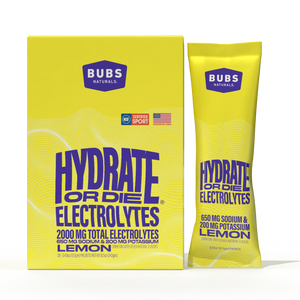
Just as they power nerve signals, electrolytes are indispensable for muscle function. When you decide to move, say, to lift a weight or go for a run, calcium ions surge into muscle cells, initiating the contraction process. Magnesium, on the other hand, plays a crucial role in muscle relaxation, helping calcium re-uptake by the sarcoplasmic reticulum. Potassium is also intimately involved in maintaining the membrane potential necessary for muscles to fire and recover. Imbalances can lead to frustrating muscle cramps, weakness, or even involuntary twitching, hindering your ability to pursue active adventures. Our Hydrate or Die – Lemon is formulated to support these critical functions, providing key electrolytes to help your muscles perform and recover efficiently.
pH Regulation
The body maintains a remarkably narrow pH range, as even slight deviations can disrupt enzyme function and cellular processes. Electrolytes, particularly bicarbonate and chloride, are central to this acid-base balance. Bicarbonate acts as a primary buffer system, neutralizing excess acids or bases to keep blood pH within its optimal range. This regulation is crucial for overall cellular health and metabolic efficiency. When this system is compromised, either by an excess of acidity (acidosis) or alkalinity (alkalosis), a wide array of symptoms can emerge, impacting everything from energy levels to cardiac function.
This constant, coordinated effort of electrolytes ensures that our bodies function as resilient, high-performing machines, ready for whatever life throws our way.
When Balance is Shaken: Causes and Signs of Imbalance
While our bodies are remarkably adept at maintaining electrolyte balance, certain situations can disrupt this delicate equilibrium, leading to imbalances that can range from mild discomfort to serious health concerns. Recognizing the causes and signs is key to addressing them promptly.
Common Causes of Imbalance
Several factors can lead to an electrolyte imbalance, where levels of one or more electrolytes become too high or too low:
-
Heavy Sweating: One of the most common causes, especially for those embracing an active lifestyle or working in hot climates. When we sweat profusely, we lose significant amounts of sodium and chloride, and to a lesser extent, potassium and magnesium. This is why a simple glass of water may not be enough to replenish what's lost after an intense workout or prolonged sun exposure.
-
Illness: Conditions involving severe vomiting or diarrhea can rapidly deplete electrolytes. The body struggles to absorb or retain these minerals, leading to quick and substantial losses.
-
Certain Medications: Diuretics, often prescribed for high blood pressure or heart conditions, can increase the excretion of sodium and potassium. Proton pump inhibitors (PPIs) used for acid reflux can sometimes lead to magnesium deficiencies over long-term use.
-
Kidney, Heart, or Liver Problems: These organs play critical roles in regulating fluid and electrolyte balance. Dysfunction in any of them can impair the body's ability to filter excess electrolytes or retain necessary ones, leading to chronic imbalances.
-
Inadequate Fluid Intake: Simple dehydration can concentrate electrolytes in the blood (e.g., hypernatremia).
-
Excessive Plain Water Intake: Paradoxically, drinking too much plain water without sufficient electrolyte intake can dilute existing electrolytes, leading to conditions like hyponatremia. This is often seen in endurance athletes who only consume water during long events.
Symptoms of Electrolyte Imbalance
The symptoms of an electrolyte imbalance can be varied and often overlap, making them sometimes difficult to pinpoint. However, paying attention to your body can provide crucial clues:
-
Muscle Issues: Cramps, weakness, twitching, or spasms are common indicators, often linked to imbalances in potassium, magnesium, and calcium.
-
Fatigue and Lethargy: Feeling unusually tired or lacking energy can be a general sign of imbalance, as electrolytes are vital for energy production and cellular function.
-
Headaches and Confusion: Disruptions in fluid balance and nerve function, particularly with sodium imbalances, can manifest as headaches, dizziness, or even cognitive impairment.
-
Irregular Heartbeat: As many electrolytes (potassium, magnesium, calcium) are critical for cardiac rhythm, an imbalance can lead to palpitations or more serious arrhythmias.
-
Nausea and Vomiting: While also a cause of imbalance, these can be symptoms, especially with conditions like hyperchloremia or hyponatremia.
-
Numbness and Tingling: Nerve-related symptoms can arise from calcium or magnesium imbalances.
It's important to remember that these symptoms can also stem from other health concerns, so consulting a healthcare provider for proper evaluation is always recommended if you suspect a persistent imbalance. When life pushes your limits, having a reliable source to replenish these vital minerals is key. Our Hydrate or Die collection is designed with a no-BS approach to help you maintain optimal fluid and electrolyte balance, supporting your body's natural resilience. Whether you prefer the crisp taste of Hydrate or Die – Lemon or the vibrant flavor of Hydrate or Die – Mixed Berry, we offer convenient and effective solutions to keep you performing at your best.
BUBS Naturals' Commitment to Clean Hydration and Wellness
Inspired by the enduring legacy of Glen “BUB” Doherty, whose life epitomized adventure, wellness, and purpose, we at BUBS Naturals are deeply committed to providing supplements that uphold these very values. Our philosophy is simple: clean, functional, and science-backed ingredients that support your active lifestyle without compromise. We believe in a "no-BS" approach, delivering only what you need, with nothing to hide.
When it comes to hydration, this commitment is paramount. Our Hydration Collection stands as a testament to this principle. We understand that effective hydration is more than just drinking water; it's about providing your body with the precise balance of electrolytes it needs to thrive. That’s why our Hydrate or Die products are formulated with performance in mind—delivering essential electrolytes without the added sugar, artificial flavors, or unnecessary fillers often found in conventional sports drinks. We take pride in ensuring our products are rigorously tested and certified by third parties like NSF for Sport, guaranteeing quality and purity.
For us, it's about supporting your journey—whether you're hitting the trails, training hard, or simply navigating a demanding day. Our Hydrate or Die – Lemon and Hydrate or Die – Mixed Berry offer fast, effective support for muscle function and overall well-being. They mix effortlessly into your water, making it simple to incorporate into any routine.
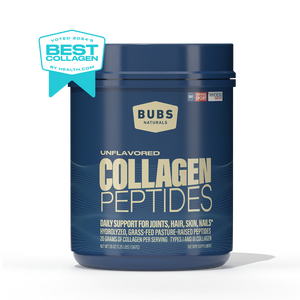
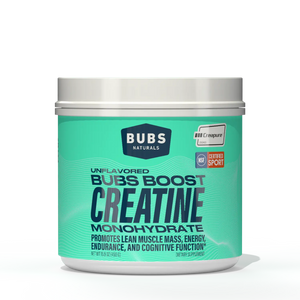
But our dedication to your wellness journey extends beyond hydration. We recognize that true well-being is holistic. For sustained energy and mental clarity throughout your day, consider incorporating our MCT Oil Creamer – 10 oz Tub or Butter MCT Oil Creamer – 10 oz Tub into your coffee or shakes. If you're looking to support your strength and power in training, our pure Creatine Monohydrate is an excellent choice. And for those focused on supporting joint health, skin vitality, and recovery, our grass-fed, pasture-raised Collagen Peptides are a fundamental building block. Each product in our portfolio is crafted with the same commitment to quality and efficacy, helping you feel the BUBS difference.
Our mission is also rooted in giving back. In honor of BUB’s legacy and his service, we proudly uphold our 10% Rule, donating 10% of all profits to veteran-focused charities. When you choose BUBS Naturals, you're not just investing in your own wellness; you're contributing to a larger purpose, supporting those who have served our nation.
Optimizing Electrolyte Intake Through Diet and Lifestyle
While quality supplements play a vital role in supporting our wellness goals, especially during demanding periods, the foundation of optimal electrolyte balance always begins with a thoughtful approach to diet and lifestyle. Our bodies are designed to derive most of what they need from whole, unprocessed foods.
Food-First Approach
Embracing a diet rich in fruits, vegetables, whole grains, and lean proteins is the most natural way to ensure a consistent intake of essential electrolytes. Different foods offer different profiles:
-
Potassium: Abundant in fruits like bananas, oranges, and avocados, as well as vegetables such as leafy greens (spinach, kale), sweet potatoes, and beans. Coconut water is also a significant source.
-
Magnesium: Found in high concentrations in leafy green vegetables, nuts (almonds, cashews), seeds (chia, flax), whole grains, legumes, and even dark chocolate.
-
Calcium: Dairy products are well-known sources, but it's also present in fortified plant-based milks, tofu, sardines, and some leafy greens like kale and broccoli.
-
Sodium and Chloride: While table salt (sodium chloride) is the primary source, many processed foods contain added sodium. Natural sources include celery, olives, and some seafood. Lemon juice and raw honey can also provide traces of these, along with potassium and magnesium.
-
Phosphate: Found in protein-rich foods such as meat, fish (like salmon and yellowfin tuna), dairy, nuts, and legumes.
-
Bicarbonate: Produced internally by the body, but certain alkaline-rich foods and mineral waters can influence the body's pH balance.
Prioritizing fresh, diverse, and minimally processed foods helps ensure a broad spectrum of minerals and other vital nutrients, promoting not just electrolyte balance but overall vitality.
Hydration Habits
While we’ve discussed the importance of electrolytes, the role of water cannot be overstated. Consistent, adequate water intake throughout the day is fundamental. Remember that about 20% of our daily water intake comes from food, especially water-rich fruits and vegetables like watermelon, strawberries, cantaloupe, cucumbers, and lettuce. Listen to your body's thirst signals; while thirst indicates some level of dehydration, it’s a reliable guide. Our Hydration Collection is designed to complement your regular water intake, providing targeted support when your body needs more than just plain H2O.
Individualized Needs and Professional Guidance
It’s crucial to understand that electrolyte needs are highly individualized. Factors such as your activity level, the climate you live in, altitude, age, and any underlying health conditions (like kidney disease or pregnancy) can significantly alter your requirements. Medications, particularly those affecting fluid balance like diuretics or blood pressure drugs, can also impact electrolyte levels.
For most individuals with a balanced diet and moderate activity, water and food provide sufficient electrolytes. However, for those engaged in prolonged, vigorous exercise (especially over 75 minutes), individuals working outdoors in hot or humid conditions, or during periods of illness, strategic supplementation can be beneficial. It's not about "more is better"; excessive intake can also lead to imbalances with adverse effects such as heart rhythm issues, fatigue, or nausea.
If you have specific health concerns, are taking medications, or are experiencing persistent symptoms, we strongly advise consulting a healthcare provider. They can help assess your individual needs, potentially through an electrolyte panel, and provide personalized guidance. While a healthy diet is foundational, for those specific moments requiring extra support—like intense training or extended time in the heat—products like our Hydrate or Die – Bundle can bridge the gap, ensuring your body has the clean, effective support it needs to keep moving forward.
Conclusion
Electrolytes are far more than just ingredients in a sports drink; they are the electrical architects of our bodies, meticulously maintaining the intricate balance of fluids, powering every nerve impulse, and orchestrating every muscle contraction. From sodium's role in fluid regulation to potassium's importance for heart function and calcium's command over muscle movement, these charged minerals are indispensable for sustaining life, health, and peak performance. Understanding how they work empowers us to make conscious choices that support these fundamental processes.
By prioritizing a diet rich in whole foods, staying consistently hydrated, and recognizing when our bodies might need additional support during demanding periods, we can ensure our internal electrical system runs smoothly. At BUBS Naturals, our commitment to clean, science-backed supplements means you can trust our products to support your active, purpose-driven life. Discover the BUBS difference and fuel your adventures with clean, effective hydration solutions like our Hydrate or Die products, designed to help you thrive naturally and with integrity.
FAQ
What are the most common signs of an electrolyte imbalance?
The most common signs of an electrolyte imbalance include muscle cramps or weakness, fatigue, headaches, confusion, nausea, vomiting, and an irregular heartbeat. These symptoms can vary depending on which specific electrolyte is out of balance and by how much, and they can sometimes overlap with other health conditions. It’s always best to consult a healthcare provider if you experience persistent or severe symptoms.
Can I get enough electrolytes from just drinking plain water?
No, plain water does not contain sufficient electrolytes to meet your body's needs, especially when those needs are elevated by factors like heavy sweating or illness. While water is crucial for hydration, electrolytes are primarily obtained through a balanced diet of fruits, vegetables, and other whole foods. For intense physical activity, hot weather, or during recovery from illness, an electrolyte-rich drink like our Hydrate or Die products can help replenish lost minerals more effectively than water alone.
Who benefits most from electrolyte supplementation?
Individuals who engage in prolonged, vigorous exercise (especially those lasting over an hour), people working or living in hot and humid climates, and those experiencing illness involving vomiting or diarrhea can benefit significantly from electrolyte supplementation. Athletes at higher altitudes may also find it helpful. Additionally, individuals with certain medical conditions or those taking specific medications that affect electrolyte balance may benefit, but should always consult a healthcare provider first.
How does BUBS Naturals ensure its electrolyte products are effective and clean?
At BUBS Naturals, our commitment to quality is unwavering. Our electrolyte products, such as those in our Hydration Collection, are formulated with clean, functional, and science-backed ingredients. We avoid added sugars, artificial flavors, and unnecessary fillers, focusing on essential electrolytes to support optimal body function. All our products are rigorously tested and certified by third parties, like NSF for Sport, ensuring purity, potency, and compliance with the highest standards. We believe in a "no-BS" approach, providing you with effective solutions you can trust for your wellness journey.