Table of Contents
- Introduction
- What Are Electrolytes and Why Do We Need Them?
- The Difference Between Scale Weight and Fat Gain
- The Role of Sugar in Commercial Electrolyte Drinks
- Sodium, Salinity, and Hunger Cues
- How Electrolytes Can Actually Support Weight Loss
- Water Retention: Why It Happens and How to Manage It
- Choosing the Right Electrolyte Drink
- The BUBS Approach to Hydration
- Conclusion
- FAQ
Introduction
You have just finished a hard training session or a long day in the sun, and you reach for a brightly colored sports drink to recover. A few days later, you step on the scale and notice the number has ticked up. It is a frustrating moment that leads many to ask: can electrolyte drinks cause weight gain? It is a fair question, especially given how many "health" drinks are actually loaded with hidden ingredients that might work against your goals.
At BUBS Naturals, we believe that understanding what you put into your body is the first step toward better performance and health. This guide will explore the relationship between electrolytes, water retention, and actual fat gain. We will look at how different ingredients affect your metabolism and help you identify which drinks support your lifestyle and which ones are just liquid candy.
The short answer is that electrolytes themselves do not cause fat gain, but certain formulations and biological processes can certainly make the scale move.
Quick Answer: Pure electrolytes do not cause fat gain because they contain zero calories. However, many commercial electrolyte drinks are high in sugar and calories, which can contribute to weight gain, while the sodium in these drinks may cause temporary water retention.
What Are Electrolytes and Why Do We Need Them?
Before we can understand their impact on weight, we need to define what electrolytes actually are. If you want a deeper primer, read what an electrolyte in water is. Electrolytes are essential minerals that carry an electric charge when dissolved in water or bodily fluids like blood. They are not just "workout fuel"; they are the chemical messengers that allow your body to function.
The most common electrolytes include:
-
Sodium: Manages fluid balance and nerve signals.
-
Potassium: Supports heart function and muscle contractions.
-
Magnesium: Involved in over 300 biochemical reactions, including energy production.
-
Calcium: Vital for bone health and muscle movement.
-
Chloride: Helps maintain proper blood volume and pressure.
These minerals are responsible for keeping your heart beating, your muscles moving, and your brain communicating with the rest of your body. When you sweat, you lose these minerals. If you do not replace them, you might experience cramping, fatigue, or "brain fog." This is why hydration is about more than just plain water; it is about maintaining a delicate balance of these charged minerals.
The Difference Between Scale Weight and Fat Gain
When people ask about weight gain, they are usually concerned about gaining body fat. However, the human body is incredibly dynamic, and the number you see on the scale is a combination of bone, muscle, organs, fat, and—most importantly—water.
It is very common to see a weight fluctuation of two to five pounds in a single day. This is rarely a change in fat mass. Instead, it is usually a shift in fluid balance. Electrolytes, particularly sodium, play a major role in how much water your body holds at any given time. If you consume a high-sodium electrolyte drink, your body may hold onto extra water to keep your blood chemistry stable. This is known as water retention.
While this might make the scale go up temporarily, it is not permanent weight gain. Once your body processes the excess minerals and returns to balance, that "water weight" typically disappears.
Myth: Seeing a higher number on the scale after drinking electrolytes means you are getting fat.
Fact: Electrolytes like sodium can cause temporary water retention, but they contain no fat-storing calories on their own.
The Role of Sugar in Commercial Electrolyte Drinks
The real concern regarding electrolytes and actual weight gain is not the minerals themselves, but the "extras" added by many large-scale brands. If you look at the label of a standard grocery store sports drink, you will often find staggering amounts of sugar.
Some popular drinks contain upwards of 30 to 40 grams of sugar per bottle. For context, that is nearly ten teaspoons of sugar. These sugars are added to provide quick energy for endurance athletes, but for the average person or someone doing a standard 45-minute gym session, these extra calories are often unnecessary.
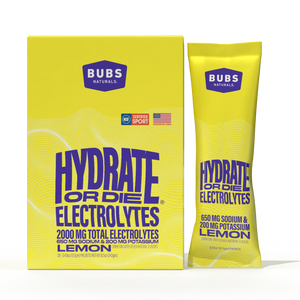
When you consume more sugar than your body can immediately use for energy, your body stores that excess as fat. If you are drinking these high-sugar beverages daily without the high-intensity output to match, you may experience actual fat gain over time. This is why we focus on "no BS" formulations. Our Hydrate or Die electrolytes provide the necessary mineral replenishment without the sugar-heavy "fillers" that lead to unwanted calorie intake.
Sodium, Salinity, and Hunger Cues
There is another way that electrolyte drinks might indirectly influence weight: the connection between salt and appetite. Some research suggests that high-sodium diets can actually trigger hunger.
In the past, scientists believed that eating salt made you thirsty. While that is true in the short term, some studies have shown that high salt intake over a longer period can cause the body to conserve water and actually increase the need for food. The body requires energy to manage high levels of salt and maintain fluid balance. This can lead to an increase in hunger signals, making you more likely to overeat at your next meal.
If you are choosing an electrolyte drink that is extremely high in sodium but low in other balancing minerals like potassium and magnesium, you might find yourself feeling hungrier throughout the day. This "salt-induced hunger" is a subtle way that poor-quality hydration products can interfere with a weight management plan.
Key Takeaway: Weight gain from electrolyte drinks is usually caused by added sugars (fat gain) or high sodium levels (temporary water retention), rather than the electrolytes themselves. Choosing a sugar-free, balanced formula helps avoid both.
How Electrolytes Can Actually Support Weight Loss
While we have discussed how they might cause weight gain, it is important to note that proper electrolyte balance is actually a tool for weight management. Staying hydrated is one of the most effective ways to keep your metabolism running efficiently.
1. Distinguishing Hunger from Thirst
The brain often confuses the signal for thirst with the signal for hunger. Many people reach for a snack when their body is actually crying out for hydration and minerals. By maintaining a steady intake of electrolytes, you can ensure your body is truly hydrated, which may reduce unnecessary snacking and help you maintain a calorie deficit. For more on that connection, see How Do Electrolytes Help Hydration?.
2. Supporting Metabolic Function
Magnesium and potassium are essential for metabolic health. Magnesium, in particular, helps regulate blood sugar levels and insulin sensitivity. When your insulin is working correctly, your body is better at using stored fat for energy rather than storing new fat. A deficiency in these key minerals can lead to a sluggish metabolism and increased fatigue, making it harder to stay active.
3. Improving Workout Performance
If you are dehydrated or low on electrolytes, your workouts will suffer. You will feel tired faster, your muscles may cramp, and your power output will drop. By using a clean electrolyte supplement, you can train harder and longer, which leads to more calories burned and better muscle preservation. This is where products like our Creatine Monohydrate work together to support a strong, lean physique.
For more performance-focused support, explore our Boosts collection.
Water Retention: Why It Happens and How to Manage It
If you notice that you feel "puffy" or bloated after using certain hydration products, you are likely experiencing water retention. This happens through a process called osmosis. Sodium lives mostly outside your cells, while potassium lives inside. Water follows sodium. If you have a lot of sodium in your bloodstream, water will pull out of your cells and into the spaces between them to dilute the salt.
If you want a broader look at the basics, Smart Hydration: What Water is Best for Electrolytes? is a helpful place to start. To manage this and keep the scale steady, consider these steps:
-
Balance Sodium with Potassium: Potassium acts as a natural diuretic, helping the body flush out excess sodium. Look for electrolyte drinks that provide a healthy ratio of both, rather than just salt.
-
Drink More Water: It sounds counterintuitive, but if you are retaining water, you often need to drink more of it. This signals to your body that it doesn't need to "hoard" its current supply.
-
Watch Processed Food Intake: Many people blame their electrolyte drink for bloating when the real culprit is the hidden sodium in processed snacks and restaurant meals.
-
Stay Active: Movement helps the lymphatic system move fluids through the body, reducing the "heavy" feeling associated with water weight.
Choosing the Right Electrolyte Drink
Not all hydration products are created equal. To avoid unwanted weight gain and ensure you are actually supporting your health, you should be a conscious consumer. When looking at a label, keep these criteria in mind:
Avoid Added Sugars
Look for "0g Added Sugar." Some brands use maltodextrin or other high-glycemic fillers that act like sugar in the body. We prioritize clean ingredients because we know that real performance doesn't require a chemistry degree or a sugar rush.
Check the Mineral Balance
A good drink should not just be "salt water." It should include a spectrum of minerals, including magnesium and potassium. This balance ensures that you are supporting your heart and muscles, not just retaining fluid.
Look for Third-Party Testing
Trust matters, especially for athletes and veterans who need to know exactly what is in their supplements. Finding Quality: Where to Buy Creatine Supplements for Your Best Results is a good reminder that third-party testing matters. BUBS Naturals products are NSF for Sport certified, meaning they are tested for purity and banned substances. This ensures you are getting exactly what is on the label and nothing else.
Bottom line: To avoid weight gain from electrolyte drinks, choose a sugar-free formula that balances sodium with potassium and magnesium to support hydration without the bloat.
The BUBS Approach to Hydration
We designed our hydration line, including "Hydrate or Die," to meet the needs of people who live active, purposeful lives. We know that whether you are hitting the trail, the gym, or the office, you need a product that works without the side effects of traditional, sugar-heavy sports drinks.
Our formula is built on the philosophy of "no BS." We use high-quality minerals in ratios that support real-world performance. Because we are a mission-driven brand, our focus isn't just on making a sale; it's on providing a product that honors the legacy of our friend Glen "BUB" Doherty. We believe that if you provide people with clean, effective tools, they can achieve incredible things.
Conclusion
Can electrolyte drinks cause weight gain? They can if they are loaded with sugar or if the high sodium content causes your body to temporarily hold onto water. However, the electrolytes themselves are calorie-free and essential for your health. By choosing a clean, sugar-free option like those we offer, you can enjoy all the benefits of superior hydration—better energy, faster recovery, and improved focus—without worrying about the scale.
At BUBS Naturals, we are proud to support your wellness journey while giving back. We donate 10% of all our profits to veteran-focused charities in honor of BUB's legacy of service and adventure. When you choose our products, you are not just taking care of your own health; you are supporting a larger mission.
Listen to your body, choose clean ingredients, and keep moving forward.
FAQ
1. Does sodium in electrolyte drinks cause permanent weight gain?
No, sodium does not cause permanent fat gain because it has no calories. It can cause the body to temporarily retain water, which might make you weigh more on the scale for a day or two, but this fluid balance usually returns to normal quickly as your kidneys process the excess salt.
2. Are sugar-free electrolyte drinks better for weight loss?
Generally, yes, because sugar-free options provide the essential minerals your body needs without the extra calories that lead to fat storage. By staying hydrated without added sugar, you can support your metabolism and energy levels, making it easier to stick to a weight loss or maintenance plan. For a deeper look at the science, read what electrolytes do for hydration.
3. Can drinking too many electrolytes be bad for you?
Yes, balance is key, as consuming excessive amounts of electrolytes—especially sodium or potassium—can lead to issues like high blood pressure or heart rhythm irregularities. It is best to follow the recommended serving sizes on the package and consult with a healthcare provider if you have underlying kidney or heart conditions.
4. Why do I feel bloated after a sports drink?
Bloating is often caused by either the high sugar content or the high sodium levels found in many traditional sports drinks. Sugar can cause digestive upset for some, while sodium pulls water into the spaces between your cells, leading to that "puffy" feeling of water retention.