Table of Contents
- Introduction
- Understanding Electrolytes: The Body's Electrical Network
- The Body's Electrolyte "Storage" System: A Dynamic Balance
- How Electrolytes are Lost and Imbalance Occurs
- Fueling Your Body: Replenishing Electrolytes Effectively
- Tailoring Your Electrolyte Strategy for an Adventurous Life
- Conclusion
- FAQ
Introduction
Imagine navigating a challenging mountain trail or pushing through an intense workout, only to feel your energy plummet and muscles falter. Often, we attribute this to simple dehydration or fatigue, but the unseen forces at play in our bodies are far more complex and fascinating. At the heart of our physical performance and overall well-being lies a delicate balance of vital minerals known as electrolytes. These tiny powerhouses are not merely buzzwords on sports drink labels; they are fundamental to nearly every physiological process, from the beat of our heart to the function of our nerves. The question then arises: does the body store these crucial electrolytes, much like it stores energy in fat, or is their management a more dynamic, moment-to-moment endeavor?
For those of us living a life of adventure and purpose, understanding how our bodies handle these essential components is paramount. This exploration will demystify electrolytes, shedding light on their critical roles, the intricate systems that regulate them, and how they are continually lost and replenished. We’ll delve into the major players – sodium, potassium, magnesium, and more – uncovering their specific functions and the profound impact an imbalance can have. Our purpose is to provide a comprehensive, science-backed understanding of electrolyte dynamics, ensuring you have the knowledge to support your body’s natural functions, whether you're tackling a summit or simply thriving in your daily routine. By the end, you’ll grasp the crucial difference between electrolyte regulation and storage, and how a mindful approach to hydration and nutrition, supported by clean, functional supplements, is key to sustained vitality and performance.
Understanding Electrolytes: The Body's Electrical Network
Our bodies are intricate machines, and at their core, they operate on electricity. This electrical activity facilitates everything from muscle contractions to nerve impulses, allowing us to move, think, and react. The conductors of this internal electrical network are substances we call electrolytes. In essence, electrolytes are minerals that carry a positive or negative electrical charge when dissolved in water or other bodily fluids like blood, sweat, and urine. Given that an adult's body is roughly 60% water, these charged particles are present in nearly every fluid and cell, making them indispensable for life.
What Makes Them So Essential?
The importance of electrolytes extends far beyond their electrical properties. They are involved in a myriad of critical functions that keep our bodies in harmonious balance:
-
Fluid Balance: Electrolytes help regulate the amount of water inside and outside our cells, preventing both dehydration and overhydration. This osmotic balance is crucial for cell integrity and function.
-
Nerve Function: Our nervous system relies on the movement of electrolytes across cell membranes to generate electrical impulses, enabling communication between the brain and the rest of the body.
-
Muscle Contraction: From the slightest twitch of a finger to the powerful pump of the heart, muscle contractions are initiated and sustained by the precise ebb and flow of electrolytes like calcium, sodium, and potassium.
-
pH Balance: Electrolytes play a vital role in maintaining the body's acid-base (pH) balance, ensuring that our blood stays within a narrow, healthy range of acidity or alkalinity. Deviations can have severe consequences for cellular processes.
-
Nutrient Transport: They assist in moving nutrients into cells and waste products out, keeping our cellular machinery running efficiently.
Without these charged minerals, our fundamental biological processes would grind to a halt. They are truly the unsung heroes of our internal environment, working tirelessly behind the scenes to maintain optimal function.
Key Electrolytes and Their Roles
While many minerals contribute to our electrolyte balance, a few are particularly vital and abundant, each with specific, indispensable roles:
-
Sodium (Na+): The most abundant positively charged ion (cation) in the fluid outside our cells, sodium is a primary regulator of total body water and blood pressure. It's critical for nerve signal transmission and muscle contraction. Too much sodium (hypernatremia) can lead to confusion and muscle control issues, while too little (hyponatremia) can cause similar symptoms, along with nausea and irritability.
-
Potassium (K+): As the primary positively charged ion inside our cells, potassium works in concert with sodium to maintain fluid balance and nerve function. It's especially crucial for heart rhythm and muscle contractions. Both excessively high (hyperkalemia) and low (hypokalemia) levels can lead to serious heart problems, muscle weakness, and fatigue.
-
Magnesium (Mg2+): Involved in over 300 enzymatic reactions, magnesium is essential for converting nutrients into energy, muscle and nerve function, blood glucose control, and blood pressure regulation. It also contributes to bone health. Deficiencies (hypomagnesemia) can result in muscle weakness and twitching, while excess (hypermagnesemia) can affect heart rhythm and breathing.
-
Calcium (Ca2+): Best known for building strong bones and teeth, calcium also plays critical roles in muscle control, nerve signal transmission, blood clotting, and heart rhythm management. Imbalances (hypercalcemia or hypocalcemia) can manifest with diverse symptoms affecting the brain, digestive tract, kidneys, and muscles.
-
Chloride (Cl-): The second most abundant negatively charged ion (anion) in the body, chloride works closely with sodium to regulate fluid balance and blood volume. It's also a component of stomach acid, aiding digestion, and helps maintain the body's pH balance.
-
Phosphate (PO4-): A phosphorus-based molecule, phosphate is crucial for energy metabolism, bone health (working with calcium), and is a fundamental building block of DNA. Imbalances can impact muscle function and kidney health.
-
Bicarbonate (HCO3-): This electrolyte is key for regulating the body's pH balance, acting as a buffer against excessive acidity or alkalinity in the blood. It also assists in transporting carbon dioxide.
Each of these electrolytes contributes to a finely tuned physiological symphony, where even minor disruptions can have cascading effects on our overall health and performance.
The Body's Electrolyte "Storage" System: A Dynamic Balance
When we think of "storage" in the body, we often picture fat reserves for energy or calcium stored in bones. However, when it comes to electrolytes, the concept of storage is quite different. The body doesn't "store" electrolytes in a static reservoir for later use in the same way it stores glucose as glycogen. Instead, our bodies maintain a remarkably dynamic and tightly regulated balance of these minerals.
A Constant State of Regulation, Not Static Storage
The truth is, the body does not have dedicated organs or tissues specifically designed to "store" electrolytes like it does for other nutrients. There's no "electrolyte pantry" that can be dipped into when levels are low. Instead, the body is constantly working to regulate electrolyte concentrations within narrow, optimal ranges. This regulation is a continuous process of intake, distribution, utilization, and excretion, all aimed at maintaining homeostasis.
Consider sodium, for instance. While a certain amount resides in extracellular fluid and some is bound in bone, the body doesn't accumulate excess sodium for later use. Rather, it strives to excrete any surplus through the kidneys. Similarly, potassium is primarily found inside cells, but its levels are meticulously controlled to prevent imbalances that could affect critical heart function.
The Kidney's Central Role in Electrolyte Homeostasis
The primary orchestrators of this dynamic balance are our kidneys. These sophisticated organs act as the body's filtration system, playing a critical role in managing electrolyte levels:
-
Filtration: Blood passes through the kidneys, where electrolytes and other substances are filtered out.
-
Reabsorption: The kidneys then selectively reabsorb the necessary amounts of electrolytes back into the bloodstream, ensuring that vital minerals aren't simply flushed away.
-
Excretion: Any excess electrolytes, along with waste products, are excreted from the body in urine.
This continuous process ensures that electrolyte concentrations remain stable, despite fluctuations in intake or loss. Hormones like aldosterone also play a role, influencing how much sodium and potassium the kidneys reabsorb or excrete, further fine-tuning this delicate balance.
Because there's no static storage, the body relies on a consistent and adequate supply of electrolytes from our diet and fluids. When intake doesn't meet the body's immediate needs, or when excessive losses occur, the finely tuned regulatory system can be overwhelmed, leading to imbalances. This is why paying attention to what we consume, especially during periods of increased demand, is so vital for maintaining our internal electrical network and supporting overall wellness. Our no-BS approach at BUBS Naturals means we focus on simple, effective ingredients that work with your body’s natural processes, helping you maintain this crucial balance without unnecessary additives.
How Electrolytes are Lost and Imbalance Occurs
While our bodies are masters of regulation, they are not immune to imbalances. Electrolytes are constantly being used and excreted, and various factors can accelerate their loss or hinder their replenishment, leading to levels that are either too high or too low. Understanding these common pathways of loss and the conditions that lead to imbalance is crucial for maintaining optimal health, especially for those who embrace an active, adventurous lifestyle.
The Sweat Factor: An Active Lifestyle's Challenge
One of the most significant ways we lose electrolytes is through sweat. When we engage in physical activity, especially prolonged or intense exercise, or when we are exposed to hot and humid environments, our bodies perspire to regulate temperature. Sweat is not just water; it's a saline solution containing a mix of electrolytes, primarily sodium and chloride, but also smaller amounts of potassium, magnesium, and calcium.
Consider an individual on a long-distance trail run or a strenuous day of outdoor work in the summer heat. As they sweat profusely, they're steadily losing these vital minerals. If these losses are not adequately replaced, it can lead to:
-
Dehydration: While water loss is obvious, the accompanying electrolyte loss impairs the body's ability to retain the water that is consumed, making effective rehydration challenging.
-
Muscle Cramps: A common and often debilitating symptom, muscle cramps can arise from imbalances, particularly of sodium, potassium, and magnesium, which are all critical for proper muscle function.
-
Fatigue and Weakness: Electrolytes are essential for energy production and nerve signals. Their depletion can lead to pervasive fatigue, reduced stamina, and general muscle weakness, impacting performance and recovery.
-
Cognitive Impairment: Brain function is highly dependent on proper electrolyte balance. Imbalances can manifest as confusion, irritability, or difficulty concentrating, especially in extreme conditions.
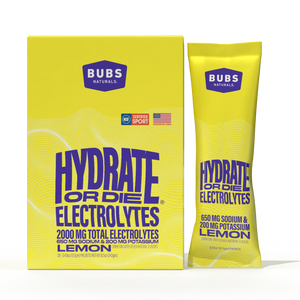
For us at BUBS Naturals, supporting active lifestyles is core to our mission, inspired by Glen "BUB" Doherty's own dedication to physical challenge. That's why we emphasize effective hydration solutions. Our Hydration Collection offers performance-focused electrolytes with no added sugar, designed to support fast, effective hydration and muscle function. Products like Hydrate or Die – Lemon and Hydrate or Die – Mixed Berry are formulated to replenish what's lost, helping you stay at your best.
Beyond Sweat: Other Causes of Imbalance
While physical activity is a common culprit, several other factors can disrupt electrolyte equilibrium:
-
Illness: Severe vomiting or diarrhea can lead to rapid and significant loss of fluids and electrolytes, particularly potassium and sodium. This is especially problematic in children, where imbalances can quickly become dangerous.
-
Dietary Factors: A diet heavy in processed foods and low in nutrient-dense fruits, vegetables, and whole grains can contribute to chronic electrolyte imbalances. For example, excessive sodium intake (common in Western diets) coupled with insufficient potassium can strain the body's regulatory systems. Conversely, restrictive diets might lead to deficiencies in essential minerals like magnesium or calcium.
-
Medications: Certain medications, such as diuretics (often prescribed for high blood pressure), can increase the excretion of specific electrolytes, necessitating careful monitoring and potential supplementation.
-
Kidney or Heart Problems: As the primary regulators of electrolytes, compromised kidney function can severely impair the body's ability to maintain balance, leading to accumulation or deficiency. Heart conditions can also affect fluid and electrolyte management.
-
Excessive Water Intake (Overhydration): While less common, drinking excessively large amounts of plain water without adequate electrolyte intake can dilute existing electrolytes, particularly sodium, leading to a dangerous condition known as hyponatremia.
The Symptoms of Imbalance
The symptoms of an electrolyte imbalance can vary widely depending on which electrolyte is affected, whether levels are too high (hyper-) or too low (hyp-), and the severity of the imbalance. Many symptoms can overlap, making self-diagnosis challenging. However, some common indicators include:
-
Muscular Issues: Muscle weakness, cramps, twitching, or spasms.
-
Neurological Changes: Confusion, irritability, apathy, dizziness, headaches, or even seizures in severe cases.
-
Digestive Problems: Nausea, vomiting, constipation, or diarrhea.
-
Cardiovascular Signs: Irregular heart rhythms (arrhythmias), changes in blood pressure.
-
General Malaise: Fatigue, extreme thirst, frequent urination, or a feeling of being unwell.
Understanding these pathways of loss and the potential symptoms is the first step toward proactive wellness. By being mindful of our activities, dietary choices, and listening to our bodies, we can better support our body's natural functions and maintain the vital electrolyte balance.
Fueling Your Body: Replenishing Electrolytes Effectively
Given that the body dynamically regulates, rather than stores, electrolytes, a consistent and mindful approach to replenishment is paramount. This means focusing on a balanced diet rich in whole foods, and strategically incorporating clean, effective supplements when our daily activities demand more.
Dietary Sources: The Foundation of Electrolyte Health
For most individuals living a moderately active lifestyle, a varied diet provides ample electrolytes. Nature has packaged these vital minerals in delicious and nutritious forms:
-
Potassium Powerhouses: Bananas, oranges, potatoes, spinach, avocados, beans, and salmon are excellent sources.
-
Magnesium-Rich Foods: Leafy green vegetables (like spinach and kale), nuts (almonds, cashews), seeds (pumpkin, sunflower), whole grains (oats, brown rice), legumes, and even dark chocolate.
-
Calcium Contributors: Dairy products (milk, yogurt, cheese), fortified plant-based milks, tofu, and leafy greens.
-
Sodium and Chloride: While table salt is the most common source, these are also found naturally in smaller amounts in many foods. It’s important to balance sodium intake from processed foods with a diet rich in other electrolytes.
By prioritizing these whole, unprocessed foods, you create a robust nutritional foundation that naturally supports your body's electrolyte needs. At BUBS Naturals, we believe in a "no-BS" approach, focusing on simple, effective ingredients that complement a healthy diet, not replace it.
The Role of Hydration: Water Alone vs. Electrolyte-Enhanced Options
Water is undeniably essential for life and hydration. However, it's crucial to understand that plain water does not contain significant amounts of electrolytes. While sufficient water intake is foundational, there are scenarios where water alone might not be enough, particularly when electrolyte losses are elevated.
-
Everyday Hydration: For daily hydration and light activity, plain water is generally sufficient. Our bodies are incredibly efficient at regulating fluid and electrolytes under normal conditions, with kidneys working diligently to maintain balance.
-
When Electrolytes Become Key: During periods of heavy sweating (e.g., prolonged intense exercise, working outdoors in the heat, or being in high humidity or altitude), significant amounts of sodium and other electrolytes are lost. In these situations, simply drinking large volumes of plain water can further dilute remaining electrolytes, potentially leading to an imbalance. This is where electrolyte-enhanced fluids become beneficial.
When Supplementation Might Be Beneficial
For those pursuing an adventurous and active lifestyle, where physical demands push the body, targeted electrolyte supplementation can play a crucial role in supporting hydration, performance, and recovery.
We created our Hydration Collection with this in mind. Our performance-focused electrolytes are crafted to replenish what your body loses during exertion, helping you maintain optimal fluid balance and muscle function without the added sugars or artificial ingredients often found in conventional sports drinks. Whether you choose Hydrate or Die – Lemon or Hydrate or Die – Mixed Berry, you're choosing a clean, effective way to support your body. For those who want both, our Hydrate or Die – Bundle offers a convenient way to keep your hydration game strong.
Our electrolytes are rigorously tested and certified by third parties like NSF for Sport, reflecting our unwavering commitment to clean, high-quality, natural ingredients. We believe in providing solutions that are simple, effective, and align with our values of adventure and wellness. They mix effortlessly, making them an ideal companion for any pursuit, from a morning run to a backcountry expedition.
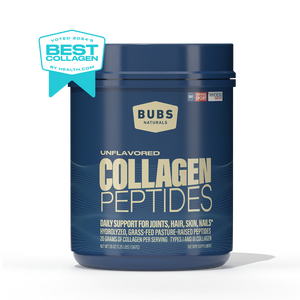
Beyond direct hydration, other supplements can support the body’s overall function, indirectly bolstering its ability to manage electrolytes or cope with the demands of an active life. For instance, Collagen Peptides can support joint health and recovery, which is critical for continuous activity. For sustained energy and mental clarity to fuel your adventures, our MCT Oil Creamer – 10 oz Tub or Butter MCT Oil Creamer – 10 oz Tub can be a great addition to your morning coffee or shakes. And to further support overall vitality, Vitamin C offers antioxidant support.
When choosing any supplement, always check the nutrition label for what is right for you. Avoid products with excessive added sugars, artificial sweeteners, or unnecessary fillers. Our philosophy is about transparent, clean ingredients that deliver real value, helping you feel the BUBS difference.
Tailoring Your Electrolyte Strategy for an Adventurous Life
Living a life of adventure and purpose means recognizing that our bodies have unique needs, which can fluctuate daily based on activity, environment, and individual physiology. There's no one-size-fits-all answer to electrolyte requirements, but a mindful, adaptive strategy can empower you to maintain optimal balance.
Understanding Individual Needs and Environmental Factors
Your personal electrolyte needs are influenced by a complex interplay of factors:
-
Activity Level and Intensity: A leisurely stroll on a cool day will result in minimal electrolyte loss compared to an intense, multi-hour CrossFit session or a rigorous climb in hot weather. The longer and more intense your activity, the greater your need for replenishment.
-
Climate and Altitude: High temperatures, high humidity, or increased altitude all put additional stress on your body's thermoregulation and respiratory systems, leading to increased fluid and electrolyte losses. For example, someone working outdoors in a desert climate will have very different requirements than an office worker.
-
Individual Physiology: Sweat rates vary significantly from person to person. Some are "salty sweaters," losing more sodium than others. Genetics, body weight, and even diet can influence how your body handles electrolytes.
-
Pre-existing Conditions and Medications: As discussed, certain health conditions or pharmaceutical interventions can alter electrolyte balance, necessitating a more cautious and informed approach. Always consult a healthcare professional if you have concerns or specific medical considerations.
Listening to Your Body: The Best Indicator
While data and guidelines are helpful, one of the most powerful tools you have is your own body's signals. Thirst is a primary indicator of hydration status, and while it might mean you're already mildly dehydrated, it's a reliable prompt to drink. Paying attention to other subtle signs, such as persistent fatigue, muscle twitches, or a general feeling of malaise after activity, can also signal an electrolyte imbalance.
Developing a strong connection with your body's feedback is key to an intuitive wellness strategy. This means not just reacting to extreme symptoms but proactively hydrating and nourishing yourself in anticipation of physical demands.
The BUBS Naturals Approach: Clean Solutions for a Balanced Life
At BUBS Naturals, we are driven by a commitment to supporting active lifestyles through clean, functional, science-backed supplements. Our mission, deeply inspired by the legacy of Glen "BUB" Doherty, extends beyond just providing products; it's about empowering you to live a life of adventure, wellness, and purpose.
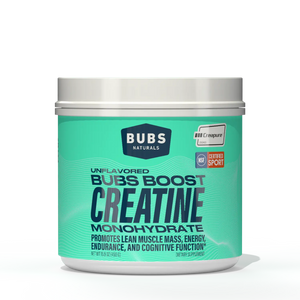
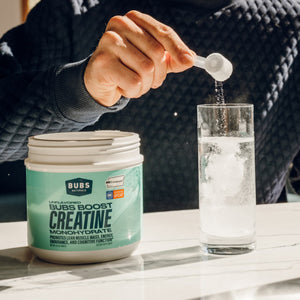
We believe in a holistic approach where a nutrient-dense diet forms the bedrock of your wellness. When your adventurous pursuits demand more, our supplements are designed to seamlessly integrate into your routine, providing targeted support without compromise. For example, our Collagen Peptides Collection offers a versatile way to support joints, skin, hair, and nails, aiding in overall recovery for your next adventure. If you're looking to boost strength and power for your training performance, our single-ingredient Creatine Monohydrate is an excellent choice. And for digestive and general wellness support, our convenient Apple Cider Vinegar Gummies are made with liquid ACV, including "the Mother."
Our dedication to quality means all our products are rigorously tested and certified by third parties like NSF for Sport, ensuring purity, potency, and safety. We uphold a "no-BS" philosophy, delivering only simple, effective ingredients that truly make a difference. Furthermore, our commitment to giving back, through our 10% Rule where we donate 10% of all profits to veteran-focused charities, means that every purchase contributes to a greater purpose.
By combining a smart dietary strategy with targeted, high-quality supplementation from our Hydration Collection and other offerings, you can confidently support your body's dynamic electrolyte balance. This enables you to face every challenge, embrace every adventure, and live every day with sustained vitality and purpose, knowing you’re choosing products that are as dedicated to your well-being as they are to making a positive impact on the world.
Conclusion
The journey through the intricate world of electrolytes reveals a fundamental truth about our bodies: they are systems of dynamic balance, not static storage. While we might not "store" electrolytes like we do other energy reserves, our bodies are constantly working to regulate these electrically charged minerals, ensuring they are present in the precise concentrations needed for every beat of our heart, every nerve impulse, and every muscle contraction. This continuous regulation underscores the critical importance of a consistent and mindful approach to electrolyte intake.
We've explored how vital minerals like sodium, potassium, magnesium, and calcium each play unique, indispensable roles in our physiology. We've also understood how these essential components are lost through sweat, illness, and various lifestyle factors, and how an imbalance can profoundly impact our well-being and performance. The key takeaway is not just about avoiding severe imbalances but maintaining optimal levels to thrive in our daily lives and adventurous pursuits.
Nourishing your body with a balanced, whole-food diet remains the cornerstone of electrolyte health. However, for those embracing intense physical activity, challenging environments, or simply seeking to elevate their daily wellness, targeted supplementation becomes a powerful ally. By choosing clean, functional, and science-backed solutions, you can effectively support your body's natural functions, enhance recovery, and sustain peak performance.
At BUBS Naturals, our commitment to clean ingredients, rigorous testing, and an unwavering belief in a life of adventure, wellness, and purpose guides everything we do. Inspired by Glen "BUB" Doherty's legacy, we provide you with products that are simple, effective, and ethically driven. Take the next step in empowering your wellness journey and embrace the clarity and vitality that comes with proper electrolyte balance. Explore our full Hydration Collection today and feel the BUBS difference in every adventure you embark upon.
FAQ
Q1: Can the body truly "store" electrolytes for future use, like fat stores energy?
A1: No, the body does not "store" electrolytes in a static, long-term reservoir like it stores fat for energy or calcium in bones. Instead, the body constantly and dynamically regulates electrolyte concentrations within narrow, optimal ranges. The kidneys play a central role in this process, filtering excess electrolytes for excretion and reabsorbing necessary amounts to maintain balance. Because there's no static storage, a consistent intake of electrolytes through diet and fluids is crucial for continuous optimal function.
Q2: How does an active lifestyle, like regular intense exercise, affect my electrolyte balance?
A2: An active lifestyle, particularly involving prolonged or intense exercise, significantly impacts electrolyte balance primarily through sweat. Sweat contains not just water but also essential electrolytes like sodium, chloride, potassium, and magnesium. Heavy sweating leads to increased loss of these minerals. If these losses are not adequately replaced, it can lead to dehydration, muscle cramps, fatigue, and impaired performance. This is why targeted electrolyte replenishment, such as with our performance-focused options from the Hydration Collection, can be beneficial for those with active lifestyles.
Q3: Are there specific foods that are particularly good sources of electrolytes?
A3: Yes, a wide variety of whole foods are excellent natural sources of electrolytes. For potassium, consider bananas, avocados, spinach, and sweet potatoes. Magnesium can be found in leafy greens, nuts, seeds, and whole grains. Calcium is abundant in dairy products, fortified plant-based milks, and certain green vegetables. While sodium and chloride are often associated with table salt, a balanced diet naturally contains these as well. Prioritizing these nutrient-dense foods helps build a strong foundation for electrolyte health.
Q4: When should I consider an electrolyte supplement, and what should I look for?
A4: Electrolyte supplements can be beneficial during periods of increased loss, such as prolonged intense exercise, heavy sweating in hot or humid conditions, or during travel when maintaining hydration is challenging. When choosing a supplement, look for clean, functional ingredients without excessive added sugars, artificial sweeteners, or unnecessary fillers. Our Hydration Collection, including options like Hydrate or Die – Lemon, is formulated to provide performance-focused electrolytes with no added sugar, designed to support fast, effective hydration and muscle function, aligning with our commitment to natural, science-backed wellness solutions. Always choose products that are rigorously tested and certified for purity and potency.