Table of Contents
- Introduction
- Understanding Electrolytes: The Body's Electrical Conductors
- The Intricate Dance of Electrolytes and Water Balance
- When Do Electrolyte Drinks Come into Play?
- Electrolytes in Your Diet: Fueling Your Adventures Naturally
- Demystifying Water Retention: Beyond Electrolytes
- Our No-BS Approach to Hydration: The BUBS Naturals Difference
- Conclusion
- FAQ
Introduction
Have you ever found yourself feeling a bit puffy after a particularly salty meal or an intense workout, and wondered if the electrolyte drink you just consumed was to blame? The idea that electrolytes, often hailed for their hydration benefits, might actually lead to unwanted water retention is a common concern. For many of us who lead active lives, balancing fluid intake with the demands of training, work, and daily adventures means constantly evaluating what we put into our bodies.
At BUBS Naturals, we believe in a no-BS approach to wellness, providing clean, functional, and science-backed supplements that truly support your journey. Inspired by the legacy of Glen "BUB" Doherty, whose life epitomized adventure and purpose, we are committed to cutting through the noise and offering clear, reliable information. This commitment extends to understanding the intricate relationship between electrolytes and our body’s fluid balance.
In this comprehensive guide, we'll demystify electrolytes, exploring exactly what they are and their pivotal role in keeping us hydrated and functioning optimally. We will dive into the science behind water retention, examining how various factors—including electrolyte balance—influence it, and debunk common myths surrounding electrolyte consumption. By the end of this post, you'll gain a deeper understanding of when electrolyte support, like our Hydration Collection, can be genuinely beneficial, how to maintain a healthy electrolyte balance through diet, and practical steps to support your body's natural fluid regulation. Our goal is to empower you with the knowledge to make informed decisions for a life of sustained wellness and adventure.
Understanding Electrolytes: The Body's Electrical Conductors
Imagine your body as a complex electrical system, where signals are constantly being sent to make every function happen, from a simple blink to a marathon run. At the heart of this system are electrolytes – minerals that carry an electric charge when dissolved in the body's fluids. These tiny but mighty ions are indispensable for virtually every bodily process, acting as the critical conduits that allow our cells to communicate and function harmoniously.
The primary electrolytes that orchestrate this vital dance within us include:
-
Sodium (Na+): A paramount player in regulating fluid balance both inside and outside cells, nerve impulse transmission, and muscle contraction. It also heavily influences blood pressure.
-
Potassium (K+): Essential for maintaining normal heart rhythm, nerve signals, muscle function, and the proper balance of fluids in and out of cells, often working in opposition to sodium.
-
Calcium (Ca2+): Widely known for its role in bone health, calcium is equally crucial for muscle contraction, nerve signaling, blood clotting, and maintaining a steady heartbeat.
-
Magnesium (Mg2+): Involved in over 300 biochemical reactions, magnesium supports muscle and nerve function, blood glucose control, blood pressure regulation, and energy production.
-
Chloride (Cl-): Works closely with sodium to maintain fluid balance, blood volume, and blood pressure, also playing a role in digestive acids.
-
Phosphate (PO4^3-): Critical for bone and teeth formation, energy storage and release, and kidney function, often working with calcium.
-
Bicarbonate (HCO3-): A key component of the body’s pH buffering system, helping to maintain the delicate acid-base balance in the blood.
These electrolytes perform a symphony of functions that are absolutely vital for our health and performance:
-
Maintaining Hydration: Beyond simply drinking water, true hydration involves the proper distribution of water throughout your body. Electrolytes regulate osmosis, the process by which water moves across cell membranes, ensuring that cells receive adequate hydration and that excess fluid is properly managed. Without a proper balance, water alone can't do its job effectively.
-
Supporting Nerve and Muscle Function: Our nervous system relies on electrical impulses to transmit messages between the brain and the rest of the body. Electrolytes facilitate these impulses, making them essential for everything from conscious movement to involuntary actions like breathing and the beating of your heart. Muscle contractions, including the rhythmic contractions of the heart, depend on a precise flow of electrolytes like sodium, potassium, and calcium.
-
Balancing Blood Pressure: Sodium and potassium have a direct and significant impact on blood pressure regulation. Sodium helps control blood volume, while potassium helps relax blood vessel walls, ensuring healthy circulation.
-
Regulating pH Levels: The body's acid-base (pH) balance is incredibly delicate. Electrolytes, particularly bicarbonate, act as buffers to prevent the blood from becoming too acidic or too alkaline, conditions that can impair enzyme function and overall metabolic processes.
When electrolyte levels become imbalanced, the body can quickly signal distress. Common signs of an electrolyte deficiency might include muscle cramps, fatigue, dizziness, confusion, nausea, or even an irregular heartbeat. Conversely, an excess of certain electrolytes can also lead to symptoms, highlighting the importance of maintaining that precise balance. For us at BUBS Naturals, understanding these fundamental roles is critical to developing products that genuinely support the body's natural functions without disrupting its intricate equilibrium. It’s all about providing simple, effective ingredients that work with your body, not against it, so you can focus on living your life of adventure.
The Intricate Dance of Electrolytes and Water Balance
The question "does electrolytes cause water retention?" is not as simple as a yes or no. The relationship between electrolytes and the body's fluid balance is a nuanced and dynamic process, far more intricate than many initially assume. It's a constant, finely tuned dance, primarily orchestrated by sodium, but supported by the interplay of other vital minerals and physiological mechanisms.
Sodium: The Master of Fluid Regulation
Sodium is often singled out as the primary culprit behind water retention. And indeed, it plays a critical role. When sodium levels in the body rise, it creates an osmotic gradient, prompting the body to hold onto more water to dilute the sodium concentration and maintain balance. This is a survival mechanism: if you consume too much salt, your kidneys may reduce urine output to conserve water, thereby preventing your blood sodium from becoming dangerously high. This can lead to that feeling of bloating or puffiness, known as edema.
However, it's not simply "sodium equals water retention." The body of a healthy individual is incredibly adept at managing sodium levels. The kidneys are sophisticated filters, continuously working to excrete excess sodium and maintain fluid homeostasis. This means that for many, a temporary increase in sodium intake might lead to a brief period of water retention, but the body typically adjusts and eliminates the excess over time. Factors like individual genetics, overall dietary habits, and kidney health significantly influence how sensitive a person's body is to sodium-induced fluid shifts.
Potassium: Sodium's Counterpart
While sodium often gets the spotlight for retention, potassium plays an equally important, often counteracting, role. Potassium helps to promote the excretion of sodium and water from the body. A diet rich in potassium can help mitigate some of the effects of higher sodium intake, supporting the body in shedding excess fluid and maintaining healthy blood pressure. When the sodium-potassium balance is skewed (e.g., too much sodium and not enough potassium), the body's ability to regulate fluid effectively can be compromised, potentially leading to increased water retention. This is why a balanced intake of both is crucial.
Magnesium and Calcium: Supportive Roles
Magnesium, while not directly regulating fluid balance in the same way as sodium and potassium, is vital for muscle and nerve function, including the muscles that help circulate fluids. It also supports kidney function, which is integral to managing fluid and electrolyte excretion. Similarly, calcium is essential for muscle contraction and cellular communication, indirectly supporting the systems that maintain fluid balance. An optimal supply of these secondary electrolytes ensures the body's broader regulatory systems function smoothly, contributing to overall fluid homeostasis.
The Carbohydrate Connection to Water Weight
Interestingly, carbohydrates can also contribute to "water weight," often mistaken for electrolyte-induced retention. When we consume carbohydrates, our body stores excess glucose as glycogen in our muscles and liver. For every gram of glycogen stored, approximately three grams of water are also stored alongside it. This is why individuals starting a low-carbohydrate diet often experience rapid initial weight loss, much of which is simply water released from glycogen stores. This phenomenon is a normal physiological process, not an indication of an electrolyte imbalance, but it can certainly make you feel heavier or more bloated.
Beyond Electrolytes: Other Influential Factors
The presence or absence of specific electrolytes is just one piece of the puzzle when it comes to water retention. Other physiological and lifestyle factors also play significant roles:
-
Hormonal Fluctuations: Hormones, such as estrogen and progesterone during the menstrual cycle or pregnancy, can cause temporary fluid shifts and water retention in women. Stress hormones like cortisol can also influence antidiuretic hormone (ADH) levels, impacting how much water the kidneys retain.
-
Medications: Certain medications, including some blood pressure drugs and anti-inflammatory drugs, can lead to increased fluid retention as a side effect.
-
Lifestyle Factors: Prolonged sitting or standing, extensive travel, lack of physical activity, and even insufficient sleep can impair circulation and lead to fluid pooling, particularly in the extremities.
-
Insufficient Water Intake: Counterintuitively, not drinking enough water can actually cause your body to hold onto fluid more stubbornly. When dehydrated, the body perceives a scarcity of water and activates mechanisms to conserve every drop, leading to retention.
Ultimately, water retention is a multi-faceted issue. While an imbalance in electrolytes, particularly sodium, can contribute to it, it is rarely the sole cause. A holistic view, considering diet, lifestyle, and overall health, is essential for truly understanding and addressing fluid balance in the body. For us, promoting balanced wellness means recognizing these complexities and encouraging approaches that support the body's natural intelligence.
When Do Electrolyte Drinks Come into Play?
Given the body's remarkable ability to regulate electrolyte balance through a healthy diet and adequate water intake, the question naturally arises: when are electrolyte drinks truly necessary? While certainly not a daily requirement for everyone, there are specific scenarios where targeted electrolyte replenishment can be a game-changer, supporting your body's natural functions and recovery, especially when pursuing an active lifestyle of adventure.
Scenarios Demanding Electrolyte Support:
-
Intense and Prolonged Physical Activity: For those who push their limits—whether it's an extended hike, a grueling workout session exceeding an hour, or endurance sports—significant electrolyte loss can occur through sweat. Sweat is not just water; it contains varying amounts of sodium, potassium, and other electrolytes. Replenishing these lost minerals during or after such activities is crucial for maintaining performance, preventing muscle cramps, and supporting efficient rehydration. Imagine hitting the wall during a long training run, not from fatigue, but from an electrolyte imbalance – that’s where strategic support can make all the difference.
-
Heavy Sweating and Hot Environments: Whether you're working outdoors in scorching temperatures, engaging in a hot yoga class, or simply have a naturally high sweat rate, your body can lose electrolytes faster than usual. In these conditions, plain water might quench your thirst, but it won't replace the essential minerals needed to maintain fluid balance and proper physiological function. This is especially true for those who experience "salty sweat," leaving visible salt crystals on their skin or clothes.
-
Illness Involving Fluid Loss: Conditions like vomiting or diarrhea can rapidly deplete your body's fluid and electrolyte reserves. In such cases, electrolyte-rich fluids are often recommended to prevent dehydration and support recovery, as the body struggles to absorb and retain necessary minerals.
-
Specific Dietary Considerations: While a balanced diet is usually sufficient, certain restrictive diets or periods of extreme fasting might lead to inadequate electrolyte intake. Individuals following specific protocols that alter fluid balance (e.g., very low-carbohydrate diets initially) may also find targeted electrolyte support beneficial under guidance from a healthcare professional.
-
Post-Workout Recovery: Beyond immediate performance, adequate electrolyte replenishment is key for overall recovery. Proper hydration and mineral balance support muscle repair, reduce fatigue, and prepare the body for the next challenge. For us at BUBS Naturals, our commitment to supporting active lifestyles means providing options that assist in this vital recovery phase.
Risks of Excessive Electrolyte Intake:
It's equally important to understand that more is not always better. Overconsumption of electrolytes, particularly through supplements when not genuinely needed, can disrupt the body's delicate balance and lead to adverse effects:
-
High Sodium: Excessive sodium intake can strain the kidneys, contribute to high blood pressure, and paradoxically, exacerbate fluid retention in some individuals.
-
High Potassium (Hyperkalemia): Dangerously high potassium levels can affect heart rhythm, potentially leading to serious cardiac issues.
-
High Magnesium/Calcium: While less common from supplements in healthy individuals, excessive intake can lead to symptoms like nausea, muscle weakness, confusion, or kidney problems.
The key takeaway is balance. Our bodies are designed to maintain homeostasis, and introducing excessive amounts of any single electrolyte can throw this delicate system off kilter. This is why we advocate for a thoughtful, no-BS approach to supplementation.
Choosing Clean, Functional Electrolyte Support:
Many commercial electrolyte drinks are laden with added sugars, artificial sweeteners, and unnecessary colors, which can undermine your wellness goals. Sugary drinks, in particular, can contribute to excess calorie intake and potentially interfere with optimal absorption, diminishing the very benefits you're seeking.
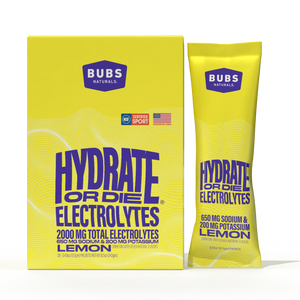
At BUBS Naturals, we believe in providing solutions that align with your commitment to clean living and active pursuits. Our Hydration Collection offers a straightforward, effective way to replenish essential electrolytes without the junk. With options like Hydrate or Die – Lemon and Hydrate or Die – Mixed Berry, designed for fast and effective hydration, we focus on what your body truly needs to support muscle function and sustained energy. We even offer a convenient Hydrate or Die – Bundle for those who want to keep both delicious flavors on hand. We rigorously test our products and certify them through third parties like NSF for Sport, ensuring you receive only the highest quality, clean ingredients. When your body truly calls for electrolyte support, you can explore the Hydration Collection and feel the BUBS difference – simple, effective, and ready for your next adventure.
Electrolytes in Your Diet: Fueling Your Adventures Naturally
While specialized electrolyte drinks certainly have their place for intense situations, the foundation of optimal electrolyte balance for most individuals lies in a well-rounded, nutrient-dense diet. Nature has provided us with an abundance of foods rich in these vital minerals, enabling us to fuel our bodies naturally for a life of wellness and adventure, much in the spirit of Glen "BUB" Doherty's appreciation for simple, effective solutions.
Embracing whole, unprocessed foods is often the most reliable and delicious way to ensure you're getting a broad spectrum of electrolytes, along with countless other beneficial vitamins, minerals, and antioxidants. Here’s a closer look at where you can find these essential minerals in your daily meals:
Sodium: The Flavorful Balancer
Often vilified, sodium is crucial for life. While excessive processed food intake can lead to too much sodium, thoughtful dietary choices can provide ample amounts.
-
Mineral-Rich Salts: Opt for high-quality sea salt or Himalayan pink salt in your cooking over highly processed table salt. These often contain trace minerals that contribute to overall health.
-
Fermented Foods: Pickles, sauerkraut, kimchi, and other fermented vegetables offer sodium along with beneficial probiotics for gut health.
-
Cottage Cheese and Canned Fish: These can be good sources of sodium, along with protein. Always check labels for added sodium if you’re monitoring intake.
Potassium: The Heart and Muscle Friend
Potassium helps balance sodium and is vital for nerve signals and muscle contractions. Many fruits and vegetables are excellent sources.
-
Fruits: Bananas are famously rich in potassium, but so are avocados, oranges, apricots, and cantaloupe.
-
Vegetables: Leafy greens like spinach and Swiss chard, potatoes (especially with the skin), sweet potatoes, and broccoli are potassium powerhouses.
-
Legumes: Lentils, black beans, kidney beans, and edamame provide significant potassium.
Magnesium: The Relaxation Mineral
Involved in energy production and muscle relaxation, magnesium is often found in fiber-rich foods.
-
Nuts and Seeds: Almonds, cashews, pumpkin seeds, and chia seeds are excellent sources.
-
Leafy Greens: Spinach, kale, and collard greens are packed with magnesium.
-
Whole Grains: Quinoa, brown rice, and whole wheat bread offer good amounts.
-
Legumes: Black beans, kidney beans, and edamame contribute to magnesium intake.
Calcium: The Bone and Beyond Builder
Crucial for strong bones, muscle movement, and nerve communication, calcium is found in a variety of foods.
-
Dairy Products: Milk, yogurt, and cheese are classic sources of bioavailable calcium.
-
Leafy Greens: Collard greens, kale, and turnip greens provide plant-based calcium.
-
Fortified Products: Some plant-based milks and cereals are fortified with calcium, offering alternatives for those with dietary restrictions.
-
Fish: Canned sardines and salmon (with bones) are also excellent sources.
Chloride: Sodium's Partner in Fluid Balance
Chloride is most commonly found with sodium in table salt (sodium chloride), but also in other forms.
-
Seaweed: A natural source of various minerals, including chloride.
-
Tomatoes and Lettuce: These vegetables contain modest amounts of chloride.
Phosphate: The Energy and Bone Builder
Phosphate is widely available in protein-rich foods.
-
Meat and Poultry: Chicken, beef, and pork are excellent sources.
-
Fish: Salmon and cod are rich in phosphate.
-
Dairy: Milk and cheese contain significant amounts.
-
Nuts and Seeds: Almonds, peanuts, and sunflower seeds contribute to phosphate intake.
By prioritizing a diverse diet rich in these foods, most individuals can easily meet their electrolyte needs without relying heavily on supplements. For example, a morning smoothie packed with spinach, a banana, and a scoop of protein, or an afternoon snack of almonds and an apple, can contribute significantly to your daily electrolyte intake. This approach aligns with our BUBS Naturals philosophy: nourish your body with clean, high-quality ingredients, fostering overall wellness for your active lifestyle.
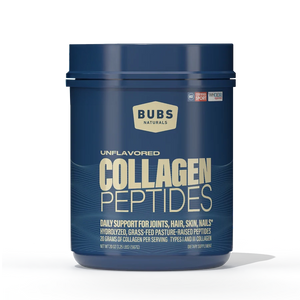
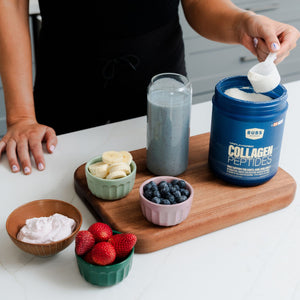
For those looking to support overall joint health and skin elasticity as part of their comprehensive wellness routine, integrating a supplement like our Collagen Peptides can be a great addition. Similarly, supporting your immune system with Vitamin C or promoting digestive wellness with our Apple Cider Vinegar Gummies fits seamlessly into a diet focused on whole foods and essential nutrients. It's about building a strong foundation from the ground up, recognizing that every component of your diet contributes to your vitality and readiness for life's adventures.
Demystifying Water Retention: Beyond Electrolytes
While electrolyte balance is undeniably a crucial component of fluid regulation, attributing all instances of water retention solely to electrolyte intake oversimplifies a complex biological phenomenon. Many other factors, ranging from hormonal shifts to lifestyle choices, can significantly impact how much water your body holds onto, often making you feel bloated, heavy, or puffy. Understanding these additional influences is key to taking a holistic approach to managing your body's fluid balance.
Hormonal Influences
Hormones play a powerful role in fluid regulation. Women, in particular, may notice fluctuations in water retention throughout their menstrual cycle due to changes in estrogen and progesterone levels. Pregnancy also brings significant hormonal shifts that can lead to increased fluid retention, especially in the extremities. Beyond the reproductive cycle, stress hormones like cortisol can also impact the body's fluid balance. Elevated cortisol levels can influence antidiuretic hormone (ADH) secretion, which signals the kidneys to retain more water, potentially contributing to a feeling of puffiness. Managing stress through practices like mindfulness, adequate sleep, and regular physical activity can indirectly support healthy fluid balance.
Medications and Health Conditions
Certain medications are well-known to have water retention as a side effect. These can include some blood pressure medications (e.g., calcium channel blockers), corticosteroids, and certain anti-inflammatory drugs. If you suspect your medication is causing fluid retention, it's always important to consult with a healthcare professional before making any changes. Underlying health conditions such as kidney disease, heart failure, or even an underactive thyroid (hypothyroidism) can also impair the body's ability to excrete excess fluid effectively, leading to more significant and persistent swelling. These conditions require medical diagnosis and management, and dietary or supplement changes should always be discussed with a doctor.
Lifestyle Factors: The Sedentary Trap
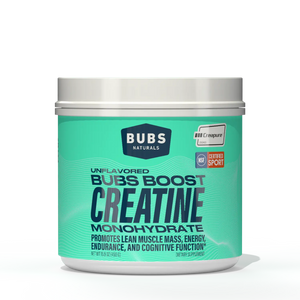
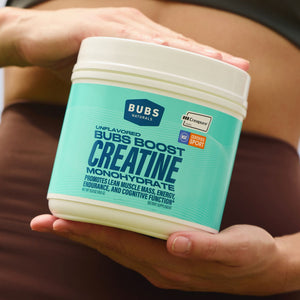
Our daily habits heavily influence fluid distribution. Prolonged periods of sitting or standing, common in many modern jobs or during long-distance travel, can lead to fluid pooling in the lower limbs due to gravity and reduced circulation. Taking regular breaks to move, stretch, and elevate your legs can help mitigate this. Furthermore, an active lifestyle, supported by products like our Creatine Monohydrate for strength and performance, encourages healthy circulation and lymphatic drainage, which are vital for fluid movement. Even getting adequate sleep, typically 7-9 hours per night for adults, allows your kidneys to better manage water and sodium levels, contributing to reduced water weight.
The Paradox of Dehydration
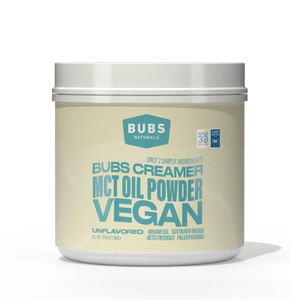
It might seem counterintuitive, but not drinking enough water can actually cause your body to retain fluid. When your body senses dehydration, it goes into a conservation mode, holding onto every available drop of water to prevent further loss. This adaptive response can lead to bloating, as your body clings to water stores. Drinking plenty of plain, clean water throughout the day signals to your body that it doesn't need to hoard fluid, often helping to reduce retention. For sustained energy and mental clarity to power your hydration efforts, consider integrating our MCT Oil Creamer – 10 oz Tub or a convenient MCT Oil Creamer – 14 ct Travel Pack into your morning coffee or smoothie.
Dietary Choices Beyond Electrolytes
Beyond the sodium-potassium balance, other dietary habits can contribute to water retention:
-
High-Sugar Intake: Foods and drinks high in sugar, especially processed ones, can lead to spikes in insulin, which can affect kidney function and increase sodium reabsorption, thereby promoting water retention. Replacing sugary beverages with unsweetened options and focusing on whole, naturally sweet fruits can be beneficial.
-
Processed Foods: Many processed foods are not only high in sodium but also refined carbohydrates and unhealthy fats, all of which can contribute to inflammation and fluid shifts in the body. Choosing whole, unprocessed foods supports overall health and helps the body manage fluid balance more effectively.
Understanding that water retention is influenced by a multitude of factors allows for a more comprehensive and effective approach to wellness. It's about nurturing your body through balanced nutrition, conscious lifestyle choices, and smart supplementation, rather than fixating on a single cause. This aligns perfectly with our BUBS Naturals ethos: empowering you to live an adventurous and purposeful life by supporting your body with what it truly needs.
Our No-BS Approach to Hydration: The BUBS Naturals Difference
At BUBS Naturals, our journey began with a mission rooted in adventure, wellness, and giving back, all inspired by the unwavering spirit of Glen "BUB" Doherty. This ethos guides every product we create, especially when it comes to something as fundamental as hydration. We believe in cutting through the hype and offering genuinely clean, functional, and science-backed supplements that support your active lifestyle without any unnecessary additives or questionable claims. This "no-BS" approach is evident in how we address essential needs like electrolyte replenishment.
When it comes to the question of "does electrolytes cause water retention," our philosophy is clear: true wellness comes from balance, informed choices, and products that respect your body's natural intelligence. We understand that in a world full of options, discerning what's truly beneficial can be challenging. That's why we've committed ourselves to transparency, quality, and effectiveness.
Our Hydration Collection is a prime example of this commitment. Designed for athletes, adventurers, and anyone needing fast, effective electrolyte replenishment, our Hydrate or Die products stand apart:
-
Clean Ingredients: We meticulously source high-quality ingredients, focusing on what your body needs and nothing it doesn't. You won't find excessive sugars, artificial flavors, or unnecessary fillers in our formulas. We're proud to offer products that are NSF for Sport certified, ensuring rigorous testing for banned substances and quality assurance – a testament to our dedication to purity.
-
Functional Design: Our electrolytes are formulated to support the body's natural functions. Whether you're sweating profusely during a demanding workout or simply need to rehydrate effectively after a long day in the sun, our Hydrate or Die – Lemon and Hydrate or Die – Mixed Berry are crafted to deliver essential minerals that support muscle function, nerve signals, and overall fluid balance.
-
Effortless Integration: We know your life is dynamic, which is why our products are designed to mix effortlessly into water, making them convenient to incorporate into your daily routine or pack for your next adventure. The easy-mixing nature means you can focus on your activity, not on clumpy supplements. To ensure you're always prepared, consider our Hydrate or Die – Bundle, offering both delicious flavors for your hydration needs.
Beyond the product itself, our brand is built on a foundation of purpose. In honor of Glen "BUB" Doherty, who dedicated his life to service, we pledge to donate 10% of all profits to veteran-focused charities. This 10% Rule is not just a promise; it's a core part of who we are, ensuring that every purchase you make with BUBS Naturals contributes to a greater cause.
We invite you to explore the Hydration Collection and experience the BUBS Naturals difference. See how our electrolytes can seamlessly support your wellness journey, providing the clean, functional hydration you need to tackle life's adventures with confidence and vitality. It's about simple, effective ingredients, backed by science, and driven by a mission that goes beyond the supplement.
Conclusion
Navigating the nuances of hydration and fluid balance can feel overwhelming, especially with conflicting information circulating about what we put into our bodies. As we've explored, the question of "does electrolytes cause water retention" is far more intricate than a simple yes or no. Electrolytes are indispensable minerals vital for a myriad of bodily functions, most notably orchestrating fluid balance, nerve signals, and muscle contractions. While sodium, a key electrolyte, does play a role in water retention, it's typically within a finely tuned system regulated by our kidneys and balanced by other electrolytes like potassium.
True water retention is often a complex interplay of various factors—from hormonal shifts and certain medications to lifestyle choices like sleep, stress, and even carbohydrate intake. The notion that electrolyte drinks inherently cause bloating is largely a myth; rather, it’s about maintaining overall balance and making informed choices about the type and quantity of electrolytes consumed. Excessive intake, particularly of sugary electrolyte beverages, can indeed contribute to issues, but clean, well-formulated supplements used appropriately can be powerful allies for those with genuine replenishment needs.
Our commitment at BUBS Naturals is to empower you with clarity, enabling you to make choices that genuinely support your body for a life of adventure and purpose. We encourage you to listen to your body, prioritize a balanced diet rich in whole foods, stay adequately hydrated with clean water, and consider functional, science-backed electrolyte support when your lifestyle truly demands it.
For those moments when you need fast, effective, and clean hydration, we've crafted our Hydration Collection with our "no-BS" promise in mind. Explore our range and discover how products like Hydrate or Die – Lemon and Hydrate or Die – Mixed Berry can support your body’s natural functions without unnecessary additives. Choose the Hydrate or Die – Bundle for comprehensive support. Together, let's embrace a life of wellness, fueled by knowledge and integrity, honoring the enduring legacy of Glen “BUB” Doherty.
FAQ
-
How do I know if I need an electrolyte drink?
Most individuals can maintain adequate electrolyte balance through a healthy diet and sufficient water intake. However, you might benefit from an electrolyte drink if you engage in intense exercise for over an hour, sweat heavily, are in a very hot environment, or are experiencing fluid loss due to illness (e.g., vomiting or diarrhea). Symptoms like persistent muscle cramps, fatigue, or dizziness can also signal a need for replenishment.
-
Can I drink electrolyte drinks every day without causing water retention?
For most healthy individuals, daily electrolyte drinks are not typically necessary unless you consistently engage in activities that cause significant fluid and electrolyte loss. If your body doesn't need the extra electrolytes, it will usually excrete the excess, but chronic overconsumption, especially of sodium-heavy formulations,
could potentially contribute to imbalances or temporary water retention in sensitive individuals. Opt for clean, sugar-free options from our
Hydration Collection when you do choose to supplement.
-
What are the best natural sources of electrolytes?
Nature provides abundant electrolyte sources. For sodium, consider mineral-rich salts or fermented foods. Potassium is plentiful in bananas, avocados, spinach, and potatoes. Magnesium can be found in nuts, seeds, leafy greens, and whole grains. Calcium is in dairy, leafy greens, and fortified foods. A balanced diet incorporating a variety of these whole foods is your best bet for natural electrolyte intake.
-
Are BUBS Naturals electrolyte products safe for daily use?
Our
Hydration Collection is crafted with clean, functional ingredients to support effective hydration and muscle function. While designed for active lifestyles and situations of electrolyte depletion, their safety for
daily use depends on your individual needs and activity levels. We encourage a "no-BS" approach: use them when your body genuinely requires replenishment, whether it's after an intense workout or during prolonged exposure to heat. As with any supplement, if you have underlying health conditions or concerns, it's always best to consult with a healthcare professional.