Table of Contents
- Introduction
- What Exactly Are Electrolytes? The Electrical Charge of Wellness
- The Seven Key Electrolytes and Their Roles
- Your Body's Natural Intake: Where Electrolytes Come From
- Why Electrolyte Balance Matters for an Active Life
- Optimizing Your Electrolyte Strategy
- The BUBS Naturals Difference: Clean Fuel for Your Adventures
- Conclusion
- FAQ
Introduction
Imagine navigating a challenging trail, pushing through a demanding workout, or simply managing a busy day, only to feel an unexpected slump, a nagging muscle cramp, or a cloudy mind. Often, the unseen culprits behind these experiences are an imbalance in vital minerals known as electrolytes. These tiny, electrically charged particles are indispensable for nearly every major bodily function, yet many of us don't fully understand their origins or how to maintain their delicate balance. In a world that often celebrates peak performance and enduring wellness, understanding the fundamental building blocks of our physiological well-being is paramount.
This article delves into the essential role electrolytes play in our bodies, exploring precisely where these crucial compounds originate. We'll uncover the natural dietary sources that are often the first line of defense in maintaining balance, as well as discuss situations where our bodies might need additional support. By the end, you'll have a clear understanding of these unsung heroes of hydration and health, empowering you to make informed choices for a life of sustained energy and adventure. We believe in providing clean, science-backed insights that empower you to live your best life, just as our founder, Glen "BUB" Doherty, embodied a spirit of purpose and wellness.
What Exactly Are Electrolytes? The Electrical Charge of Wellness
At the heart of our body's incredible machinery lies a complex network of chemical and electrical signals. Electrolytes are the substances that make this possible. Simply put, electrolytes are minerals that carry a positive or negative electrical charge when dissolved in water or other bodily fluids like blood, sweat, and urine. This electrical charge is critical because it allows these minerals to conduct electricity, facilitating countless automatic functions essential for survival.
Consider the human body, composed of approximately 60% water. Within this vast internal ocean, electrolytes are ubiquitous, influencing everything from the fluid balance inside and outside our cells to nerve signal transmission and muscle contraction. They are like tiny battery cells, enabling the electrochemical reactions that keep us functioning optimally.
The concept of "ions" is central to understanding electrolytes. An ion is simply an atom that has gained or lost an electron, giving it an electrical charge. Positively charged ions are called cations, while negatively charged ions are known as anions. When these ions are dissolved in fluid, they become active and conductive. This dynamic balance also extends to regulating the body’s pH levels, ensuring our blood and tissues remain within a narrow, healthy range that is neither too acidic nor too alkaline. Without this intricate electrical system, our muscles wouldn't contract, our nerves wouldn't fire, and our hearts wouldn't beat with their steady rhythm.
The Seven Key Electrolytes and Their Roles
While many minerals contribute to bodily functions, seven primary electrolytes are particularly vital for maintaining health and performance. Each plays a distinct yet interconnected role, and understanding them is the first step toward appreciating their significance.
Sodium (+)
Sodium is perhaps the most well-known electrolyte, playing a critical role in maintaining fluid balance within and outside cells. It works in conjunction with potassium to regulate blood pressure and is essential for nerve signal transmission and muscle contraction. It also helps cells absorb nutrients.
Potassium (+)
Often linked with sodium, potassium is crucial for nerve and muscle function, particularly for heart health. It helps move nutrients into cells and waste products out, acting as a counterpart to sodium. A proper potassium-sodium balance is vital for a steady heart rhythm and overall cellular health.
Magnesium (+)
Magnesium is a true powerhouse, involved in over 300 enzymatic reactions in the body. It plays a significant role in converting nutrients into energy, supporting nerve and muscle function, and maintaining healthy bones and teeth. Both the brain and muscles rely heavily on magnesium to perform their duties efficiently.
Calcium (+)
Beyond its famous role in building strong bones and teeth, calcium is instrumental in muscle contraction, nerve signal transmission, and maintaining a healthy heart rhythm. It’s also involved in blood clotting and hormone secretion, demonstrating its widespread importance throughout the body.
Chloride (-)
Chloride, the second most abundant ion in the body, works closely with sodium to regulate fluid balance and blood pressure. It is also a key player in maintaining the body's natural pH balance and is essential for producing stomach acid, which aids in digestion.
Phosphate (-)
A phosphorus-based molecule, phosphate is crucial for metabolizing nutrients and is a fundamental component of ATP (adenosine triphosphate), the body's primary energy currency. It works with calcium to build strong bones and teeth and is a vital part of nucleotides, the building blocks of DNA.
Bicarbonate (-)
Bicarbonate acts as a primary buffer system in the blood, helping to maintain optimal pH levels by neutralizing acids and bases. It's a critical part of how the body manages carbon dioxide, converting it for transport to the lungs where it can be exhaled, thereby preventing harmful shifts in blood acidity.
Each of these electrolytes is meticulously regulated by the body, with systems like the kidneys filtering out excesses and adjusting levels as needed. Maintaining their balance is a holistic endeavor that supports every adventure and daily pursuit.
Your Body's Natural Intake: Where Electrolytes Come From
When we talk about where your body gets electrolytes from, the answer primarily lies in the most fundamental aspects of our daily lives: what we eat and drink. Our bodies are remarkably adept at extracting these vital minerals from a balanced diet and various fluids.
Food First: Nature's Reservoir
The most effective and natural way to ensure a steady supply of electrolytes is through a diverse, whole-food-based diet. Nature provides an abundance of sources for each key electrolyte, making it relatively straightforward to meet daily requirements under normal circumstances.
-
Sodium: While table salt is an obvious source, sodium is also found naturally in many foods. Dairy products like cheese, certain seafood like clams and smoked salmon, and even dill pickles contribute to our sodium intake. Balanced consumption, rather than excessive reliance on processed foods, is key.
-
Potassium: This electrolyte is richly available in many fruits, vegetables, and lean proteins. Excellent sources include bananas, potatoes, sweet potatoes, leafy greens like spinach and beet greens, avocados, mushrooms, and various fish such as salmon and halibut. Legumes and milk also provide good amounts.
-
Magnesium: To support muscle and nerve function, look to nuts and seeds (especially pumpkin seeds and almonds), dark leafy greens, whole grains like brown rice and quinoa, and legumes. Dark chocolate is another delightful source of magnesium.
-
Calcium: Beyond dairy products like milk, yogurt, and cheese, calcium can be found in leafy greens such as spinach and collard greens, fortified plant-based milks, tofu, and certain fish like trout.
-
Chloride: Often found alongside sodium, chloride is abundant in table salt. It's also present in tomatoes, celery, and seaweed.
-
Phosphate: Rich sources include lean meats like chicken and scallops, fish such as yellowfin tuna, dairy, tofu, and legumes.
-
Bicarbonate: The body can produce bicarbonate internally, but its precursors are found in foods that support overall metabolic health, such as fruits and vegetables that contribute to a balanced pH.
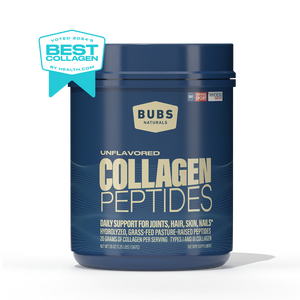
Eating a balanced diet focused on fresh, unprocessed ingredients is our first recommendation for keeping your electrolyte levels in check. It's the "no-BS" approach to wellness that aligns perfectly with our brand values. Just as we prioritize clean ingredients in our supplements, we advocate for whole foods as the foundation of your nutritional strategy. For instance, incorporating our Collagen Peptides into your routine can also contribute to overall wellness, supporting an active lifestyle alongside your electrolyte-rich diet.
Fluid Intake: Beyond Plain Water
While plain water is essential for hydration, it doesn't contain a significant amount of electrolytes on its own. The amount varies based on the water source, but it's typically not enough to meet daily needs, especially for those with active lifestyles. That's where other hydrating fluids come into play.
-
Coconut Water: Often dubbed "nature's sports drink," coconut water is naturally rich in potassium, sodium, magnesium, and calcium. It's a fantastic choice for natural electrolyte replenishment.
-
Fruit and Vegetable Juices: Freshly squeezed fruit juices (in moderation due to sugar content) and vegetable juices can also contribute electrolytes, along with vitamins and antioxidants.
-
Broth: Bone broth and vegetable broths contain sodium, potassium, and other minerals, making them comforting and hydrating options.
-
Milk: Dairy milk contains calcium, potassium, and sodium, making it a source of multiple electrolytes.
For those looking to enhance their morning ritual while supporting sustained energy and mental clarity, our MCT Oil Creamer – 10 oz Tub or Butter MCT Oil Creamer – 10 oz Tub from our Creamers Collection offers a clean, easy-mixing addition to coffee or shakes. While not primarily an electrolyte source, supporting overall bodily function and energy levels complements the holistic approach to wellness that electrolyte balance is a part of.
Why Electrolyte Balance Matters for an Active Life
Maintaining optimal electrolyte balance isn't just about general health; it's absolutely critical for anyone pursuing an active lifestyle, pushing their limits, or simply navigating the daily demands that can lead to fluid loss. For adventurers, athletes, and busy individuals alike, a nuanced understanding of electrolyte dynamics is a game-changer.
Sweat and Loss: The Athlete's Equation
One of the most significant ways our bodies lose electrolytes is through sweat. When we engage in intense physical activity, particularly in hot or humid environments, our sweat rates can increase dramatically. Sweat isn't just water; it's a mineral-rich fluid primarily composed of sodium and chloride, but also containing potassium, magnesium, and calcium.
Consider an endurance athlete tackling a long run in the summer heat or someone spending hours working outdoors. The cumulative loss of these electrolytes can quickly lead to an imbalance. Beyond exercise, other factors like severe vomiting, diarrhea, or certain health conditions can also rapidly deplete electrolyte stores, regardless of activity level. In these scenarios, relying solely on typical food and plain water intake might not be sufficient to replenish what's lost, potentially compromising performance and well-being. This is where strategic replenishment becomes vital.
Signs of Imbalance: Listening to Your Body
Our bodies are remarkably good at sending signals when something is amiss. Recognizing the signs of an electrolyte imbalance is crucial for taking timely action. Symptoms can range from mild to severe, depending on which electrolytes are affected and the extent of the imbalance.
Common signs of a general electrolyte imbalance include:
-
Fatigue and Weakness: A pervasive feeling of tiredness or a lack of strength can be a clear indicator.
-
Muscle Cramps, Spasms, or Weakness: Sodium, potassium, and magnesium are crucial for muscle function, so their imbalance often manifests in muscle-related issues.
-
Headaches: Often accompanying dehydration, headaches can also signal electrolyte disruptions.
-
Nausea and Vomiting: Gastrointestinal distress can be a symptom, and also a cause, of further electrolyte loss.
-
Dizziness or Lightheadedness: Especially when standing up too quickly, this can indicate fluid and electrolyte imbalances affecting blood pressure.
-
Confusion or Irritability: Electrolytes play a role in nerve function and brain health, so cognitive changes can occur.
-
Irregular Heartbeat (Arrhythmias): Potassium, calcium, and magnesium are particularly critical for heart function, and their imbalances can lead to serious cardiac concerns.
-
Changes in Urination: Needing to urinate frequently or having dark urine can be signs of fluid imbalance related to electrolyte levels.
While these symptoms can point to an electrolyte imbalance, it’s important to remember they can also indicate other health issues. If you experience persistent or severe symptoms, always consult a healthcare professional. Our commitment to science-backed wellness means we advocate for understanding your body and seeking professional guidance when needed, rather than self-diagnosing or treating conditions.
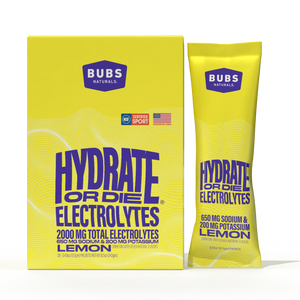
When pushing your physical limits or simply striving for daily vitality, ensuring adequate electrolyte intake is key for sustained performance and recovery. That’s precisely why we created our Hydration Collection. Our performance-focused electrolytes, like Hydrate or Die – Lemon and Hydrate or Die – Mixed Berry, are designed to support fast, effective hydration and muscle function without added sugar. They are a clean, purposeful way to help your body maintain its critical electrolyte balance when you need it most.
Optimizing Your Electrolyte Strategy
For those committed to an adventurous and wellness-focused life, a proactive strategy for electrolyte management is essential. It involves thoughtful dietary habits combined with smart supplementation when specific lifestyle demands require it.
Dietary Habits for Sustained Balance
The cornerstone of optimal electrolyte balance remains a well-rounded diet rich in whole, unprocessed foods. Making conscious choices at every meal can significantly contribute to your body's mineral stores.
-
Prioritize Whole Foods: Build your plate around a variety of fruits, vegetables, lean proteins, nuts, seeds, and whole grains. These foods naturally deliver a spectrum of electrolytes along with other essential vitamins and fiber. For example, a morning smoothie with spinach, banana, and Collagen Peptides provides potassium, magnesium, and calcium, while supporting joint health and recovery.
-
Hydrate Strategically: Don't just drink water; consider what you're drinking. Incorporate natural electrolyte-rich beverages like coconut water or homemade fruit-infused waters on occasion. Keep a water bottle handy throughout the day, refilling often.
-
Listen to Your Cravings: Sometimes, a craving for salty or sweet foods can be a subtle signal from your body that it needs specific minerals. While moderation is key, acknowledging these signals can help you adjust your intake.
-
Be Mindful of Cooking Methods: Over-boiling vegetables can leach out some water-soluble minerals. Steaming or roasting can help retain more nutrients.
A balanced diet also includes supporting overall metabolic health. Our Apple Cider Vinegar Gummies are an excellent addition to your daily wellness habit, made with liquid ACV including "the Mother" to support digestive and general wellness, complementing your efforts to maintain internal balance.
Strategic Supplementation: When and How
While a healthy diet should be your primary source of electrolytes, there are specific scenarios where supplementation can be a beneficial and responsible choice. This is where our "no-BS" approach to clean, functional supplements truly shines.
-
Intense or Prolonged Exercise: If your workouts exceed an hour, especially in warm conditions, or involve heavy sweating, your body may lose electrolytes faster than diet alone can replenish. Supplementing with a clean electrolyte blend can help maintain performance and support recovery.
-
Hot Climates or Environments: Spending extended periods in extreme heat, whether for work or leisure, increases sweat production and electrolyte loss, making supplementation a prudent choice.
-
During Illness with Fluid Loss: Bouts of vomiting or diarrhea can rapidly deplete electrolytes. In such cases, physician-recommended electrolyte solutions may be necessary to prevent dehydration and imbalance.
-
Specific Dietary Restrictions: Individuals with certain dietary restrictions or those who struggle to consume a varied diet might benefit from targeted supplementation under professional guidance.
When considering supplements, quality and transparency are paramount. We believe in providing rigorously tested, science-backed ingredients. Our Hydration Collection offers a clean, sugar-free solution, providing the essential electrolytes your body needs to thrive. Available in refreshing Hydrate or Die – Lemon and invigorating Hydrate or Die – Mixed Berry flavors, it's designed for effortless mixing, ensuring you get fast, effective hydration exactly when you need it.
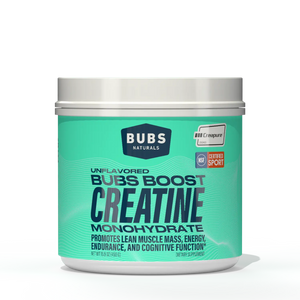
Furthermore, integrating other functional supplements can round out your wellness strategy. For those focused on strength and power, our Creatine Monohydrate can support training performance, while Vitamin C offers antioxidant activity and supports collagen formation, both vital for an active body. These are all part of our broader Boosts Collection, designed to support various aspects of your health journey.
Remember, the goal of supplementation is to support your body's natural functions and help maintain balance during periods of increased demand, not to replace a healthy diet or treat medical conditions. Always prioritize clean, high-quality products that align with your wellness goals.
The BUBS Naturals Difference: Clean Fuel for Your Adventures
At BUBS Naturals, our journey began with a commitment to honor the legacy of Glen "BUB" Doherty, a Navy SEAL who embodied a life of adventure, wellness, and giving back. This ethos is woven into every product we create, especially when it comes to fundamental aspects of health like electrolyte balance.
We understand that true wellness starts from within, fueled by nature's best ingredients. That's why our approach to supplements, including our Hydration Collection, is rooted in being clean, functional, and science-backed. We meticulously source high-quality, natural ingredients, ensuring that what you put into your body is pure and effective. Our "no-BS" philosophy means you'll find only simple, essential components, rigorously tested and certified by third parties like NSF for Sport, guaranteeing their purity and potency. We believe in clarity and results, not complicated formulas or empty promises.
For us, supporting an active lifestyle means providing products that seamlessly integrate into your routine. Our hydration products are designed to mix effortlessly, so you can fuel up quickly and get back to what you love, whether that's hitting the trails, crushing a workout, or simply maintaining peak energy throughout your day.
Beyond providing exceptional products, we carry forward BUB's spirit of generosity through our 10% Rule. We proudly donate 10% of all profits to veteran-focused charities, giving back to those who have served our country. When you choose BUBS Naturals, you're not just investing in your own wellness; you're contributing to a larger purpose, honoring a legacy of courage, service, and purpose.
The pursuit of optimal health and performance, especially when it comes to something as vital as electrolyte balance, should be straightforward and effective. Our Hydration Collection is a testament to this philosophy, offering a clean, sugar-free path to maintaining your body's electrical equilibrium. With refreshing flavors like Hydrate or Die – Lemon and Hydrate or Die – Mixed Berry, we provide the essential support for your body to perform at its best, naturally.
Conclusion
Electrolytes are the unsung heroes of our bodily functions, silently orchestrating everything from nerve signals to muscle contractions and maintaining crucial fluid balance. Understanding where your body gets electrolytes from—primarily through a diverse diet rich in whole foods and adequate hydration—is the first step toward sustained wellness and peak performance. While our bodies are incredibly efficient at regulating these vital minerals, the demands of an active lifestyle, intense workouts, or challenging environmental conditions can sometimes tip the scales, necessitating strategic support.
By recognizing the signs of imbalance and making informed choices about both nutrition and supplementation, you empower your body to maintain its critical electrical charge. We champion a "no-BS" approach to wellness, grounded in clean, science-backed solutions that support your natural physiological processes.
Ready to optimize your hydration and embrace every adventure with confidence? Explore our Hydration Collection today and feel the BUBS difference—clean, effective, and inspired by a legacy of purpose.
FAQ
What are the main electrolytes my body needs, and what do they do?
Your body primarily relies on seven key electrolytes: sodium, potassium, magnesium, calcium, chloride, phosphate, and bicarbonate. These minerals, when dissolved in fluid, carry electrical charges vital for maintaining fluid balance, supporting nerve and muscle function (including heart rhythm), regulating blood pressure, and balancing the body's pH levels. Each plays a distinct role in ensuring your body's systems operate smoothly.
How can I naturally get enough electrolytes through my diet?
The most effective way to obtain electrolytes is through a varied diet rich in whole foods. Excellent sources include fruits like bananas and avocados (potassium), leafy greens such as spinach (magnesium, calcium), dairy products like milk and yogurt (calcium, potassium), nuts and seeds (magnesium), lean meats and fish (phosphate, potassium), and even plain table salt in moderation (sodium, chloride). Prioritizing unprocessed foods ensures a broad spectrum of these essential minerals.
When should I consider supplementing my electrolyte intake beyond food and water?
Supplementation can be beneficial in situations where electrolyte loss is significantly higher than usual. This includes periods of intense or prolonged physical exercise, especially in hot weather when you're sweating heavily. It can also be considered during bouts of severe vomiting or diarrhea, or for those with specific dietary restrictions. For clean and effective support, our Hydration Collection offers performance-focused electrolytes with no added sugar, designed to help you maintain balance during these demanding times. Always consult a healthcare professional for personalized advice.
Are there any risks associated with taking too many electrolytes?
Yes, it is possible to have too much of certain electrolytes, a condition known as hyper- (e.g., hypernatremia for too much sodium). While less common than deficiencies for most people, excessive intake can lead to symptoms like nausea, vomiting, confusion, muscle weakness, or irregular heart rhythms. This is why a balanced approach is key, and why we focus on purposeful, clean ingredients. If you are concerned about your electrolyte levels, or experience any adverse symptoms, it's always best to consult with a doctor.