Table of Contents
- Introduction
- The Science of Mineral Loss on Keto
- The Big Three: Sodium, Potassium, and Magnesium
- Why Glycogen Depletion Matters
- Identifying the Signs of Electrolyte Imbalance
- How to Get More Electrolytes Naturally
- When Whole Foods Aren't Enough
- Timing Your Electrolyte Intake
- The Role of Water Intake
- Customizing Your Intake
- Conclusion
- FAQ
Introduction
You decided to cut the carbs, ditch the sugar, and transition your body into a state of ketosis. The first few days often feel great as the scale moves quickly, but then the "slump" hits. You might feel a dull headache, unexpected fatigue, or a strange lack of power during your morning workout. Many people call this the keto flu, and they often assume it is just a natural part of the process.
In reality, most of these symptoms are tied to a massive shift in how your body handles minerals. When you stop eating carbohydrates, your internal chemistry changes how it retains water and essential salts. This is why you need more electrolytes on keto than you did on a standard diet. At BUBS Naturals, we believe that understanding the "why" behind your body's needs helps you stay on track and perform at your peak. If you want a clean, simple place to start, our Hydration Collection is built for that exact purpose.
This guide will break down the science of mineral loss on a low-carb diet. We will look at which electrolytes matter most and how to replenish them without breaking your fast or adding hidden sugars. Proper hydration is the foundation of a successful ketogenic lifestyle, and you can see more of that approach in Does Electrolyte Water Work? Your Guide to Smart Hydration.
The Science of Mineral Loss on Keto
To understand why your mineral needs spike, you have to look at the hormone insulin. On a standard diet rich in carbohydrates, your insulin levels remain relatively high. Insulin does more than just manage blood sugar; it also tells your kidneys to hold onto sodium. This is a primary reason why high-carb diets are often associated with water retention and bloating.
When you switch to a ketogenic diet, your insulin levels drop significantly. This drop signals your kidneys to enter a state called natriuresis. In plain English, your kidneys stop holding onto sodium and start flushing it out through your urine. Because sodium is the primary driver of fluid balance, water follows it out of the body. This explains the rapid "water weight" loss many people experience in their first week of keto. For a deeper look at how hydration and electrolyte balance work together, read The Electric Current Within: What Is an Electrolyte in Water?.
However, the body is a balanced system. When you lose high amounts of sodium, it creates a domino effect. To maintain balance, your body begins to excrete potassium and magnesium as well. This triple threat of mineral loss is what leads to the brain fog and muscle cramps that derail many newcomers.
Quick Answer: You need more electrolytes on keto because low insulin levels signal your kidneys to flush out sodium. As sodium levels drop, your body also loses potassium and magnesium to maintain internal balance, leading to dehydration and the "keto flu."
The Big Three: Sodium, Potassium, and Magnesium
While there are many electrolytes in the human body, three specific minerals do the heavy lifting. If you are on a ketogenic diet, these are the ones you must prioritize daily.
Sodium: The Fluid Manager
Sodium is often demonized, but it is the most important electrolyte for anyone in ketosis. It regulates blood volume and blood pressure. It also plays a vital role in nerve impulses and muscle contractions. When your sodium levels are too low, your brain may feel "fuzzy," and your physical endurance will likely plummet.
Most people on keto need between 3,000 and 5,000 milligrams of sodium per day. This is significantly higher than standard nutritional guidelines, but your body is no longer "locking" sodium away like it used to. If you want a practical breakdown of sodium’s role, Salt: Is it the Only Electrolyte You Need? is a helpful next stop.
Potassium: The Muscle Protector
Potassium works inside your cells to balance the sodium outside of them. This is often called the sodium-potassium pump. This "pump" is a protein found in every cell of your body that creates the electrical charge needed for your heart to beat and your muscles to move.
On keto, you lose potassium as your body tries to compensate for sodium loss. Low potassium often shows up as heart palpitations, muscle twitches, or a feeling of "heavy legs" during exercise. Aiming for 3,000 to 4,700 milligrams of potassium is a common goal for active adults.
Magnesium: The Recovery Specialist
Magnesium is involved in over 300 different biochemical reactions in the body. It helps with protein synthesis, muscle and nerve function, and blood glucose control. Perhaps most importantly for those on keto, it helps regulate the nervous system and supports deep sleep.
If you find yourself waking up with "charley horse" cramps in your calves, or if you feel unusually irritable, you might be low on magnesium. Most people benefit from 400 to 500 milligrams of magnesium daily.
Key Takeaway: Electrolytes are not just "salts." They are the electrical conductors that allow your brain to communicate with your muscles. Without them, your body’s internal communication system breaks down, leading to fatigue and poor recovery.
Why Glycogen Depletion Matters
Carbohydrates are stored in your muscles and liver as glycogen. Think of glycogen as your body’s backup battery. Each gram of glycogen is stored with about three to four grams of water.
When you start keto, your body burns through its glycogen stores because it isn't getting new glucose from food. As that "battery" drains, it releases all that stored water. This is why you might find yourself running to the bathroom more frequently during the first few days of a low-carb shift.
This water isn't just plain H2O. It is loaded with dissolved minerals. As you flush the water, you flush the electrolytes. If you only drink plain water to replace what you lost, you actually dilute the remaining minerals in your blood. This can make your symptoms worse. If you want a practical overview of smarter hydration, try Hydrate Smart: How to Make Your Own Electrolyte Water.
Identifying the Signs of Electrolyte Imbalance
Your body is excellent at signaling when something is wrong. The problem is that many of these signals are easy to mistake for hunger or "just having a bad day." If you are in ketosis, pay close attention to these common indicators of mineral deficiency.
The "Keto Flu" Symptoms
The most common sign is a cluster of symptoms known as the keto flu. This includes:
- Dull, persistent headaches.
- Nausea or a settled feeling in the stomach.
- Extreme fatigue, even after a full night's sleep.
- Difficulty focusing or "brain fog."
Muscle Issues and Cramping
Because minerals like calcium, magnesium, and potassium govern muscle contraction and relaxation, a deficiency often leads to physical discomfort. You might notice:
- Nightly leg cramps or foot arch spasms.
- Muscle twitching (especially in the eyelids or thighs).
- A noticeable drop in the amount of weight you can lift or how fast you can run.
Cardiovascular and Sleep Changes
Electrolytes regulate your autonomic nervous system. When they are out of whack, you might experience:
- A racing heart or fluttering sensation in your chest.
- Dizziness when standing up too quickly (orthostatic hypotension).
- Insomnia or difficulty staying asleep through the night.
Myth: You only need electrolytes if you are a professional athlete or if you are sweating heavily.
Fact: On a ketogenic diet, your body loses minerals through urination regardless of your activity level. Even a sedentary person in ketosis needs more electrolytes than a sedentary person eating a high-carb diet.
How to Get More Electrolytes Naturally
Before reaching for a supplement, you can do a lot to support your mineral levels through your diet. The key is choosing whole foods that are naturally rich in these minerals without adding excessive sugar or carbs.
-
Sea Salt: Be more liberal with the salt shaker. High-quality sea salt or Himalayan pink salt contains sodium and trace minerals. Salt your meat, your eggs, and even your avocados.
-
Bone Broth: This is a keto staple for a reason. It is naturally high in sodium and potassium. Sipping a cup of warm bone broth in the afternoon can often clear up a "keto headache" in minutes.
-
Leafy Greens: Spinach, kale, and Swiss chard are excellent sources of potassium and magnesium. Aim for at least two to three cups of cooked or raw greens per day.
-
Avocados: One medium avocado contains more potassium than a banana, with a fraction of the sugar. It is the perfect keto food for electrolyte support.
-
Nuts and Seeds: Pumpkin seeds and almonds are high in magnesium. Just be mindful of the portion sizes, as the calories can add up quickly.
When Whole Foods Aren't Enough
While a clean diet is the foundation, many active people find it difficult to hit their mineral targets through food alone. This is especially true if you train hard, live in a hot climate, or have a physically demanding job.
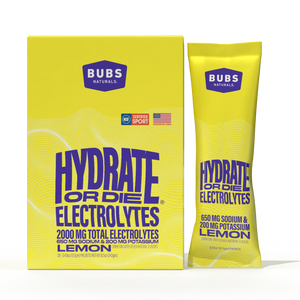
When you sweat, you lose even more sodium. If you are already in a state where your kidneys are flushing salt, a hard workout can push you into a deficit very quickly. This is where a targeted supplement becomes a practical tool for your routine. Our Hydrate or Die electrolyte powder was designed for exactly that kind of support.
Note: Many "sports drinks" found in grocery stores are loaded with sugar or maltodextrin. These ingredients can spike your insulin and kick you out of ketosis. Always check your labels for hidden carbohydrates when looking for hydration support.
Timing Your Electrolyte Intake
Consistency is more important than a single large dose. If you take all your electrolytes at once, your body may flush the excess, and it can sometimes cause digestive upset. Instead, aim to spread your intake throughout the day.
Morning Routine
Start your day with a large glass of water and a pinch of salt or an electrolyte scoop. You wake up naturally dehydrated after several hours of sleep. Giving your brain a mineral boost first thing can help eliminate that morning grogginess. If you want a simple make-at-home option, Hydrate Smart: What is a Natural Electrolyte to Add to Water? is worth a look.
Pre and Post-Workout
If you plan to hit the gym or go for a run, take your electrolytes about 30 minutes before you start. This ensures your muscles have the electrical charge they need to perform. Follow up with another dose after your workout to replace what you lost through sweat.
Before Bed
Magnesium is best taken in the evening. It helps relax the muscles and supports the production of GABA, a neurotransmitter that helps the brain "shut down" for sleep. If you suffer from nighttime leg cramps, a serving of magnesium before bed can be a total lifesaver.
Bottom line: Managing electrolytes on keto isn't a one-time fix; it's a daily habit. By spreading your mineral intake throughout the day, you maintain steady energy levels and avoid the "crashing" sensation often associated with low-carb living.
The Role of Water Intake
There is a common mistake in the keto community: drinking massive amounts of plain water to "flush toxins" or stay hydrated. While staying hydrated is important, drinking too much plain water can be dangerous on keto.
If you drink a gallon of plain water but don't increase your salt intake, you are essentially washing the minerals out of your blood. This is known as dilution. It can lead to a condition called hyponatremia, where your blood sodium levels become dangerously low.
The goal isn't just to drink "more" water. The goal is to drink "effective" water. Effective water contains the salts necessary to help that water enter your cells and stay where it’s needed. Listen to your thirst. If you are drinking plenty of water but still feel thirsty or have a dry mouth, it’s a classic sign that you lack the electrolytes needed to actually absorb that water. For another take on this, see Plain Water & Electrolytes: The Full Hydration Story.
Customizing Your Intake
Everyone’s mineral needs are different. A 200-pound man training for a marathon in Florida will need significantly more sodium than a 130-pound woman doing yoga in a climate-controlled room.
Start with the baseline recommendations and pay attention to how you feel. If you still have headaches, add more salt. If you have loose stools, you might be taking too much magnesium at once and should scale back or spread out the dose.
Keto is a journey of learning how your body responds to different fuel sources. Minerals are the "oil" in the engine that keeps everything running smoothly while you burn fat for fuel.
Conclusion
Transitioning to a ketogenic lifestyle is a bold move toward better health and mental clarity. However, you cannot ignore the basic physiological requirements of a low-carb body. Because your body no longer holds onto water and salt the way it did when you ate sugar, you must be intentional about your mineral intake.
Focus on the big three: sodium, potassium, and magnesium. Use high-quality sea salt, eat your leafy greens and avocados, and use a clean supplement like our Hydrate or Die when you need a concentrated boost. When you get your electrolytes right, the "keto flu" disappears, and you are left with the steady, clean energy that makes this lifestyle so effective.
Our mission is to help you live a life of adventure and purpose, and that starts with a body that functions exactly the way it should. We also believe in a higher purpose beyond just physical wellness, which is part of BUBS Naturals' story. That is why we donate 10% of all our profits to veteran-focused charities. It’s our way of honoring the legacy of Glen "BUB" Doherty and supporting the community he loved. Take care of your body, stay hydrated, and get back to the mission.
FAQ
Can I get enough electrolytes on keto from food alone?
Yes, it is possible but requires very intentional planning. You would need to consume large amounts of leafy greens, avocados, and bone broth, while also being very aggressive with the salt shaker. Many people find that a supplement is a more reliable way to ensure they hit their targets, especially if they are physically active. If you want to explore a clean option, the Hydration Collection is a simple place to start.
Will taking electrolytes break my fast?
Pure electrolytes like sodium, potassium, and magnesium do not contain calories and will not break a fast. However, you must check the labels of your supplements. Many brands use sugar, juice powders, or maltodextrin for flavoring, which will spike your insulin and break your fast. Always look for a zero-sugar formula, and review the details on Hydrate or Die before choosing a mix.
How much salt should I add to my water?
A common starting point is a small pinch of high-quality sea salt (about 1/8 to 1/4 teaspoon) in every 16 to 24 ounces of water. If the water tastes overly salty or unpleasant, you’ve added too much. It should taste "smooth" and refreshing. If you are using a flavored electrolyte powder, additional salt is usually not necessary. If you want a deeper look at formulating your own mix, Hydrate Smart: How to Make Water Electrolyte for Peak Wellness is a useful read.
Why do I get a headache every time I start keto?
This is almost always a sign of sodium deficiency. When insulin drops, your kidneys flush out sodium, which changes the pressure in your blood vessels and affects the brain. Drinking a cup of salty broth or taking an electrolyte supplement usually resolves a keto headache within 20 to 30 minutes.