Table of Contents
- Introduction
- The Unseen Architects of Performance: What Are Electrolytes?
- The Runner’s Dilemma: Why Electrolytes Matter on the Move
- Decoding Your Personal Equation: Factors Influencing Electrolyte Needs
- Practical Strategies for Electrolyte Replenishment
- Finding Your Sweet Spot: Methods for Personalization
- Beyond the Run: Everyday Electrolyte Habits
- Conclusion
- FAQ
Introduction
Picture this: you’re deep into a challenging run, the miles melting away, your body moving with a rhythm you’ve trained tirelessly to perfect. Suddenly, a familiar, unwelcome sensation creeps in—a hint of fatigue, perhaps a twitch in your calf, or an unquenchable thirst that water alone can’t seem to satisfy. What's often overlooked in these moments is the invisible force that fuels every stride: electrolytes. These vital minerals are not just buzzwords on sports drink labels; they are the unseen architects responsible for maintaining proper fluid balance, nerve function, and muscle contractions that keep you moving.
For runners, the question of "how much electrolytes do I need running" isn't just about avoiding a mid-run bonk; it’s about optimizing performance, accelerating recovery, and safeguarding your body’s intricate systems. Every bead of sweat you shed carries away these essential charged ions, and if not replenished effectively, the consequences can range from a slight dip in pace to more severe health implications like dehydration or, ironically, hyponatremia.
We believe in a life of adventure, wellness, and purpose, and understanding your body's nuanced needs is central to that belief. In this comprehensive guide, we'll demystify electrolyte requirements for runners, diving into what these minerals are, why they're so critical during exercise, how various factors influence your personal needs, and most importantly, how to craft a smart, science-backed replenishment strategy before, during, and after your runs. Our goal is to empower you with the knowledge to stay balanced, perform at your best, and recover with precision, reflecting our no-BS approach to wellness.
The Unseen Architects of Performance: What Are Electrolytes?
To truly grasp the significance of electrolytes for runners, we first need to understand what they are and the crucial roles they play within the body. Electrolytes are essentially minerals that carry an electric charge when dissolved in fluid, whether that fluid is blood, sweat, or cellular water. Think of them as tiny electrical conductors, facilitating a myriad of essential bodily functions. The primary electrolytes vital for human health and athletic performance include sodium, potassium, magnesium, calcium, and chloride.
Their collective responsibilities are vast and interconnected:
Fluid Balance and Hydration
Electrolytes are indispensable for maintaining proper fluid balance both inside and outside your cells. Sodium, in particular, acts like a magnet for water, drawing it into the right places to ensure optimal hydration. This helps regulate blood volume, which is crucial for delivering oxygen and nutrients to working muscles. Without adequate electrolyte levels, your body struggles to retain the fluid it needs, even if you’re drinking plenty of plain water, leading to impaired hydration.
Nerve Impulse Transmission
Our nervous system operates on electrical signals. Electrolytes are the mediums through which these signals are conducted. Sodium and potassium ions, in particular, are key players in generating nerve impulses, allowing your brain to communicate effectively with your muscles, coordinating every stride and movement.
Muscle Contraction and Relaxation
When you run, your muscles are constantly contracting and relaxing. Calcium is essential for initiating muscle contraction, while magnesium is vital for muscle relaxation. Sodium and potassium also contribute significantly to this process. An imbalance in these electrolytes can disrupt normal muscle function, leading to cramps, spasms, and overall muscular fatigue—a common frustration for many runners.
Blood Pressure Regulation
Electrolytes, especially sodium, play a role in regulating blood pressure. Maintaining appropriate levels helps support cardiovascular function, ensuring that blood flows efficiently throughout your body, which is vital during prolonged exercise.
Thermoregulation
As your body generates heat during a run, it cools itself primarily through sweating. Electrolytes are intrinsically linked to this process, as they are lost in sweat. Balanced electrolyte levels support the body’s ability to sweat effectively, thereby regulating core body temperature and preventing overheating.
How Electrolytes Are Lost
While electrolytes are fundamental to these processes, they are also constantly being lost, primarily through sweat during physical activity, but also through urine. For runners, who often engage in extended periods of moderate to high-intensity exercise, sweat rates can be significantly elevated, leading to substantial electrolyte depletion. This constant outflow means that active individuals, especially endurance runners, have a heightened need for consistent replenishment to keep their systems running smoothly.
Understanding these roles helps highlight why simply drinking water isn't always enough to maintain optimal performance and wellness during demanding runs. It underscores our commitment to providing clean, science-backed solutions that support your body’s natural functions.
The Runner’s Dilemma: Why Electrolytes Matter on the Move
For runners, the rhythmic pounding of feet on pavement or trail can quickly shift from invigorating to debilitating if electrolyte balance is compromised. The stakes are higher for active individuals because the very mechanism your body uses to cool itself – sweating – is also the primary way these critical minerals are lost. When these losses are not adequately replaced, a runner faces a unique set of challenges that can impact everything from performance to overall health.
Impact of Electrolyte Imbalance
Dehydration
While often associated with insufficient fluid intake, true dehydration is more accurately described as a state where the body loses more fluid and electrolytes than it takes in. Mild dehydration can manifest as increased thirst, fatigue, and a noticeable drop in performance. Studies show that even a 2% loss in body weight due to fluid depletion can impair exercise performance. When your core temperature rises and plasma volume decreases, your heart rate increases, accelerating fatigue and impacting cognitive function. For runners, this means slower paces, reduced coordination, and difficulty concentrating on the task at hand.
Hyponatremia (Overhydration)
Perhaps counter-intuitively, endurance runners are also susceptible to hyponatremia, a potentially dangerous condition where blood sodium levels become dangerously low. This often occurs when runners consume large volumes of plain water during extended efforts without adequate electrolyte replacement. The excessive water dilutes the existing sodium in the body, leading to symptoms like headaches, confusion, nausea, and in severe cases, seizures, coma, or even death. It’s a stark reminder that hydration is a delicate balance, not just a matter of "more water." Our dedication at BUBS Naturals is to provide simple, effective options that help you maintain this crucial balance without compromise.
Muscle Cramps
The dreaded mid-run muscle cramp is a familiar adversary for many runners. While the exact cause can be multifactorial (including muscle fatigue and nervous system overload), electrolyte imbalance, particularly a significant loss of sodium, is a major contributing factor. Sodium, potassium, magnesium, and calcium all play integral roles in proper muscle contraction and relaxation, and when their balance is disrupted, muscles can misfire, leading to painful spasms.
"Bonking" or "Hitting the Wall"
While primarily associated with carbohydrate depletion, the feeling of "bonking" – a sudden and profound loss of energy – can be exacerbated by poor electrolyte balance. Electrolytes support the efficient transport of nutrients, including glucose, to working muscles. When electrolyte levels are low, cellular function can be impaired, making it harder for your body to convert fuel into usable energy, thereby compounding feelings of exhaustion.
At BUBS Naturals, our commitment to supporting active lifestyles means we understand these challenges intimately. We believe in a no-BS approach, offering clean, functional supplements designed to support your body's needs so you can focus on the adventure ahead. This dedication is inspired by Glen "BUB" Doherty's legacy, embodying resilience and pushing boundaries while prioritizing well-being.
Decoding Your Personal Equation: Factors Influencing Electrolyte Needs
Determining precisely how much electrolytes you need running is not a one-size-fits-all answer. It's a highly individualized equation, influenced by a complex interplay of personal physiology, environmental conditions, and the specifics of your run. Understanding these factors is key to developing a truly effective hydration and electrolyte strategy.
Individual Variability
Sweat Rate
The most significant factor influencing electrolyte loss is your individual sweat rate – the amount of fluid you lose per hour of exercise. This can vary dramatically among individuals, ranging from as little as 400 milliliters to over 2.4 liters per hour. A higher sweat rate naturally means a greater loss of both water and electrolytes, necessitating more aggressive replenishment. Factors like body size, genetics, and acclimatization to heat all play a role in determining your sweat rate.
"Salty Sweater" Status
Beyond the sheer volume of sweat, the concentration of electrolytes in your sweat also varies. Some individuals are "salty sweaters," meaning they lose a higher concentration of sodium in their sweat compared to others. You might be a salty sweater if you notice visible white salt crystals on your skin, clothing, or hat after a run, or if your sweat tastes particularly salty. For these individuals, adequate sodium replacement is even more critical to prevent imbalances.
Fitness Level
Interestingly, a runner's fitness level can also influence electrolyte loss. Less fit runners may initially lose more electrolytes compared to avid, well-trained runners who are often more efficient at maintaining electrolyte homeostasis (balance). However, as fitness improves, higher intensity and duration of runs can still lead to significant losses.
Biological Sex
Emerging research suggests that biological sex can influence sweat rates and electrolyte loss. For instance, women in the luteal phase of their menstrual cycle may experience higher core body temperatures and potentially increased sweat rates and sodium losses due to hormonal shifts. Acknowledging these nuances allows for a more tailored approach to hydration.
Environmental Factors
Temperature and Humidity
Running in hot and/or humid conditions dramatically amplifies sweat production as your body works harder to cool itself. This directly translates to increased fluid and electrolyte losses, making consistent replenishment absolutely essential. What might be sufficient on a cool day could be dangerously inadequate during a summer heatwave.
Altitude
Higher altitudes present unique challenges to fluid and electrolyte balance. Reduced oxygen availability causes an increased rate of respiration (breathing), leading to greater fluid loss through exhaled air. Runners training or competing at elevation must account for these additional losses in their hydration plan.
Run Specifics
Duration and Intensity
Simply put, longer and more intense runs lead to greater cumulative sweat and electrolyte losses. A leisurely 30-minute jog will have vastly different requirements than a multi-hour marathon training run or a high-intensity interval session. The longer you're out there, and the harder you push, the more vigilant you need to be about electrolyte intake.
Clothing
The type and amount of clothing you wear can also affect how much you sweat by trapping heat. While appropriate for cold weather, heavily insulated clothing in milder temperatures can elevate core body temperature and increase sweat rates.
Recognizing these variables means moving beyond generic advice. It encourages a personalized approach, empowering you to listen to your body and adjust your strategy to meet its unique demands for a life of adventure and purpose.
Practical Strategies for Electrolyte Replenishment
Navigating the complexities of electrolyte needs requires a strategic approach that spans before, during, and after your runs. Our goal at BUBS Naturals is to simplify this process with clean, effective solutions that seamlessly integrate into your active lifestyle.
Before the Run: Pre-Hydration & Priming
Starting a run in a state of dehydration or electrolyte deficit is like starting a race already behind the pack. Proper pre-hydration primes your body for the demands ahead and can significantly impact performance and comfort.
-
Consistent Daily Intake: Optimal hydration begins long before your run. Aim to drink water consistently throughout the day, every day. For a general guideline, many experts suggest drinking at least half your body weight in ounces of water daily.
-
The Day Before: For longer runs or races, focus on consistent fluid intake the day prior. This doesn't mean chugging gallons, but rather steadily sipping water and electrolyte-rich fluids.
-
2-3 Hours Prior: Consume about 16-20 ounces of water or an electrolyte drink 2 to 3 hours before your run. This gives your body time to absorb the fluids and excrete any excess.
-
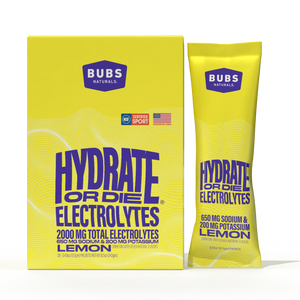
15 Minutes Prior: About 15 minutes before you start, have another 6-8 ounces. If you anticipate a long, intense, or hot run, consider opting for an electrolyte solution during this window to top up your stores. This is where products like our Hydrate or Die – Lemon or Hydrate or Die – Mixed Berry from our Hydration Collection can be incredibly beneficial. They provide essential electrolytes without added sugar, supporting fast, effective hydration.
-
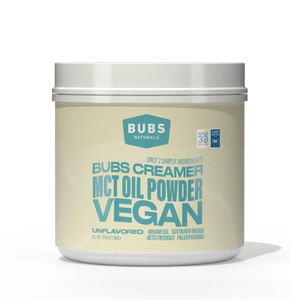
Energy Boost: For those who enjoy a pre-run coffee, consider mixing in our MCT Oil Creamer – 10 oz Tub or a convenient MCT Oil Creamer – 14 ct Travel Pack for sustained energy and mental clarity.
During the Run: Sustained Support
This is where active replenishment becomes paramount, especially as run duration and intensity increase.
-
Runs Under 60 Minutes: For shorter, less intense runs in moderate conditions, plain water is often sufficient. Your body's stored electrolytes should be adequate. However, if it's exceptionally hot or you know you're a heavy, salty sweater, even shorter runs might warrant a small amount of electrolytes.
-
Runs Over 60 Minutes: Once you push past the hour mark, active electrolyte supplementation becomes vital. The American College of Sports Medicine (ACSM) recommends aiming for 300-600 milligrams of sodium per hour during exercise. Some experts suggest a starting point of 700-900mg of sodium per 1000ml of fluid.
-
Sip, Don't Gulp: The key is to sip small amounts frequently (e.g., 4-8 ounces every 15-20 minutes) rather than gulping large volumes sporadically. This allows for better absorption and helps prevent stomach sloshing or discomfort.
-
Our Solution: Our Hydration Collection is designed with active individuals in mind. With performance-focused electrolytes and no added sugar, our Hydrate or Die – Lemon and Hydrate or Die – Mixed Berry powders mix effortlessly with water, providing the balance of sodium, potassium, and magnesium needed to support muscle function and maintain fluid balance. Whether you choose the zesty lemon or the vibrant mixed berry, our solutions support your journey without the unnecessary additives often found in conventional sports drinks. You can even grab a convenient Hydrate or Die – Bundle to keep both flavors on hand.
After the Run: Replenishing & Recovery
Recovery is an integral part of performance, and proper post-run electrolyte replenishment is crucial for restoring balance and aiding the body's repair processes.
-
Quantify Loss: A useful strategy is to weigh yourself before and after a run (without clothes, after towel drying). For every pound of body weight lost, aim to consume 16-24 ounces of fluid, including electrolytes.
-
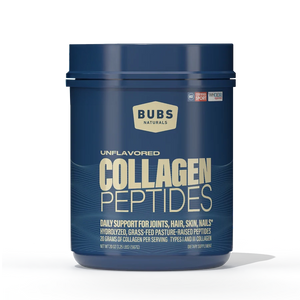
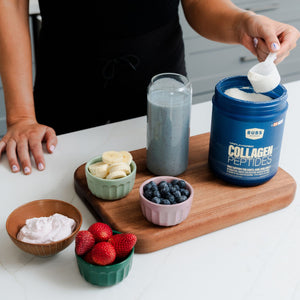
Combine with Carbs and Protein: Post-run, your body needs more than just fluids and electrolytes. Combining them with carbohydrates (to replenish glycogen stores) and protein (for muscle repair) creates an optimal recovery environment. Chocolate milk is a classic example, but a well-formulated recovery shake with our Collagen Peptides can also work wonders. Our grass-fed, pasture-raised hydrolyzed Collagen Peptides (Types I & III) support joints, skin, hair, nails, and overall recovery, mixing easily into any post-workout drink.
-
Natural Food Sources: Don’t underestimate the power of real food. Salty snacks like pretzels, nuts, and even a pickle can contribute sodium. Bananas and potatoes are excellent sources of potassium, while leafy greens and pumpkin seeds offer magnesium.
-
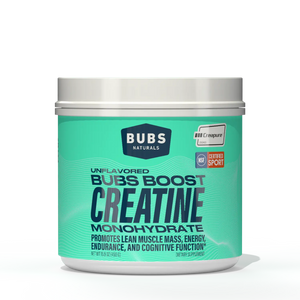
Boost Your Recovery: Consider adding other targeted supplements to your post-run routine. Our Creatine Monohydrate can support strength and power, while Vitamin C, with citrus bioflavonoids, supports antioxidant activity and collagen formation. For general wellness support, our Apple Cider Vinegar Gummies are a convenient daily habit.
By strategically planning your electrolyte intake across all phases of your run, you can support your body's natural functions, enhance your performance, and ensure a more effective recovery, aligning with our values of clean, functional wellness.
Finding Your Sweet Spot: Methods for Personalization
Given the highly individualized nature of electrolyte loss, moving beyond general guidelines to a truly personalized strategy can be a game-changer for runners. While no method is perfectly absolute, several approaches can help you find your unique "sweet spot" for electrolyte replenishment.
Sweat Testing
The most precise way to determine your individual electrolyte needs is through a sweat test.
-
Lab-Based Analysis: Many sports performance labs offer custom sweat tests. During a controlled exercise session, specialists collect and analyze your sweat to measure its electrolyte concentration, particularly sodium. This data is then used to create a highly personalized hydration and electrolyte plan. This method provides the most accurate snapshot of your losses.
-
DIY Kits: For those without access to a lab, some companies offer at-home DIY kits. These typically involve collecting a sweat sample during a workout and sending it in for analysis. While perhaps not as rigorously controlled as a lab test, they can still provide valuable insights into your "salty sweater" status.
While a sweat test offers precision, it's not always necessary for every runner. Many can achieve effective results through careful observation and trial and error.
Trial and Error: Listening to Your Body
This practical approach involves starting with general recommendations and then meticulously observing your body's responses, making adjustments as needed.
-
Start with Guidelines: Begin with the widely accepted recommendations, such as 300-600mg of sodium per hour for runs over 60 minutes, especially if using a product from our Hydration Collection.
-
Pay Attention to Signals: Become attuned to your body's cues.
-
Cramps: Persistent muscle cramps, even after stretching, can be a sign of electrolyte imbalance, particularly low sodium or magnesium.
-
Fatigue: Unusual or excessive fatigue that doesn't resolve with fuel intake might indicate an electrolyte issue.
-
Thirst: A lingering, unquenchable thirst even after drinking water is a classic sign.
-
Bloating/Stomach Issues: Too much sodium without enough water, or an overall imbalance, can lead to gastrointestinal distress. Conversely, stomach sloshing might indicate too much fluid without sufficient electrolytes.
-
Experiment with Products and Concentrations: Try different electrolyte sources (e.g., our Hydrate or Die – Lemon or Hydrate or Die – Mixed Berry) and adjust the concentration or frequency. Perhaps you need a bit more sodium on a very hot day, or a slightly lower dose on a cooler, less intense run. Always stick to products that align with our no-BS commitment to clean ingredients.
-
Adjust for Conditions and Run Types: Keep a training log where you note environmental conditions (temperature, humidity), run duration and intensity, your hydration strategy, and how you felt (energy levels, presence of cramps, recovery). Over time, patterns will emerge, helping you refine your approach for specific scenarios.
Monitoring Urine Color
A simple, daily indicator of your overall hydration status is the color of your urine. While not a precise measure of electrolyte balance, it offers a quick visual check. Aim for a pale yellow color, similar to lemonade. If your urine is consistently dark yellow or amber, it's a strong sign you need to increase your fluid and electrolyte intake. Keep in mind that some supplements, like Vitamin C, can temporarily alter urine color, so use this indicator with context.
By combining scientific insights with attentive self-observation, every runner can develop a personalized electrolyte strategy that supports their unique journey toward wellness and adventure. It’s about taking ownership of your health, much like Glen “BUB” Doherty embraced life with purpose.
Beyond the Run: Everyday Electrolyte Habits
While the focus for runners often centers on electrolyte intake directly before, during, and after exercise, it's crucial to remember that optimal electrolyte balance is a 24/7 endeavor. Your body relies on these minerals for countless processes, not just when you're logging miles. Cultivating strong everyday electrolyte habits provides a robust foundation for peak performance and faster recovery when you hit the pavement or trails.
Consistent Daily Hydration is Foundational
Think of your daily fluid intake as the bedrock of your hydration strategy. If you start your run chronically under-hydrated, you're already fighting an uphill battle. Aim for consistent water consumption throughout the day, even on rest days. Incorporating our clean, functional MCT Oil Creamer into your morning coffee or favorite smoothie can also contribute to your daily fluid intake while supporting sustained energy.
Integrating Electrolyte-Rich Foods into Your Diet
A balanced diet rich in whole, unprocessed foods is an excellent source of naturally occurring electrolytes. By consciously including these foods, you can maintain healthy baseline levels.
-
Sodium: Beyond table salt, you can find sodium in foods like pickles, salted nuts, and many fermented foods.
-
Potassium: Abundant in fruits and vegetables such as bananas, avocados, potatoes (with the skin), spinach, and sweet potatoes.
-
Magnesium: Found in leafy greens, nuts (almonds, cashews), seeds (pumpkin, chia), legumes, and whole grains. Our Collagen Peptides also contain trace minerals, including magnesium.
-
Calcium: Dairy products, fortified plant milks, leafy greens (kale, collard greens), and sardines are good sources.
-
Chloride: Usually found alongside sodium in foods.
Making these a regular part of your meals and snacks ensures a steady supply of these vital minerals.
When Daily Supplementation Might Be Beneficial Even Off the Run
While a balanced diet covers most daily needs, there are situations where consistent, low-level electrolyte supplementation can be beneficial, even on non-running days.
-
Hot Weather: During periods of sustained hot weather, your body may be sweating more throughout the day, not just during exercise. A small daily dose of electrolytes can help maintain balance.
-
Illness or Digestive Upset: Vomiting or diarrhea can rapidly deplete electrolytes. During recovery, gentle electrolyte replenishment is crucial.
-
High-Stress Periods: Stress can impact various bodily functions, and ensuring adequate electrolyte balance can be a supportive measure.
-
Supporting Overall Wellness: For those committed to an active lifestyle and general wellness, ensuring consistent electrolyte intake contributes to the body's optimal functioning. Our Apple Cider Vinegar Gummies, made with liquid ACV and "the Mother," offer a convenient daily habit for digestive and general wellness support, which in turn can aid overall body balance.
At BUBS Naturals, we emphasize that wellness is a holistic journey. Our products, rigorously tested and certified by third parties like NSF for Sport, are crafted with a no-BS philosophy—only simple, effective ingredients to support your body's natural functions. By making conscious choices about your daily hydration and nutrient intake, you’re not just preparing for your next run; you're investing in your long-term health and vitality, embodying the spirit of adventure and purpose inspired by Glen "BUB" Doherty.
Conclusion
Understanding "how much electrolytes do I need running" transcends simple numbers; it's about a deep, intuitive connection with your body’s signals and the science that underpins optimal performance. Electrolytes are not merely ingredients in a sports drink; they are fundamental minerals that facilitate fluid balance, muscle function, nerve transmission, and overall physiological resilience. Their consistent replenishment is paramount for runners to prevent performance plateaus, mitigate the risks of dehydration and hyponatremia, and support efficient recovery.
We’ve explored the intricate factors that make electrolyte needs so individual, from your unique sweat rate and "salty sweater" status to environmental conditions and the intensity of your efforts. By embracing strategies for strategic pre-hydration, sustained support during your run, and precise post-run replenishment, you empower your body to perform at its peak and recover more effectively.
At BUBS Naturals, we champion a life of adventure, wellness, and purpose. We believe in empowering you with clean, functional, and science-backed supplements, inspired by the enduring legacy of Glen "BUB" Doherty. Our commitment is to provide you with the essential tools to fuel your journey, ensuring that every mile is met with strength and vitality.
Ready to optimize your hydration strategy with ingredients you can trust? Explore our Hydration Collection today. Discover the clean, performance-focused electrolytes in our Hydrate or Die – Lemon and Hydrate or Die – Mixed Berry, designed to support your body’s needs without compromise. With every purchase, you’re also contributing to our 10% Rule, as we donate 10% of all profits to veteran-focused charities, honoring BUB's spirit of service and resilience. Choose BUBS Naturals, and feel the difference of a no-BS approach to wellness.
FAQ
How can I tell if I'm a "salty sweater"?
You might be a "salty sweater" if you frequently notice visible white salt streaks or crystals on your skin, clothes, or hat after a run, even after drying. Another indicator is if your sweat stings your eyes more than average, or if open cuts feel particularly irritated by your sweat. These signs suggest you lose a higher concentration of sodium in your sweat and may require more aggressive sodium replenishment than other runners.
Is plain water ever enough for runners?
Yes, for shorter, lower-intensity runs lasting less than 60 minutes, especially in cooler weather, plain water is often sufficient. Your body's stored electrolytes are generally adequate for these durations. However, as runs extend beyond an hour, increase in intensity, or occur in hot and humid conditions, plain water alone becomes insufficient. In these scenarios, supplementing with electrolytes, particularly sodium, is crucial to maintain fluid balance, prevent cramps, and support sustained performance.
Can I get too many electrolytes?
While it's less common for runners to consume too many electrolytes than too few, it is possible to overdo it, especially with sodium. Excess sodium intake without adequate water can lead to bloating as water moves from the bloodstream to dilute the sodium concentration. In severe cases, very high electrolyte levels can cause symptoms similar to low levels, such as nausea, confusion, and muscle weakness. Always follow recommended guidelines and listen to your body's signals, and consult a healthcare professional if you have concerns, especially if you have pre-existing health conditions.
How do BUBS Naturals electrolytes compare to other options?
Our Hydration Collection stands out due to our commitment to clean, functional ingredients and a no-BS approach. Our Hydrate or Die – Lemon and Hydrate or Die – Mixed Berry electrolytes are performance-focused, meaning they provide the essential minerals like sodium, potassium, and magnesium to support fast, effective hydration and muscle function, but with absolutely no added sugar. They mix effortlessly and are rigorously tested to meet our high standards for purity and potency, providing a clean fuel source for your adventures without unnecessary additives.