Table of Contents
- Introduction
- What Exactly Are Electrolytes?
- The Crucial Roles Electrolytes Play
- Key Electrolytes and Their Specific Functions
- How Electrolyte Balance is Maintained
- Recognizing Electrolyte Imbalance
- Fueling Your Body with Electrolytes
- The BUBS Naturals Difference: Clean Hydration for Every Adventure
- Beyond Hydration: A Holistic Wellness Approach
- Conclusion
- FAQ
Introduction
Ever felt that inexplicable dip in energy, the sudden muscle cramp during a workout, or a persistent dull headache despite drinking water? Often, these seemingly minor discomforts trace back to something fundamental: the hidden world of electrolytes. Far from being just a buzzword in sports drinks, these tiny, electrically charged minerals are the unsung heroes orchestrating countless vital processes within us every second of every day. Without them, our bodies simply wouldn't function as nature intended. This article will delve into the profound impact of electrolytes, exploring their essential roles in maintaining fluid balance, nerve signaling, muscle function, and overall well-being. We'll break down what these critical components are, how they perform their duties, and what happens when their delicate balance is disrupted. By understanding the intricate work of these essential minerals, you'll gain valuable insights into supporting your body's natural resilience and performance, whether you're tackling a mountain trail or simply navigating a busy day.
What Exactly Are Electrolytes?
At its core, the human body is a marvel of biological engineering, and a significant portion of its operational prowess relies on electrical signals. Electrolytes are the very conductors of this internal electricity. Derived from the Greek words "electro" (electricity) and "lytos" (soluble), electrolytes are substances that acquire a positive or negative electrical charge when dissolved in water or other body fluids. Since our bodies are roughly 60% water, these charged particles are present in nearly every fluid and cell, from our blood and urine to the fluid surrounding our cells.
Imagine salt dissolved in water. Salt, or sodium chloride, splits into positively charged sodium ions (cations) and negatively charged chloride ions (anions). These separated ions allow the solution to conduct electricity. Similarly, in our bodies, essential minerals like sodium, potassium, calcium, magnesium, chloride, phosphate, and bicarbonate dissociate into ions when they enter our system through food and drink. These ions then facilitate crucial electrical impulses that drive everything from a heartbeat to a thought.
Their presence and balance are so fundamental that they are involved in regulating chemical reactions, maintaining the equilibrium of fluids inside and outside our cells, and ensuring that our cells can absorb nutrients and expel waste. The precise concentration of each electrolyte is tightly regulated, as even slight deviations can have significant implications for our health and functional capacity. Understanding this basic electrical nature is the first step in appreciating the profound "what electrolytes do to your body."
The Crucial Roles Electrolytes Play
Electrolytes are not just passive passengers in our bodily fluids; they are active participants in a vast array of physiological processes, serving as critical intermediaries for proper function. Their roles extend far beyond simple hydration, touching upon almost every system in the body.
Maintaining Fluid Balance
One of the most widely recognized functions of electrolytes is their indispensable role in fluid balance. Water, while vital, doesn't simply distribute itself evenly throughout the body. Electrolytes, particularly sodium and chloride, create osmotic gradients that draw water to where it's needed most. They control how much water stays inside our cells versus outside in the extracellular fluid. This intricate balance is crucial for maintaining proper blood volume, blood pressure, and ensuring that cells don't swell or shrink excessively, which could impair their function. A stable fluid balance is fundamental for everything from nutrient delivery to waste removal, impacting our overall vitality and how we feel day-to-day.
Supporting Nerve and Muscle Function
Our nervous system and muscles communicate through electrical impulses, and electrolytes are the backbone of this communication. Sodium and potassium, in particular, are key players in the "sodium-potassium pump," a mechanism that generates electrical potential across cell membranes. This allows nerve cells to transmit signals rapidly throughout the body, enabling sensation, thought, and movement. Similarly, muscle contraction is initiated by electrical signals that depend on the precise movement of electrolytes like calcium and magnesium, which trigger the muscle fibers to contract and relax. Without a proper balance of these charged minerals, muscle weakness, cramps, or even more severe neurological and cardiac issues can arise, making their role in supporting an active lifestyle undeniably critical.
Regulating pH (Acid/Base) Levels
The body's internal environment must maintain a very narrow pH range to function optimally. Even slight shifts towards acidity or alkalinity can disrupt cellular processes and enzyme activity. Electrolytes like bicarbonate and chloride are integral to the body's buffer systems, which work tirelessly to neutralize excess acids or bases and keep blood pH within a healthy range. This acid-base balance is vital for everything from oxygen transport to metabolic efficiency. Supporting this delicate equilibrium is another testament to what electrolytes do to your body.
Transporting Nutrients and Removing Waste
Beyond their electrical properties, electrolytes facilitate the movement of other essential substances. They assist in transporting nutrients like glucose and amino acids across cell membranes, ensuring that our cells receive the fuel and building blocks they need. Simultaneously, they aid in the removal of metabolic waste products, preventing their accumulation and maintaining a clean internal environment for optimal cellular performance. This dual role in nutrient uptake and waste excretion underscores their comprehensive impact on cellular health and overall detoxification processes.
At BUBS Naturals, we understand the importance of these foundational functions, which is why we meticulously formulate our products to support your body's natural equilibrium. Our commitment to clean, science-backed ingredients means you're getting exactly what you need to thrive, without the "BS." It's part of our pledge to help you lead a life of adventure, wellness, and purpose, just as Glen "BUB" Doherty inspired us.
Key Electrolytes and Their Specific Functions
Understanding the collective power of electrolytes is one thing, but appreciating the individual roles of each key player offers even deeper insight into "what electrolytes do to your body." Each mineral contributes uniquely to the symphony of bodily functions, and their precise balance is paramount.
Sodium: The Fluid Balancer
Sodium is arguably the most abundant electrolyte in the extracellular fluid and a primary regulator of the body's water balance. Its positive charge helps maintain fluid levels outside cells, influencing blood volume and blood pressure. Sodium also plays a crucial role in nerve impulse transmission and muscle contraction, working closely with potassium to maintain the electrical gradients necessary for these functions. It aids cells in absorbing nutrients and helps maintain overall cellular integrity.
-
When levels are too high (Hypernatremia): The body may experience increased thirst as it tries to dilute the excess sodium. Symptoms can include confusion, irritability, and in severe cases, neurological changes.
-
When levels are too low (Hyponatremia): This can lead to the body holding onto too much water, causing cells to swell. Symptoms might include headaches, nausea, confusion, muscle weakness, and fatigue.
Potassium: The Muscle & Nerve Maestro
While sodium dominates outside the cells, potassium is the primary positive ion inside them. This dynamic duo works in a constant exchange across cell membranes, crucial for nerve signal transmission, muscle contraction (especially important for the heart's rhythm), and maintaining proper cellular fluid balance. Potassium is also vital for converting nutrients into energy and supporting the health of various body tissues.
-
When levels are too high (Hyperkalemia): Can affect heart rhythm, leading to weakness, fatigue, and in severe cases, serious cardiac issues.
-
When levels are too low (Hypokalemia): Can cause muscle weakness, cramps, fatigue, and an irregular heartbeat. In more severe situations, it can contribute to muscle tissue breakdown.
Magnesium: The Energy Catalyst
Magnesium is a true workhorse, involved in over 300 enzymatic reactions throughout the body. It's essential for energy production, protein synthesis, muscle and nerve function, blood glucose regulation, and blood pressure support. It also contributes to the structural development of bone and plays a key role in transporting calcium and potassium ions across cell membranes, which is critical for nerve impulse conduction and muscle contraction.
-
When levels are too high (Hypermagnesemia): Can lead to weakened reflexes, changes in heart rhythm, and in extreme cases, respiratory distress.
-
When levels are too low (Hypomagnesemia): Often manifests as muscle weakness, tremors, fatigue, and may also be associated with an irregular heartbeat.
Calcium: Beyond Bones
Known predominantly for its role in building strong bones and teeth, calcium's functions extend far beyond skeletal health. It's critical for muscle contraction, nerve impulse transmission, blood clotting, and the proper secretion of hormones. Calcium also plays a part in regulating heart rhythm and ensuring blood vessels dilate and contract appropriately.
-
When levels are too high (Hypercalcemia): Can cause fatigue, confusion, digestive issues like constipation, frequent urination, and in serious cases, kidney and heart problems.
-
When levels are too low (Hypocalcemia): May lead to muscle twitching, spasms, numbness, and tingling, along with neurological symptoms like confusion.
Chloride: Partner in Fluid & pH Balance
Chloride, the second most abundant anion in the body, works hand-in-hand with sodium to regulate fluid balance, blood volume, and blood pressure. It's also an integral component of digestive juices in the stomach and plays a vital role in maintaining the body's acid-base (pH) balance.
-
When levels are too high (Hyperchloremia): Can contribute to acidosis (blood becoming too acidic), leading to symptoms like nausea, vomiting, fatigue, and rapid breathing.
-
When levels are too low (Hypochloremia): Can result in alkalosis (blood becoming too alkaline), with symptoms such as apathy, confusion, and muscle twitching.
Phosphate: The Cellular Powerhouse
Phosphate, a phosphorus-based molecule, is essential for energy metabolism, forming the backbone of ATP (adenosine triphosphate), the body's primary energy currency. It's also a crucial component of DNA and RNA and works with calcium to build and maintain strong bones and teeth. Phosphate plays a role in enzyme function and oxygen delivery to tissues.
-
When levels are too high (Hyperphosphatemia): Can lead to symptoms related to low calcium levels, such as muscle weakness, and in the long term, may contribute to issues like itchy skin.
-
When levels are too low (Hypophosphatemia): Often presents with muscle weakness, fatigue, and can progress to more severe issues affecting heart and respiratory function.
Bicarbonate: The pH Buffer
Bicarbonate is a key player in the body's acid-base buffer system. It helps transport carbon dioxide, a waste product of metabolism, from tissues to the lungs for exhalation. By balancing the acidity in the blood, bicarbonate helps maintain the narrow pH range necessary for overall physiological function.
-
When levels are too high (Alkalosis): Can cause confusion, apathy, muscle twitching, and arrhythmias.
-
When levels are too low (Acidosis): Can lead to fatigue, nausea, vomiting, rapid breathing, and confusion as the body tries to compensate for increased acidity.
Together, these electrolytes form a complex, interconnected network, each contributing to the body's ability to maintain homeostasis. Understanding their individual and combined efforts shines a light on the sophisticated mechanisms that support our daily vitality and performance.
How Electrolyte Balance is Maintained
The body possesses remarkably efficient systems to ensure that electrolyte levels remain within optimal ranges. This delicate balance is a testament to our natural biological intelligence, primarily orchestrated by our kidneys and a symphony of hormones.
Our kidneys act as sophisticated filters, constantly processing blood to remove waste products and excess electrolytes, which are then excreted in urine. They also play a crucial role in reabsorbing essential electrolytes back into the bloodstream when levels are too low. This fine-tuned regulation prevents both deficiencies and excesses, keeping the system running smoothly. Hormones, such as aldosterone and antidiuretic hormone, provide additional layers of control, signaling the kidneys to retain or excrete specific electrolytes and water as needed, often in response to factors like hydration status or blood pressure.
However, despite these robust internal mechanisms, electrolyte balance isn't static. We continuously lose electrolytes through various bodily processes, most notably through sweat. During physical activity, especially prolonged or intense exercise, our sweat rate increases significantly. This sweat, while crucial for cooling the body, contains a considerable amount of electrolytes, particularly sodium and chloride, but also smaller amounts of potassium, magnesium, and calcium. Factors like high temperatures, humidity, and individual sweat rates can dramatically increase these losses.
Beyond physical exertion, other situations can disrupt this delicate equilibrium. Episodes of severe vomiting or diarrhea can rapidly deplete electrolytes. Certain medications, such as diuretics, can influence electrolyte excretion. Underlying health conditions affecting the kidneys, heart, or endocrine system can also impair the body's ability to regulate electrolyte levels effectively. Even simply not drinking enough fluids, leading to dehydration, or conversely, drinking excessive amounts of plain water without adequate electrolyte intake, can throw off this critical balance.
Recognizing these pathways of loss and the factors that influence them is key to proactively supporting your body's electrolyte needs. For those living an active, adventurous life, or simply navigating daily stressors, being mindful of how you replenish these vital minerals becomes a cornerstone of sustained wellness.
Recognizing Electrolyte Imbalance
While our bodies are remarkably adept at maintaining electrolyte balance, various factors can lead to an imbalance, where the levels of one or more electrolytes become either too high or too low. It's crucial to listen to your body and understand that symptoms can vary widely depending on which electrolyte is affected and the severity of the imbalance. It’s important to remember that this information is for general wellness understanding, not for self-diagnosis. If you suspect an electrolyte imbalance or experience persistent symptoms, consulting a healthcare professional is always the best course of action.
Common signs and symptoms of an electrolyte imbalance can include:
-
Muscle cramps, weakness, or spasms: Often indicative of imbalances in potassium, magnesium, or calcium, which are critical for muscle contraction and relaxation.
-
Fatigue and general weakness: A common symptom across many imbalances, as cellular energy production and function can be impaired.
-
Headaches and confusion: Electrolytes play a major role in nerve function and fluid balance in the brain, so imbalances can affect cognitive clarity.
-
Nausea and vomiting: These can be both a cause and a symptom of electrolyte disturbances, leading to a vicious cycle of fluid and mineral loss.
-
Irregular heartbeat or palpitations: Particularly concerning, as potassium, magnesium, and calcium are vital for maintaining a stable heart rhythm.
-
Changes in blood pressure: Electrolytes like sodium and potassium directly influence blood volume and vascular tone.
-
Numbness or tingling sensations: Can signal nerve function disruption due to electrolyte shifts.
-
Persistent thirst or changes in urination frequency: Reflecting the body's struggle to manage fluid balance.
It’s worth noting that some individuals might experience no noticeable symptoms, especially in mild imbalances, while others may develop severe manifestations quickly. For instance, dehydration, a common precursor to electrolyte imbalance, might initially present with dry mouth, thirst, and dark urine. However, as it progresses, it can lead to more significant electrolyte disruptions.
Understanding these potential signs helps us appreciate the intricate nature of our internal chemistry. At BUBS Naturals, we advocate for proactive wellness and mindful self-care. Supporting your body with clean, effective hydration solutions can be a simple yet powerful step in helping to maintain these crucial balances, allowing you to focus on your next adventure with confidence.
Fueling Your Body with Electrolytes
For most people leading a balanced lifestyle, a diverse diet rich in whole foods and adequate water intake typically provides sufficient electrolytes. However, for those embracing an active lifestyle, facing challenging environmental conditions, or simply seeking to optimize their daily wellness, strategic electrolyte replenishment can make a noticeable difference.
Naturally occurring electrolytes can be found in a variety of wholesome foods:
-
Sodium and Chloride: Table salt is the most obvious source, but they are also present in smaller amounts in celery, sea vegetables, and broth-based soups.
-
Potassium: Abundant in fruits and vegetables like bananas, avocados, potatoes, spinach, sweet potatoes, and coconut water.
-
Magnesium: Found in leafy green vegetables, nuts (almonds, cashews), seeds (chia, pumpkin), legumes, and whole grains.
-
Calcium: Dairy products, fortified plant-based milks, leafy greens (collard greens, kale), and tofu are excellent sources.
-
Phosphate: Rich in lean meats, fish, nuts, seeds, and dairy products.
-
Bicarbonate: The body primarily produces bicarbonate, but some is found in mineral waters.
While whole foods are always our first recommendation, there are specific scenarios where supplementation with a clean electrolyte product can be incredibly beneficial. These include:
-
Intense or prolonged physical activity: Whether you're hitting the gym hard, going for a long run, or tackling a demanding hike, significant sweating leads to electrolyte loss that plain water alone cannot replace.
-
Hot or humid climates: Increased sweat rates in these conditions accelerate electrolyte depletion.
-
Illness causing fluid loss: Vomiting or diarrhea can rapidly deplete electrolytes, making targeted replenishment helpful.
-
Supporting daily vitality: Even without strenuous activity, some individuals find that a consistent, balanced intake of electrolytes helps maintain steady energy levels and overall well-being.
The key is choosing solutions that align with a commitment to clean, functional wellness. Many commercial sports drinks contain excessive added sugars, artificial colors, and synthetic flavors, which can counteract the benefits of electrolyte replenishment. We believe in a "no-BS" approach: simple, effective ingredients that deliver real support for your body's natural functions.
The BUBS Naturals Difference: Clean Hydration for Every Adventure
At BUBS Naturals, our journey began with a commitment to a life of adventure, wellness, and giving back. Inspired by the legacy of Glen "BUB" Doherty, we believe in supporting active lifestyles with supplements that are as clean and hardworking as you are. When it comes to hydration, we understand that what you put into your body matters. That's why we meticulously developed our Hydration Collection – a collection designed to provide fast, effective support for your electrolyte balance without compromise.
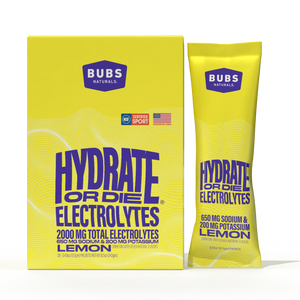
We specifically crafted our Hydrate or Die – Lemon and Hydrate or Die – Mixed Berry products with a performance-focused blend of essential electrolytes, including sodium, potassium, magnesium, and calcium. Our formulation stands apart because it contains no added sugar, artificial sweeteners, or unnecessary fillers. We focus on what your body truly needs to support optimal muscle function and fluid balance, allowing you to rehydrate effectively and keep pushing your limits.
Whether you're conquering a peak, pushing through a tough workout, or simply need to bounce back after a long day in the sun, our Hydrate or Die – Lemon and Hydrate or Die – Mixed Berry provide the targeted support you need. They mix effortlessly into water, making it simple to incorporate into your daily routine or on-the-go adventures. We test all our products rigorously, with third-party certifications like NSF for Sport, ensuring purity, potency, and safety. This means you can trust that you're fueling your body with only the best, so you can achieve your goals with confidence.
Our commitment extends beyond just quality products. We believe in making a positive impact, which is why we uphold our 10% Rule: donating 10% of all profits to veteran-focused charities. When you choose BUBS Naturals, you're not just investing in your own wellness; you're contributing to a larger purpose, honoring the legacy of "BUB" Doherty. Explore the Hydration Collection today and feel the BUBS difference in your wellness journey.
Beyond Hydration: A Holistic Wellness Approach
While optimal hydration and electrolyte balance are fundamental, a truly adventurous and purposeful life benefits from a holistic approach to wellness. At BUBS Naturals, we offer a range of science-backed, clean supplements designed to complement your active lifestyle and support your body's many intricate needs, aligning perfectly with our mission for overall well-being.
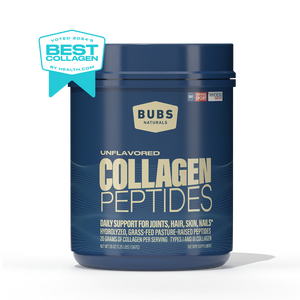
For instance, supporting joint health, skin elasticity, and robust hair and nails is vital for maintaining physical resilience. Our premium Collagen Peptides are sourced from grass-fed, pasture-raised cows, providing hydrolyzed Types I & III collagen that mixes easily into your favorite beverages. It's an excellent way to support your body's natural recovery processes and maintain structural integrity as you pursue your passions.
Sustained energy and mental clarity are often crucial for both daily tasks and demanding adventures. Our MCT Oil Creamer – 10 oz Tub or Butter MCT Oil Creamer – 10 oz Tub offers clean, creamy energy from coconut-derived MCTs. These mix-easy creamers are perfect for boosting your morning coffee or favorite shake, providing a source of sustained fuel without sugar crashes.
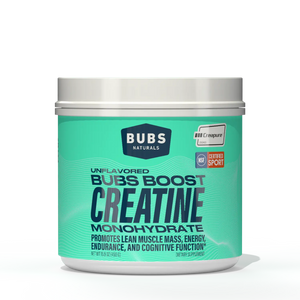
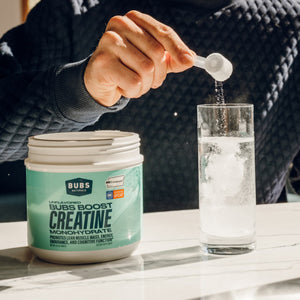
For those focused on strength, power, and enhancing training performance, our Creatine Monohydrate is a single-ingredient, highly effective supplement. It helps support your muscles during high-intensity exercise, allowing you to push harder and achieve new personal bests.
Digestive health is another cornerstone of overall wellness. Our Apple Cider Vinegar Gummies are a convenient and tasty way to incorporate liquid ACV, including "the Mother," into your routine, providing gentle support for digestive and general wellness.
And, of course, bolstering your body's natural defenses is always a smart strategy. Our Vitamin C, featuring 500 mg with citrus bioflavonoids, helps support antioxidant activity and collagen formation, playing an important role in overall health.
By integrating these targeted supplements, alongside a clean diet and an active lifestyle, you empower your body to perform at its best, recover efficiently, and maintain the resilience needed for any challenge. We are dedicated to providing these pure, potent, and thoughtfully developed products to support every facet of your wellness journey.
Conclusion
Electrolytes are far more than just ingredients in a sports drink; they are the fundamental electrical architects within our bodies, meticulously orchestrating fluid balance, nerve signaling, muscle contraction, and pH stability. From the subtle twitch of a muscle to the complex processes of thought, these charged minerals are indispensable for every aspect of our physiological function and overall well-being. Understanding "what electrolytes do to your body" illuminates the intricate balance required for sustained energy, optimal performance, and robust health.
While a balanced diet is always the best foundation for electrolyte intake, the demands of an active lifestyle, challenging environments, or even everyday stressors can deplete these vital minerals. Recognizing the signs of imbalance and proactively replenishing them with clean, effective solutions is a powerful step towards empowering your body to thrive.
At BUBS Naturals, we are committed to providing you with the highest quality, science-backed supplements that seamlessly integrate into your life of adventure and purpose. Our dedication to purity, effectiveness, and giving back—donating 10% of all profits to veteran-focused charities in honor of Glen "BUB" Doherty—means you're choosing a brand that stands for more.
Ready to support your body's electrical system and optimize your performance? Explore our Hydration Collection and discover how our clean, performance-focused electrolytes can help you stay energized, hydrated, and ready for whatever life throws your way. One scoop. Feel the difference.
FAQ
What are the primary signs that I might need more electrolytes?
Common signs that you might need to replenish electrolytes include muscle cramps, persistent fatigue, headaches, dizziness, or a general feeling of weakness, especially after sweating heavily during exercise or in hot weather. Increased thirst that plain water doesn't seem to quench can also be an indicator. While these symptoms can be subtle, they suggest your body is working hard to maintain its internal balance.
Can I get all my electrolytes from food and water alone?
For most individuals with a balanced diet and moderate activity levels, adequate hydration and a varied intake of whole foods typically provide sufficient electrolytes. Fruits, vegetables, nuts, seeds, and dairy are rich sources. However, during periods of intense or prolonged exercise, significant sweating, illness with fluid loss, or in very hot climates, your body's electrolyte needs can increase beyond what diet and plain water can easily replenish. This is when targeted, clean supplementation, like our Hydrate or Die – Lemon or Hydrate or Die – Mixed Berry, can be beneficial.
What makes BUBS Naturals electrolytes different from other sports drinks?
Our Hydration Collection is designed with a "no-BS" approach, focusing on clean, functional ingredients to support your body's natural electrolyte balance. Unlike many conventional sports drinks that often contain excessive added sugars, artificial colors, and synthetic flavors, our Hydrate or Die products contain no added sugar and are rigorously tested for purity and potency. We prioritize essential electrolytes like sodium, potassium, magnesium, and calcium in effective ratios to support optimal hydration and muscle function, aligning with our commitment to clean wellness.
How often should I take electrolytes, especially if I'm active?
The frequency of electrolyte intake depends on your activity level, individual sweat rate, climate, and overall diet. For intense workouts lasting over 60 minutes, or during prolonged activity in hot conditions, consuming electrolytes before, during, or after can be very helpful. On other days, if you’re maintaining an active lifestyle or simply feel a dip in energy, a daily serving can support general wellness. Listen to your body's cues and adjust as needed, or consider incorporating it as part of your regular daily routine to proactively support your fluid and muscle function, much like you might use Collagen Peptides for overall body support.