Table of Contents
- Introduction
- The Unsung Heroes of Hydration: What Are Electrolytes?
- The Telltale Signs: Recognizing Low Electrolyte Symptoms
- Beyond Thirst: Unpacking the Causes of Electrolyte Imbalance
- The Cascade Effect: How Low Electrolytes Impact Overall Wellness
- Nourishing Your System: Strategies for Maintaining Electrolyte Balance
- The BUBS Naturals Approach to Balanced Wellness
- Conclusion
- FAQ
Introduction
Imagine navigating a rugged mountain trail, feeling strong and focused, when suddenly, a wave of dizziness washes over you, your muscles begin to cramp, and your thoughts become hazy. This isn't just about needing a water break; it could be your body signaling a critical imbalance in its internal electrical system – your electrolytes. These aren't just buzzwords on a sports drink label; they are the fundamental operators behind almost every major bodily function, from the steady beat of your heart to the sharp clarity of your mind. We often take our body's internal harmony for granted until something disrupts it. Understanding what happens when your electrolytes dip below optimal levels is not merely academic; it’s essential for anyone pursuing an active, vibrant life. This post will delve into the vital roles electrolytes play, explore the subtle and not-so-subtle signs of deficiency, uncover the common culprits behind these imbalances, and, most importantly, provide actionable strategies to maintain your body’s critical equilibrium. By the end, you’ll not only recognize the profound impact of these essential minerals but also feel empowered to support your wellness journey with knowledge and purpose.
The Unsung Heroes of Hydration: What Are Electrolytes?
At the heart of every human adventure and daily endeavor lies a complex orchestra of biological processes, many of which are orchestrated by a seemingly simple group of minerals known as electrolytes. These aren't inert substances; rather, when dissolved in the body's fluids—be it blood, plasma, or the fluid within our cells—they carry an electrical charge. This electrical property is what makes them so indispensable, acting as tiny conductors that power countless functions critical to life itself.
Consider sodium, potassium, calcium, magnesium, chloride, bicarbonate, and phosphate. Each of these plays a distinct yet interconnected role, ensuring our internal environment remains stable and responsive. They are the guardians of our fluid balance, meticulously regulating the amount of water inside and outside our cells. Without this precise control, cells can either shrivel from dehydration or swell dangerously from overhydration, impairing their ability to function.
Beyond fluid regulation, electrolytes are pivotal for nerve function. Our brains communicate with every part of our body through electrical impulses, and these impulses are generated and transmitted by the flow of electrolytes across nerve cell membranes. Think of it as your body's internal wiring system; without adequate electrolytes, these signals falter, leading to issues ranging from minor cognitive fogginess to severe neurological dysfunction.
Muscle contraction, including the involuntary yet ceaseless beating of your heart, is another domain where electrolytes reign supreme. Calcium is instrumental in initiating muscle contraction, while potassium helps facilitate relaxation. Magnesium also plays a crucial role in proper muscle function and relaxation. When these minerals are out of balance, muscles can cramp, twitch, or weaken, and the heart's rhythm can become erratic, posing serious health risks.
Furthermore, electrolytes are key players in maintaining the body's pH balance, ensuring our blood remains slightly alkaline within a very narrow range. Deviations from this optimal pH can disrupt enzyme activity and cellular processes, impacting overall health and energy levels.
The body cannot produce electrolytes on its own; we must obtain them through the foods we eat and the beverages we drink. Our kidneys act as sophisticated regulators, filtering excess electrolytes for excretion and reabsorbing them when levels are low. However, this delicate balance can be easily disrupted by a variety of factors, prompting the need for proactive replenishment, especially for those who embrace active lifestyles. Our commitment at BUBS Naturals is to provide clean, functional supplements that support these fundamental body functions, helping you stay balanced and ready for any adventure.
The Telltale Signs: Recognizing Low Electrolyte Symptoms
When your body's electrolyte levels dip, it’s rarely a silent affair. The symptoms can range from subtle annoyances that you might initially dismiss as general fatigue to serious indicators that demand immediate attention. Understanding these signs is the first step in taking control of your wellness.
Muscle and Nerve Disruptions
One of the most common and noticeable categories of symptoms relates to muscle and nerve function. If you’ve ever experienced a sudden, painful charley horse in the middle of the night, or persistent muscle twitches after a long day, you’ve likely felt the effects of an electrolyte imbalance firsthand.
-
Muscle Cramps, Spasms, or Weakness: These are classic signs of low potassium and magnesium. These electrolytes are crucial for proper muscle contraction and relaxation. When deficient, muscles can become overactive, leading to painful cramps, or underactive, causing noticeable weakness. For active individuals, this can translate to reduced performance and increased recovery time.
-
Numbness or Tingling (Paresthesia): Low levels of calcium and magnesium can interfere with nerve conduction, leading to a "pins and needles" sensation, particularly in the hands, feet, and face. This indicates that nerve signals aren't being transmitted smoothly.
-
Irregular Heartbeat (Arrhythmia): Perhaps one of the most critical symptoms, imbalances in potassium, calcium, and magnesium can disrupt the electrical impulses that control your heart's rhythm. You might experience palpitations, a racing heart, or an unusually slow beat. Any persistent changes in heart rhythm warrant immediate medical evaluation.
Cognitive and Mood Changes
Electrolytes are also vital for brain function. When their balance is off, your cognitive abilities and mood can suffer.
-
Confusion, Irritability, and Brain Fog: Low sodium levels (hyponatremia) can cause water to move into brain cells, leading to swelling, which manifests as confusion, difficulty concentrating, memory problems, or a general sense of mental fogginess. You might find yourself easily irritated or struggling to make decisions.
-
Fatigue and Dizziness: When electrolyte levels drop, especially sodium, nerve signaling, muscle function, and blood pressure regulation are all impaired. This can leave you feeling weak, sluggish, and lightheaded, particularly when standing up quickly. Persistent fatigue that isn’t alleviated by rest is a significant red flag.
-
Headaches: Fluctuations in sodium and overall hydration levels can contribute to headaches, ranging from mild discomfort to throbbing pain.
Digestive and Systemic Indicators
The impact of low electrolytes can also extend to your digestive system and overall body functionality.
-
Nausea and Vomiting: Low potassium can impair the smooth muscle function in the gastrointestinal tract, leading to nausea, vomiting, or even a feeling of intestinal paralysis.
-
Diarrhea or Constipation: Electrolyte imbalances can throw your digestive system out of whack. Low potassium can slow gut motility, leading to constipation, while imbalances in sodium and chloride can trigger diarrhea, which, ironically, can further deplete electrolytes, creating a vicious cycle.
-
Changes in Blood Pressure: Electrolytes, especially sodium and chloride, play a significant role in regulating blood pressure. Imbalances can lead to either abnormally high or low blood pressure.
-
Severe Symptoms: In more severe, untreated cases, particularly with significant drops in sodium or potassium, symptoms can escalate to seizures, coma, kidney failure, or cardiac arrest.
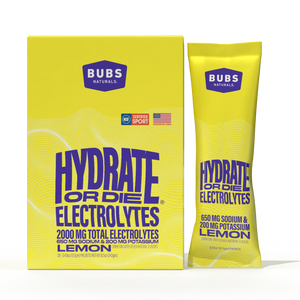
It’s important to remember that these symptoms can sometimes overlap with other health conditions. If you're experiencing multiple or persistent symptoms of electrolyte imbalance, especially those affecting your heart or cognitive function, it's crucial to consult a healthcare professional. For those living an active lifestyle, staying ahead of potential imbalances is key. Products like our Hydration Collection are formulated to support fast, effective hydration and muscle function, helping you maintain optimal balance with a no-BS approach to clean ingredients. Our Hydrate or Die – Lemon and Hydrate or Die – Mixed Berry offer a convenient way to replenish these vital minerals, supporting your body so you can tackle any challenge.
Beyond Thirst: Unpacking the Causes of Electrolyte Imbalance
Electrolyte levels don't typically plummet without a reason. Understanding the root causes is crucial for preventing imbalances and maintaining sustained wellness. While our bodies are remarkably adept at self-regulation, certain lifestyle factors, medical conditions, and environmental stressors can overwhelm these natural mechanisms.
Excessive Fluid Loss
The most common culprits behind electrolyte depletion often involve significant fluid loss, which flushes essential minerals out of the body faster than they can be replenished.
-
Intense Sweating: Whether from vigorous exercise, strenuous labor, or simply being in a hot, humid environment, sweating is a primary way the body cools itself. However, sweat isn't just water; it contains electrolytes like sodium, potassium, and chloride. Prolonged or excessive sweating, especially without adequate replacement, can quickly lead to deficiencies. Imagine a long-distance runner pushing through a marathon on a hot day, or a firefighter battling an intense blaze—their bodies can lose liters of fluid and significant amounts of electrolytes.
-
Vomiting and Diarrhea: These conditions, whether due to illness, food poisoning, or other gastrointestinal issues, can rapidly deplete electrolytes. When the digestive system is unable to absorb nutrients and fluids, these vital minerals are expelled from the body. Severe or prolonged bouts of vomiting and diarrhea are particularly dangerous and can lead to acute imbalances requiring medical attention.
-
Fever: Elevated body temperature increases metabolic rate and fluid loss through sweat, contributing to dehydration and potential electrolyte imbalances.
Imbalanced Fluid Intake
It’s not just about losing fluids; how we replace them also matters significantly.
-
Dehydration (Insufficient Fluid Intake): Simply not drinking enough water throughout the day, especially during physical activity or hot weather, can lead to a concentration of existing electrolytes, but also inadequate intake of new minerals if the diet is poor. While this typically means existing electrolytes become concentrated, the overall fluid deficit profoundly impacts bodily functions, and the mechanisms for retaining electrolytes may become strained.
-
Overhydration (Excessive Water Intake): Counterintuitively, drinking too much plain water without adequate electrolyte intake can also cause problems, specifically diluting sodium levels in the blood, a condition known as hyponatremia. This is sometimes seen in endurance athletes who drink large volumes of plain water during events without supplementing with electrolytes. It dilutes the body's existing electrolyte reserves, leading to a functional "low" state relative to fluid volume.
Medications and Medical Conditions
Several medications and underlying health issues can directly interfere with electrolyte regulation.
-
Diuretics (Water Pills): Commonly prescribed for high blood pressure or fluid retention, diuretics increase urine output, which can lead to the excretion of essential electrolytes like potassium and sodium.
-
Laxatives: Chronic or excessive use of laxatives, particularly in cases of eating disorders, can lead to significant loss of potassium and other electrolytes through the digestive tract.
-
Certain Antibiotics and Corticosteroids: Some medications can alter electrolyte levels as a side effect, requiring careful monitoring by a healthcare provider.
-
Kidney Disease: The kidneys are the primary regulators of electrolyte balance. When kidney function is impaired, they may struggle to excrete excess electrolytes or retain necessary ones, leading to chronic imbalances.
-
Heart and Liver Conditions: Conditions like congestive heart failure or cirrhosis can affect fluid balance and the body's ability to process and regulate electrolytes.
-
Eating Disorders: Anorexia, bulimia, and other eating disorders can lead to severe malnutrition and electrolyte disturbances due to inadequate intake, vomiting, or laxative abuse.
-
Cancer and Chemotherapy: Electrolyte disorders are common in individuals with cancer. Chemotherapy drugs can have toxic effects on the kidneys, leading to imbalances. Nausea, vomiting, and diarrhea, common side effects of treatment, further contribute to electrolyte loss.
-
Genetic Conditions: Rare genetic conditions can affect kidney function, impacting the body's ability to manage electrolyte levels effectively.
Dietary Factors
While less common as a sole cause of severe imbalance, a consistently poor diet can contribute to chronic low-grade electrolyte deficiencies.
-
Inadequate Mineral Intake: A diet lacking in fruits, vegetables, nuts, and whole grains may not provide sufficient amounts of essential minerals like potassium, magnesium, and calcium. Processed foods, while often high in sodium, typically lack other crucial electrolytes and can lead to an overall imbalanced intake.
-
High Sugar Intake: Excessive consumption of sugary beverages can interfere with electrolyte absorption and promote fluid loss.
Understanding these varied causes empowers us to make informed choices. For us at BUBS Naturals, promoting clean, high-quality, natural ingredients is central to our mission. By opting for products like those in our Hydration Collection, we support proactive electrolyte replenishment, helping to counteract the effects of strenuous activity, travel, or simply daily life. Our Hydrate or Die – Bundle ensures you have consistent support to maintain your body’s delicate balance, embodying our no-BS approach to functional wellness.
The Cascade Effect: How Low Electrolytes Impact Overall Wellness
When electrolytes are low, the body doesn't just experience isolated symptoms; it initiates a cascade of effects that can undermine overall wellness, energy, and performance. This is why maintaining balance is not just about avoiding immediate discomfort but about safeguarding long-term health.
Consider the intricate dance within your cells. Electrolytes, particularly sodium and potassium, are critical for maintaining the osmotic balance that governs fluid movement. When these levels are low, cells struggle to regulate their water content. This can lead to cellular dysfunction, where nutrients can't effectively enter, and waste products can't efficiently exit. Imagine a city without a functioning water supply or sewage system – chaos ensues. In your body, this translates to diminished cellular energy production and accumulation of metabolic byproducts, contributing to widespread fatigue and impaired organ function.
For active individuals, the impact of low electrolytes is particularly pronounced. Muscle function, already reliant on the precise electrical signals facilitated by electrolytes, becomes compromised. Reduced strength, increased susceptibility to cramps, and delayed recovery times become common complaints. An athlete training for an event, for instance, might find their usual performance dipping, not due to lack of effort, but because their muscles lack the essential minerals to contract powerfully and efficiently. Moreover, sustained low electrolyte levels can increase the risk of muscle damage and injuries, sidelining even the most dedicated adventurers.
The nervous system, the body's command center, is profoundly affected. Low sodium, in particular, can lead to brain cell swelling, causing a spectrum of neurological symptoms from mild cognitive impairment—difficulty concentrating, memory lapses, and general brain fog—to severe issues like confusion, disorientation, and in extreme cases, seizures and coma. This isn't just about feeling a bit "off"; it can significantly impact daily functioning, decision-making, and safety, especially when engaged in complex tasks or operating machinery.
The cardiovascular system is also at risk. The heart is a muscle, and its rhythmic contractions are governed by the precise flow of potassium, calcium, and magnesium. Chronic imbalances can lead to persistent arrhythmias, placing undue stress on the heart and increasing the risk of serious cardiac events. Over time, this can contribute to the development or worsening of underlying heart conditions.
Kidney function, vital for filtering waste and maintaining fluid and electrolyte balance, can also be impacted. While kidney issues can cause electrolyte imbalances, sustained severe imbalances can also stress the kidneys, potentially leading to or exacerbating kidney damage. This reciprocal relationship underscores the importance of prompt and effective management of electrolyte levels.
Furthermore, chronic low electrolyte levels can disrupt the body's delicate pH balance. A slight shift towards acidity or alkalinity can profoundly affect enzyme activity and protein structure, impairing metabolic pathways and overall cellular health. This systemic disruption can contribute to a generalized feeling of malaise, reduced immunity, and an inability to perform at one's best, eroding the very foundation of wellness.
At BUBS Naturals, we understand that living a life of adventure and purpose requires a body that functions optimally. That's why we focus on delivering clean, science-backed supplements designed to support your body's natural functions. Integrating products that help maintain electrolyte balance is crucial for anyone looking to sustain energy, promote mental clarity, and support overall physical resilience. By providing your body with the fundamental support it needs, you’re not just addressing symptoms; you’re investing in long-term vitality, honoring the spirit of Glen "BUB" Doherty, whose legacy inspires us to prioritize wellness and a no-BS approach to what goes into our bodies.
Nourishing Your System: Strategies for Maintaining Electrolyte Balance
Maintaining optimal electrolyte balance is a proactive effort, combining smart hydration choices with a nutrient-rich diet and mindful lifestyle habits. It’s about more than just reacting to symptoms; it's about building resilience from within.
Hydration Done Right
While water is essential, it’s often not enough on its own, especially after intense activity or during periods of significant fluid loss. Effective hydration for electrolyte balance means being strategic about what you drink.
-
Beyond Plain Water: For routine hydration, plain water is great. But when you’re pushing your limits, or if you’ve experienced heavy sweating, vomiting, or diarrhea, your body needs more than just H₂O. Electrolyte-enhanced drinks are specifically formulated to replace the minerals you lose. Look for options without excessive added sugars, which can counteract your efforts. Natural alternatives like coconut water also provide a good source of potassium.
-
Targeted Electrolyte Support: This is where functional supplements shine. Products designed for electrolyte replenishment offer a convenient, precise way to restore balance. Our Hydration Collection is a perfect example of our commitment to clean, effective solutions. Designed with performance in mind, our Hydrate or Die – Lemon and Hydrate or Die – Mixed Berry provide essential electrolytes without added sugar, supporting fast, effective hydration and muscle function. They mix effortlessly into water, making them ideal for rehydrating during or after a workout, or anytime your body needs a boost. For those who want both delicious flavors, the Hydrate or Die – Bundle offers a convenient way to keep your hydration game strong.
Fueling with Whole Foods
Your diet is a powerful tool for maintaining electrolyte balance. Prioritize whole, unprocessed foods rich in a variety of minerals.
-
Potassium Powerhouses: Bananas are famously rich in potassium, but don't stop there. Avocados, spinach, sweet potatoes, lentils, beans, and winter squash are also excellent sources. Incorporating these into your meals regularly can help keep your potassium levels stable.
-
Magnificent Magnesium: Nuts (almonds, cashews), seeds (pumpkin, chia), leafy green vegetables (spinach, kale), and legumes are packed with magnesium, a mineral vital for over 300 enzymatic reactions in the body, including muscle and nerve function.
-
Calcium Contributors: Dairy products like milk and yogurt are well-known sources, but you can also find calcium in fortified plant milks, sardines, salmon, tofu, and dark leafy greens like collard greens and bok choy.
-
Sodium Smartly: While processed foods are often high in sodium, opting for natural sources like sea salt, fish, mussels, and oysters, or even adding a pinch of high-quality salt to your cooking, can help you meet your needs without overdoing it. Remember, sodium is an essential electrolyte, but balance is key.
-
Chloride Choices: Chloride often accompanies sodium, so adding a moderate amount of natural salt to your diet helps. You can also find it in foods like seaweed, tomatoes, celery, and lettuce.
Lifestyle Choices for Equilibrium
Beyond what you consume, how you live your life significantly impacts your electrolyte status.
-
Mindful Exercise: Plan your hydration around your workouts. Pre-hydrate, sip during, and replenish thoroughly afterward. For longer, more intense sessions, integrate electrolyte drinks. For sustained performance and recovery, consider complementing your routine with supplements like our Creatine Monohydrate to support strength and power, or our Collagen Peptides for joint, skin, hair, and nail support.
-
Limit Dehydrating Beverages: Excessive alcohol and caffeine can act as diuretics, increasing fluid loss. Enjoy them in moderation and be sure to compensate with extra water and electrolyte intake.
-
Prioritize Sleep: Adequate rest allows your body to perform crucial restorative processes, including hormone regulation that influences fluid and electrolyte balance.
-
Stress Management: Chronic stress can impact various bodily systems, indirectly affecting fluid and electrolyte balance. Incorporate stress-reducing practices like meditation, yoga, or spending time in nature.
-
Holistic Wellness Support: Consider how other supplements can support overall balance. For example, our MCT Oil Creamer – 10 oz Tub offers sustained energy and mental clarity, which can be beneficial when your body is working hard to maintain equilibrium. Additionally, our Vitamin C provides antioxidant support, and our Apple Cider Vinegar Gummies can support digestive wellness, which plays a role in nutrient absorption.
When to Seek Expert Guidance
While many minor electrolyte imbalances can be managed at home through diet and hydration, it’s critical to know when to seek professional medical advice. If you experience severe symptoms like persistent irregular heartbeats, profound confusion, severe muscle weakness, or unmanageable nausea and vomiting, do not hesitate to contact a healthcare provider immediately. These could indicate a serious underlying condition or a dangerously low electrolyte level that requires medical intervention. Regular check-ups can also help monitor your levels, especially if you have existing health conditions or take medications known to affect electrolytes.
By adopting these proactive strategies, you empower your body to maintain the delicate electrolyte balance it needs to thrive. At BUBS Naturals, we believe in a life of adventure, wellness, and purpose. Our clean, NSF for Sport certified products are designed to support your active lifestyle, ensuring you have the foundational wellness to pursue your passions, all while honoring Glen "BUB" Doherty's legacy by donating 10% of our profits to veteran-focused charities.
The BUBS Naturals Approach to Balanced Wellness
At BUBS Naturals, our journey began with a commitment to honor Glen “BUB” Doherty, a true adventurer and dedicated individual. His legacy of living life to the fullest, embracing challenges, and giving back fuels our mission. We believe that true wellness isn’t about quick fixes or exaggerated claims, but about providing your body with the clean, functional, and science-backed support it needs to perform at its best, every single day. This philosophy extends directly to how we approach electrolyte balance and overall bodily function.
We understand that modern life, with its demands for constant energy and performance, coupled with the rigors of physical activity, can easily deplete your body’s essential resources, including vital electrolytes. That's why we meticulously craft our supplements to be effective, pure, and easy to integrate into any lifestyle. Our no-BS approach means you’ll find only simple, high-quality ingredients, rigorously tested and certified by third parties like NSF for Sport, ensuring what’s on the label is what’s in the product—and nothing else.
Our Hydration Collection stands as a testament to this commitment, particularly for those looking to maintain optimal electrolyte levels. We designed Hydrate or Die – Lemon and Hydrate or Die – Mixed Berry with performance in mind. These are not just flavored drinks; they are precisely formulated blends of essential electrolytes, free from added sugars, designed to support rapid and effective rehydration and muscle function. Whether you're recovering from an intense workout, facing a long day outdoors, or simply seeking to maintain daily equilibrium, these products provide the foundational support your body needs to thrive. The ease with which they mix into your water means you can stay hydrated and balanced without any hassle, allowing you to focus on your next adventure. Opting for the Hydrate or Die – Bundle ensures you're always prepared, offering both our delicious flavors for sustained wellness support.
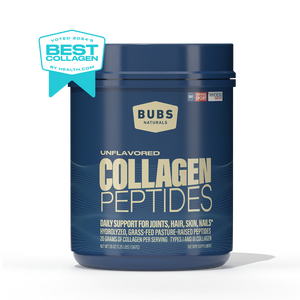
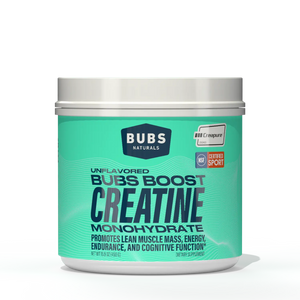
Beyond hydration, we recognize that a truly balanced body needs comprehensive support. Our full product portfolio reflects this holistic view. For robust joint health, skin vitality, and recovery, our Collagen Peptides are a staple, essential for anyone leading an active life. To support sustained energy and mental clarity, especially during busy mornings or demanding tasks, our MCT Oil Creamer – 10 oz Tub offers a clean and delicious addition to your coffee or smoothies. For those aiming to boost strength and power in their training, our Creatine Monohydrate provides pure, effective support. And for daily antioxidant defense and support for collagen formation, our Vitamin C is an excellent choice, while our Apple Cider Vinegar Gummies offer convenient digestive wellness support.
Every product we offer is created with the same dedication to quality, transparency, and effectiveness, reflecting our core values. We believe in empowering you with the tools to live a fuller, more purposeful life, just as BUB did. And with our 10% Rule—donating 10% of all profits to veteran-focused charities—every purchase you make contributes to a greater cause, extending the spirit of giving back that is so central to who we are. When you choose BUBS Naturals, you're not just choosing a supplement; you're choosing a partner in your wellness journey, backed by integrity and a commitment to making a difference.
Conclusion
The intricate world of electrolytes truly underpins our entire physical and mental well-being. From regulating fluid balance and orchestrating nerve impulses to powering muscle contractions and stabilizing our pH, these essential minerals are the silent workhorses that enable us to live, move, and think with clarity. When their levels dip, the consequences cascade through every system, manifesting as anything from nagging muscle cramps and persistent fatigue to serious cardiac irregularities and cognitive confusion. Recognizing these signs and understanding their causes—be it through intense activity, illness, medication, or diet—is the first critical step toward reclaiming your vitality.
Maintaining optimal electrolyte balance is not a one-time fix but an ongoing commitment. It involves making deliberate choices about smart hydration, embracing a whole-food diet rich in diverse minerals, and adopting lifestyle habits that support your body's natural equilibrium. By being proactive and providing your body with the foundational support it needs, you empower yourself to face daily demands and thrilling adventures alike, ensuring your internal systems are running smoothly.
At BUBS Naturals, we are dedicated to helping you achieve this vital balance through clean, science-backed solutions. Our commitment to quality, transparency, and effective formulations means you can trust our products to support your active lifestyle. Don’t let low electrolytes hold you back from living your fullest life. Explore our targeted solutions and feel the BUBS difference.
FAQ
Q1: What are the most common electrolytes that become low, and what are their primary roles?
A1: The most commonly depleted electrolytes include sodium, potassium, and magnesium. Sodium is crucial for fluid balance in and around cells, and for nerve function. Potassium is vital for heart health, muscle and nerve function, and transporting nutrients into cells. Magnesium participates in over 300 enzymatic reactions, supporting nerve function, muscle relaxation, blood pressure regulation, and energy production. Maintaining balanced levels of these minerals is fundamental for overall wellness and physical performance.
Q2: Can drinking a lot of water help with low electrolytes, or can it make it worse?
A2: While staying hydrated is essential, drinking excessive amounts of plain water without adequate electrolyte intake can actually worsen an electrolyte imbalance, particularly low sodium (hyponatremia). This happens because the excess water dilutes the existing electrolytes in your blood, leading to a functional deficit. For effective rehydration and replenishment, especially after significant fluid loss from sweating or illness, it's beneficial to consume water with added electrolytes. Our Hydration Collection provides performance-focused electrolytes without added sugar, designed to support fast and effective replenishment.
Q3: How quickly can electrolyte levels drop, and when should I be concerned enough to seek medical help?
A3: Electrolyte levels can drop relatively quickly, especially during intense physical activity, prolonged periods of sweating, severe vomiting, or diarrhea. For instance, an endurance athlete can experience significant electrolyte loss in just a few hours. You should be concerned and seek medical help if you experience severe symptoms such as persistent irregular heartbeat, profound confusion, seizures, extreme muscle weakness or paralysis, or unmanageable nausea and vomiting. These symptoms can indicate a serious imbalance requiring immediate medical attention.
Q4: Are BUBS Naturals hydration products suitable for everyone, including those with active lifestyles?
A4: Yes! Our Hydration Collection is specifically formulated with clean ingredients to support optimal hydration and muscle function for anyone leading an active life. Our Hydrate or Die – Lemon and Hydrate or Die – Mixed Berry products are designed to replenish essential electrolytes lost through sweat, travel, or daily activities, without added sugars. They are NSF for Sport certified, ensuring they meet rigorous standards for quality and purity, aligning with our no-BS approach to wellness. We believe in providing functional support so you can pursue your adventures with confidence and purpose.