Table of Contents
- Introduction
- The Unseen Conductors: What Are Electrolytes?
- When the Balance Shifts: Causes of Electrolyte Imbalance
- The Telltale Signs: Symptoms of Low Electrolytes
- Deep Dive into Key Electrolytes and Their Imbalances
- Maintaining Optimal Balance: Prevention and Support
- Our Commitment to Wellness and Purpose
- Conclusion
- FAQ
Introduction
Ever felt inexplicably drained, plagued by persistent muscle cramps, or simply "off" despite drinking plenty of water? You might be experiencing more than just a bad day. Our bodies are intricate systems, constantly working to maintain a delicate balance that keeps us performing at our best. At the heart of this balance are electrolytes – unsung heroes that power everything from nerve impulses to muscle contractions. When these essential minerals dip below optimal levels, the repercussions can ripple through your entire system, affecting your energy, focus, and physical performance. Understanding what happens when your body does not have enough electrolytes is not just a matter of scientific curiosity; it's a vital aspect of maintaining a vibrant, active lifestyle. We'll delve into the critical roles electrolytes play, explore the subtle and not-so-subtle signs of an imbalance, uncover common causes, and provide actionable strategies to support optimal electrolyte levels. At BUBS Naturals, we believe in equipping you with the knowledge and tools to pursue adventure and wellness with purpose, ensuring your body has what it needs to thrive.
The Unseen Conductors: What Are Electrolytes?
To truly grasp the impact of an electrolyte deficiency, we must first understand what these powerhouse minerals are and what they do. Electrolytes are minerals that carry an electric charge when dissolved in the body's fluids, such as blood, urine, and sweat. Think of them as the tiny, tireless conductors of your internal orchestra, orchestrating critical functions across every cell and system. The primary electrolytes include sodium, potassium, chloride, magnesium, calcium, phosphate, and bicarbonate.
Each of these elements plays a unique, yet interconnected, role:
-
Sodium (Na+): Crucial for maintaining fluid balance outside cells, nerve impulse transmission, and muscle function.
-
Potassium (K+): Essential for fluid balance inside cells, nerve signals, muscle contractions (including the heart), and regulating blood pressure.
-
Chloride (Cl-): Works closely with sodium to balance fluids, maintain blood volume, and regulate blood pressure. It's also vital for digestive acids.
-
Magnesium (Mg2+): Involved in over 300 enzymatic reactions, supporting muscle and nerve function, blood glucose control, blood pressure regulation, and bone health.
-
Calcium (Ca2+): Best known for bone and teeth health, but also critical for muscle contraction, nerve signaling, blood clotting, and hormone secretion.
-
Phosphate (PO43-): Works with calcium to build strong bones and teeth, plays a role in energy storage and utilization, and aids muscle and nerve function.
-
Bicarbonate (HCO3-): A key player in maintaining the body's acid-base (pH) balance, essential for cellular health.
These vital minerals aren't produced by the body; we obtain them through the foods we eat and the beverages we drink. Once ingested, our kidneys act as sophisticated regulators, filtering excess electrolytes for excretion or reabsorbing them when levels are low. This constant balancing act is precisely why a disruption can have such widespread effects. At BUBS Naturals, we stand by a no-BS approach to wellness, understanding that foundational elements like electrolyte balance are paramount. Our commitment to clean, high-quality, natural ingredients reflects this philosophy, ensuring that what you put into your body supports its natural functions without compromise.
When the Balance Shifts: Causes of Electrolyte Imbalance
Electrolyte levels can fluctuate daily, but usually remain within a healthy range thanks to the body's adaptive mechanisms. However, various factors can disrupt this equilibrium, leading to an imbalance where levels become too low (deficiency) or too high (excess). While this article focuses on the "too low" scenario, it's important to recognize the underlying causes often relate to issues with fluid regulation or increased loss of these essential minerals.
One of the most common culprits behind low electrolyte levels is dehydration. This isn't just about not drinking enough water; it's about losing more fluid than you take in, often accompanied by electrolyte loss. Intense physical activity, especially in hot conditions, causes significant sweating, which depletes sodium, potassium, and other electrolytes. An adventurous spirit often leads us outdoors and into demanding situations, making awareness of proper hydration even more critical. Similarly, bouts of severe vomiting or diarrhea due to illness can rapidly deplete electrolytes.
Conversely, overhydration, or drinking excessive amounts of plain water without adequate electrolyte intake, can also lead to an imbalance, particularly diluting sodium levels (hyponatremia). This can be a concern for endurance athletes who might overcompensate with water during long events.
Beyond these common scenarios, certain health conditions and lifestyle factors significantly increase the risk:
-
Kidney Disease: The kidneys are central to electrolyte regulation. Impaired kidney function can lead to an inability to properly excrete or reabsorb electrolytes, causing imbalances.
-
Heart and Liver Conditions: Conditions like congestive heart failure or cirrhosis can lead to fluid retention, diluting electrolytes in the bloodstream.
-
Digestive Disorders: Conditions that cause malabsorption or chronic diarrhea can hinder the body's ability to absorb essential minerals from food.
-
Eating Disorders: Anorexia and bulimia often involve poor nutrition and purging behaviors that deplete electrolytes.
-
Medications: Certain drugs, such as diuretics (often prescribed for high blood pressure or fluid retention), some antidepressants, and laxatives, can cause increased excretion of electrolytes like potassium and sodium.
-
Hormonal Imbalances: Conditions affecting the adrenal glands (like Addison's disease) or thyroid can disrupt the body's sodium, potassium, and water balance.
-
Age: Older adults are at higher risk due to a combination of factors, including a greater likelihood of chronic health conditions, taking multiple medications, and a reduced sense of thirst, leading to inadequate fluid intake.
Recognizing these potential causes is the first step toward prevention and maintaining healthy electrolyte levels, especially when pursuing an active and fulfilling life. We believe in providing products that support your body's natural resilience, allowing you to focus on your next adventure, whether it's a mountain trail or a challenging workout.
The Telltale Signs: Symptoms of Low Electrolytes
When your body's electrical balance is disrupted, the consequences can manifest in a wide array of symptoms, ranging from mild and irritating to severe and life-threatening. The specific symptoms often depend on which electrolyte is deficient and the severity of the imbalance. For those of us dedicated to active lifestyles, these symptoms can significantly hinder performance, recovery, and overall well-being.
Let's explore the common signs, categorized by the bodily systems they affect:
Neurological Symptoms
Electrolytes are critical for nerve function, so imbalances often affect the brain and nervous system:
-
Confusion and Difficulty Concentrating: A foggy brain, trouble focusing, or feeling disoriented can be early indicators, especially with low sodium (hyponatremia).
-
Fatigue and Lethargy: Persistent tiredness that doesn't improve with rest, a general lack of energy, or feeling sluggish.
-
Irritability and Mood Changes: Electrolyte shifts can influence neurotransmitter activity, leading to heightened irritability, anxiety, or even depression.
-
Headaches and Dizziness: Especially common with sodium imbalances, these can range from mild discomfort to severe, debilitating pain, sometimes accompanied by lightheadedness.
-
Seizures or Coma: In severe, untreated cases, drastic electrolyte imbalances, particularly with sodium, can lead to severe brain swelling, resulting in seizures, loss of consciousness, and potentially coma.
Muscular Symptoms
Electrolytes like potassium, magnesium, and calcium are essential for proper muscle contraction and relaxation:
-
Muscle Cramps and Spasms: Painful, involuntary contractions of muscles are a classic sign, often affecting the legs, arms, or abdomen. This is particularly noticeable after intense workouts or during periods of heavy sweating.
-
Muscle Weakness: A general feeling of weakness, reduced strength, or difficulty performing routine movements.
-
Numbness or Tingling (Paresthesia): Often described as pins and needles, this sensation, particularly in the hands and feet, can signal imbalances in magnesium or calcium.
-
Paralysis: In very severe cases, extreme electrolyte deficiencies can lead to muscle paralysis.
Cardiovascular Symptoms
The heart is a muscle driven by electrical impulses, making it highly sensitive to electrolyte fluctuations:
-
Irregular Heartbeat (Arrhythmia): Palpitations, a fluttering sensation, an unusually rapid heartbeat (tachycardia), or a slow heartbeat (bradycardia) can indicate imbalances, particularly with potassium, calcium, and magnesium.
-
Blood Pressure Changes: Electrolytes play a role in regulating blood pressure; deficiencies can lead to either abnormally low (hypotension) or high (hypertension) readings.
Digestive Symptoms
While less direct, some digestive issues can also arise:
-
Nausea and Vomiting: These can be both a cause and a symptom of electrolyte imbalance, often related to low sodium.
-
Abdominal Cramping: Sometimes accompanying muscle cramps, particularly with magnesium or potassium deficiencies.
It's crucial to remember that these symptoms are not exclusive to electrolyte imbalances and can be indicative of other health issues. However, if you experience a combination of these signs, especially after intense physical activity, illness, or if you're taking medications known to affect electrolyte levels, it’s a strong signal to pay closer attention to your body's needs. For those committed to pushing their limits, staying attuned to these signals is paramount. We champion a life of adventure and purpose, and that journey is best sustained when your body's foundational systems are in harmony.
Deep Dive into Key Electrolytes and Their Imbalances
Understanding the general symptoms is helpful, but knowing how specific electrolyte deficiencies manifest provides even greater clarity. Each electrolyte has a unique physiological signature when its levels stray from the optimal range.
Sodium (Hyponatremia)
Sodium is the most abundant electrolyte in the extracellular fluid and is critical for maintaining fluid balance, blood pressure, and nerve impulse transmission.
When sodium levels in the blood fall too low (hyponatremia, typically below 135 mEq/L), it usually means there's too much water in the body, diluting the existing sodium. This causes water to move into cells, leading to swelling, especially dangerous in brain cells.
Symptoms of Hyponatremia:
-
Early/Mild: Headache, nausea, vomiting, fatigue, loss of energy, restlessness.
-
Moderate to Severe: Confusion, irritability, muscle weakness, spasms, cramps, seizures, and in critical cases, coma and death.
Hyponatremia is often not due to a low-sodium diet but rather excessive fluid intake (overhydration), certain medications (like diuretics), or underlying heart, kidney, or liver conditions. Endurance athletes are particularly susceptible if they drink excessive plain water without replacing sodium lost through sweat.
Potassium (Hypokalemia)
Potassium is the most abundant electrolyte inside cells, vital for nerve signal transmission, muscle contraction (including heart rhythm), and maintaining intracellular fluid balance.
Low potassium levels (hypokalemia, typically below 3.5 mEq/L) most often occur when the body loses too much potassium through urine or the digestive tract, rather than insufficient dietary intake.
Symptoms of Hypokalemia:
-
Mild: May be asymptomatic or cause vague symptoms.
-
Moderate: Muscle weakness, fatigue, muscle cramps, and constipation.
-
Severe: Significant irregular heartbeats (arrhythmias), potentially life-threatening, paralysis, and respiratory problems. Prolonged hypokalemia can also affect kidney function.
Common causes include certain diuretic medications, excessive vomiting or diarrhea, and certain gastrointestinal conditions.
Magnesium (Hypomagnesemia)
Magnesium is involved in over 300 biochemical reactions in the body, impacting muscle and nerve function, blood glucose control, blood pressure regulation, and energy production. Most magnesium is stored in bones, with only a small percentage in the blood.
Low magnesium levels (hypomagnesemia, typically below 1.7 mg/dL) can mimic symptoms of other electrolyte imbalances, making it tricky to diagnose.
Symptoms of Hypomagnesemia:
-
Neuromuscular: Muscle cramps, spasms, weakness, tremors, fatigue, numbness, and tingling.
-
Cardiac: Irregular heartbeat.
-
Psychological: Irritability, anxiety.
-
Severe: Seizures and even coma, potentially life-threatening.
Causes often include poor dietary intake, chronic alcoholism, digestive disorders (e.g., Crohn's disease), kidney disease, and certain medications (like diuretics or proton pump inhibitors).
Calcium (Hypocalcemia)
Calcium is essential for strong bones and teeth (99% of it), but the remaining 1% in the blood plays a critical role in muscle contraction, nerve function, blood clotting, and hormone release.
Low calcium levels (hypocalcemia, typically below 8.5 mg/dL) can significantly affect neuromuscular function.
Symptoms of Hypocalcemia:
-
Neuromuscular: Muscle cramps (especially in the legs and back), spasms, tingling in the fingers and around the mouth, hyperreflexia (overactive reflexes).
-
Chronic: Dry skin, brittle nails, coarse hair, and in severe cases, seizures and laryngospasm (spasm of the voice box).
Hypocalcemia can result from parathyroid gland disorders, vitamin D deficiency (needed for calcium absorption), kidney failure, and certain medications.
Chloride (Hypochloremia)
Chloride works closely with sodium to maintain fluid balance, blood volume, and pH balance.
Low chloride levels (hypochloremia, typically below 96 mEq/L) often occur secondary to other electrolyte disturbances, especially those involving sodium.
Symptoms of Hypochloremia:
- Symptoms are often subtle and mimic those of hyponatremia (low sodium) or alkalosis (high blood pH). These can include fatigue, muscle weakness, breathing difficulties, and dehydration.
- Severe symptoms can include seizures and coma.
Causes often involve excessive vomiting, severe dehydration, or the use of "loop" diuretics.
Phosphate (Hypophosphatemia)
Phosphate is vital for bone health, energy storage (as ATP), and the proper function of muscles and nerves.
Low phosphate levels (hypophosphatemia, typically below 2.5 mg/dL) can severely impair cellular function.
Symptoms of Hypophosphatemia:
-
Muscular: Muscle weakness, respiratory failure (due to diaphragm weakness), heart failure.
-
Neurological: Confusion, seizures, coma.
-
General: Fatigue, bone pain.
This condition is often seen in cases of very poor nutrition, alcoholism, severe burns, and certain diuretic medications.
Understanding these specific impacts highlights why comprehensive electrolyte support is so vital, particularly for those who push their physical limits. We believe that an active life requires robust support, and our dedication to science-backed supplements aims to provide just that.
Maintaining Optimal Balance: Prevention and Support
The good news is that for most individuals leading active lifestyles, maintaining optimal electrolyte balance is highly achievable through informed choices and proactive habits. Our bodies are incredibly resilient, but they thrive with consistent, high-quality support.
Smart Hydration Strategies
Simply drinking water isn't always enough, especially during or after intense physical activity, in hot weather, or when experiencing illness. The key is balanced hydration.
-
Listen to Your Body's Cues: Thirst is a primary indicator. Pay attention to it. Additionally, the color of your urine can be a helpful guide; pale yellow usually indicates good hydration.
-
Pre-hydrate and Rehydrate Strategically: Before a long hike, intense workout, or day in the sun, ensure you're well-hydrated. During and after, don't just replenish water; replenish electrolytes.
-
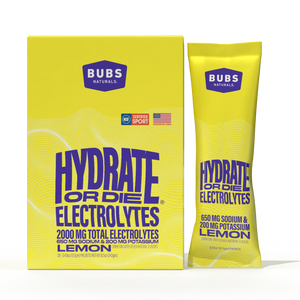
Electrolyte-Enhanced Beverages: For activities exceeding 60 minutes, or in conditions that cause significant sweating, plain water might not suffice. This is where a clean, effective electrolyte supplement can make a world of difference. Our Hydration Collection is specifically designed to support fast, effective hydration and muscle function without added sugars. Whether you prefer Hydrate or Die – Lemon or Hydrate or Die – Mixed Berry, our electrolytes are performance-focused and rigorously tested, including being NSF Certified for Sport. They are designed to mix effortlessly, making them an ideal companion for any adventure.
Prioritizing a Nutrient-Dense Diet
While supplements can bridge gaps, a diet rich in whole foods forms the foundation of electrolyte balance:
-
Potassium-Rich Foods: Bananas, avocados, spinach, potatoes, sweet potatoes, lentils, and beans are excellent sources.
-
Magnesium-Rich Foods: Leafy green vegetables, nuts (almonds, cashews), seeds (pumpkin, chia), legumes, and whole grains.
-
Calcium-Rich Foods: Dairy products, fortified plant milks, leafy greens (collard greens, kale), and fortified cereals.
-
Sodium: Most people get sufficient sodium from their regular diet, but during intense exercise or heavy sweating, a mindful approach to replenishment is necessary. Natural sources like sea salt used in cooking can be beneficial, but excessive processed food intake should be avoided.
Supporting Overall Wellness
Electrolyte balance is part of a larger wellness ecosystem. A holistic approach can further enhance your body's ability to maintain equilibrium.
-
Quality Sleep: Adequate rest allows the body to repair and regulate many internal processes.
-
Stress Management: Chronic stress can impact various bodily functions, including fluid balance.
-
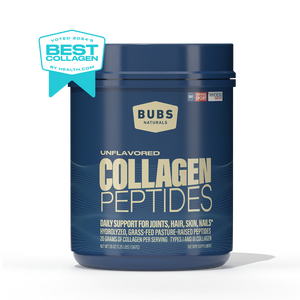
Targeted Supplementation: Beyond electrolytes, consider how other foundational supplements can support your active lifestyle. For example, our Collagen Peptides can support joints, skin, hair, and nails, aiding recovery from physical demands. For sustained energy and mental clarity, particularly to kickstart your day or fuel your focus, explore our MCT Oil Creamer – 10 oz Tub or convenient MCT Oil Creamer – 14 ct Travel Pack from our Creamers Collection.
It's important to remember that if you suspect a severe electrolyte imbalance or are experiencing persistent, concerning symptoms, consulting a healthcare professional is paramount. Supplements are designed to support general wellness and active lifestyles, not to diagnose, treat, or cure any medical conditions.
At BUBS Naturals, our journey began with Glen “BUB” Doherty, a man who lived a life of adventure and purpose. Our commitment to crafting clean, effective, and science-backed supplements is a direct reflection of that legacy. We believe in providing you with the tools to live your own extraordinary life, supported by products that truly make a difference. Explore our full Hydration Collection and experience the BUBS difference in your daily wellness routine and on your next adventure.
Our Commitment to Wellness and Purpose
At BUBS Naturals, our mission extends far beyond providing exceptional supplements. We believe in fostering a life of adventure, wellness, and purpose, honoring the legacy of Glen “BUB” Doherty. Every product we create, from our foundational Collagen Peptides to our targeted Hydration Collection, is crafted with a no-BS approach: only simple, effective, and rigorously tested ingredients. We are committed to ensuring our products meet the highest standards, certified by third parties like NSF for Sport, so you can trust what you're putting into your body.
Our commitment is also deeply rooted in giving back. In line with Glen's spirit of service, we pledge to donate 10% of all profits to veteran-focused charities. When you choose BUBS Naturals, you're not just investing in your own wellness; you're contributing to a larger purpose, supporting those who have served our nation. We believe this dedication to quality, transparency, and social responsibility sets us apart, empowering you to live your healthiest, most purposeful life.
Conclusion
The intricate dance of electrolytes within our bodies is a testament to the marvel of human physiology. When this delicate balance is disrupted, the consequences can range from subtle fatigue to severe health complications, impacting our energy, mental clarity, and physical capabilities. Understanding what happens when your body does not have enough electrolytes empowers you to proactively safeguard your well-being. By recognizing the causes of imbalance and the diverse array of symptoms, you can make informed choices about your hydration, nutrition, and lifestyle.
We've explored how crucial electrolytes are for everything from nerve impulses and muscle function to fluid balance and heart rhythm. We’ve highlighted the importance of not only drinking enough water but also ensuring that hydration includes the essential minerals your body needs, especially when leading an active and adventurous life. Supporting your body's natural functions with clean, science-backed supplements is a cornerstone of this proactive approach.
For optimal performance and recovery, especially when life demands more from you, consider how a balanced electrolyte strategy can make a profound difference. Explore our complete Hydration Collection and discover how products like Hydrate or Die – Lemon or Hydrate or Die – Mixed Berry can help you stay energized, focused, and ready for whatever adventure comes next. Feel the BUBS difference—one scoop, one active day, one purposeful life at a time.
FAQ
How quickly can electrolyte levels drop and cause symptoms?
The speed at which electrolyte levels drop and cause symptoms can vary significantly depending on the underlying cause and the specific electrolyte involved. For instance, rapid and severe fluid loss from intense exercise in hot conditions, or acute bouts of vomiting and diarrhea, can lead to noticeable symptoms like muscle cramps, dizziness, and fatigue within a few hours. In other cases, such as those related to chronic medical conditions or certain medications, imbalances may develop gradually over days or weeks, leading to more subtle, persistent symptoms like ongoing fatigue or mild confusion.
Can I get enough electrolytes from food alone, or are supplements necessary?
For most individuals with a balanced diet and moderate activity levels, it is possible to get sufficient electrolytes from food and regular fluid intake. Foods like fruits (bananas, avocados), vegetables (spinach, potatoes), nuts, seeds, and dairy products are rich in various electrolytes. However, for those engaged in strenuous physical activity, living in hot climates, or experiencing conditions that lead to excessive fluid and electrolyte loss (e.g., prolonged illness with vomiting/diarrhea), food alone might not be enough to replenish what's lost. In such scenarios, a clean, sugar-free electrolyte supplement like those in our Hydration Collection can be a convenient and effective way to support optimal balance and prevent deficiency.
What makes BUBS Naturals' hydration products a good choice for electrolyte support?
Our Hydration Collection offers performance-focused electrolytes with a commitment to clean, high-quality ingredients. Our formulas, such as Hydrate or Die – Lemon and Hydrate or Die – Mixed Berry, are designed to support fast, effective hydration and muscle function without added sugar. They are also NSF Certified for Sport, meaning they've undergone rigorous third-party testing to ensure purity, potency, and absence of banned substances. This ensures you're getting a simple, effective product that mixes effortlessly and truly supports your active lifestyle, reflecting our no-BS approach to wellness.
Besides hydration, how else can I support my body's natural functions for an active lifestyle?
Beyond maintaining optimal electrolyte balance, a holistic approach to wellness includes several other pillars. Incorporating high-quality protein, such as our Collagen Peptides, can support joint health, skin, hair, and nail integrity, as well as aiding in muscle recovery. For sustained energy and mental clarity, particularly to fuel your mornings or workouts, products from our Creamers Collection, like the MCT Oil Creamer – 10 oz Tub, can be a great addition to your routine. Additionally, ensuring adequate intake of essential vitamins like Vitamin C helps support antioxidant activity and overall immune function, complementing your adventurous and wellness-focused journey.