Table of Contents
- Introduction
- The Physiology of the Dehydration Headache
- Why Water Alone Isn't Always the Answer
- The Role of Specific Electrolytes in Headache Prevention
- Identifying an Electrolyte Imbalance Headache
- The Problem with Traditional Sports Drinks
- How to Use Electrolytes for Headache Management
- The Connection Between Collagen and Long-Term Wellness
- Realistic Expectations for Electrolyte Use
- Why Quality Matters: The BUBS Difference
- Conclusion
- FAQ
Introduction
We have all been there. You are halfway through a demanding workday or just finished a grueling training session when a dull, persistent throb starts behind your eyes. It is easy to reach for another cup of coffee or a quick pain reliever, but the root cause of that discomfort often goes deeper than simple fatigue. For many of us, a headache is not just a random occurrence; it is a signal from the body that something essential is missing.
Understanding the relationship between mineral balance and head pain is a vital part of a proactive wellness routine. At BUBS Naturals, we believe in providing the tools you need to stay in the fight, whether that is on the trail or in the office. In this guide, we will explore the science of how electrolytes interact with your nervous system and why reaching for a targeted Hydrate or Die electrolyte solution might be the most effective way to clear the fog.
This article covers the physiological mechanics of dehydration headaches, the specific roles of minerals like magnesium and sodium, and how to tell if your headache is a sign of an electrolyte imbalance. By the end, you will understand how to use these essential minerals to support your recovery and keep your performance on track. Drinking electrolytes may support headache relief by restoring the precise mineral balance your brain requires to function without pain.
Quick Answer: Yes, drinking electrolytes may help with headaches, particularly those triggered by dehydration or mineral deficiencies. Electrolytes like sodium, potassium, and magnesium help regulate fluid balance and nerve signaling; when these are low, the brain can experience pressure and irritation that manifests as pain.
The Physiology of the Dehydration Headache
To understand how electrolytes help, we first need to look at what happens inside your head when fluid levels drop. Your brain is roughly 75% water. It sits within a protective cushion of cerebrospinal fluid, and its volume is tightly regulated by the body. When you lose more fluid than you take in—through sweat, respiration, or even just the natural passage of time—your body enters a state of dehydration.
As dehydration sets in, your body begins to prioritize where its remaining water goes. In an effort to maintain blood pressure and organ function, fluid is drawn out of tissues, including the brain. This causes the brain to physically shrink or contract slightly, pulling away from the skull. This physical retraction puts tension on the meninges, which are the sensitive membranes surrounding the brain. Because the brain itself does not have pain receptors, the pain you feel actually comes from the stretching and irritation of these surrounding nerves and membranes.
This is why a dehydration headache often feels like a dull, all-over ache or a localized throb that worsens when you move your head or bend over. By the time you feel thirsty, your brain may already be experiencing this "shrinkage" effect. Drinking electrolytes helps to reverse this process more efficiently than water alone by pulling fluid back into the cells where it is needed most, as explored in Plain Water & Electrolytes: The Full Hydration Story.
Why Water Alone Isn't Always the Answer
Most people assume that drinking more water is the universal cure for dehydration. While water is essential, it is only one half of the hydration equation. The other half consists of electrolytes—minerals like sodium, potassium, calcium, and magnesium that carry an electrical charge. These minerals act as the "gatekeepers" for fluid in your body.
When you drink massive amounts of plain water without replenishing electrolytes, you can actually make the problem worse. This is known as "over-hydration" or, in extreme cases, hyponatremia. Excessive plain water can dilute the sodium levels in your blood. Since sodium is responsible for maintaining the pressure that keeps water inside your cells, a drop in sodium can cause fluid to leak out of the bloodstream and into the tissues. Ironically, this can lead to cellular swelling, which is another common trigger for headaches.
We designed our products to address this specific balance. Our Electrolytes Collection focuses on a high-functioning ratio of minerals without the baggage of added sugars. By providing the body with the salts it needs to hold onto water, you ensure that the fluid you drink actually reaches your brain and muscles instead of just passing through your system.
Key Takeaway: Proper hydration is about balance, not just volume. Electrolytes act as the chemical "magnets" that pull water into your cells, preventing the tissue shrinkage or swelling that often leads to head pain.
The Role of Specific Electrolytes in Headache Prevention
Not all electrolytes serve the same purpose when it comes to neurological health. If you are prone to headaches or migraines, understanding the specific roles of magnesium, sodium, and potassium can help you fine-tune your approach.
Magnesium: The Relaxation Mineral
Magnesium is perhaps the most critical mineral for those dealing with chronic head pain. It plays a massive role in over 300 biochemical reactions, including nerve transmission and muscle relaxation. Research has often shown that individuals who suffer from frequent migraines tend to have lower levels of magnesium in their brains and blood during an attack.
Magnesium helps to prevent "cortical spreading depression," which is a wave of brain signaling that can produce the visual and sensory changes associated with a migraine aura. It also helps to prevent the narrowing of blood vessels (vasoconstriction) in the brain, which is a major contributor to tension and pain. While we offer a range of products to support wellness, we always recommend looking at your magnesium intake if headaches are a recurring theme in your life.
Sodium and Potassium: The Electrical Pump
Your nerves communicate through a process called the sodium-potassium pump. This involves the rapid exchange of these two minerals across the cell membrane to create an electrical signal. When your sodium or potassium levels are off, your nerves can become hypersensitive or "misfire."
In the context of a headache, this nerve irritability can lower your pain threshold. If you have been sweating heavily during a workout or spending time in the heat, your sodium levels can drop significantly. This disrupts the electrical balance in your brain’s pain-processing centers. Replenishing these through a clean electrolyte source can "quiet" the nervous system and help reduce the intensity of the pain.
Identifying an Electrolyte Imbalance Headache
How do you know if your headache is actually caused by an electrolyte issue? While every person is different, there are several hallmark signs that suggest your minerals are out of alignment.
-
The Post-Workout Throb: If your head starts pounding an hour after a hard training session, it is likely that you lost significant sodium and chloride through sweat.
-
The "Keto Flu" Headache: Many people who transition to a low-carb diet experience headaches. This happens because the body flushes out stored water and electrolytes when insulin levels drop.
-
Cramping and Twitching: If your headache is accompanied by muscle cramps in your calves or small twitches in your eyelids, your magnesium or potassium levels are likely low.
-
The Morning Fog: Waking up with a dull headache often points to "overnight dehydration." Your body has spent eight hours breathing out moisture and processing toxins without any fluid intake.
If these scenarios sound familiar, drinking a serving of electrolytes may provide much faster relief than a standard aspirin. We prioritize clean, effective ingredients in our formulas to ensure that you are getting exactly what your body needs to correct these imbalances without any artificial fillers.
The Problem with Traditional Sports Drinks
If you reach for a neon-colored sports drink from a gas station to fix a headache, you might be doing more harm than good. Most traditional sports drinks are loaded with cane sugar or high-fructose corn syrup. While sugar can provide a temporary energy spike, it can also lead to a "crash" that triggers further inflammation and worsens a headache.
Furthermore, many of these drinks are surprisingly low in actual electrolytes. They often focus heavily on sodium but neglect magnesium and potassium, which are essential for neurological balance. High sugar intake can also lead to osmotic shifts in the body—basically, the sugar pulls water toward it, which can further dehydrate your cells and irritate the lining of your brain.
For a deeper look at why clean hydration matters, our Daily Electrolytes: Is Your Body Getting What It Needs? guide breaks down the difference between effective replenishment and empty sugar-heavy options.
Myth: More water is always the best cure for a headache.
Fact: If your headache is caused by low mineral levels, drinking excessive plain water can further dilute your electrolytes, potentially worsening the pain or causing brain fog.
How to Use Electrolytes for Headache Management
Consistency is the most effective strategy for preventing headaches before they start. Rather than waiting for the pain to arrive, we suggest integrating electrolytes into your daily routine during high-demand times.
The Morning Re-Up
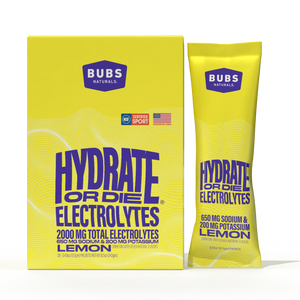
Start your day by drinking 16 to 20 ounces of water mixed with a high-quality electrolyte powder. This "breaks the fast" of dehydration that occurs while you sleep. By topping off your mineral stores first thing in the morning, you set your nervous system up for stability throughout the day. If you want a simple place to start, our Hydrate or Die formula is built for that routine.
Pre- and Post-Training
If you are an active person, your mineral needs are higher than the average individual. We recommend drinking electrolytes about thirty minutes before a workout to prime your system, and again immediately afterward to replace what was lost in sweat. This is especially important for those who train in humid environments or are "salty sweaters" (you might notice white streaks on your hat or clothes after a workout).
Travel and High Altitude
Air travel and high-altitude environments are notorious for dehydrating the body. The air in plane cabins is incredibly dry, and your body breathes faster at higher altitudes, leading to increased fluid loss. If you find that you always get "traveler’s headache," proactive electrolyte use can be a total game-changer for your comfort and recovery.
Alcohol Recovery
Alcohol is a powerful diuretic, meaning it forces your kidneys to flush out water and electrolytes. The "hangover headache" is largely a combination of inflammation and severe electrolyte depletion. While we do not claim to cure hangovers, many people report that aggressive electrolyte replenishment before bed and the following morning helps to dampen the severity of the "brain-shrinking" effect caused by alcohol.
The Connection Between Collagen and Long-Term Wellness
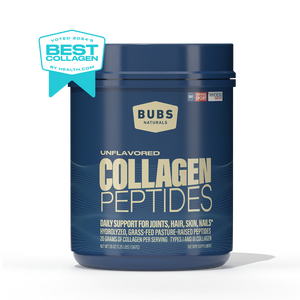
While electrolytes provide the immediate "fix" for hydration-related headaches, long-term wellness requires a more comprehensive approach to nutrition. At BUBS Naturals, we often talk about the importance of our Collagen Peptides in a daily routine. While collagen doesn't directly stop a headache the way magnesium might, it supports the integrity of your blood vessels and connective tissues.
A healthy vascular system is essential for proper blood flow to the brain. By supporting the structural health of your body with grass-fed, pasture-raised collagen, you are investing in the long-term resilience of your entire system. Many of our community members mix their collagen into their morning coffee and follow it up with our electrolytes later in the day to cover all their bases.
Realistic Expectations for Electrolyte Use
It is important to remember that not all headaches are created equal. While electrolytes are incredibly effective for dehydration, tension, and certain types of migraines, they are not a "magic bullet" for every medical condition.
If your headache is caused by extreme stress, lack of sleep, poor posture, or an underlying medical issue, electrolytes may only provide partial relief. We always encourage you to listen to your body. If you find that you are experiencing "the worst headache of your life," or if headaches are accompanied by fever, confusion, or vision loss, you should consult a healthcare professional immediately.
For the everyday athlete or the busy professional, however, most headaches are simply a request for better maintenance. Think of electrolytes as the "oil" for your body’s electrical engine. Without it, things start to grind, heat up, and eventually break down. Regular maintenance keeps the system running smoothly.
Why Quality Matters: The BUBS Difference
We didn't start BUBS Naturals just to put another supplement on the shelf. We started it to carry on a legacy of excellence and purpose. Our brand is named after Glen "BUB" Doherty, a Navy SEAL who lived a life of adventure and service, and that story is at the heart of our About Bubs.
This is why we refuse to use fillers, artificial sweeteners, or "BS" ingredients. We know that when you are on a long hike, a difficult mission, or a marathon work session, you need products that work. Our electrolytes are rigorously tested, and the details behind that standard are outlined in Optimal Electrolyte Timing: Fueling Your Body Right. This is the same standard used by professional athletes and military personnel who cannot afford to have compromised supplements in their system.
When you choose us, you are not just buying a powder; you are supporting a mission. We donate 10% of all our profits to veteran-focused charities in honor of Glen. This ensures that every scoop you take helps someone else who has dedicated their life to service. It’s about more than just feeling better—it’s about doing better.
Conclusion
Drinking electrolytes is a proactive, science-backed way to manage and prevent headaches associated with dehydration and mineral loss. By focusing on high-quality magnesium, sodium, and potassium, you can support your brain’s need for fluid balance and stable nerve signaling. Whether you are recovering from a hard workout or trying to get through a stressful afternoon, giving your body the minerals it craves is a foundational step in your wellness journey.
- Electrolytes help pull water into the brain cells, reversing the "shrinking" effect of dehydration.
- Magnesium supports nerve relaxation and can help prevent the onset of migraines.
- Clean, sugar-free formulas prevent the inflammation and crashes associated with sports drinks.
- Consistency is key—hydrate before, during, and after high-demand activities.
Our mission is to help you live a life of adventure and purpose, fueled by the cleanest ingredients possible. If you are ready to stop the cycle of dehydration headaches and start performing at your peak, it is time to prioritize your mineral balance and explore our Boosts collection.
FAQ
Can drinking too many electrolytes cause headaches?
While rare, consuming an excessive amount of electrolytes—specifically sodium—without enough water can lead to a different type of headache. This happens because high salt levels can increase blood pressure or cause cellular dehydration as water is pulled out of the cells to balance the salt in the blood. Always follow the recommended serving sizes on our packaging and listen to your body's thirst cues.
How fast do electrolytes work for a headache?
If your headache is primarily caused by dehydration, you may begin to feel relief within 20 to 30 minutes of drinking an electrolyte solution. This is the time it takes for the minerals to be absorbed by the gut and begin regulating fluid pressure in the brain. For more severe mineral deficiencies, it may take several days of consistent use to see a significant reduction in headache frequency.
Should I drink electrolytes every day even if I don't have a headache?
Yes, many people benefit from daily electrolyte supplementation, especially those who are physically active, live in hot climates, or follow low-carb diets. Maintaining a baseline of minerals like magnesium and potassium helps your nervous system stay resilient against stressors that might otherwise trigger a headache. It is an "insurance policy" for your daily performance.
Is there a specific time of day that is best for electrolytes?
The most effective times are typically first thing in the morning to reverse overnight dehydration and around your workout window. However, if you are prone to nighttime headaches or leg cramps, having a serving of electrolytes in the evening can help stabilize your mineral levels throughout the night. Our "Hydrate or Die" mix is designed to be used whenever your body needs a boost.